


Measure your sunlight
Check each bed in the morning, at midday and in the afternoon, ideally while trees are in leaf. Buildings, slopes and the season affect exposure. Too much sun can scorch a shade plant’s leaves. Too little light often reduces flowering in sun-loving perennials.
- Full sun
- About 6 hours or more of direct sunlight.
- Partial shade
- About 3 to 6 hours, or filtered light for much of the day.
- Shade
- Less than 3 hours of direct sun. Check whether the soil stays moist or dries quickly.
Perennials for full sun

For a hot border, slope or south-facing bed, match plants to drainage. Yarrow, lavender and stonecrops suit well-drained spots that dry quickly. Delphiniums generally prefer evenly moist, well-drained soil. Daylilies tolerate light shade but flower best in sun.
Mix heights and leaf textures and stagger bloom times from spring to fall. Coneflowers, black-eyed Susans and many salvias draw pollinators.

See the other full-sun perennial photos


Flowering perennials for partial shade
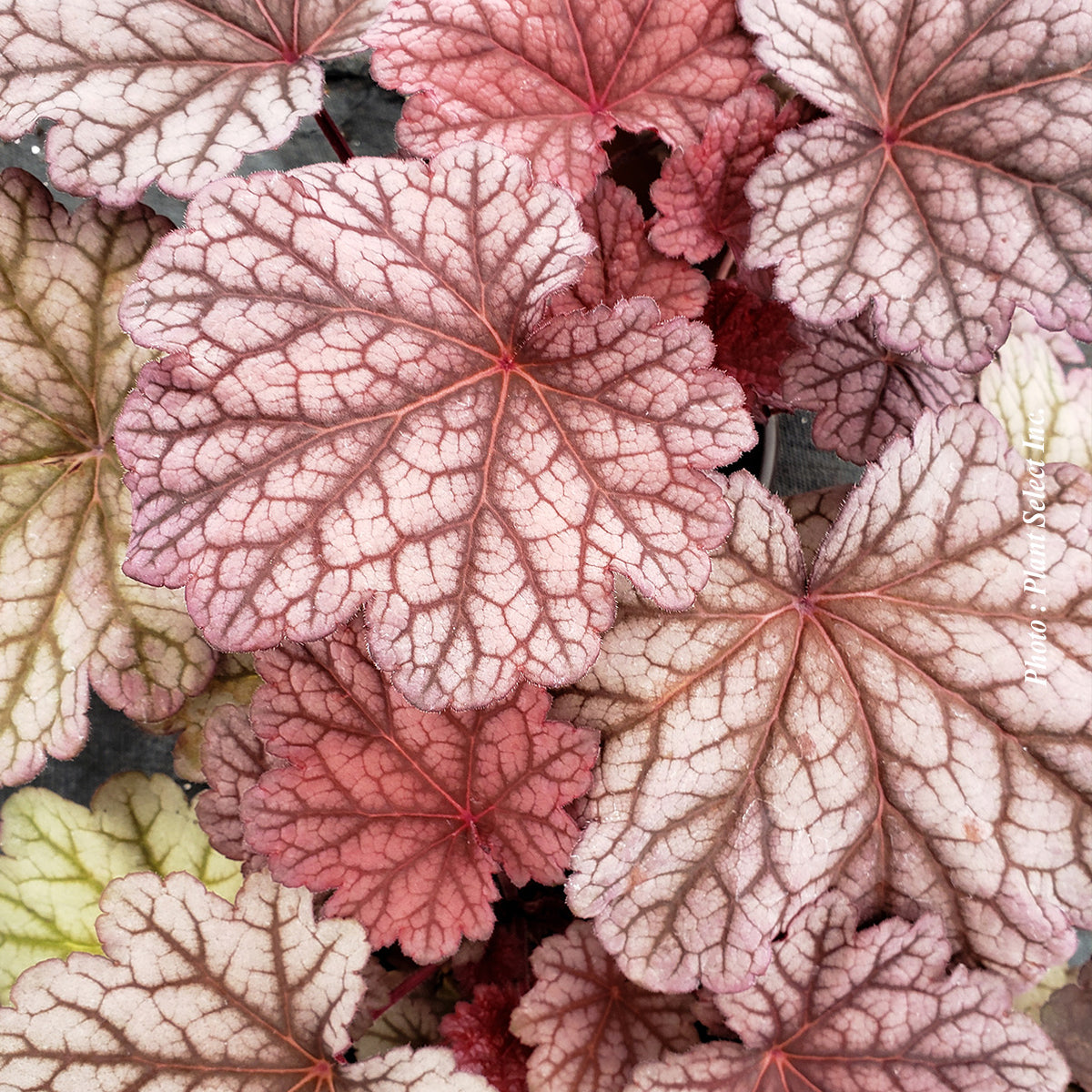
Morning sun is cooler than afternoon sun. In moist, well-drained soil, consider columbines, coral bells and astilbes. Save astilbes for sites that hold moisture. Along a drier edge, try bigroot geranium.
Pair spring-blooming columbine with summer-blooming astilbe and coral bells for foliage.
Perennials for moist or dry shade
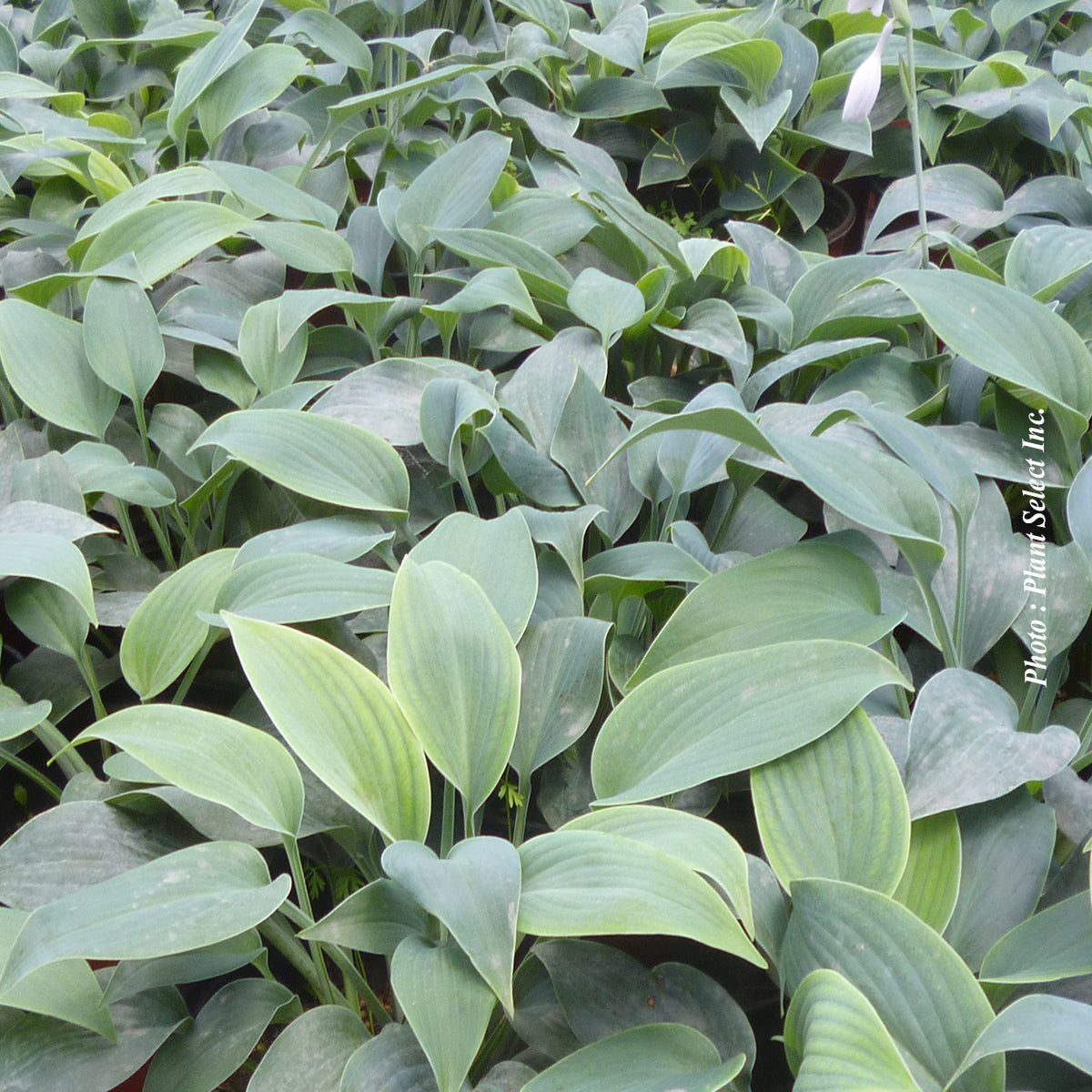
In moist, well-drained shade, hostas, suitable ferns and bleeding hearts add height and texture. For dry shade under trees, choose bigroot geranium or an epimedium hardy in your area. Plant between major roots and water while the plants establish.
Even in shade, choose by hardiness, moisture and mature spread.
Plan a perennial bed
Start with a spot you know well. These three planting combinations show how light and soil moisture can guide both your plant choices and where you put them.
Full sun, well‑drained soil
Place bearded irises at the back for late‑spring flowers, plant common yarrow in small groups through the middle, and repeat upright stonecrop toward the front for late‑season colour. Allow room around the irises so their fans don’t crowd together.
Morning sun, moist soil
Repeat a few heucheras along the edge for foliage and tuck bleeding hearts farther back for spring flowers. Put astilbes where the soil stays moist and drains well. As the bleeding hearts die back, the astilbes and heucheras help fill the view.
Dry shade beneath a tree
Start with a small group of hardy epimediums where there’s room between the tree roots. Repeat bigroot geraniums nearer the outer edge to connect the groups. Leave some mulch visible while the plants spread, and keep it clear of the trunk.
From plan to planting
Allow for mature spread
Check each cultivar’s hardiness and mature size on the tag. Set the pots out before digging. Put taller plants at the back of a border viewed from one side, or near the middle of an island bed. Space plants with their mature spread in mind, even if the bed looks a little sparse at first.
Water while roots establish
Water the root ball and surrounding soil after planting. Over the following weeks, check the soil near the roots and water when it starts to dry. Check more often in hot, windy weather and beneath trees, where roots compete for water.
Frequently asked questions
Can full-sun perennials grow in partial shade?
Some, including daylilies, tolerate light shade. Expect fewer flowers in many cases.
Which perennials flower in partial shade?
Columbines and astilbes are two options. Choose astilbes where soil stays moist.
What perennials grow in shade?
Try hostas, suitable ferns or bleeding hearts in moist, well-drained shade. Where the soil dries out quickly, look for bigroot geranium or a barrenwort suited to your local hardiness zone.
What can I plant under a mature tree?
For dry shade, consider bigroot geranium or a hardy barrenwort. Tuck small plants into gaps between tree roots. Leave the roots intact, water while the new plants establish and keep the base of the trunk clear.
Is morning sun the same as afternoon sun?
Morning sun is usually cooler. A west-facing bed can heat up and dry out even when it receives the same number of hours of sun. Check the soil in summer before choosing a part-shade perennial.
When can I move a perennial that needs more light?
Choose cool weather in spring or early fall, when the plant will have time to settle before the ground freezes. Water after transplanting. Check whether the species is sensitive to being moved.
















 Outils
 Compostage et écologie



