Gardening and wellbeing: what can it offer?
Gardening brings together contact with plants, gentle movement, attention and sometimes social connection. Many people find it relaxing or satisfying. Reviews of research suggest a positive association between gardening activities and wellbeing, but studies vary in quality and the same effect cannot be promised for everyone.
Planting, tending and harvesting may create opportunities for calm, enjoyment, learning and a sense of achievement. Gardening is one possible support for wellbeing, not a guaranteed treatment for anxiety or depression.

A sensory break from screens
Sowing, repotting or watching a new leaf unfold can draw attention to something tangible. The feel of the soil, the colours, scents and sounds of a garden may make it easier for some people to slow down and take a break from notifications.
Watching a seed germinate, caring for a plant or harvesting herbs can also offer a sense of accomplishment. The process matters as much as the result: plants grow at their own pace.
Connection, learning and routine
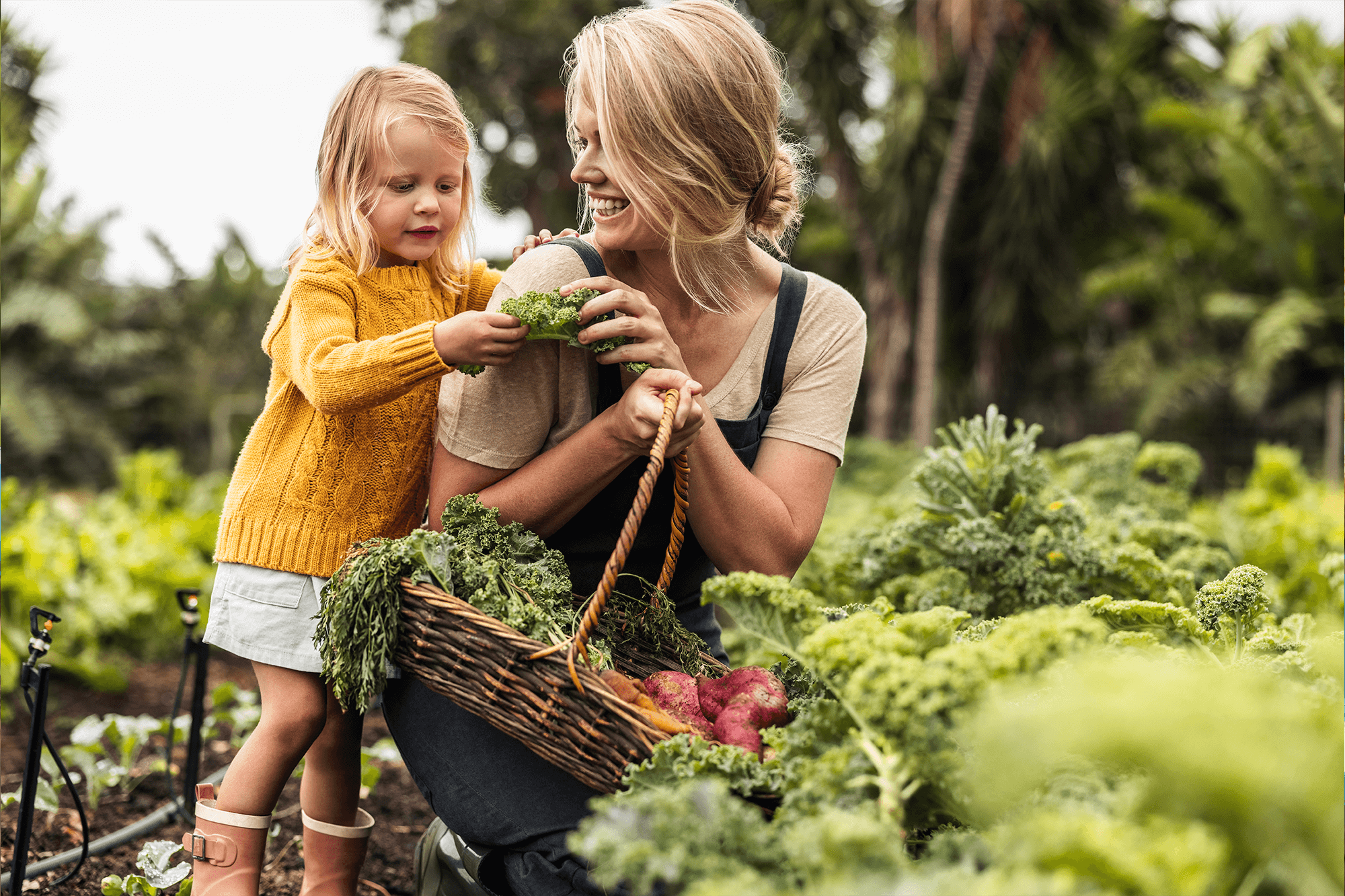
Gardening with neighbours, friends or family can create opportunities to share seeds, advice and conversation. Community gardens make it possible to meet others around a common interest.
Planning a container, observing light and moisture, watering and harvesting all invite attention and decision-making. A small routine can provide structure and a sense of progress, without becoming another obligation.

Start simply, at your own pace
You do not need a large yard or expert knowledge. Sow herbs in a pot, water a houseplant, plant a balcony container or join a community garden. Choose a task you enjoy and adjust it to your energy, mobility and available time.
Notice the light, colours, scent and texture of the plants. Make room for breaks, use suitable tools and protect yourself from the sun and heat. Growth takes time; a missed watering or a plant that struggles is an opportunity to learn, not a failure.

Frequently asked questions
Can gardening help with stress?
Many people find that a pleasant gardening activity offers a break and a chance to focus. Research suggests possible benefits for wellbeing, although experiences differ and the evidence has limits.
Do I need a large garden?
No. A few herbs in a container, an indoor plant or a community garden can be a good place to start.
Can gardening replace mental health care?
Gardening can complement other forms of support. If distress persists or affects daily life, speak with a qualified health professional about the care that is right for you.

 Outils
 Compostage et écologie