Sale
Sold out

Native perennial
Araliaceae
Native woodland perennials
American Spikenard
Aralia racemosa
Product code : AKENE-0004
American spikenard forms a large herbaceous clump with compound leaves. Small greenish flowers in June and July are followed by purple to dark fruit clusters in late summer. The mature plant grows to a height of 100 cm (39.4 in), with its flowering season in June to July. For American spikenard, choose a position in partial shade and soil that is loamy, maintained at moderate to high moisture levels. American spikenard seeds let you grow Aralia racemosa from identified seed, following the preparation and sowing steps that match the needs of this particular species. Space the plants 100 cm (39.4 in) apart to allow room for their growth.
- Quantity
- About 50 seeds
- Exposure
- Partial shade
- Life cycle
- Perennial
- Hardiness
- Zone 3
Discover the plant
Common nameAmerican Spikenard
FamilyAraliaceae
GenusAralia
Speciesracemosa
TypeNative perennial
Botanical nameAralia racemosa
American Spikenard forms a large herbaceous clump with compound leaves. Small greenish white flowers appear in June and July, followed by clusters of purple to dark fruits in late summer. This perennial member of the Araliaceae family grows to a mature height of 100 cm (39.4 in). Its foliage gives the planting one feature to observe, while the summer flowers and later fruit clusters change the scene as the season progresses. Seedlings are much less developed than established clumps, so allow the young plants time to grow before expecting the complete form of a mature woodland perennial.
American spikenard seeds let you grow Aralia racemosa from identified seed, following the preparation and sowing steps that match the needs of this particular species. For American spikenard, choose a position in partial shade and soil that is loamy, maintained at moderate to high moisture levels. Soak American spikenard seeds for 24 hours. Then mix with moist medium and refrigerate for 60 days. Sow 5 mm (0.2 in) deep in freely draining growing medium, transplant after the first true leaves and harden off before planting. An application of fertilizer does not replace suitable soil.
Its foliage supplies a generous mass in open woodland, with sufficient space for smaller perennials. Ripe fruits are edible; use them for food rather than preparing roots for medicinal purposes. When harvesting American spikenard for food, use only ripe fruits in small quantities from positively identified plants that have not been treated. A pot can support the first seedlings; then plan a position suited to the developing roots. American Spikenard contributes to a planted garden where the vegetation can provide food or shelter through its flowers, fruits and leafy growth. Retain some of the mature fruiting structures and avoid applying treatments to flowers while visiting insects are using them.

Sowing guide
It all startswith a seed.
Sowing depth
5 mm (0.2 in)
Spacing / density
100 cm (39.4 in)
Germination time
Approximately 30 to 90 days, sometimes longer
Sowing period
Fall or spring after prolonged cold stratification
Propagation
Seed, division or root cuttings
Cold stratification
Yes
Seed scarification
Yes
Growing method
Grow American spikenard from Aralia racemosa seeds by following the preparation and sowing steps below, keeping the seeds identified as this species throughout their development. Soak American spikenard seeds for 24 hours. Then mix with moist medium and refrigerate for 60 days. Sow 5 mm (0.2 in) deep in freely draining growing medium, transplant after the first true leaves and harden off before planting. Write the botanical name and sowing dates on a durable label; keep it with the seedlings so you can identify those that emerge at different times. Moisten the growing mix gradually and let excess water drain away, rather than leaving the newly sown seeds and developing seedlings above stagnant water. As the seedlings emerge, gradually increase ventilation beneath any cover, and keep them in enough light to encourage growth without weak, stretched stems. Transplant young plants carefully without pulling their stems or compacting the growing medium around their roots. Harden plants off gradually outdoors, initially protecting them from wind and intense sunlight. Keep the label beside the plants in the garden, and watch how they establish before moving a seedling that still appears small or undeveloped. For American spikenard, choose a position in partial shade and soil that is loamy, maintained at moderate to high moisture levels.
Soil and care
The right care,at the right time.
Care level
Moderate
Watering
When watering American Spikenard, aim to maintain moderate to high soil moisture while accounting for the rain received and the development of its roots. Check the soil around young roots before adding more water, paying close attention to newly transplanted plants. Water the growing medium in seed trays gently to avoid displacing the seeds or injuring young seedlings. In a container, also check the pot bottom and its limited soil volume, which respond quickly to hot weather.
Soil type
Soil for American spikenard should match these conditions: loamy, with moderate to high moisture. After rainfall, watch where water collects on the ground and how it drains away before preparing the planting site. Prepare the planting bed carefully without compacting the root zone, and remove weeds before setting the young plants into the ground. For container growing, choose a mix that maintains the same balance of soil moisture and drainage around the roots.
Fertilization
Fertilizing American spikenard begins by choosing suitable ground conditions: soil that is loamy. Assess the plant’s vigour and the condition of its roots before attempting to accelerate growth with fertilizer. Applying fertilizer does not correct a lack of water, a poorly chosen planting site or unsuitable drainage. Use a soil amendment only according to the ground’s actual needs and the selected product’s instructions. In a container, also follow the growing-mix instructions; do not infer a feeding dose from the plant’s mature size.
Moisture
Medium to moist
Seasonal care
Seasonal care of American spikenard begins in spring by observing soil, the new growth of the plant and the overall condition of the plants. Remove debris that smothers young growth while retaining useful cover around the root area. Wait until you can see where new growth is emerging before cutting stems or working close to a root ball that is still difficult to locate. In summer, pay particular attention to young plantings during dry spells because their roots remain more limited. Adjust watering to the amount of rainfall and soil conditions rather than replacing observation with an identical weekly schedule. Weed carefully around the roots, and avoid digging or turning the soil deeply while the plants are growing in the bed. Observe flowers before deciding which stems to retain for seeds and which parts to remove for garden management. In autumn, decide which fruiting stems to retain for your garden goals, and keep any seed you collect in separate, clearly labelled batches. Through the Canadian winter, keep foot traffic off the planting and avoid depositing de-icing salt where it can reach the roots. Use dormancy to plan future sowing and available planting positions without promising immediate flowering. For American spikenard, choose a position in partial shade and soil that is loamy, maintained at moderate to high moisture levels. When harvesting American spikenard for food, use only ripe fruits in small quantities from positively identified plants that have not been treated.
Container growing
A garden,within reach.
Recommended pot size
30 to 50 L
Container cultivation of American spikenard needs to reproduce its light and moisture requirements while monitoring a limited reserve of growing medium. Stand the container on a stable surface and check that water can leave the bottom after watering. Choose a growing mix that suits the soil and moisture conditions this plant needs, then moisten it evenly before transplanting seedlings. Position the pot according to its recommended exposure and watch for sun-heated walls, especially during hot spells. Check the growing medium with your fingers before watering; rainfall does not always wet a sheltered container evenly. Manage watering without allowing a full saucer to undermine the drainage the plant needs. Reassess the container when roots occupy the growing medium and watering becomes difficult to manage. In Canadian gardens, a plant that overwinters well in the ground can face greater temperature swings when its roots remain above ground inside a pot. You can keep young seedlings in containers while they establish, then move them into the permanent garden position you have prepared for them. For American spikenard, choose a position in partial shade and soil that is loamy, maintained at moderate to high moisture levels. Space the plants 100 cm (39.4 in) apart to allow room for their growth.

Bloom and dimensions
Its place,in your garden.
Mature height
100 cm (39.4 in)
Flower color
Greenish white
Foliage color
Green
Foliage type
Herbaceous deciduous
Growth rate
Moderate
Growth habit
Upright, broad and arching
Fragrance
Aromatic roots; lightly fragrant flowers
Bloom period
The flowering period for American spikenard is June to July; its flowers are greenish white. The flowering calendar varies with the growing season and planting position; it is not a guaranteed period counted from sowing. Position the plants according to their light requirements so the flowers can develop under conditions suited to the species. Retain some faded flowering stems when you want to observe fruiting structures and prepare for collecting mature seeds.
Fruiting
American Spikenard produces purple to black fruit in clusters after the flowers have faded. Fruiting depends on how well the plants have established and on the growing conditions throughout the season. For another sowing, collect only ripe material of known identity and keep a label with the batch. When harvesting American spikenard for food, use only ripe fruits in small quantities from positively identified plants that have not been treated.
Harvest
Collect dry, mature seeds from August to September.

Garden associations
In goodcompany.
Companion plants
When choosing companions for American spikenard, select plants sharing partial shade exposure and moderate to high soil moisture. Its foliage supplies a generous mass in open woodland, with sufficient space for smaller perennials. Ripe fruits are edible; use them for food rather than preparing roots for medicinal purposes. These combinations rely on compatible growing needs and a landscape effect; they do not guarantee increased growth or the elimination of pests. Reassess the distances between plants as they occupy their growing space, rather than retaining competition that has become excessive.
Frequently asked questions
Your questions,answered.
How do I sow American spikenard seeds?
Soak American spikenard seeds for 24 hours. Then mix with moist medium and refrigerate for 60 days. Sow 5 mm (0.2 in) deep in freely draining growing medium, transplant after the first true leaves and harden off before planting. American spikenard seeds let you grow Aralia racemosa from identified seed, following the preparation and sowing steps that match the needs of this particular species. Write the botanical name and sowing dates on a durable label; keep it with the seedlings so you can identify those that emerge at different times. As the seedlings emerge, gradually increase ventilation beneath any cover, and keep them in enough light to encourage growth without weak, stretched stems.
What soil and light does American spikenard need?
For American spikenard, choose a position in partial shade and soil that is loamy, maintained at moderate to high moisture levels. Its foliage supplies a generous mass in open woodland, with sufficient space for smaller perennials. Ripe fruits are edible; use them for food rather than preparing roots for medicinal purposes. After rainfall, watch where water collects on the ground and how it drains away before preparing the planting site. Amendments should respond to actual ground conditions rather than an invented pH value. Check the soil around young roots before adding more water, paying close attention to newly transplanted plants. A newly installed plant requires closer observation than a specimen whose root system is already established.
Can I grow American spikenard in a pot?
Container cultivation of American spikenard needs to reproduce its light and moisture requirements while monitoring a limited reserve of growing medium. Stand the container on a stable surface and check that water can leave the bottom after watering. Choose a growing mix that suits the soil and moisture conditions this plant needs, then moisten it evenly before transplanting seedlings. Manage watering without allowing a full saucer to undermine the drainage the plant needs. Reassess the container when roots occupy the growing medium and watering becomes difficult to manage. In Canadian gardens, a plant that overwinters well in the ground can face greater temperature swings when its roots remain above ground inside a pot.
How can I plan a garden planting with American spikenard?
In the planted area of the garden, American Spikenard fits a scene organized around its growth habit and requirements, with the neighbouring plants suited to the same habitat. Leave a clear path so you can water the young roots, remove weeds and watch the plants develop without stepping into the planting. A container can help you establish the first seedlings, but choose their permanent position with the size and root development of mature plants in mind. Watch how the clumps, branches or rhizomes develop, and adjust the edges of the planting before growing plants begin to block the paths beside them. A naturalistic planting remains a managed garden: respond to actual needs rather than removing every stem on the same date.
How do I care for American spikenard through the seasons?
Seasonal care of American spikenard begins in spring by observing soil, the new growth of the plant and the overall condition of the plants. In summer, pay particular attention to young plantings during dry spells because their roots remain more limited. Adjust watering to the amount of rainfall and soil conditions rather than replacing observation with an identical weekly schedule. In autumn, decide which fruiting stems to retain for your garden goals, and keep any seed you collect in separate, clearly labelled batches. Its foliage supplies a generous mass in open woodland, with sufficient space for smaller perennials. Ripe fruits are edible; use them for food rather than preparing roots for medicinal purposes.
Wildlife and pets
Life,around your plants.
Attracts birds
Yes
Native plant
Yes
Supporting wildlife
American Spikenard contributes to a planted garden where the vegetation can provide food or shelter through its flowers, fruits and leafy growth. Retain some of the mature fruiting structures and avoid applying treatments to flowers while visiting insects are using them. Observe the wildlife that visits locally: its presence depends on habitat, season and the resources accessible around the planted area.
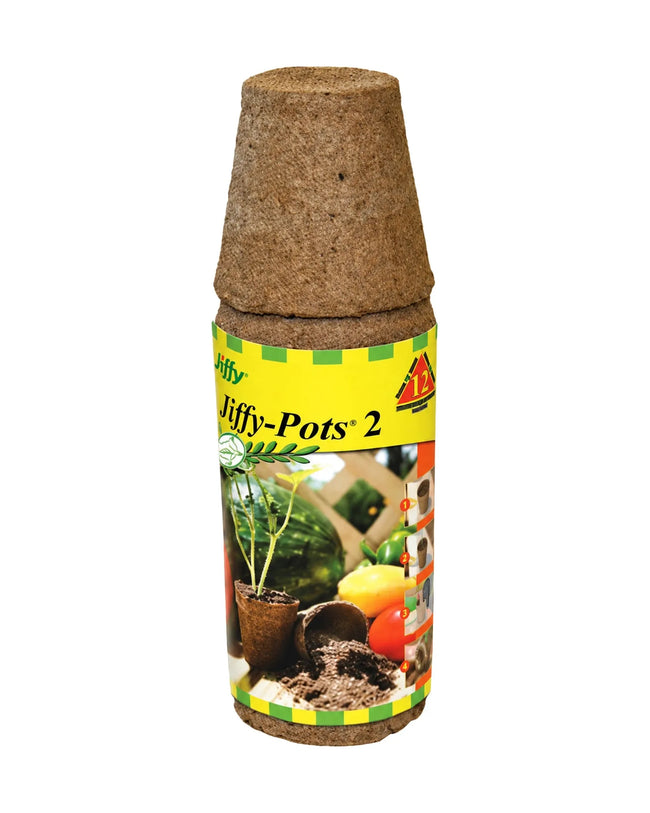
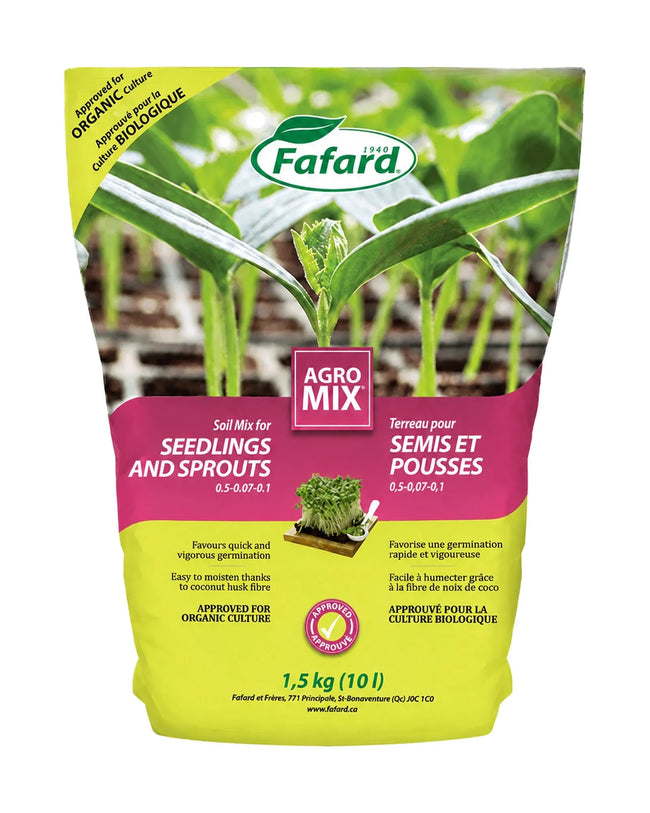
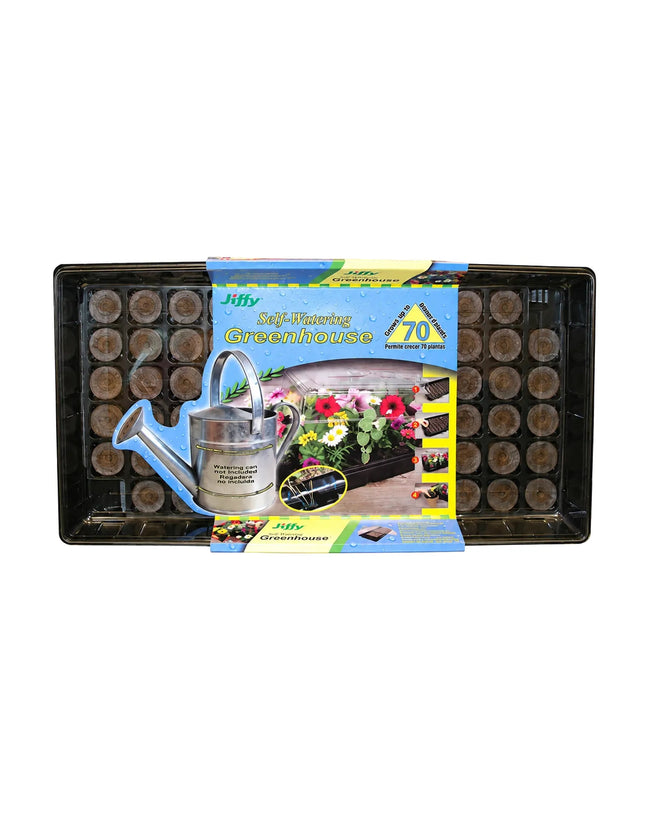
For a great start to your seeds
The right extras.Right here.
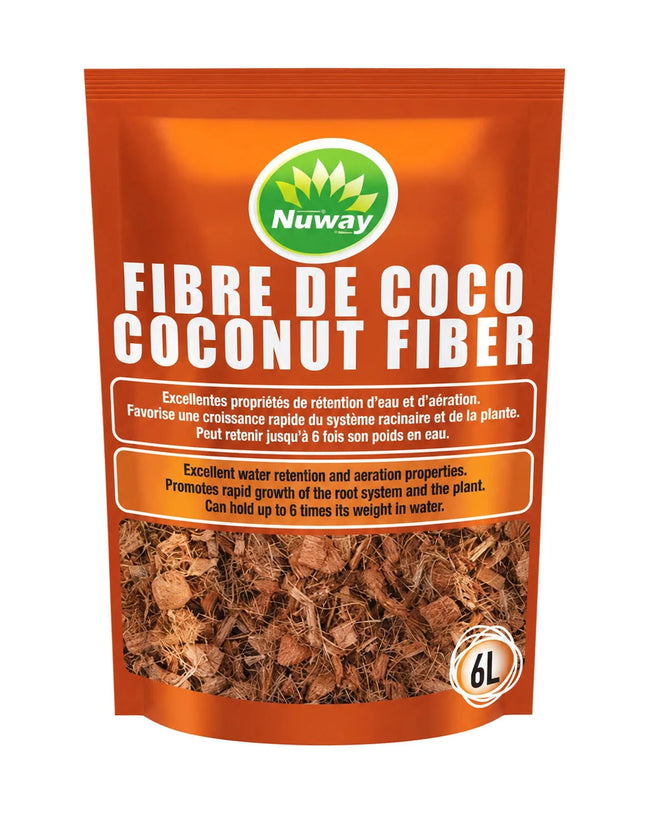
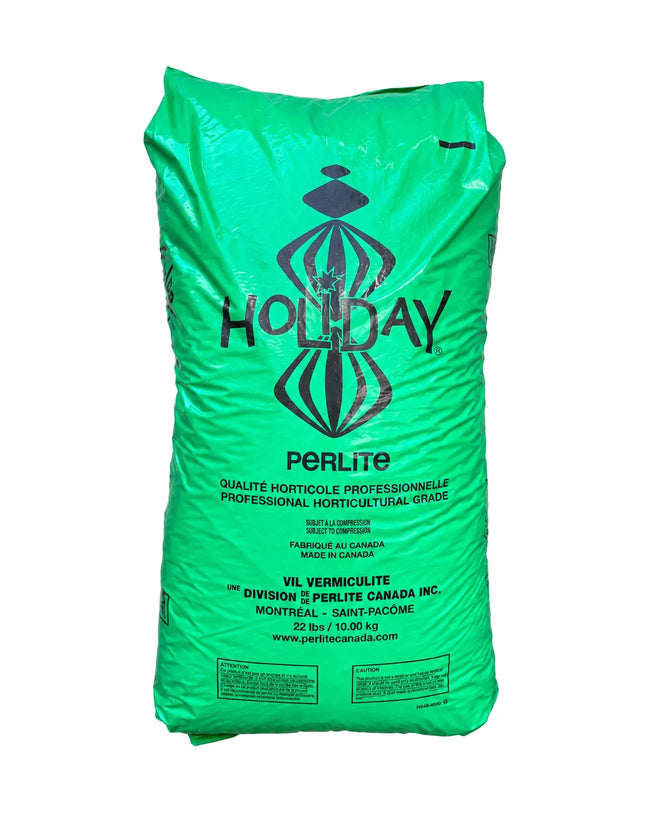
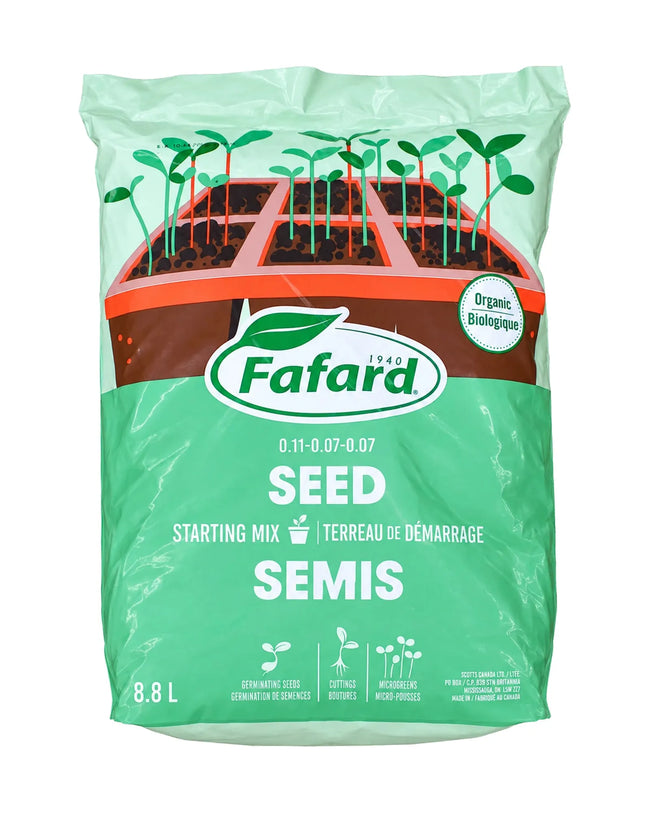
Seed Starting Soil
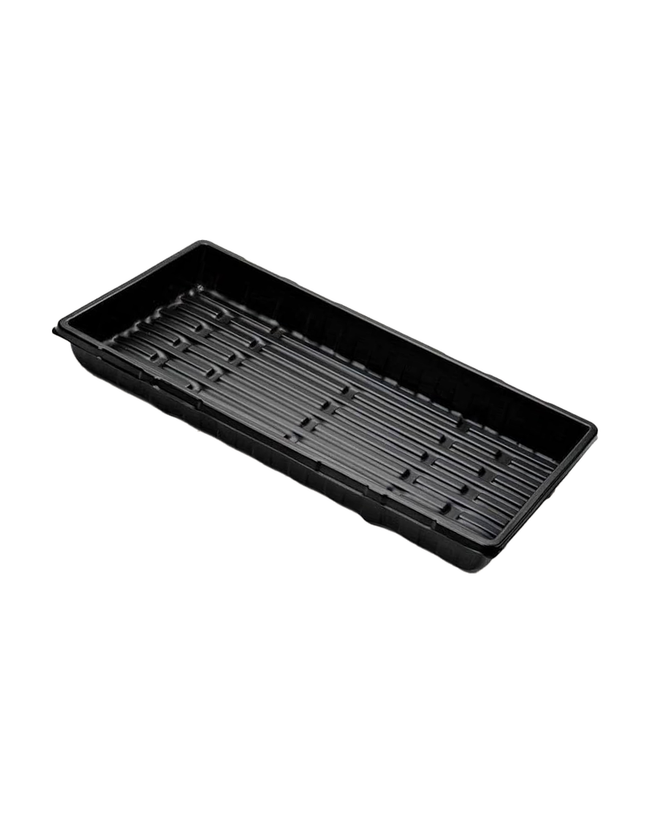
Shop the collectionSeed starting supplies
Shop the collection