


Sale
Sold out

Native ground-covering plant
Ranunculaceae
Native groundcover perennials for moist areas
Canada Anemone – Anemonastrum canadense
Product code : AKENE-0003
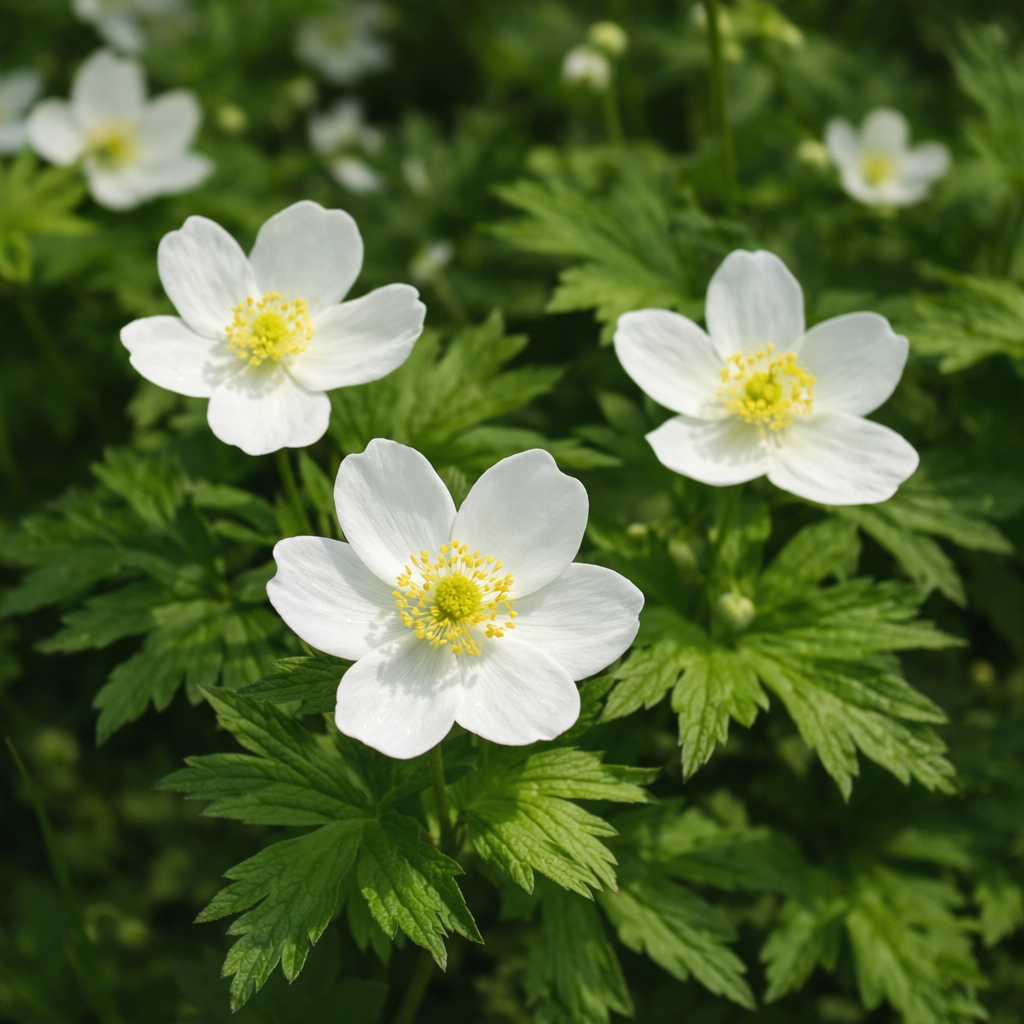
Canada anemone is a vigorous native ground cover with white flowers and dense foliage. Hardy and adaptable, it suits rain gardens, streamside plantings and moist areas where it supports pollinators and protects the soil.
- Quantity
- Approximately 40 seeds
- Exposure
- Full sun to partial shade
- Life cycle
- Perennial
- Hardiness
- Zones 3 to 8
Discover the plant
Common nameCanada anemone
FamilyRanunculaceae
GenusAnemonastrum
Speciescanadense
Cultivar
TypeNative ground-covering plant
Botanical nameAnemonastrum canadense
Reproducible seedsYes
Canada anemone (Anemonastrum canadense) is a vigorous native perennial that forms a dense ground cover through underground rhizomes. From May to July, bright white single flowers rise above deeply divided green foliage, creating a natural display in moist garden areas. Its spreading habit helps cover bare soil, suppress weeds and reduce erosion. Reaching approximately 30 cm in height, it gradually develops into broad colonies. Hardy to Zone 3, Canada anemone returns reliably in Canadian gardens and provides strong spring ornamental interest. Its clean white flowers and textured foliage are especially effective in ecological landscapes, rain gardens and naturalized planting schemes.
Canada anemone grows in full sun or partial shade and prefers rich, loamy soil that remains moist to wet and contains abundant organic matter. It is particularly useful in rain gardens, streamside areas and sites that retain consistent moisture without remaining permanently submerged. Seeds may be sown outdoors in fall or after a suitable double stratification treatment that addresses natural dormancy. Place them approximately 5 mm deep in a moist, well-aerated growing medium. Once established, the plant requires little routine care, although regular watering during drought and an annual application of mature compost support vigorous growth, flowering and dependable ground coverage.
In the garden, Canada anemone works as a ground cover in bright woodland edges, moist gardens, naturalized plantings and stream-bank stabilization projects. Its flowers attract bees, hoverflies and several small pollinating insects, supporting local biodiversity. It combines naturally with blue flag iris, spotted Joe-Pye weed, swamp milkweed and goldenrods. Rhizome spread can become substantial in favourable soil, so the plant is best reserved for an area where naturalization is welcome. Its boundaries can also be managed through regular division, removal of outer rhizomes or installation of physical edging. In the right location, it creates a resilient, flowering native carpet with relatively low maintenance needs.

Sowing guide
It all startswith a seed.
Sowing depth
5 mm
Spacing / density
20 to 30 cm (8 to 12 in)
Germination temperature
4 to 10°C during the cold phase
Germination time
Variable; may require double stratification and more than one season
Sowing period
Fall or spring after double stratification
Propagation
Seeds or rhizome division
Cold stratification
Yes
Growing method
Sow Canada Anemone seeds in autumn or in spring after a double cold stratification period to break natural dormancy. Sow the seeds about 5 mm deep in a rich, moist, well-aerated growing medium and maintain consistent moisture throughout germination. Anemonastrum canadense grows best in full sun to partial shade in fertile loamy soil. Once established, it gradually spreads by rhizomes to form a dense flowering carpet, making it an excellent choice for pollinator gardens, rain gardens, streambanks, and naturalization projects.
Soil and care
The right care,at the right time.
Soil pH
5.5 to 7.0
Minimum temperature
Approximately -40°C
Care level
Low
Watering
Regular; keep the soil moist to wet
Soil type
Rich, loamy and moist to wet
Fertilization
Well-matured compost in spring
Moisture
Medium to high; moist to wet soil
Seasonal care
In spring, remove plant debris accumulated over winter and apply a thin layer of compost around emerging shoots. During summer, water regularly through dry periods to keep the soil moist to wet. Monitor rhizome spread and remove shoots that move beyond the intended area. After flowering, retain some seed heads for natural interest or remove the stems if limiting seedlings is preferred. In fall, leave some foliage in place to protect the rhizomes and support beneficial wildlife. Divide overcrowded colonies every few years to maintain vigour, improve flowering and control expansion within structured garden beds.
Container growing
A garden,within reach.
Recommended pot size
30 to 40 cm (12 to 16 in)
Canada Anemone can be grown in containers at least 30 to 40 cm (12 to 16 in) deep using a rich potting mix that retains moisture while providing good drainage. Regular watering is essential because this native perennial prefers consistently moist soil. Growing it in containers also helps control its natural spreading habit while allowing gardeners to enjoy its abundant spring flowers on patios, balconies, and rain garden displays.

Bloom and dimensions
Its place,in your garden.
Mature height
Approximately 30 cm
Width / spread
Variable according to rhizome spread
Flower color
White
Foliage color
Green
Foliage type
Herbaceous deciduous
Growth rate
Moderate to fast
Growth habit
Low, dense, and rhizomatous
Fragrance
Bloom period
May to July
Fruiting
Decorative achenes produced after flowering
Days to maturity
Usually flowers after 2 to 3 years
Harvest
June to July
Garden associations
In goodcompany.
Companion plants
Blue flag iris, spotted Joe-Pye weed, swamp milkweed and goldenrods
Plants to avoid
Lavender, thyme, sedum and cotton lavender
Frequently asked questions
Your questions,answered.
When should Canada anemone seeds be sown?
Canada Anemone seeds are best sown in autumn or in spring after a period of cold stratification. This treatment greatly improves germination and mimics the species' natural growing conditions.
Is Canada anemone invasive?
Canada Anemone spreads gradually by underground rhizomes in favorable soils. This vigorous growth habit is highly desirable when creating flowering groundcovers or stabilizing moist areas.
Can Canada anemone be planted near a pond?
Yes. Canada Anemone thrives in consistently moist soils and is an excellent choice for pond edges, rain gardens, and streambanks. It also tolerates occasional periods of saturated soil.
Does Canada anemone attract pollinators?
Yes. Its abundant spring flowers attract native bees, small pollinators, and many beneficial insects that contribute to a healthy garden ecosystem.
How can Canada anemone spread be controlled?
If you wish to limit its spread, install a physical edging or divide established colonies every few years. Divided plants can easily be transplanted elsewhere in the garden.
Wildlife and pets
Life,around your plants.
Native plant
Yes
Reported toxicity
Yes
Supporting wildlife
Bees and other pollinators
For a great start to your seeds
The right extras.Right here.
Seed Starting Soil
Shop the collectionSeed starting supplies
Shop the collection





