


Sale
Sold out

Native perennial subshrub
Araliaceae
Native subshrubs for dry soils
Bristly Sarsaparilla – Seeds
Aralia hispida
Product code : AKENE-0005
This hardy native perennial supports biodiversity and helps stabilize sandy soil. Easy to maintain and highly drought tolerant, Bristly Sarsaparilla is an excellent choice for naturalistic gardens and ecological restoration projects across Canada.
- Quantity
- About 25 seeds
- Exposure
- Full sun to partial shade
- Life cycle
- Perennial
- Hardiness
- USDA Zones 3 to 8
Discover the plant
Common nameBristly Sarsaparilla
FamilyAraliaceae
GenusAralia
Specieshispida
Cultivar
TypeNative perennial subshrub
Botanical nameAralia hispida
Reproducible seedsYes
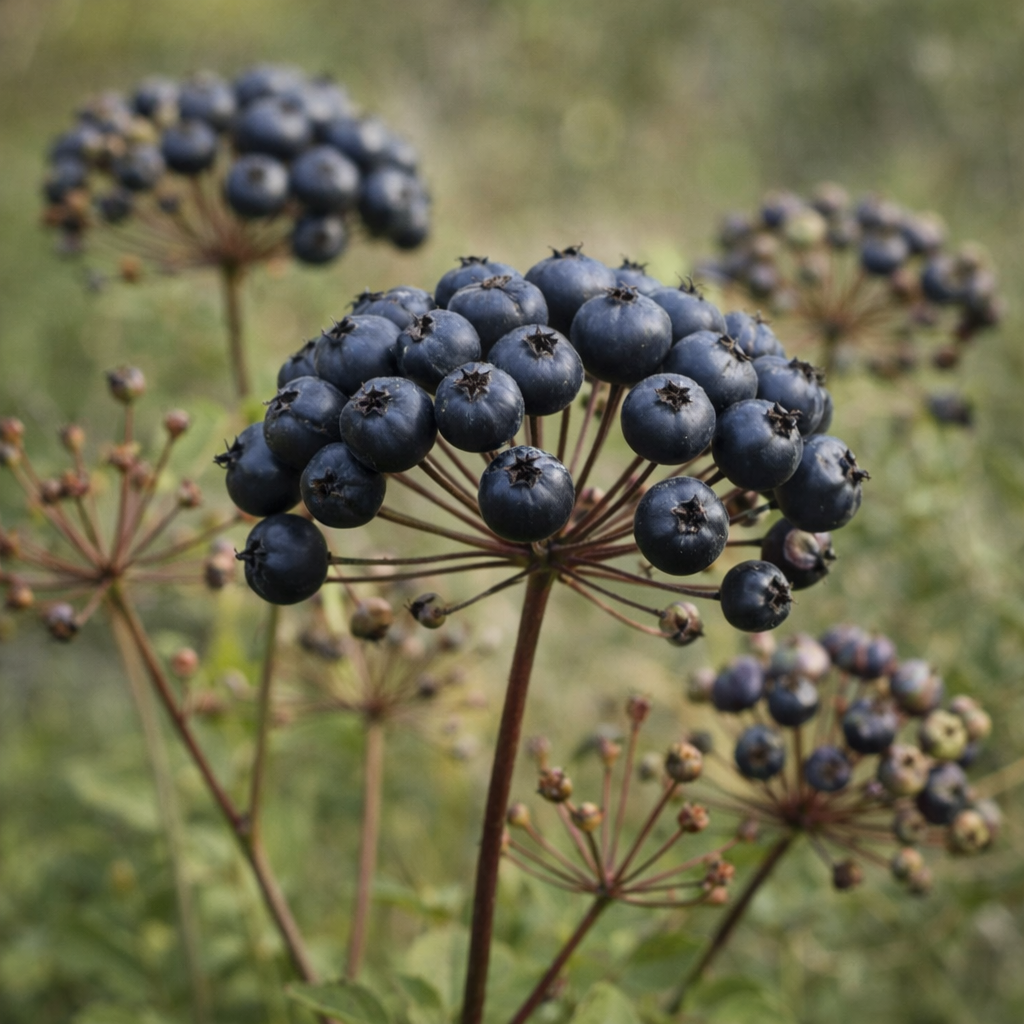
Bristly Sarsaparilla (Aralia hispida) is a native perennial in the Araliaceae family, valued for its textured form and exceptional adaptation to dry habitats. Its upright stems, often reddish and covered with stiff bristles, support large compound leaves with toothed leaflets. Small greenish-white flowers arranged in rounded umbels appear in summer, followed by dark purple to black, globe-shaped fruits that are not edible. This deciduous plant generally reaches 30 to 90 cm and maintains a distinctive, natural-looking silhouette throughout the growing season. Exceptionally hardy in Zones 3 to 8, it is well adapted to cold winters and demanding growing conditions across Quebec and much of Canada.
Bristly Sarsaparilla performs best in full sun or partial shade and in poor, sandy, rocky, sharply drained soil. Once established, it is highly drought tolerant, although young plants benefit from light, consistent moisture while developing their root systems. For reliable germination, the seeds require scarification followed by moist cold stratification. They may also be sown outdoors in autumn, allowing winter conditions to help overcome natural dormancy. This Canadian native needs little fertilizer; a thin layer of mature compost in spring is usually sufficient. Avoid persistently wet ground and heavy nitrogen feeding, as both encourage conditions unlike the lean, open habitats where Aralia hispida naturally thrives.
In the garden, Bristly Sarsaparilla is well suited to dry slopes, rock gardens, sunny woodland edges, pollinator plantings, and ecological restoration projects. Its rhizomes and suckering growth allow it to develop gradual colonies that can help stabilize sandy or disturbed soil. The summer flowers are visited by bees and other beneficial insects, while the dark fruits may provide value to wildlife but should not be eaten by people. Pair it with Yarrow, Wild Bergamot, goldenrods, and Butterfly Milkweed to create a resilient native planting with layered textures and seasonal interest. Its relaxed habit brings an authentic wild character to landscapes inspired by the natural environments of Quebec and eastern Canada.

Sowing guide
It all startswith a seed.
Sowing depth
3 to 5 mm
Spacing / density
30 to 60 cm (12 to 24 in)
Germination temperature
About 20°C after stratification
Germination time
30 to 120 days after scarification and 90 to 150 days of cold treatment
Sowing period
Autumn, or spring after cold stratification
Propagation
Scarified, stratified seed; division of suckers
Cold stratification
Yes
Seed scarification
Yes
Growing method
Sow Aralia hispida seeds in autumn or in spring after a period of cold stratification to improve germination. Sow the seeds 3 to 5 mm deep in well-drained sandy soil and maintain light, even moisture throughout germination. Bristly Sarsaparilla grows best in full sun to partial shade and tolerates poor soils exceptionally well. Once established, it requires little maintenance and withstands difficult growing conditions. Its vigorous root system helps stabilize sandy soils while supporting biodiversity in natural landscapes.
Soil and care
The right care,at the right time.
Soil pH
Acidic to neutral, about 5.5 to 7.0
Minimum temperature
About -40°C
Care level
Low
Drought tolerance
Yes
Watering
Light and regular during establishment; low afterward
Soil type
Poor, sandy, rocky, and well drained
Fertilization
Light spring compost; avoid rich fertilizers
Moisture
Low to medium; dry to moist, well-drained soil
Seasonal care
In spring, remove dry stems before new growth begins and apply a thin layer of compost only when the soil is exceptionally poor. Monitor moisture around young plants without allowing the site to remain waterlogged. During summer, water established plants only through extended drought. Remove suckers that spread beyond the intended area, or allow them to form a colony where slope stabilization is desired. In autumn, retain some stems and fruits for their ecological and seasonal value. No severe pruning or concentrated fertilizer is required, making this a dependable low-maintenance native plant.
Container growing
A garden,within reach.
Recommended pot size
35 to 45 cm (14 to 18 in)
Bristly Sarsaparilla can be grown in containers at least 35 to 45 cm (14 to 18 in) deep to accommodate its vigorous root system. Use a fast-draining growing medium composed of potting mix and coarse sand, then place the container in full sun or partial shade. This method is well suited to urban gardens that showcase native plants. Light but regular watering during establishment encourages long-term success.

Bloom and dimensions
Its place,in your garden.
Mature height
90 cm
Width / spread
60 cm per plant
Flower color
Greenish white
Foliage color
Green
Foliage type
Deciduous
Growth rate
Moderate
Growth habit
Upright, branched, and suckering
Fragrance
Light
Bloom period
June to September, depending on region
Fruiting
Dark purple to black globe-shaped drupes, not edible
Days to maturity
Flowers and fruits after several years
Harvest
August to September
Garden associations
In goodcompany.
Companion plants
Yarrow, Wild Bergamot, goldenrods, Butterfly Milkweed
Plants to avoid
Plants requiring consistently wet or very rich soil
Frequently asked questions
Your questions,answered.
When should Bristly Sarsaparilla seeds be sown?
Bristly Sarsaparilla seeds are best sown in spring or autumn after a period of cold stratification, which improves germination and promotes more uniform seedling emergence.
Does Bristly Sarsaparilla attract pollinators?
Yes. Its flowers are highly attractive to native bees, hoverflies, and many other beneficial pollinating insects.
Can Bristly Sarsaparilla grow in poor soil?
Yes. Aralia hispida is especially well adapted to poor, sandy, well-drained soils where many other plants struggle to establish.
Does Bristly Sarsaparilla help stabilize soil?
Yes. Its vigorous root system helps stabilize soil, making Bristly Sarsaparilla an excellent choice for slopes, sandy sites, and ecological restoration.
Are Bristly Sarsaparilla fruits edible?
Once established, Bristly Sarsaparilla requires very little maintenance. Simply remove dead stems in spring and apply a light layer of compost if needed.
Wildlife and pets
Life,around your plants.
Attracts birds
Yes
Native plant
Yes
Supporting wildlife
Bees and pollinators
For a great start to your seeds
The right extras.Right here.
Seed Starting Soil
Shop the collectionSeed starting supplies
Shop the collection





