Sale
Sold out

Native plant
Rosaceae
Native perennials for streambanks and rain gardens
Water Avens — Geum rivale
Product code : AKENE-0007
A native perennial for moist soils, Water Avens produces nodding coppery-pink and cream flowers that enhance rain gardens, pond margins, naturalized borders, and pollinator-friendly landscapes.
- Quantity
- About 30 seeds
- Exposure
- Full sun to partial shade
- Life cycle
- Perennial
- Hardiness
- USDA Zones 3 to 7
Discover the plant
Common nameWater Avens
FamilyRosaceae
GenusGeum
Speciesrivale
Cultivar
TypeNative plant
Botanical nameGeum rivale
Reproducible seedsYes
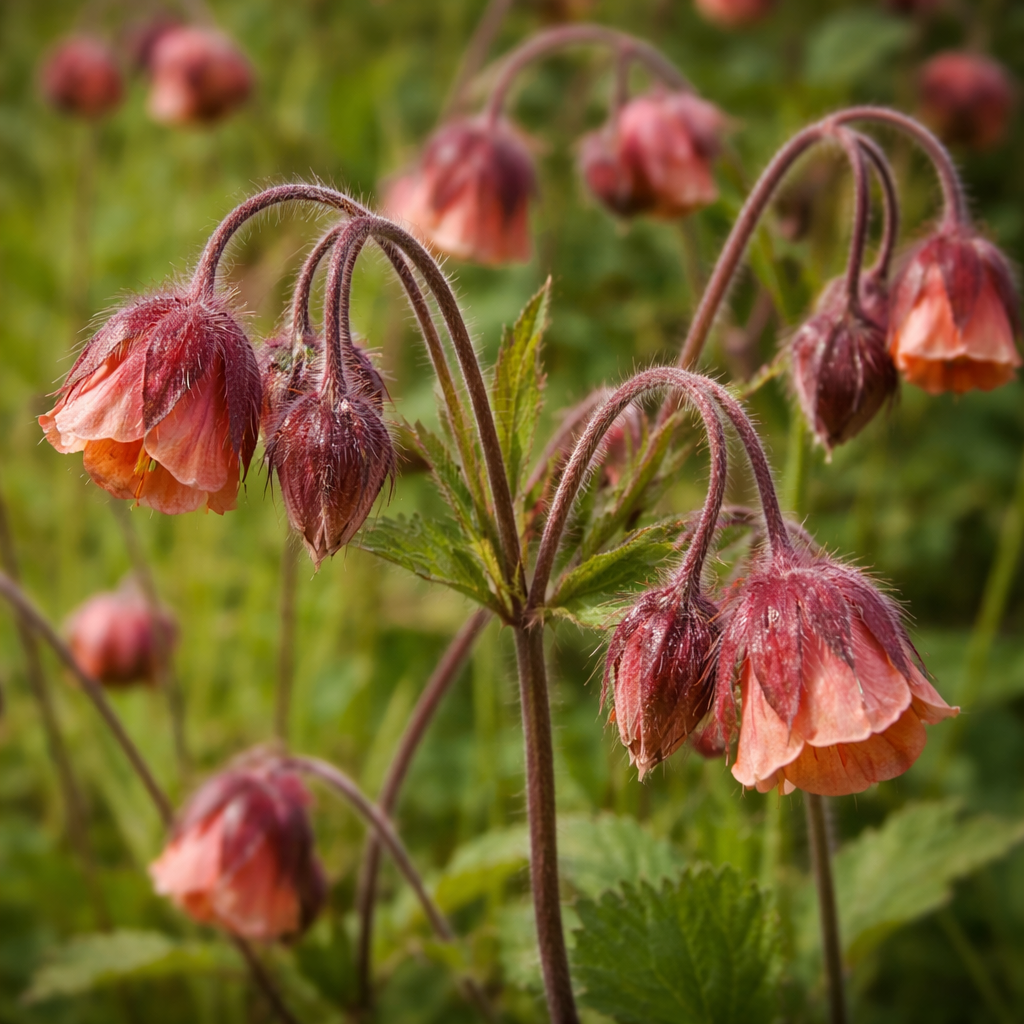
Water Avens (Geum rivale) is a native perennial that forms a graceful clump of dark green, lobed, and toothed leaves. From late spring into midsummer, slightly hairy stems carry nodding, bell-shaped flowers with purplish sepals and cream, pale yellow, or coppery-pink petals. Feathery seed heads follow the blooms and extend the plant’s ornamental season. Growing approximately 30 to 60 cm tall, this species adds delicate texture and movement to naturalistic landscapes. Exceptionally hardy in Quebec and other cold Canadian regions, it becomes dormant each winter and returns reliably in spring, gradually developing into a well-defined clump under consistently moist growing conditions.
Water Avens performs best in full sun where the soil remains consistently moist, or in partial shade where summers are warmer. It favours loamy, clay-based, or organic soil that is rich in humus and capable of retaining moisture without remaining permanently submerged. Seeds may be exposed to natural winter chilling through autumn sowing or given moist cold stratification before spring sowing. Keep the growing medium evenly moist until seedlings emerge. In gardens across Quebec and Canada, a light organic mulch, an annual application of mature compost, and regular watering during dry periods help support balanced growth, healthy foliage, and dependable flowering.
In the garden, Water Avens is well suited to rain gardens, pond margins, vegetated ditches, moist meadows, and cool woodland edges. Its nodding flowers provide nectar and pollen for bees, hoverflies, and several other beneficial insects. It combines naturally with Northern Blue Flag, Cardinal Flower, Spotted Joe-Pye Weed, and Cinnamon Fern to create layered native plantings rich in texture and ecological value. Decorative seed heads may be left standing to encourage natural reseeding and extend seasonal interest. This species is recommended primarily for ornamental, habitat, and horticultural use rather than as a food or medicinal plant, despite online searches concerning Geum rivale edible uses.

Sowing guide
It all startswith a seed.
Sowing depth
Surface sow or cover up to 3 mm
Spacing / density
30 to 45 cm (12 to 18 in)
Germination temperature
18 to 22°C after stratification
Germination time
20 to 30 days after about 60 days of cold treatment
Sowing period
Autumn or spring after cold stratification
Propagation
Stratified seed or clump division
Cold stratification
Yes
Growing method
Sow Water Avens seeds in autumn or in spring after a period of cold stratification to improve germination. Cover the seeds with approximately 5 mm of light growing medium and maintain consistent moisture until seedlings emerge. This native perennial thrives in rich, moist, well-aerated soils naturally found along streams and wetlands. Full sun to partial shade promotes vigorous growth and abundant flowering. Once established, Water Avens returns reliably year after year and quickly becomes a valuable addition to rain gardens and ecological landscapes.
Soil and care
The right care,at the right time.
Soil pH
Approximately 6.0 to 7.5
Minimum temperature
Approximately -40°C
Care level
Low to moderate
Watering
Regular; keep the soil consistently moist
Soil type
Loamy, clay-based, or organic, rich and moist soil
Fertilization
Mature compost or organic matter in spring
Moisture
High; moist to wet, rich soil
Seasonal care
In spring, remove dead or damaged leaves and apply a thin layer of compost around the clump without covering the crown. Begin monitoring soil moisture as temperatures rise, because Water Avens does not tolerate prolonged drying. During summer, water deeply whenever the surface starts to dry and renew a light mulch when necessary. Removing some spent flowers may extend blooming, while leaving selected seed heads encourages natural reseeding. Divide crowded clumps every three or four years in spring or autumn to maintain vigour. Leave some foliage standing through winter to protect the crown, provide habitat for beneficial organisms, and reduce exposure to repeated freeze-thaw cycles.
Container growing
A garden,within reach.
Recommended pot size
30 to 45 cm (12 to 18 in)
Water Avens grows well in containers at least 30 cm (12 in) wide with excellent drainage. Use a rich potting mix amended with compost and keep the soil consistently moist throughout the growing season. A location in full sun to partial shade encourages abundant flowering. Container culture is also an excellent way to enjoy this native perennial on patios and balconies while attracting pollinators.

Bloom and dimensions
Its place,in your garden.
Mature height
Approximately 60 cm
Width / spread
Approximately 45 cm
Flower color
Coppery pink, purple, cream, and pale yellow
Foliage color
Dark green
Foliage type
Deciduous
Growth rate
Moderate
Growth habit
Low rosette with upright flowering stems
Fragrance
Roots lightly clove-scented
Bloom period
May to July
Fruiting
Achenes arranged in decorative feathery seed heads
Days to maturity
May flower in the first or second year
Harvest
Mature seeds from July to September
Garden associations
In goodcompany.
Companion plants
Northern Blue Flag, Cardinal Flower, Spotted Joe-Pye Weed, Cinnamon Fern
Plants to avoid
Lavender, cotton lavender, stonecrop, and other dry-soil plants
Frequently asked questions
Your questions,answered.
When should Water Avens seeds be sown?
Water Avens seeds can be sown in autumn or in spring after cold stratification. This treatment mimics natural conditions and promotes more uniform germination.
Does Water Avens attract pollinators?
Yes. Its nectar-rich nodding flowers attract native bees, hoverflies, and many other beneficial pollinating insects.
Can Water Avens grow beside a pond or stream?
Yes. Water Avens is perfectly adapted to pond edges, rain gardens, streambanks, and other consistently moist locations.
How should Water Avens be maintained?
Regular watering during dry periods and a yearly application of compost are generally all that is needed. Spent flower stems may be removed to maintain a tidy appearance.
Why choose Water Avens for an ecological garden?
Water Avens supports local biodiversity, feeds pollinators, and helps naturalize moist landscapes. It is an excellent choice for ecological gardens inspired by native Canadian habitats.
Wildlife and pets
Life,around your plants.
Native plant
Yes
Supporting wildlife
Bees and pollinators
For a great start to your seeds
The right extras.Right here.
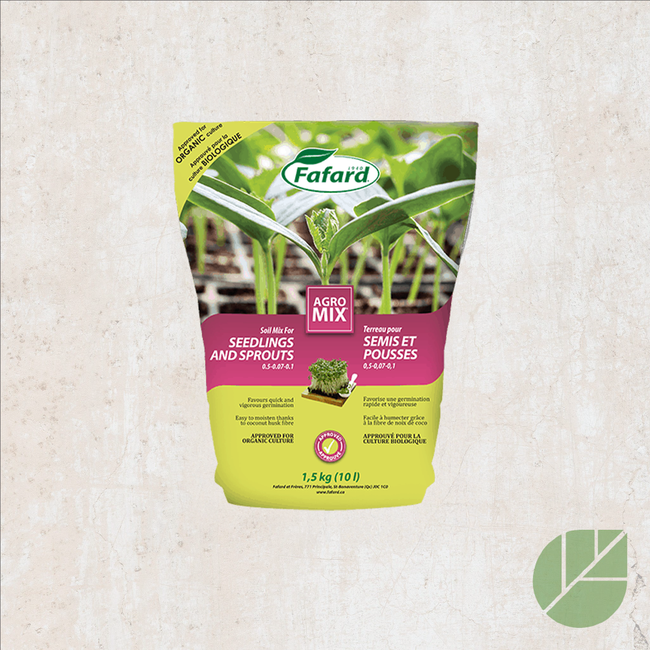
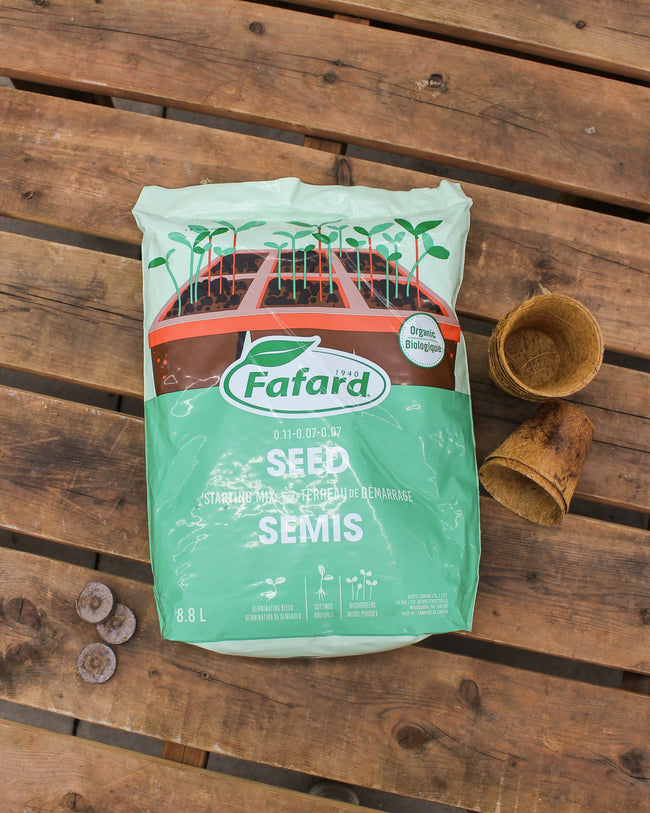
Seed Starting Soil
Shop the collectionSeed starting supplies
Shop the collection