Sale
Sold out

Perennial herb
Apiaceae
Native perennial herbs
Scotch Lovage – Seeds
Ligusticum scoticum
Product code : AKENE-0029
Hardy perennial herb with aromatic foliage reminiscent of celery. Scotch lovage tolerates wind and salt spray, attracts pollinators, and suits coastal, ecological, and edible gardens.
- Quantity
- About 50 seeds
- Exposure
- Full sun
- Life cycle
- Perennial
- Hardiness
- Zones 3 to 8
Discover the plant
Common nameScotch Lovage
FamilyApiaceae
GenusLigusticum
Speciesscoticum
Cultivar
TypePerennial herb
Botanical nameLigusticum scoticum
Reproducible seedsYes
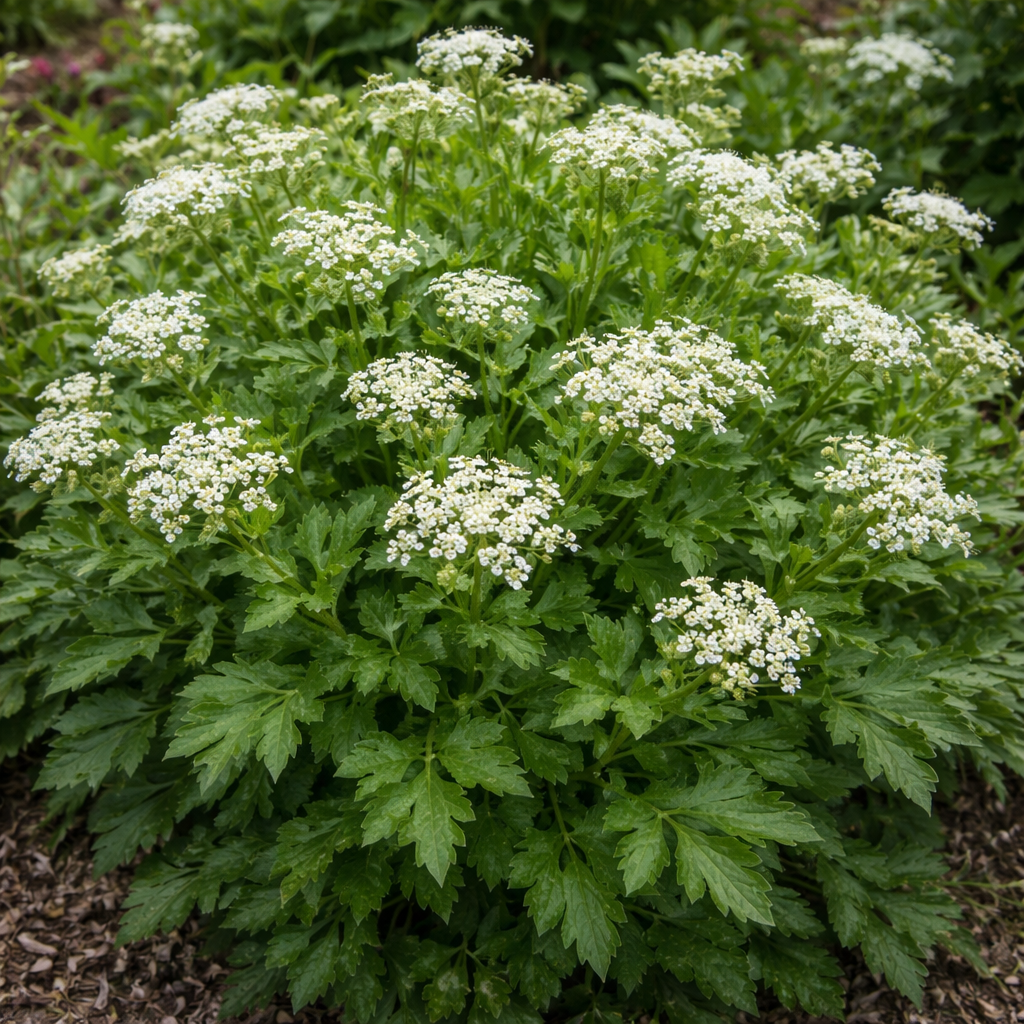
Scotch Lovage (Ligusticum scoticum) is an aromatic perennial from northern coastal regions, valued for its glossy, dark green, fragrant foliage. The fleshy leaves recall celery with a fresh, lightly maritime character, while sturdy stems carry umbels of small greenish white flowers in late summer. Reaching 30 to 60 cm, it forms a compact clump suited to edible gardens, naturalistic borders, and coastal landscapes. Exceptionally hardy, this perennial herb withstands severe Quebec winters and provides lasting culinary, ornamental, and ecological interest. Its distinctive foliage also gives northern gardens a useful edible plant that remains attractive throughout the growing season.
Scotch lovage prefers full sun and light soil that remains cool to moderately dry while draining freely. It tolerates salt spray, wind, and some soil salinity, making it especially useful near the coast, the St. Lawrence, or in exposed gardens. Moderate watering is sufficient during establishment, after which rooted plants tolerate short dry periods. A light spring application of compost supports balanced growth without unnecessarily reducing the aromatic intensity of the foliage. In Quebec, avoid heavy soil that remains waterlogged and leave part of the foliage in place through fall so it can help protect the crown naturally during winter.
Scotch lovage suits coastal gardens, perennial vegetable beds, herb gardens, and pollinator-focused landscapes. Its nectar-rich umbels attract bees, hoverflies, butterflies, and many other beneficial insects. Leaves may be harvested from June through September and used sparingly to flavour soups, fish dishes, broths, potatoes, and sauces. It pairs naturally with sea wormwood, American beachgrass, common yarrow, and wild bergamot. Its salt tolerance, cold hardiness, compact form, and edible foliage make Ligusticum scoticum particularly valuable for northern ecological gardens where gardeners want a resilient plant that supports biodiversity while also providing a distinctive seasonal harvest.

Sowing guide
It all startswith a seed.
Sowing depth
6 mm
Spacing / density
30 to 45 cm (12 to 18 in)
Germination temperature
15 to 20°C
Germination time
14 to 30 days after stratification
Sowing period
Spring or after cold stratification
Propagation
Seed or division of established clumps
Cold stratification
Yes
Growing method
Sow Scotch Lovage seeds in spring or after optional cold stratification to improve germination. Plant the seeds about 6 mm (0.25 in) deep in a light growing medium kept slightly moist. Temperatures between 15 and 20°C (59 to 68°F) generally produce germination within 14 to 30 days. Young plants thrive in full sun and well-drained soil, even in relatively poor conditions. This species tolerates salt spray and harsh coastal environments exceptionally well. Once established, it forms a hardy perennial perfectly suited to sustainable gardens throughout Canada.
Soil and care
The right care,at the right time.
Soil pH
Acidic to neutral
Minimum temperature
Approximately -40°C
Care level
Low
Watering
Moderate; allow slight drying between waterings
Soil type
Light, moist, well-drained, salt-tolerant soil
Fertilization
Light compost in spring; avoid excess nitrogen
Moisture
Medium; moist, well-drained soil
Seasonal care
In spring, remove dry leaves and accumulated debris from around the crown, then apply a thin layer of compost. During summer, water whenever the soil begins to dry, especially in the first season, without keeping the roots in stagnant moisture. Harvest outer leaves regularly while retaining enough foliage to support healthy growth. Allow the umbels to flower for pollinators or remove them after the seeds mature. In fall, retain part of the foliage as natural winter protection. Divide only clumps that have become overly crowded, preferably in spring, to minimize root disturbance.
Container growing
A garden,within reach.
Recommended pot size
20 to 30 L (5 to 8 gal)
Scotch Lovage grows well in deep containers of at least 20 to 30 L (5 to 8 gal), allowing room for its deep taproot and aromatic foliage. Use a well-drained growing medium enriched with compost while avoiding prolonged waterlogging. Place the container in full sun to mimic its natural coastal habitat. Container growing makes harvesting the flavorful leaves convenient while providing an attractive ornamental herb for patios and balconies.

Bloom and dimensions
Its place,in your garden.
Mature height
60 cm
Width / spread
45 cm
Flower color
Greenish white
Foliage color
Dark green
Foliage type
Deciduous
Growth rate
Moderate
Growth habit
Upright, compact clump
Fragrance
Aromatic, reminiscent of celery and parsley
Bloom period
July to September
Fruiting
Aromatic seeds maturing in the umbels
Days to maturity
About 90 to 120 days for a first light harvest
Harvest
Leaves from June to September; seeds in late summer
Garden associations
In goodcompany.
Companion plants
Sea wormwood, American beachgrass, common yarrow, wild bergamot
Plants to avoid
Blue flag iris, marsh marigold, ligularia, and horsetail
Recipe idea
From the gardento your plate.
Edible parts
Leaves, young shoots, stems, flowers, and seeds
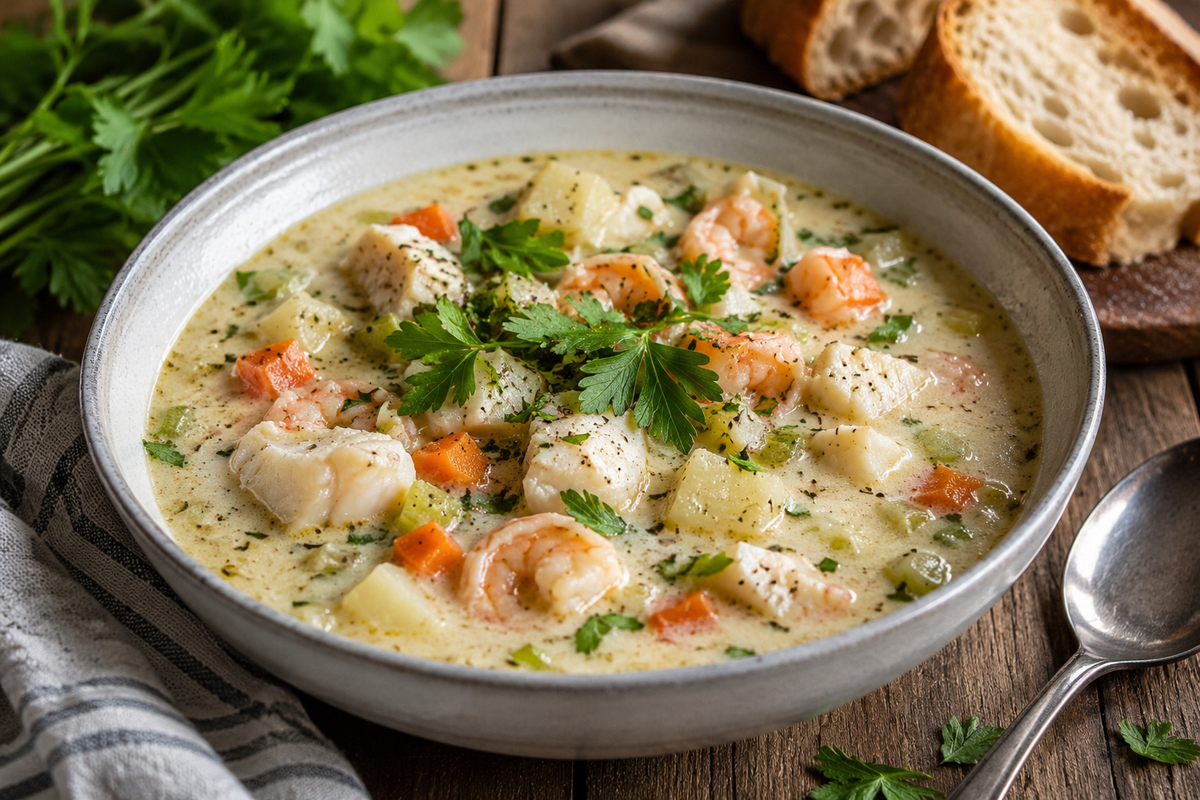
The aromatic leaves of Scotch Lovage are edible and traditionally used to season soups, fish, sauces, broths, and many classic coastal recipes. Their flavor resembles celery with fresh, slightly maritime notes that reflect the plant's natural habitat. Young shoots can be used fresh in small quantities, while mature leaves dry well for year-round use. Scotch Lovage also has a long history of traditional medicinal use in northern regions and is now appreciated as a hardy edible herb for ecological gardens and coastal landscapes.
Frequently asked questions
Your questions,answered.
When should Scotch lovage seeds be sown?
Scotch Lovage seeds are generally sown in spring or after a short period of cold stratification. This treatment often improves both germination speed and uniformity.
Are Scotch lovage leaves edible?
Yes. The aromatic leaves are widely used as a seasoning. Their flavor resembles celery with more complex coastal and herbal notes.
Why does Scotch lovage suit coastal gardens?
Scotch Lovage naturally tolerates salt spray and strong coastal winds, making it an excellent choice for gardens near shorelines, rivers, and exposed coastal sites.
Does Scotch lovage attract pollinators?
Yes. Its flower umbels attract a wide variety of bees, butterflies, and other beneficial insects, making it an excellent pollinator plant.
Is Scotch lovage easy to grow?
Yes. Once established, Scotch Lovage requires very little maintenance. Its exceptional hardiness and tolerance of difficult growing conditions make it an excellent choice for beginning gardeners.
Wildlife and pets
Life,around your plants.
Native plant
Yes
Supporting wildlife
Bees and pollinators
For a great start to your seeds
The right extras.Right here.
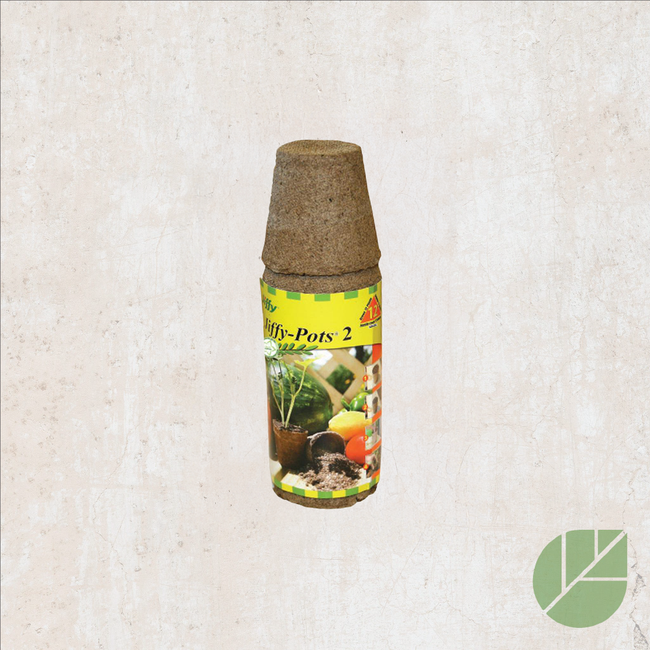
Seed Starting Soil
Shop the collectionSeed starting supplies
Shop the collection