Sale
Sold out

Green manure and pollinator plant
Boraginaceae
Green manures and pollinator plants
Lacy phacelia
Phacelia tanacetifolia
Product code :
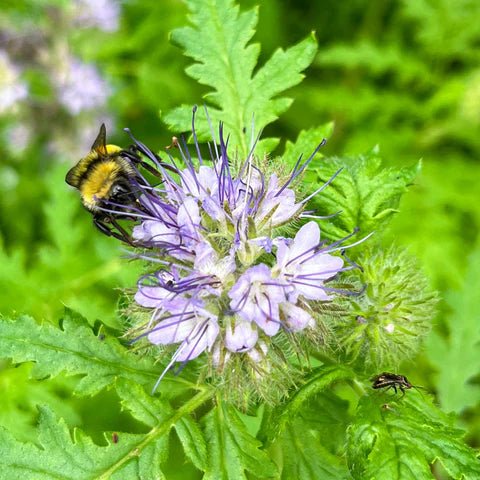
A fast-growing nectar-rich annual, lacy phacelia produces lavender-blue flowers heavily visited by pollinators. It quickly covers exposed soil and makes an excellent green manure for vegetable gardens, flowering strips, and ecological landscapes.
- Quantity
- Minimum 200 seeds
- Exposure
- Full sun to partial shade
- Life cycle
- Annual
- Hardiness
- Grown as an annual in zones 2 to 10
Discover the plant
Common nameLacy phacelia
FamilyBoraginaceae
GenusPhacelia
Speciestanacetifolia
Cultivar
TypeGreen manure and pollinator plant
Botanical namePhacelia tanacetifolia
Reproducible seedsYes
Lacy phacelia (Phacelia tanacetifolia) is a fast-growing nectar-rich annual valued for its upright stems, soft green finely divided foliage, and lavender-blue to violet flowers. Its curled flower clusters gradually unfurl, creating a light, natural, and lively effect in the garden. The abundant bloom may continue from June through September, depending on sowing time and growing conditions. Plants generally reach 60 to 100 cm tall and quickly develop a dense stand of foliage. Grown as an annual in Quebec and across Canada, lacy phacelia provides rapid ornamental impact while covering temporarily open soil in vegetable gardens, pollinator plantings, and informal landscape areas.
Lacy phacelia grows best in full sun but tolerates light partial shade. It performs well in loose, well-drained sandy to loamy soil with a pH near 6.0 to 7.5. Direct sow from spring through summer about 5 mm deep, then keep the seedbed lightly moist until seedlings emerge. Once established, plants require little watering except during extended dry periods. A modest application of compost before sowing is usually sufficient. In Quebec and other Canadian regions, succession sowing can extend the flowering period. Cut the plants before seeds fully mature when using them as green manure or when natural reseeding is not desired.
In vegetable gardens, flowering strips, and naturalistic plantings, lacy phacelia supplies abundant nectar and pollen for bees, butterflies, hoverflies, and many other beneficial insects. It is also widely grown as a cover crop and green manure because its rapid growth produces useful biomass, shields exposed soil, and helps improve soil structure when cut and incorporated before mature seed develops. It combines well with sunflowers, crimson clover, borage, cosmos, and many vegetable crops. This annual is primarily cultivated to support biodiversity, add ornamental colour, and contribute organic matter to the soil rather than as a food crop. Its generous flowers bring sustained movement and ecological value to productive gardens.

Sowing guide
It all startswith a seed.
Sowing depth
5 mm
Spacing / density
20 to 30 cm (8 to 12 in)
Germination temperature
18 to 22°C
Germination time
7 to 14 days
Sowing period
Spring through summer
Propagation
Direct sowing or natural reseeding
Growing method
Direct sow Lacy Phacelia seeds outdoors once the soil has warmed in spring or again in late summer for autumn flowering. Cover the seeds lightly with about 5 mm (0.2 in) of fine soil and maintain even moisture until germination. Seedlings emerge quickly and grow vigorously even in relatively poor soils. This annual prefers full sun but tolerates light partial shade. It is widely used as a green manure crop because it improves soil structure while suppressing weeds. Its abundant flowers attract exceptional numbers of bees and beneficial insects, and it may self-seed lightly under favorable conditions.
Soil and care
The right care,at the right time.
Soil pH
6.0 to 7.5
Minimum temperature
Approximately -5°C
Care level
Low
Drought tolerance
Yes
Watering
Light during establishment, then as needed
Soil type
Well-drained sandy to loamy soil
Fertilization
Low requirements; light compost before sowing
Moisture
Low to moderate; avoid excessive moisture
Seasonal care
In spring, prepare loose soil and sow once it has warmed sufficiently. Maintain even moisture during germination, then thin crowded seedlings. During summer, water only through extended dry periods and make succession sowings to spread out the bloom season. Remove or cut plants before seeds fully mature when natural reseeding is not wanted. For green manure use, mow the growth before flowering is completely finished and either incorporate it lightly or leave it to break down as surface mulch. In autumn, remaining plant material may be left on the ground to add organic matter and provide temporary soil protection. Clear mature seed heads first when controlling volunteers is a priority.
Container growing
A garden,within reach.
Recommended pot size
30 cm (12 in)
Lacy Phacelia grows well in containers at least 30 cm (12 in) deep filled with a light, well-drained growing medium. It flowers abundantly even in planters placed on sunny patios or balconies. Regular but moderate watering encourages vigorous growth and prolonged blooming. As both a green manure crop and an outstanding nectar plant, it also brings valuable biodiversity to small urban spaces.

Bloom and dimensions
Its place,in your garden.
Mature height
100 cm
Width / spread
60 cm
Flower color
Lavender-blue to violet
Foliage color
Soft green
Foliage type
Annual, finely divided
Growth rate
Fast
Growth habit
Upright, branching and fast-covering
Fragrance
Flowers with a light honey scent
Bloom period
June through September
Fruiting
Achenes
Days to maturity
Flowers approximately 6 to 8 weeks after sowing
Harvest
Mature seeds from July through September
Garden associations
In goodcompany.
Companion plants
Sunflowers, crimson clover, borage, cosmos, and vegetables
Plants to avoid
Invasive thistles and highly competitive weeds
Frequently asked questions
Your questions,answered.
When should lacy phacelia seeds be sown?
Direct sow Lacy Phacelia from spring until mid-summer. Successive sowings provide continuous flowering for pollinators throughout the growing season.
Why does lacy phacelia attract so many bees?
Its flowers produce exceptional amounts of nectar, making them one of the best food sources for honey bees and many native pollinators.
Can lacy phacelia be used as green manure?
Yes. Lacy Phacelia is widely grown as a green manure because it quickly produces abundant biomass that enriches and improves the soil.
Is lacy phacelia an annual or a perennial?
Yes. It is valued for its rapid growth and exceptional ease of cultivation, making it suitable for both beginner gardeners and market growers.
Can lacy phacelia be grown in Quebec?
Yes. Lacy Phacelia performs exceptionally well during Canadian summers and flowers abundantly throughout the growing season.
Wildlife and pets
Life,around your plants.
Reported toxicity
Yes
Supporting wildlife
Bees, butterflies, and pollinators
For a great start to your seeds
The right extras.Right here.
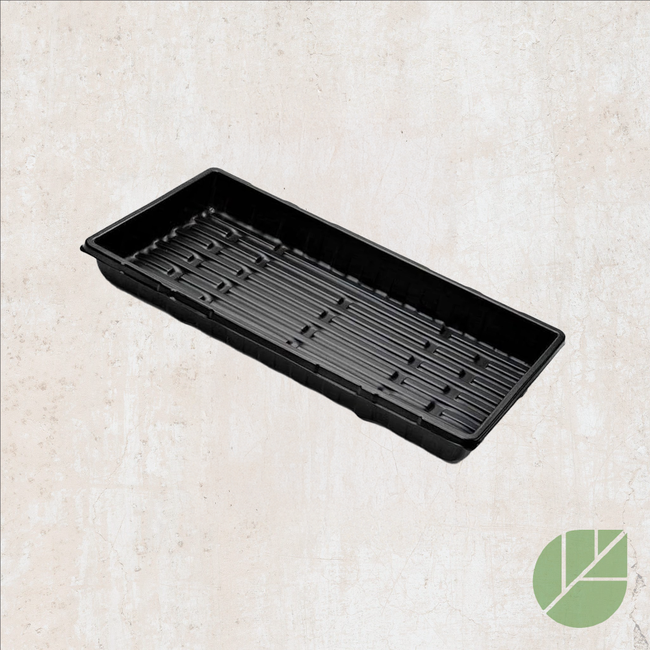
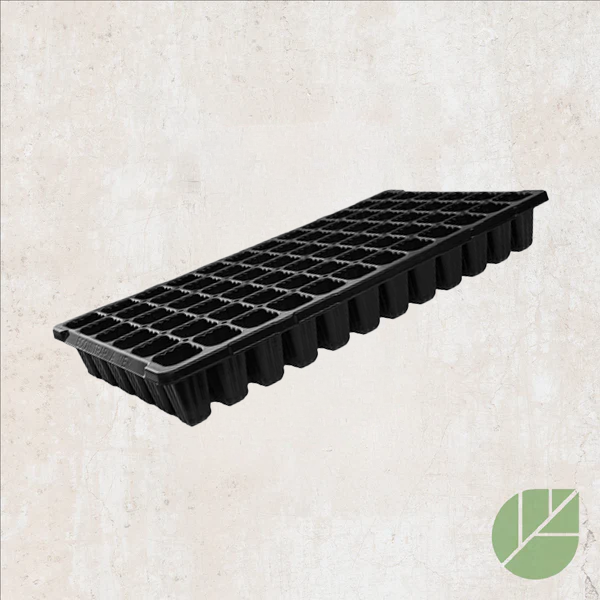
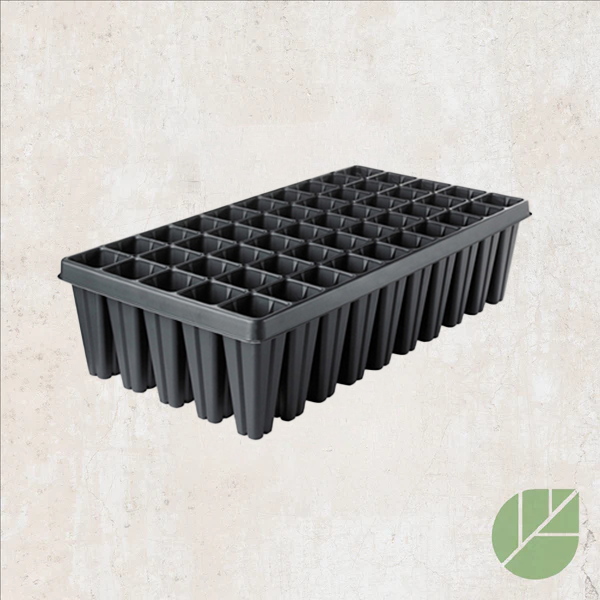
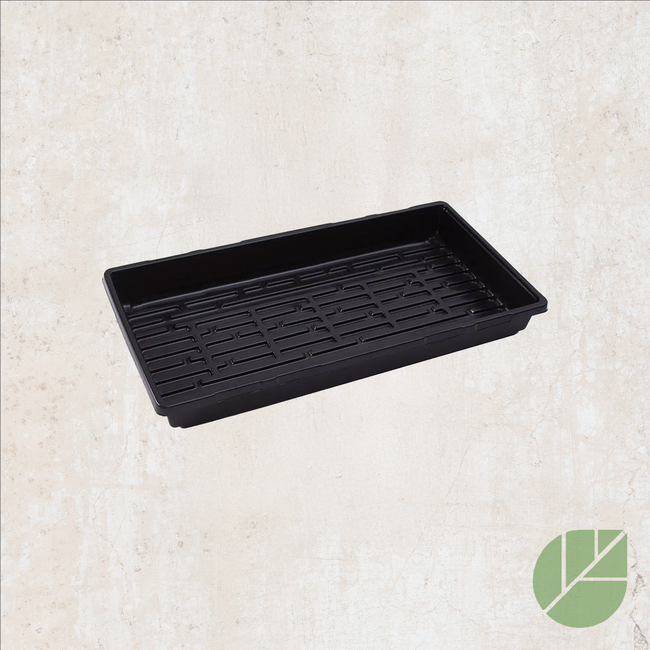
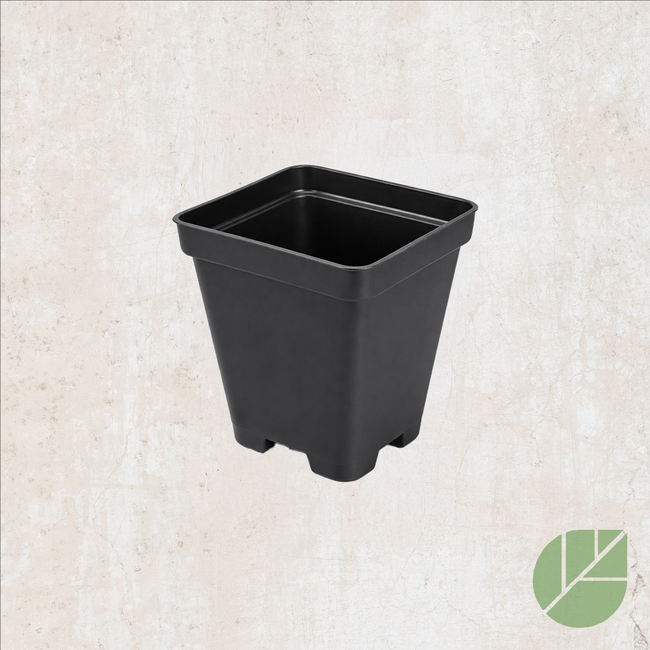
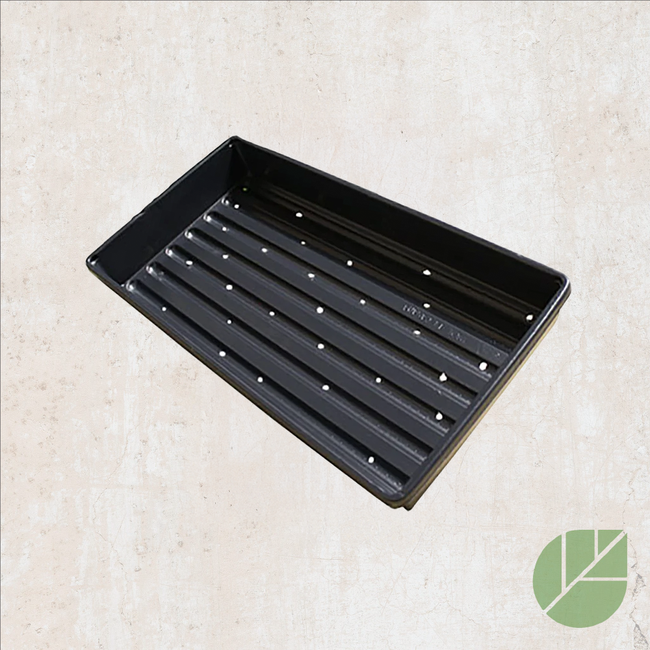
Platters, pots and domes
Shop the collection


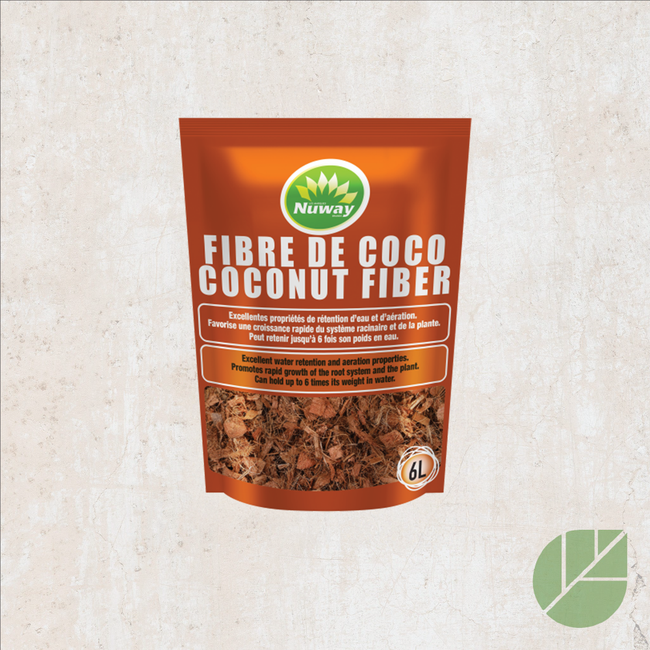
Seed Starting Soil
Shop the collectionSeed starting supplies
Shop the collection