Sale
Sold out

Shrub
Rosaceae
Edible native roses for wet sites
Swamp Rose
Rosa palustris
Product code : AKENE-0046
Native wetland shrub with fragrant pink flowers and edible rose hips.
- Quantity
- Approximately 50 seeds
- Exposure
- Full sun to partial shade
- Life cycle
- Perennial
- Hardiness
- 3 to 8
Discover the plant
Common nameSwamp Rose
FamilyRosaceae
GenusRosa
Speciespalustris
TypeShrub
Botanical nameRosa palustris
Reproducible seedsYes
Swamp Rose (Rosa palustris) is an elegant native shrub from wet habitats, recognized for its large fragrant pink flowers, green deciduous foliage, and decorative red rose hips. Its spring to summer bloom brightens natural gardens while attracting bees, butterflies, and many pollinating insects. Its dense graceful habit creates a remarkable presence in rain gardens, streamside plantings, and ecological landscapes. Extremely hardy, it provides lasting beauty well suited to Canadian and Quebec environments.
Swamp Rose (Rosa palustris) prefers rich, moist to wet, slightly acidic soils with full sun to partial shade exposure. Throughout Quebec and Canada, it is especially valuable in damp areas where many shrubs struggle to establish. Regular watering helps maintain favourable conditions during dry periods. An annual application of mature compost supports healthy growth. Once established, this shrub requires little maintenance and withstands harsh winters reliably.
Swamp Rose (Rosa palustris) is used in rain gardens, streamside landscapes, native plantings, and biodiversity-focused designs. Its edible rose hips can be harvested in autumn for teas, jellies, and syrups. The fruits also provide food for birds and small wildlife during colder months. Combined with blue flag iris, red-osier dogwood, and spotted joe-pye weed, it creates a natural landscape rich in colour, seasonal interest, and ecological resources.

Sowing guide
It all startswith a seed.
Sowing depth
10 mm (0.4 in)
Spacing / density
1.5 to 2 m (5 to 6.5 ft)
Germination temperature
20 to 22 °C
Germination time
60 to 180 days after warm and cold stratification
Sowing period
Fall or spring after scarification and stratification
Propagation
Seeds after scarification and stratification, suckers, or cuttings.
Cold stratification
Yes
Growing method
Sow Swamp Rose seeds in autumn or spring after scarification followed by cold stratification to overcome natural dormancy. Plant the seeds about 10 mm (0.4 in) deep in a rich growing medium that remains moist but never waterlogged. Germination is often slow and may require several months of patience. Young plants thrive in acidic to neutral soils that remain cool and moist throughout the growing season. This native shrub is especially well suited to rain gardens, riparian landscapes, and ecological restoration projects where it develops into a beautiful flowering shrub with exceptional wildlife value.
Soil and care
The right care,at the right time.
Soil pH
Acidic to neutral
Minimum temperature
-40 °C (-40 °F)
Care level
Moderate
Watering
Regular to maintain moist soil
Soil type
Moist to wet, organic-rich soil
Fertilization
Mature compost in spring
Moisture
High; moist to wet soil
Seasonal care
Remove dead branches, maintain moisture, and perform light late-winter pruning.
Container growing
A garden,within reach.
Recommended pot size
40 to 60 L (10 to 16 gal)
Swamp Rose can be grown successfully in a large container of at least 40 to 60 L (10 to 16 gal), providing sufficient room for its vigorous root system. Use an organic-rich growing medium that retains moisture while offering good drainage. Place the container in full sun to partial shade and monitor watering carefully during hot weather. This allows gardeners to enjoy its beautiful pink flowers and decorative rose hips even in smaller spaces.

Bloom and dimensions
Its place,in your garden.
Mature height
3 m
Width / spread
3 m
Flower color
Bright pink
Foliage color
Green
Foliage type
Deciduous
Growth rate
Moderate
Growth habit
Shrubby, upright, and suckering
Fragrance
Lightly fragrant flowers
Bloom period
Spring and early summer
Fruiting
Red rose hips in autumn
Harvest
September to November

Garden associations
In goodcompany.
Companion plants
Blue flag iris, red-osier dogwood, spotted joe-pye weed, steeplebush
Plants to avoid
Lavender, santolina, sedum, blanket flower
Recipe idea
From the gardento your plate.
Edible parts
Rose hips and petals from untreated plants
The rose hips of Swamp Rose are edible once fully ripe, especially after the first frost. They are traditionally used to prepare herbal teas, jellies, syrups, and many vitamin C-rich recipes. The flower petals may also be used to garnish desserts or flavor specialty dishes. This native shrub also has a long history of traditional medicinal use throughout North America.
Frequently asked questions
Your questions,answered.
When should Swamp Rose be sown?
Swamp Rose seeds can be sown in autumn or spring after scarification and cold stratification. These treatments greatly improve germination and reproduce the species' natural life cycle.
Are the fruits edible?
Yes. The rose hips are edible when fully ripe and are widely used for herbal teas, jellies, syrups, and other vitamin C-rich recipes.
Why does this shrub attract pollinators?
Its fragrant, pollen-rich flowers attract a remarkable diversity of bees, butterflies, and other beneficial insects, making it an important early-season food source.
Can it be used in a rain garden?
Yes. Swamp Rose is one of the best native shrubs for rain gardens and wet landscapes. It tolerates consistently moist soils while helping stabilize streambanks and low-lying areas.
Is it easy to grow?
Yes. Once established, Swamp Rose requires very little maintenance. It is exceptionally hardy and returns reliably each year with abundant flowers and decorative rose hips.
Wildlife and pets
Life,around your plants.
Attracts birds
Yes
Native plant
Yes
Supporting wildlife
Bees and pollinators
For a great start to your seeds
The right extras.Right here.
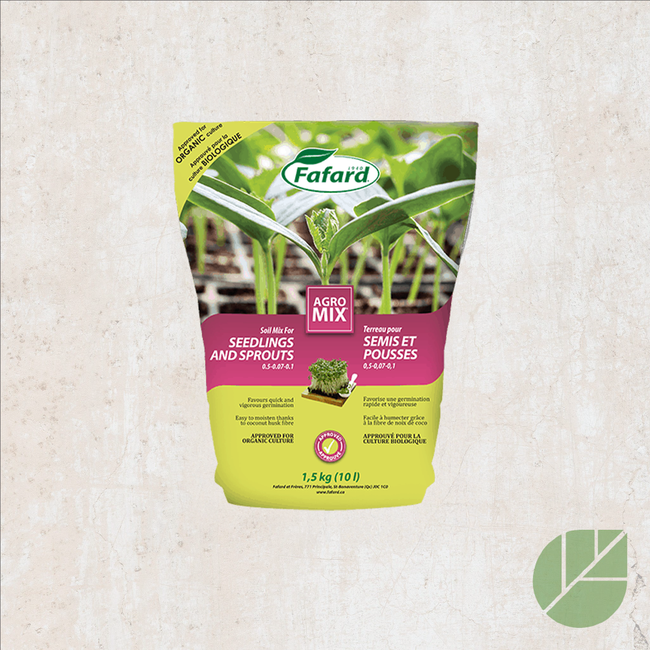
Seed Starting Soil
Shop the collectionSeed starting supplies
Shop the collection