Sale
Sold out

Thorny fruiting shrub
Elaeagnaceae
Hardy fruit-bearing shrubs
Sea Buckthorn – Seeds
Hippophae rhamnoides
Product code :
This exceptionally hardy fruiting shrub produces tart orange berries and adapts to poor soil. Its suckering root system helps stabilize slopes, while its dense growth makes it suitable for windbreak hedges in northern gardens.
- Quantity
- Minimum 25 seeds
- Exposure
- Full sun
- Life cycle
- Perennial
- Hardiness
- USDA Zones 2 to 7
Discover the plant
Common nameSea Buckthorn
FamilyElaeagnaceae
GenusHippophae
Speciesrhamnoides
Cultivar
TypeThorny fruiting shrub
Botanical nameHippophae rhamnoides
Reproducible seedsYes
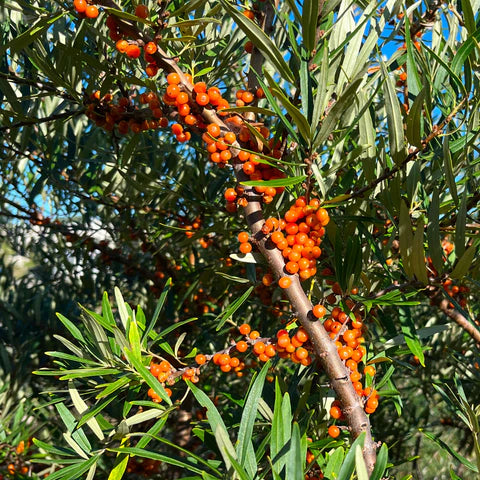
Sea Buckthorn (Hippophae rhamnoides) is a thorny fruiting shrub with narrow, silvery-green deciduous leaves, valued for its bright appearance and exceptional cold hardiness. Its small yellowish-green spring flowers are visually modest because the species is mainly wind pollinated. Fertilized female plants later carry abundant clusters of vivid orange sea buckthorn berries that often remain attractive into autumn. The shrub may reach 2 to 6 m tall and gradually form a dense stand through root suckers. Hardy in Zones 2 to 7, it withstands severe winters, strong winds, and challenging conditions found throughout Quebec and other cold regions of Canada.
Sea Buckthorn requires full sun for vigorous growth and dependable fruit production. It prefers sandy to loamy, well-drained ground and tolerates poor, dry, or mildly saline soil. Root associations with nitrogen-fixing microorganisms allow the shrub to perform with little added fertilizer. Its seeds generally benefit from moist cold stratification before spring sowing. Water young plants regularly while their root systems establish, then reduce irrigation once they are growing strongly. Hippophae rhamnoides is dioecious, meaning male and female flowers occur on separate plants. Since the sex of seedlings cannot be predicted in advance, sowing and retaining several plants improves the likelihood of obtaining both pollen-producing males and fruit-bearing females.
In the garden, Sea Buckthorn is useful for windbreak hedges, defensive screens, dry slopes, northern orchards, and soil stabilization projects. Its suckering roots help secure loose ground but should be monitored to prevent unwanted spread beyond the designated area. Properly identified ripe fruit from female plants has a distinctly tart flavour and can be prepared as sea buckthorn juice, jelly, jam, syrup, sauce, or smoothies. Combine this shrub with Serviceberry, Chokeberry, viburnums, or hardy roses in spacious edible landscapes. Its dense branching also provides useful cover for birds, while the colourful berries extend the ornamental and food-producing value of resilient gardens across Quebec and Canada.

Sowing guide
It all startswith a seed.
Sowing depth
About 5 mm
Spacing / density
2 to 4 m (6.5 to 13 ft)
Germination temperature
18 to 22°C after stratification
Germination time
10 to 30 days after stratification
Sowing period
Spring after cold stratification, or autumn
Propagation
Stratified seed, cuttings, or sucker division
Cold stratification
Yes
Growing method
Sow Sea Buckthorn seeds after 60 to 90 days of cold stratification to improve germination. Use a well-drained growing medium and maintain consistent moisture without waterlogging. Germination usually occurs within several weeks at moderate temperatures. Hippophae rhamnoides thrives in full sun and tolerates poor soils exceptionally well. Because it naturally fixes atmospheric nitrogen, it also improves soil fertility. Remember that at least one male plant is required to pollinate female plants and produce fruit.
Soil and care
The right care,at the right time.
Soil pH
Approximately 6.0 to 8.0
Minimum temperature
Approximately -40°C
Care level
Low to moderate
Drought tolerance
Yes
Watering
Regular during establishment; low to moderate afterward
Soil type
Sandy to loamy, poor, and well drained
Fertilization
Minimal; light compost without excess nitrogen
Moisture
Low to moderate; requires excellent drainage
Seasonal care
In spring, remove dead, broken, or poorly positioned wood before bud break. Apply only a thin layer of compost when the soil is exceptionally poor, since Sea Buckthorn naturally fixes nitrogen. Water young shrubs during dry periods to support establishment. Throughout summer, monitor root suckers around each plant and remove those spreading beyond the designated area. Harvest the berries when they are fully orange and juicy, generally from late summer into autumn. After harvest, avoid severe pruning that would unnecessarily remove productive branches or disrupt the balanced framework of male and female plants.
Container growing
A garden,within reach.
Recommended pot size
50 to 75 L
Sea Buckthorn can be grown in large, deep containers during its first few years provided excellent drainage is maintained. Because this shrub develops an extensive root system, it performs best when eventually transplanted into the ground. A light growing medium enriched with compost promotes healthy establishment, while container culture provides an excellent way to start young plants before permanent planting.
Bloom and dimensions
Its place,in your garden.
Mature height
Approximately 6 m
Width / spread
Approximately 4 m without sucker control
Flower color
Yellowish green
Foliage color
Silvery green
Foliage type
Deciduous
Growth rate
Fast
Growth habit
Upright, thorny, suckering and vigorous shrub
Fragrance
Inconspicuous flowers with little fragrance
Bloom period
April to May
Fruiting
Tart orange berries on pollinated female plants
Days to maturity
First fruiting generally after 3 to 4 years
Harvest
August to October, depending on climate
Garden associations
In goodcompany.
Companion plants
Serviceberry, Chokeberry, viburnum, and hardy rose
Plants to avoid
Black Walnut and highly competitive large trees
Recipe idea
From the gardento your plate.
Edible parts
Ripe berries
Sea Buckthorn berries are exceptionally rich in vitamin C and are widely used to prepare juices, jellies, jams, syrups, sauces, and preserves. Their bright, tangy flavor adds a unique fruity note to many recipes. The berries freeze well after harvest for long-term storage and are also popular in smoothies and traditional herbal preparations.
Frequently asked questions
Your questions,answered.
When should Sea Buckthorn seeds be sown?
Sea Buckthorn seeds are generally sown after a period of cold stratification and can be started either in spring or autumn.
Why is my Sea Buckthorn not producing fruit?
Fruit production usually requires at least one male Sea Buckthorn plant to pollinate nearby female plants.
Do several Sea Buckthorn plants need to be grown?
Yes. For an abundant harvest, plant one male shrub for several female shrubs.
Is Sea Buckthorn hardy in Quebec?
Yes. Sea Buckthorn is exceptionally hardy and easily withstands the severe winters found across most regions of Canada.
When should Sea Buckthorn berries be harvested?
The berries are generally harvested from late summer through early autumn once they have developed their characteristic bright orange color.
Wildlife and pets
Life,around your plants.
Attracts birds
Yes
Supporting wildlife
Pollinators
For a great start to your seeds
The right extras.Right here.
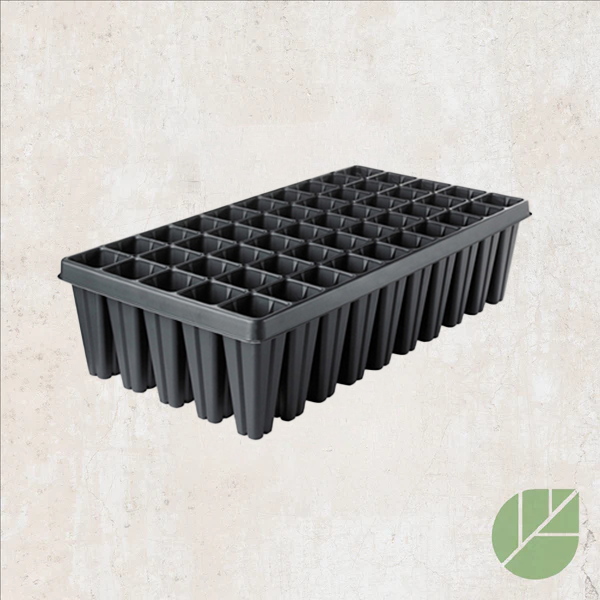
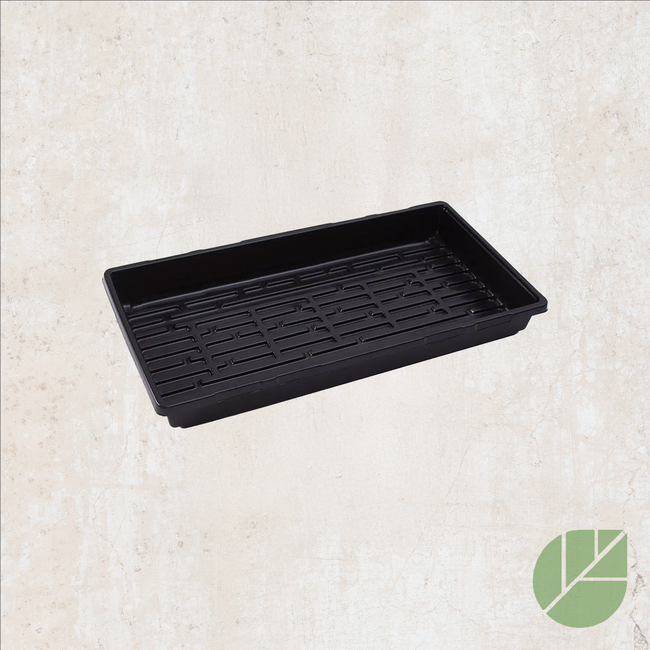
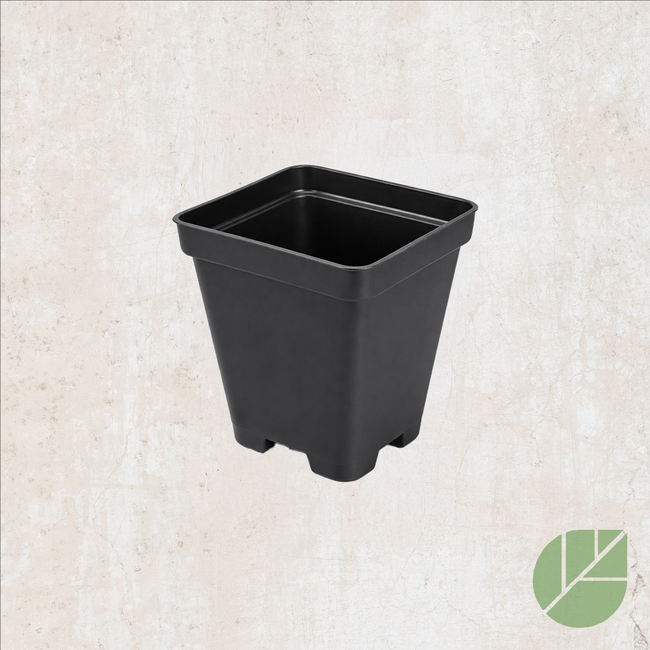
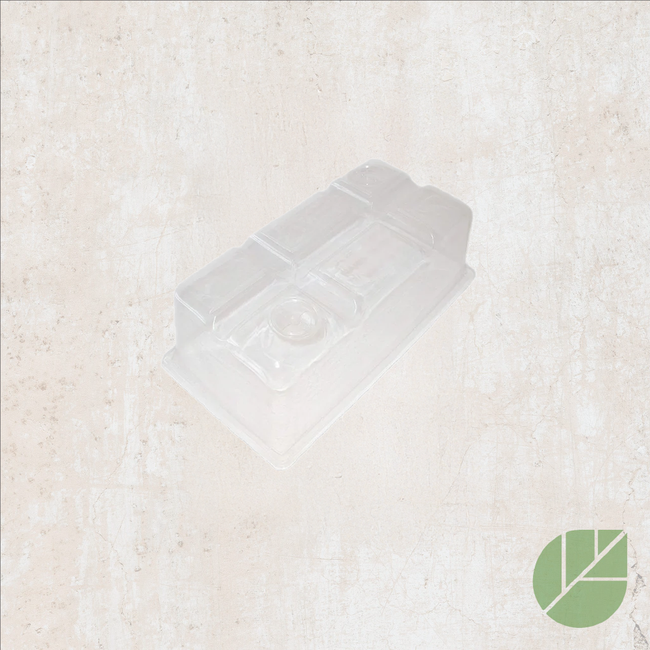
Platters, pots and domes
Shop the collection
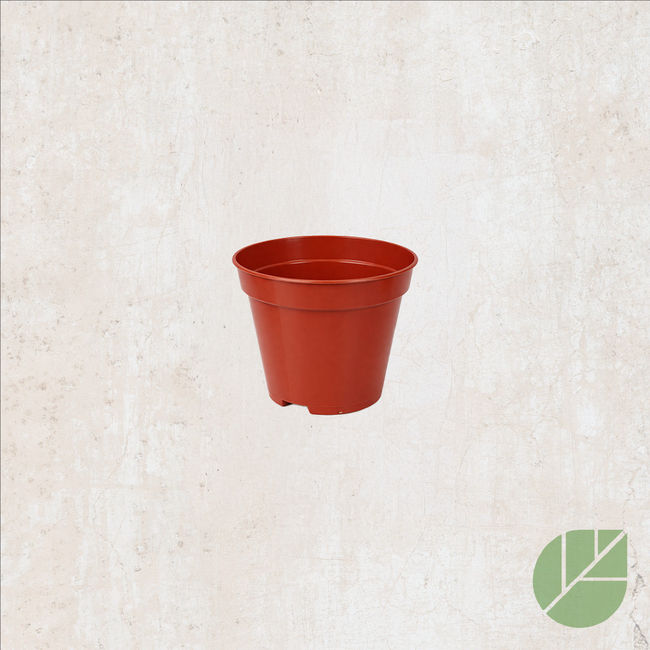
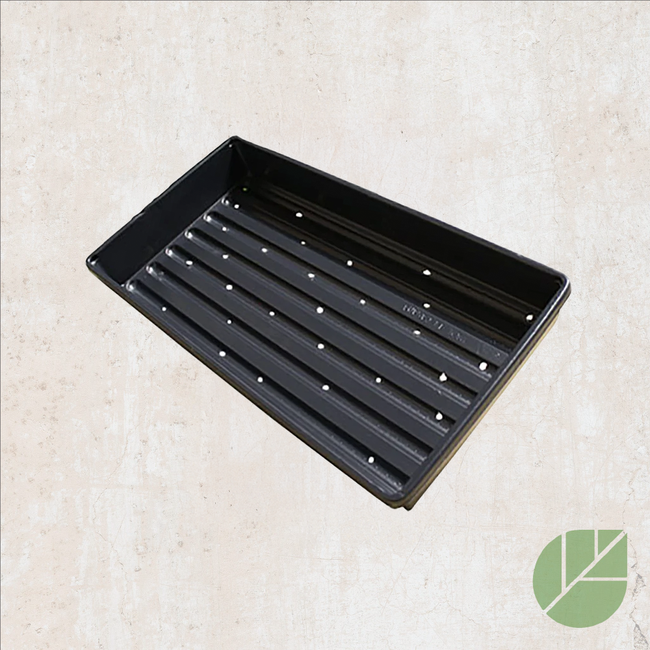
Seed Starting Soil
Shop the collectionSeed starting supplies
Shop the collection