


Sale
Sold out

Native annual
Asteraceae
Native annuals for naturalistic gardens
Sweet Everlasting – Seeds
Pseudognaphalium obtusifolium
Product code :
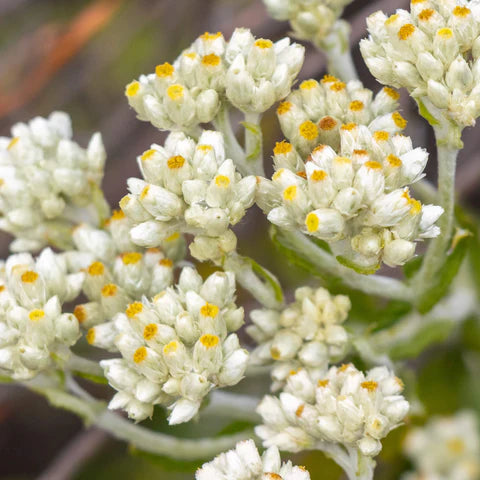
Native annual with silvery grey foliage and small creamy white flower clusters. Sweet everlasting tolerates poor, dry soils while supporting late-season pollinators in naturalized and ecological gardens.
- Quantity
- About 750 seeds
- Exposure
- Full sun to light partial shade
- Life cycle
- Annual
- Hardiness
- Seeds hardy in Zones 3 to 8
Discover the plant
Common nameSweet Everlasting
FamilyAsteraceae
GenusPseudognaphalium
Speciesobtusifolium
Cultivar
TypeNative annual
Botanical namePseudognaphalium obtusifolium
Reproducible seedsYes
Sweet Everlasting (Pseudognaphalium obtusifolium) is a native annual with an upright habit, narrow leaves covered in silvery grey hairs, and a mild aromatic scent. Branched stems carry small creamy white flower heads in dense clusters from late summer into fall. Their papery bracts retain their shape for an extended period, providing ornamental interest after active flowering has ended. Reaching 30 to 90 cm in height, this airy plant blends naturally into meadows, rock gardens, and informal wildlife plantings. Its seeds overwinter in the soil and may produce new plants in following seasons when open ground, light, and suitable moisture remain available.
Sweet everlasting performs best in full sun but tolerates light partial shade in bright locations. It thrives in sandy to loamy soil that is poor to moderately fertile, dry to lightly moist, and exceptionally well drained. The fine seeds should be surface sown because exposure to light supports germination. Light, regular watering is useful during emergence and early establishment, after which rooted plants tolerate dry periods well. Fertilizer is rarely needed, and overly rich soil may produce softer, less compact stems. In Quebec, fall sowing naturally exposes the seeds to seasonal conditions, while spring sowing can follow a brief period of moist cold stratification.
Sweet everlasting suits dry slopes, sandy sites, naturalized meadows, and low-maintenance pollinator gardens. Its late flowers provide nectar and pollen for bees, butterflies, and other beneficial insects when fewer floral resources remain available. The silvery foliage pairs naturally with goldenrods, black-eyed Susans, wild bergamot, and butterfly milkweed. Dry stems and flower heads may be left standing until spring to preserve seeds, provide winter structure, and shelter small organisms. This native annual contributes useful seasonal texture and biodiversity without demanding rich soil, frequent irrigation, or intensive care, making it especially valuable in ecological landscapes and restoration plantings.

Sowing guide
It all startswith a seed.
Sowing depth
Surface sow
Spacing / density
45 to 60 cm (18 to 24 in)
Germination temperature
18 to 22°C
Germination time
10 to 21 days with light
Sowing period
Fall or spring after cold stratification
Propagation
Seed and natural self-seeding
Growing method
Surface sow Sweet Everlasting seeds in autumn or spring after cold stratification, as light is required for successful germination. Keep the growing medium lightly moist until seedlings emerge. This native annual thrives in poor to moderately fertile, well-drained soils and develops the best form and silvery foliage in full sun. It readily self-seeds when conditions are favorable, tolerates drought well, and requires very little maintenance. Sweet Everlasting is an outstanding choice for natural gardens and biodiversity-focused landscapes.
Soil and care
The right care,at the right time.
Soil pH
5.5 to 7.5
Minimum temperature
Approximately -40°C for dormant seeds
Care level
Low
Drought tolerance
Yes
Watering
Light during establishment; low afterward
Soil type
Sandy to loamy, poor, well-drained soil
Fertilization
Rarely needed; light compost only
Moisture
Low; prefers dry, well-drained soil
Seasonal care
In spring, monitor emerging seedlings and remove weeds that could overwhelm them. Water lightly whenever the soil surface dries during the first few weeks, then reduce irrigation once roots are established. Avoid rich fertilizers, which encourage weak stems and less compact growth. During summer, supplemental watering is usually needed only through prolonged drought. In fall, retain several stems and flower heads so the seeds can mature and self-sow naturally. Dry stems may remain standing through winter for structure and habitat, then be removed before new seedlings emerge in spring.
Container growing
A garden,within reach.
Recommended pot size
30 to 40 cm (12 to 16 in)
Sweet Everlasting grows well in containers at least 30 to 40 cm (12 to 16 in) deep filled with a light, sharply drained growing medium. Once established, it tolerates relatively dry conditions exceptionally well. A sunny location encourages dense silvery foliage and abundant flowering. Container culture also provides better drainage during extended rainy periods.

Bloom and dimensions
Its place,in your garden.
Mature height
90 cm
Width / spread
40 cm
Flower color
Creamy white
Foliage color
Silvery grey-green
Foliage type
Deciduous
Growth rate
Moderate
Growth habit
Upright, branching and woolly
Fragrance
Aromatic foliage with soft hay and maple notes
Bloom period
August to October
Fruiting
Small achenes with bristly pappus
Days to maturity
Flowers and produces seed in the first year
Harvest
September to October
Garden associations
In goodcompany.
Companion plants
Goldenrods, black-eyed Susans, wild bergamot, butterfly milkweed
Plants to avoid
Blue flag iris, cardinal flower, marsh marigold, horsetail
Frequently asked questions
Your questions,answered.
When should sweet everlasting seeds be sown?
Sweet Everlasting seeds can be sown in autumn or spring. Surface sowing is important because light promotes successful germination.
Does sweet everlasting attract pollinators?
Yes. Its late-season flowers provide nectar and pollen for native bees, butterflies, and many other beneficial insects when floral resources become scarce.
Can sweet everlasting grow in poor soil?
Yes. Sweet Everlasting thrives in sandy, low-fertility soils where many other plants struggle to grow.
Does sweet everlasting self-seed?
Absolutely. Its native status, drought tolerance, and exceptional value for pollinators make it an excellent choice for ecological and biodiversity-focused landscapes.
What care does sweet everlasting require?
The leaves and flowering tops can be harvested during the growing season and dried in a well-ventilated location for later use in traditional herbal preparations.
Wildlife and pets
Life,around your plants.
Native plant
Yes
Supporting wildlife
Butterflies and bees
For a great start to your seeds
The right extras.Right here.
Seed Starting Soil
Shop the collectionSeed starting supplies
Shop the collection





