


Trees and shrubs
Balsam Fir 'Tyler Blue'
Balsam fir
Products and available quantities may vary between Brossard and Laval. To check a store’s inventory, please contact us directly.
Even better: visit us in store to discover the full selection available!
- Exposure
- Sun to partial shade
- Hardiness
- Zone 3
Discover the plant
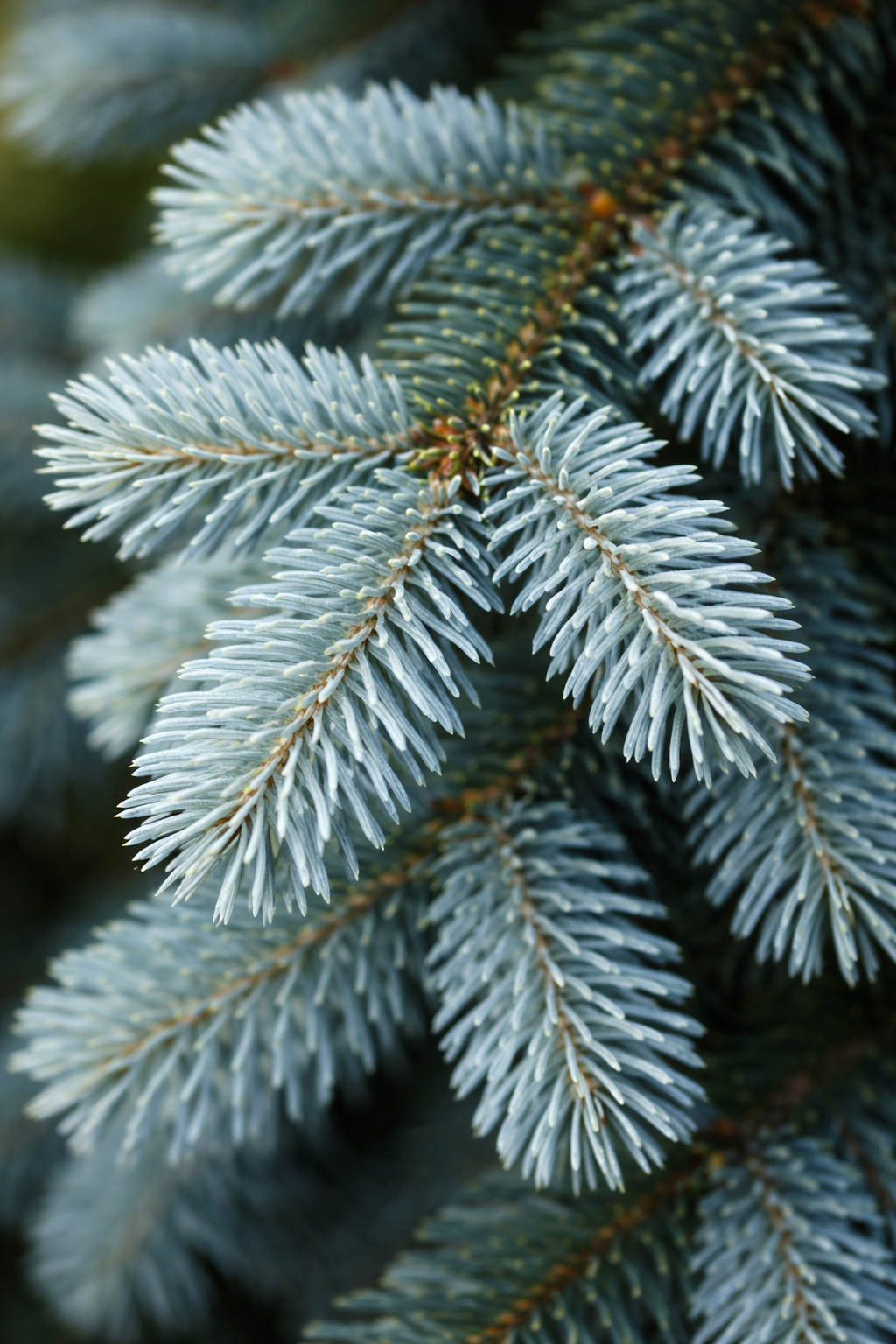
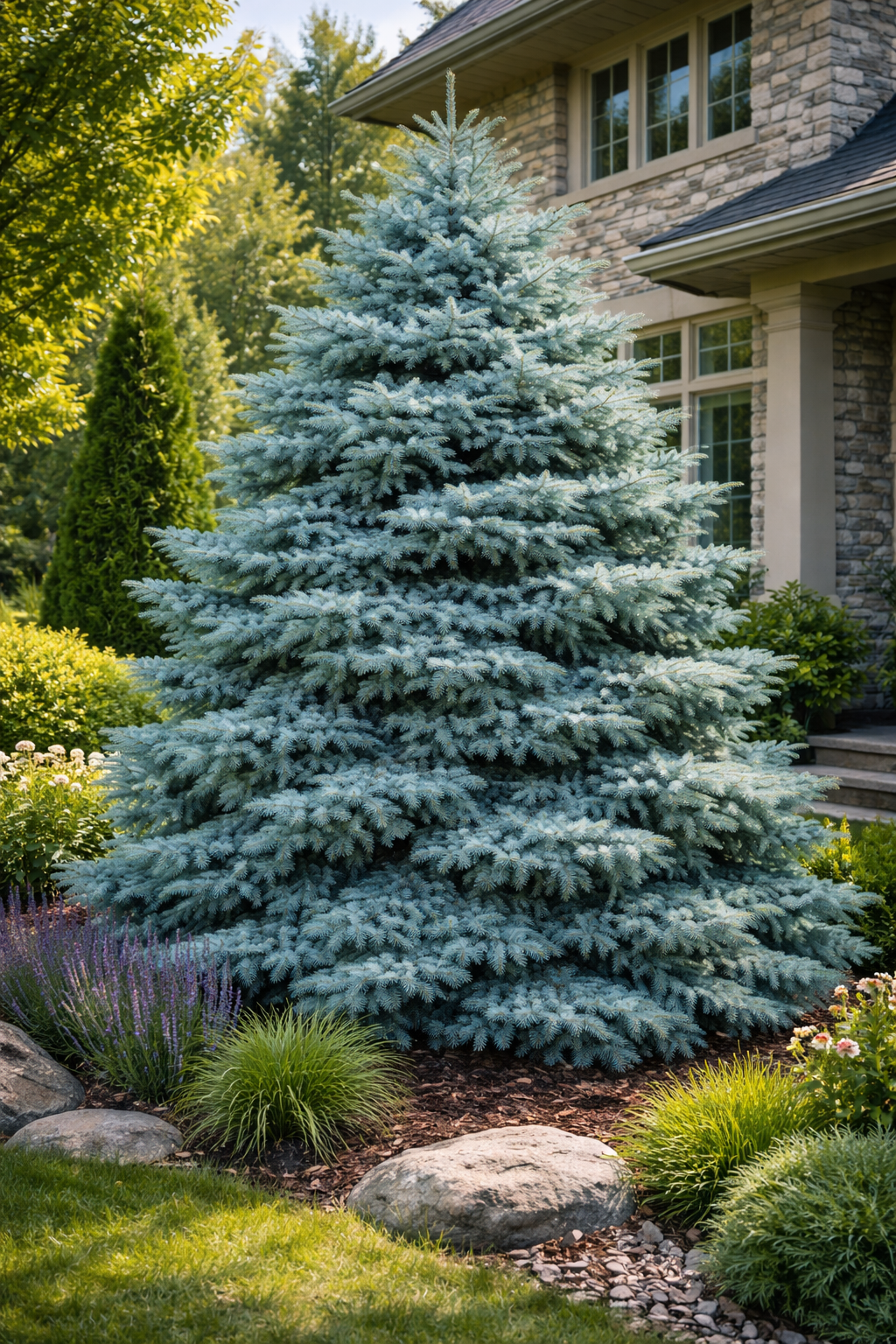
Balsam Fir ‘Tyler Blue’ (Abies balsamea ‘Tyler Blue’). Abies balsamea ‘Tyler Blue’, or Balsam Fir ‘Tyler Blue’, is a remarkable ornamental selection distinguished by its luminous, silver-blue foliage, a rare and highly sought-after characteristic in balsam firs. Its dense, naturally regular conical habit gives it an elegant silhouette that easily structures a landscape design. Its evergreen foliage remains attractive all year round and releases a pleasant resinous scent when brushed against, reminiscent of the authentic character of boreal forests. Thanks to its cool and refined coloration, it provides a striking contrast with green foliage, colorful perennials, natural stones, or snowy settings.
With its moderate growth and well-balanced pyramidal habit, Abies balsamea ‘Tyler Blue’ can be used as an accent tree, focal point, structural conifer, or solitary planting in medium to large gardens. Its bluish hue allows it to stand out visually in mixed borders, larger rockeries, conifer compositions, or Nordic-inspired landscapes. It is also very suitable for projects where a persistent, luminous, and durable presence is desired without creating too heavy an effect. Planted alone, it quickly becomes a centerpiece; in groups, it adds depth, texture, and beautiful visual continuity.
Very hardy and well adapted to cold climates, Balsam Fir ‘Tyler Blue’ prefers well-drained, slightly acidic, and cool soil, as well as exposure ranging from full sun to partial shade. Regular watering during the first seasons helps ensure good establishment and promotes strong rooting. Once established, it requires little maintenance and naturally retains its conical shape without significant pruning. Its deer resistance, winter beauty, and silver-blue foliage make it an exceptional conifer for creating an elegant, robust, and durable landscape.

Planting guide
From planting to establishment.
Soil and care
The right care,at the right time.
Soil pH
Minimum temperature
Care level
Watering
Soil type
Fertilization
Moisture
Seasonal care
Container growing
A garden,within reach.
Bloom and dimensions
Its place,in your garden.
Mature height
Width / spread
Foliage color
Foliage type
Growth rate
Growth habit
Bloom period
Fruiting
Garden associations
In goodcompany.
Companion plants
Plants to avoid
Wildlife and pets