


Trees and shrubs
Korean Fir 'Ice Breaker'
Korean Fir
Products and available quantities may vary between Brossard and Laval. To check a store’s inventory, please contact us directly.
Even better: visit us in store to discover the full selection available!
- Exposure
- Sun to partial shade
- Hardiness
- Zone 4 to 7
Discover the plant
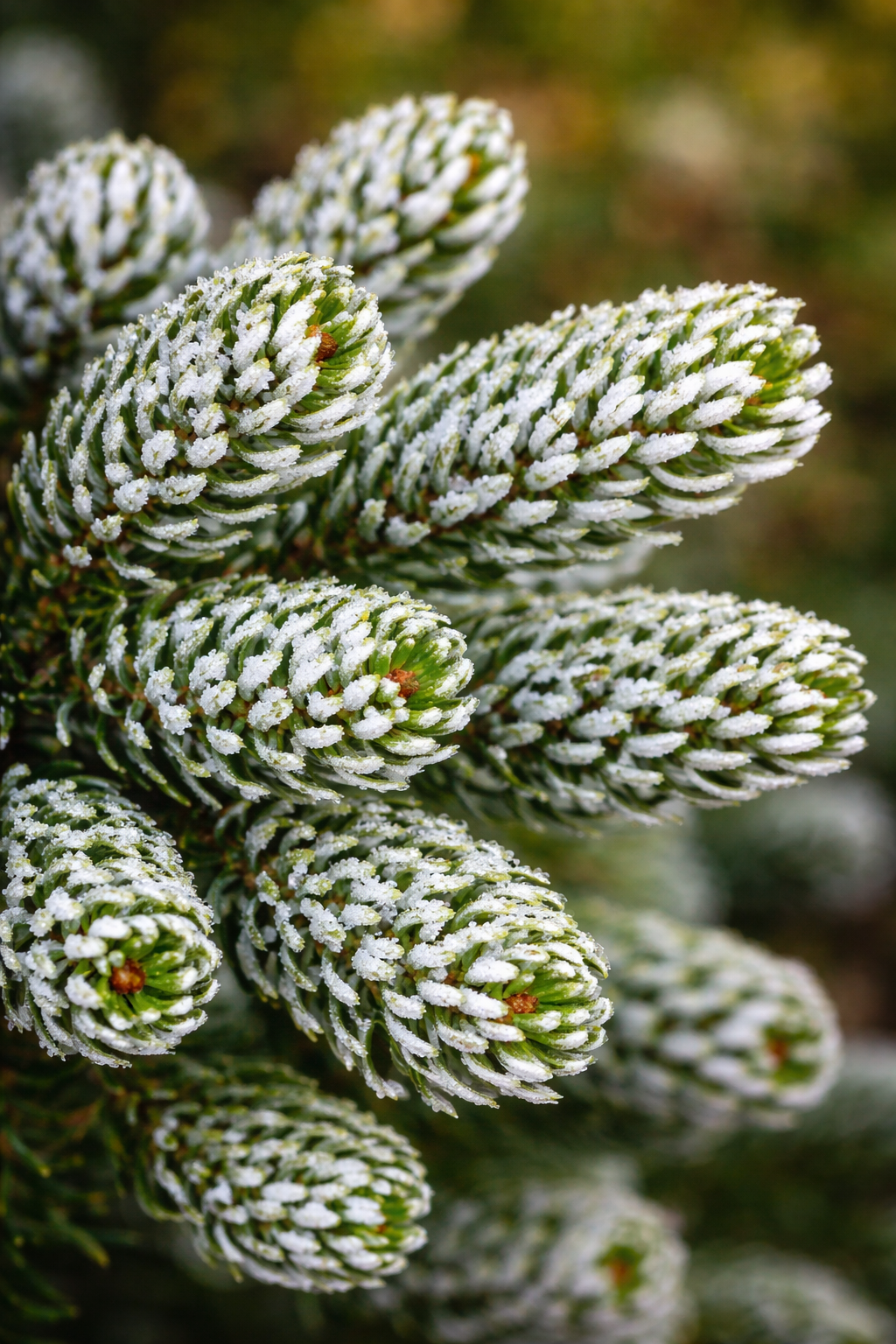
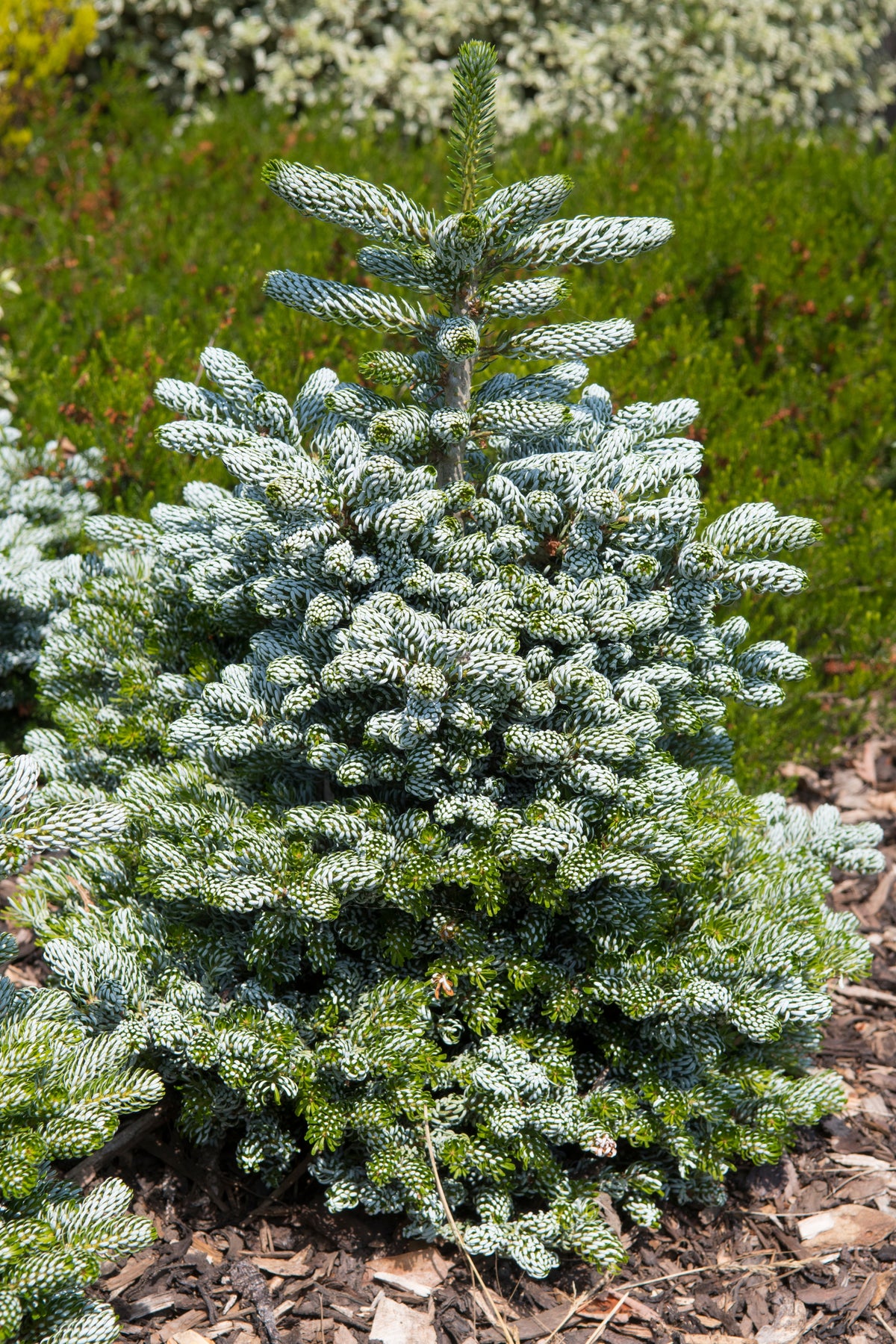
Korean Fir 'Ice Breaker' (Abies koreana 'Ice Breaker'). Abies koreana 'Ice Breaker', also known as Korean Fir 'Ice Breaker', is a dwarf collector's conifer with exceptionally bright foliage. Its short needles, curled upwards, reveal a silvery-white underside that gives the plant an almost permanent frosted effect. This unique coloration creates a brilliant and sophisticated texture, perfect for drawing attention in a small-scale landscape. With its naturally globular and compact shape, it offers a neat presence year-round, even in winter.
To plant Korean Fir 'Ice Breaker', choose an appropriate exposure: sun to partial shade. The recommended soil is acidic, well-drained. Respect the conifer's natural silhouette and avoid deep pruning into leafless parts. Monitor moisture after planting, including in the fall when the weather is dry. Aeration and drainage are as important as watering frequency. Water the root ball before planting and ensure water can drain after planting. During establishment, check moisture by hand before watering again.
Rock garden, alpine garden, decorative container, small garden, dwarf conifer bed, minimalist landscape, solitary planting, structured border or miniature focal point. Allow 60 to 90 cm (24 to 36 in) in width to plan this plant's space in the garden. The indicated height of 30 to 60 cm (12 to 24 in) helps choose its position relative to neighboring plants. Maintain access to the base to weed, check moisture, and remove damaged parts. Associate this variety with plants that have compatible light and water needs.

Planting guide
From planting to establishment.
Soil and care
The right care,at the right time.
Soil pH
Minimum temperature
Care level
Watering
Soil type
Fertilization
Moisture
Seasonal care
Container growing
A garden,within reach.
Bloom and dimensions
Its place,in your garden.
Mature height
Width / spread
Foliage color
Foliage type
Growth rate
Growth habit
Bloom period
Fruiting
Garden associations
In goodcompany.
Companion plants
Plants to avoid
Wildlife and pets