Self-fertile hardy kiwi with smooth bite-sized fruit

Self-fertile Issai hardy kiwi

Actinidia arguta ‘Issai’

Self-fertile Issai hardy kiwi is a Zone 4 fruiting vine that produces small smooth green berries without requiring a separate male plant. Twining stems quickly cover a sturdy trellis and carry glossy green foliage. Small fragrant white flowers appear in late spring, followed by sweet fruit with a light citrus note. Berries approximately 2.5 cm (1 in) long can be eaten whole with their skin in late summer or early fall. A second compatible hardy kiwi may improve fruit set but remains optional. Provide fertile, evenly moist, well-drained soil, prune during dormancy, and protect young stems from cats attracted to Actinidia.
Each store has its own inventory.

Products and available quantities may vary between Brossard and Laval. To check a store’s inventory, please contact us directly.

Even better: visit us in store to discover the full selection available!

Share
Exposure
Full sun to partial shade; sun for the strongest fruiting, with protection from late frost
Hardiness
Zone 4

Discover the plant

Common nameSelf-fertile Issai hardy kiwi
FamilyActinidiaceae
GenusActinidia
Speciesarguta
CultivarIssai
TypeSelf-fertile perennial deciduous fruiting vine
Botanical nameActinidia arguta ‘Issai’

Self-fertile Issai hardy kiwi (Actinidia arguta ‘Issai’) is a deciduous fruiting vine valued for setting fruit without a separate male plant. Twining stems carry glossy green foliage and small fragrant white flowers in late spring. Smooth, fuzz-free green berries measure approximately 2.5 cm (1 in); they can be eaten whole with their skin and have a sweet flavour with a light citrus note. This selection reaches about 4.5 to 6 m high (15 to 20 ft) on a sturdy support. Its Zone 4 hardiness suits many cold Canadian gardens.

Plant Issai in full sun or partial shade and fertile, evenly moist, well-drained soil that is slightly acidic to neutral. Full sun generally supports a heavier crop, while a protected site limits late-frost damage to tender new shoots. Install a strong trellis, pergola, or fence before planting because mature woody stems become heavy. Space vines 2 to 3 m (6.5 to 10 ft) apart, water deeply during establishment, and maintain even moisture. Apply 5 to 8 cm (2 to 3 in) of mulch without covering the crown, and protect young stems from cats attracted to Actinidia.

Issai is self-fertile, so one plant can crop, although another compatible hardy kiwi flowering at the same time may improve fruit set. Prune during winter dormancy to maintain a clear framework, then shorten overly long shoots lightly after flowering when necessary. Harvest berries in late summer or early fall as they begin to soften and taste sweet. Eat them fresh with their smooth skin or prepare compote and preserves. Collect fallen fruit, keep the trellis accessible, and avoid excessive nitrogen, which encourages foliage at the expense of flowers and fruit. Tender spring growth can still be injured by sudden late frost.

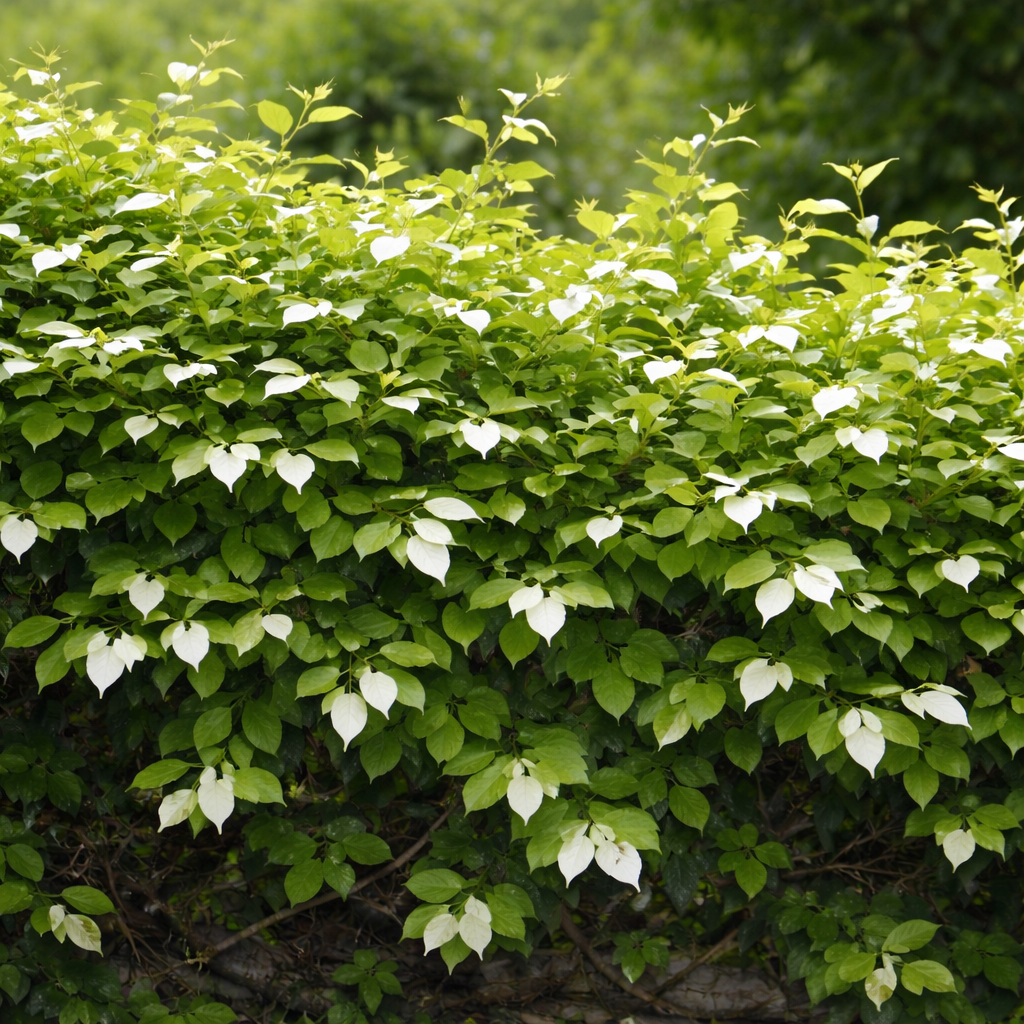
Self-fertile Issai hardy kiwi trained on a sturdy trellis, showing twining stems, glossy green foliage, small fragrant white flowers, and smooth fuzz-free green fruit. This Zone 4 vine reaches approximately 4.5 to 6 m (15 to 20 ft) and produces sweet berries about 2.5 cm (1 in) long that can be eaten whole with their skin.

Planting guide

From planting to establishment.

Spacing / density 2 to 3 m (6.5 to 10 ft) between vines; one Issai plant can set fruit
Best planting time In spring after the soil thaws, or in early fall at least six weeks before persistent frost
Propagation Cuttings, layering, or grafting to preserve the self-fertile cultivar faithfully

Soil and care

The right care,at the right time.

Soil pH

Slightly acidic to neutral, approximately 5.5 to 7.0

Minimum temperature

Approximately -31 °C (-25 °F), depending on establishment and exposure

Care level

Moderate to high because training and regular pruning are required

Watering

Water deeply after planting, then keep soil evenly moist during establishment. Check moisture beneath mulch before watering again: the surface may dry slightly, but the root ball should not dry completely. An established vine still benefits from irrigation during hot periods, flowering, and fruit enlargement. Direct water toward the roots rather than over foliage, and prevent stagnant water. Expand the watered area as the vine and its root system grow.

Soil type

Fertile, organic-rich, evenly moist, well-drained soil is ideal. Slightly acidic to neutral loam is especially suitable. The vine tolerates clay or sand when structure has been improved and moisture remains even. Avoid stagnant water, prolonged drought, strongly alkaline soil, and deep cultivation that injures shallow roots. A mulch layer helps conserve cool conditions, reduce weed competition, and protect the root zone.

Fertilization

In spring, spread a thin layer of mature compost across the root zone without touching the stems. If a soil test identifies a deficiency, apply a balanced slow-release fertilizer according to its label. Avoid heavy nitrogen because it produces excessively vigorous stems, delays hardening, and may reduce flowering and fruiting. Water after any granular application and judge future feeding by growth rather than habit.

Moisture

Even moisture; cool soil that never remains waterlogged

Seasonal care

In spring, inspect the trellis, retie main stems, and remove dead wood after budbreak. Protect tender shoots when late frost is forecast. Confirm that the compatible hardy kiwi vine is alive and flowering at the same time as Issai. During growth, guide new stems before they tangle and irrigate when soil begins drying beneath mulch. After flowering, shorten overly long shoots lightly without removing all fruiting wood. In late summer, taste berries regularly and harvest when they become soft and sweet; collect fallen fruit. In fall, renew mulch without covering the crown. During winter dormancy, remove weak, crossing, very old, or badly placed stems and retain an accessible, evenly distributed framework. Sanitize tools between plants. Watch for cat damage around the base and maintain a physical barrier while young stems remain vulnerable. For best results, inspect moisture, stems, and growth regularly. This attention supports a healthy, accessible, productive vine. For best results, inspect moisture, stems, and growth regularly. This attention supports a healthy, accessible, productive vine. For best results, inspect moisture, stems, and growth regularly. This attention supports a healthy, accessible, productive vine. For best results, inspect moisture, stems, and growth regularly. This attention supports a healthy, accessible, productive vine. For best results, inspect moisture, stems, and growth regularly. This attention supports a healthy, accessible, productive vine. For best results, inspect moisture, stems, and growth regularly.

Container growing

A garden,within reach.

Recommended pot size

75 to 110 L (20 to 30 US gal) or larger, with drainage and a sturdy support
Container culture is possible, but it requires a very large pot, an independent support, and winter protection for the roots. Use at least 75 to 110 L (20 to 30 US gal) with several drainage holes and a stable, fertile, airy growing mix. Install a strong trellis before stems lengthen. Water frequently in summer without leaving water in a saucer. Because Issai is self-fertile, no second plant is required for fruit. Prune during dormancy to keep the framework proportionate to the support. In Zone 4, insulate the container walls, shelter the pot from wind, and reduce repeated freeze-thaw cycles. A container limits growth and harvest more than planting in the ground.
Kiwi rustique autofertile ‘Issai’ (Actinidia arguta)

Bloom and dimensions

Its place,in your garden.

Mature height

2 to 3 m (6 to 10 feet)

Width / spread

3 m (10 feet)

Flower color

White to greenish white

Foliage color

Glossy green, sometimes bronze at budbreak

Foliage type

Deciduous

Growth rate

Fast

Growth habit

Climbing, twining, dense, and vigorous

Fragrance

Light floral fragrance

Bloom period

Small fragrant white flowers in late spring; self-fertile cultivar, with potentially improved fruit set near a compatible kiwi For best results, inspect moisture, stems, and growth regularly. This attention supports a healthy, accessible, productive vine. For best results, inspect moisture, stems, and growth regularly. This attention supports a healthy, accessible, productive vine. For best results, inspect moisture, stems, and growth regularly.

Fruiting

Smooth fuzz-free green berries about 2.5 cm (1 in), sweet with a light citrus note; one plant can crop on its own For best results, inspect moisture, stems, and growth regularly. This attention supports a healthy, accessible, productive vine. For best results, inspect moisture, stems, and growth regularly. This attention supports a healthy, accessible, productive vine. For best results, inspect moisture, stems, and growth regularly.

Harvest

Late summer to early fall; pick when berries soften and become sweet
Self-fertile Issai hardy kiwi trained on a sturdy trellis, showing twining stems, glossy green foliage, small fragrant white flowers, and smooth fuzz-free green fruit. This Zone 4 vine reaches approximately 4.5 to 6 m (15 to 20 ft) and produces sweet berries about 2.5 cm (1 in) long that can be eaten whole with their skin.

Garden associations

In goodcompany.

Companion plants

Another compatible hardy kiwi flowering at the same time may improve fruit set but is not essential. Low plants suited to evenly moist soil, including chives, selected strawberries, hardy geraniums, or sedges, can edge the trellis while leaving the crown clear. Avoid large competing climbers that complicate pruning, airflow, inspection, and harvest. Keep companion plants below the lowest fruiting wires and preserve access along both sides of the support. For best results, inspect moisture, stems, and growth regularly. This attention supports a healthy, accessible, productive vine.

Plants to avoid

Avoid prolonged drought, stagnant water, strongly alkaline soil, late-frost pockets, and undersized supports. Cats may chew young stems or dig around roots because Actinidia strongly attracts them; use a physical barrier without constricting the crown. Also watch for tangled stems, breakage under their weight, and growth entering gutters or trees. Regular pruning and a durable trellis prevent most structural problems. The species generally has few serious insect or disease concerns. For best results, inspect moisture, stems, and growth regularly. This attention supports a healthy, accessible, productive vine.

Recipe idea

From the gardento your plate.

Edible parts

Ripe smooth green fuzz-free berries; they can be eaten whole with the skin
To make Hardy kiwi compote, use 500 g (1.1 lb) ripe, rinsed Issai berries, 30 ml (2 tbsp) water, 15 to 30 ml (1 to 2 tbsp) maple syrup, and 5 ml (1 tsp) lemon juice. Cut the smooth-skinned fruit in half without peeling it. Place berries and water in a saucepan and simmer for 8 to 10 minutes. Crush lightly, add maple syrup and lemon juice, then cook for another 5 to 8 minutes until the desired texture develops. Cool before serving over yogurt, oatmeal, or toast. This recipe makes approximately four servings. Refrigerate in a clean covered container and use within four days. For a finer texture, blend the cooked mixture briefly after it has cooled slightly.

Frequently asked questions

Your questions,answered.

Does Issai kiwi need a pollinator?
No. Issai is self-fertile, and one plant can produce fruit when flowers escape frost and receive visits from insect pollinators. This trait suits small gardens where there is no room for a separate male vine. Fruit set may nevertheless be heavier when another compatible hardy kiwi flowers nearby at the same time. The second plant is therefore optional, never required. If Issai flowers without fruiting, first check for late frost, weak bee activity, excessive nitrogen, insufficient sunlight, or uneven soil moisture before assuming that pollination is the problem. For best results, inspect moisture, stems, and growth regularly. This attention supports a healthy, accessible, productive vine.
When should Issai hardy kiwi be harvested?
Harvest the small berries in late summer or early fall, depending on seasonal warmth and exposure. Do not rely on green colour alone; taste several fruit and press them gently. They are ready when they begin to soften and develop a sweet flavour with a light citrus note. Pick carefully so short fruiting stems are not torn away. If frost is forecast before full maturity, collect still-firm berries and allow them to finish softening indoors. Refrigerate ripe fruit promptly and eat it fresh with its smooth skin or prepare compote and preserves. Check the vine repeatedly because individual berries may ripen at different times.
How should Issai Hardy kiwi be pruned?
Prune mainly during winter dormancy so the framework is visible and excessive sap bleeding is reduced. Retain several well-spaced main stems across the trellis, then remove dead, weak, very old, crossing growth or stems entering gutters and trees. After flowering, shorten overly long shoots lightly when they block access, without removing all fruiting wood. Regular pruning is preferable to severe renovation of a neglected vine. Use clean tools, secure stems with flexible ties, and leave enough space for air to circulate between foliage and the support. Inspect ties yearly so they do not constrict thickening woody stems. For best results, inspect moisture, stems, and growth regularly.
Can Issai kiwi be grown in a container?
Yes, but this vigorous vine requires a container holding at least 75 to 110 L (20 to 30 US gal), a very strong independent trellis, and frequent moisture checks. Use fertile, well-drained growing mix and water when the upper layer begins to dry. Because Issai is self-fertile, no second plant is required for fruit. Prune every winter to keep the framework proportionate to the support. In Zone 4, roots in a pot are far more exposed to cold than roots in the ground, so insulate the container, shelter it from wind, and reduce repeated freeze-thaw cycles. Container-grown vines usually produce less growth and fruit.
Why should Issai kiwi be protected from cats?
Cats can be strongly attracted to stems and roots of Actinidia arguta, in a way comparable to their response to catnip. They may chew young shoots, rub against the plant, or dig around the crown, quickly damaging a newly planted vine. Install a wire guard or small barrier that allows air and water to pass without constricting stems. Keep the crown visible and check regularly that protection does not girdle new growth. This attraction does not mean the fruit is toxic: ripe berries are edible for people. Protection is intended mainly to prevent mechanical damage while young stems remain vulnerable.

Wildlife and pets

Life,around your plants.

Attracts birds

Yes

Supporting wildlife

Small white flowers provide pollen and nectar for bees and other insect pollinators. Ripe berries may also attract birds. To preserve a harvest, use securely fitted netting that cannot trap wildlife and pick regularly. Cats are strongly attracted to young stems and should be prevented from damaging them. Avoid broad-spectrum insecticides while flowers are open and bees are active.