Large fruitless shade tree with double flowers

Baumann’s horse-chestnut; double-flowered horse-chestnut

Aesculus hippocastanum ‘Baumannii’

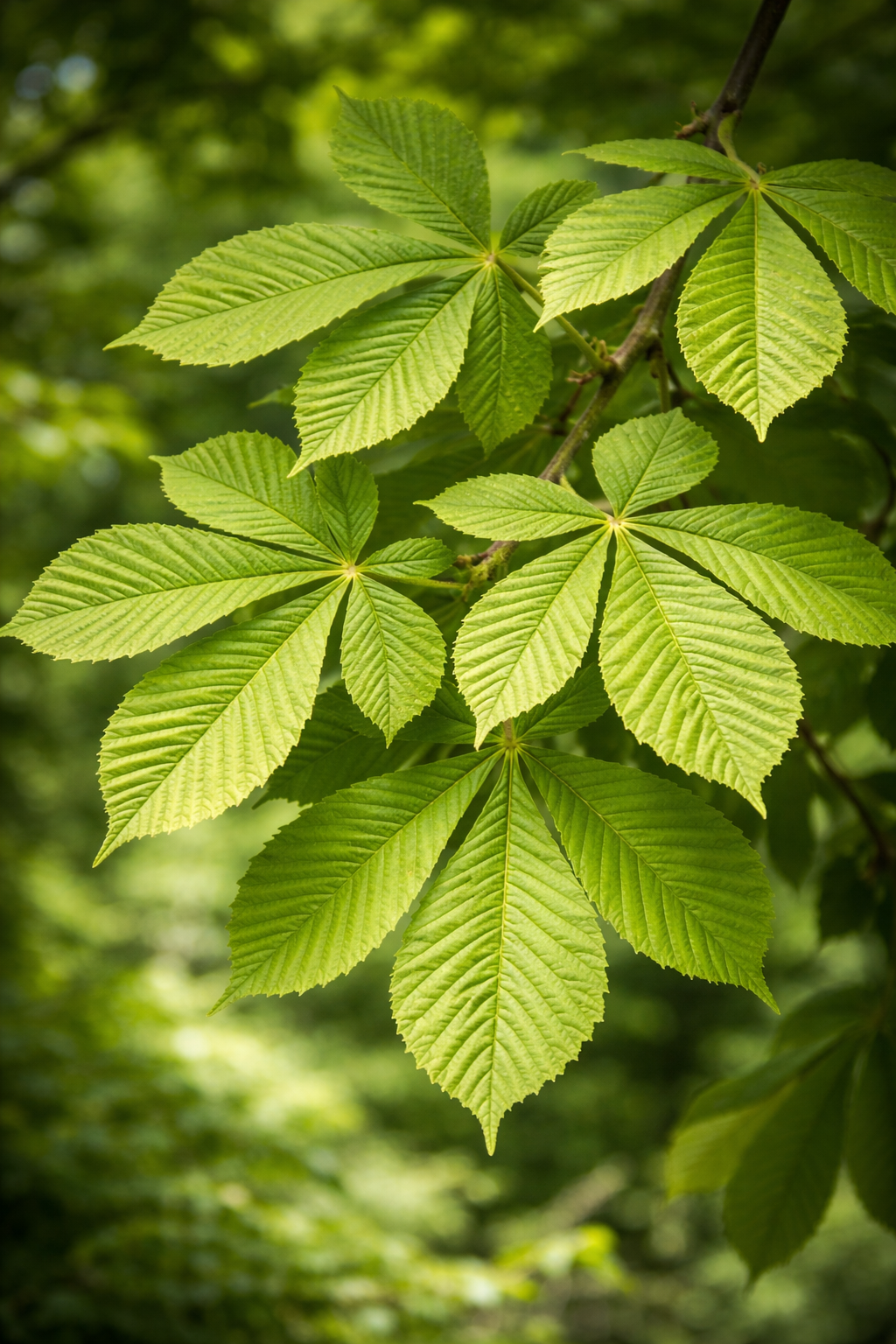
Baumann’s horse-chestnut is a large sterile deciduous tree with a broad rounded crown. Large upright clusters of double white flowers, marked yellow and then red, appear in late spring. Unlike the species, it produces no prickly horse-chestnuts, reducing debris beneath the tree. Dark-green leaves have five to seven leaflets and develop little fall colour. Hardy to Zone 4, the tree reaches approximately 15 to 20 m high by 10 to 15 m wide (49 to 66 ft × 33 to 49 ft). It prefers deep, fertile, cool, well-drained soil and full sun or partial shade. For best results, inspect soil, foliage, and growth regularly.

Title

200 cm; 250 cm
Share
Quantity 200 cm; 250 cm
Exposure Full sun to partial shade; bloom and crown density are strongest in full sun
Hardiness Zone 4
Difficulty level Moderate

Discover the plant

Family Sapindaceae
Genus Aesculus
Species hippocastanum
Cultivar Baumannii
Type Large sterile deciduous tree with double white flowers

Baumann’s horse-chestnut (Aesculus hippocastanum ‘Baumannii’) is a large broad-crowned deciduous tree valued for double flowers and the absence of fruit. In late spring, large upright clusters carry white flowers marked yellow, then red as they age. Because this sterile selection produces no prickly nuts, it is better suited than the species to lawns, large gardens, and avenues where fruit drop would be inconvenient. Opposite dark-green leaves are divided into five to seven leaflets. Hardy to Zone 4, the tree reaches approximately 15 to 20 m high by 10 to 15 m wide (49 to 66 ft × 33 to 49 ft).

Plant ‘Baumannii’ in full sun or partial shade and deep, fertile, cool, well-drained soil. It accepts acidic, neutral, or alkaline conditions and several textures, but performs poorly during prolonged drought. Dig a hole as deep as the root ball and two to three times as wide, position the root flare level with the soil, and water slowly. Leave 10 to 15 m (33 to 49 ft) between trees and ample distance from buildings, wires, and confined surfaces. Apply 5 to 8 cm (2 to 3 in) of mulch without touching the trunk. Maintain even moisture through the first seasons and during hot periods.

Use this horse-chestnut as a shade tree or architectural specimen in a generous space where its crown can develop freely. Light pruning during dormancy is sufficient to remove dead, crossing, or damaged wood; major cuts should be handled by a qualified arborist. Watch for leaf blotch, horse-chestnut leaf miner, cankers, and leaf scorch. Collect heavily affected fallen leaves and avoid wetting foliage to reduce sources of disease. Every part of horse-chestnut is considered harmful if eaten. Even without fruit, ‘Baumannii’ is not an edible plant and should remain inaccessible to animals that chew vegetation. Its grey bark becomes plated with age and adds texture to the mature winter silhouette.

Large Baumann’s horse-chestnut with a broad rounded crown, upright clusters of double white flowers, and dark-green leaves divided into five or seven leaflets. This sterile Zone 4 cultivar produces no prickly fruit and reaches approximately 15 to 20 m high by 10 to 15 m wide (49 to 66 ft × 33 to 49 ft).

Planting guide

From planting to establishment.

Spacing / density Space trees 10 to 15 m (33 to 49 ft) apart to allow full development of their broad crowns. Keep an equivalent distance from buildings, overhead wires, narrow parking areas, and boundaries the branches cannot cross. Measure from the centre of each trunk and provide a large volume of uncompacted soil for roots. This cultivar is not suited to a small yard or a position where severe pruning would be required to restrict its height.
Best planting time In spring after the soil thaws, or in early fall at least six weeks before persistent frost
Propagation Hardwood cuttings in winter or chip budding in summer to preserve the sterile ‘Baumannii’ cultivar faithfully

Soil and care

The right conditions.

Exposure Full sun to partial shade; bloom and crown density are strongest in full sun
Soil pH Acidic, neutral, or alkaline; approximately 5.5 to 8.0 when drainage is good
Hardiness zone Zone 4
Minimum temperature Approximately -34 °C (-29 °F), Zone 4
Watering
Water deeply once or twice weekly during the first season when rainfall is insufficient, then adjust frequency to weather and drainage. Soil should remain cool without becoming waterlogged. Because horse-chestnut performs poorly during prolonged drought, irrigate through hot periods before leaf margins brown. Direct water toward the root zone and avoid wetting foliage to limit leaf blotch. Check moisture beneath mulch before watering again and expand the watered area as the crown grows.
Soil type
Deep, fertile, cool, well-drained soil may be loamy, clay-based, sandy, or chalky. Horse-chestnut accepts acidic, neutral, or alkaline conditions when moisture and aeration remain adequate. Avoid thin, very dry, compacted, or constantly waterlogged soil. A large volume of unpaved soil supports root development and limits stress that intensifies leaf scorch and foliar disease. Protect the root zone from repeated excavation and heavy traffic.
Fertilization
Fertilizer is generally unnecessary in deep fertile soil. In spring, spread a thin layer of mature compost over the root zone without touching the trunk. If a soil test identifies a deficiency, apply a balanced slow-release fertilizer according to its label. Avoid excess nitrogen because it encourages tender growth, increases water demand, and may make the crown more susceptible to insects and disease. Maintain mulch and soil moisture before considering fertilizer.
Seasonal care
In spring, inspect the trunk, branch unions, and buds before growth resumes. Remove dead, broken, or crossing wood with clean cuts that preserve the branch collar. Double flowers appear in late spring; avoid unnecessary insecticide treatments during this period. In early summer, watch for the first pale or brown mines of horse-chestnut leaf miner and irregular yellow-edged blotches caused by foliar disease. Water deeply during dry periods to limit marginal leaf scorch. Through summer, inspect bark for cracks, dark ooze, or discoloured areas that may indicate canker. Never remove large limbs without professional assessment. In fall, collect and dispose of heavily affected leaves to reduce fungal spores and overwintering insects. Renew 5 to 8 cm (2 to 3 in) of mulch without covering the root flare. In winter, check for snow, ice, and rodent damage, then schedule structural work during dormancy. Keep soil uncompacted and prevent mower injuries around the trunk. For best results, inspect soil, foliage, and growth regularly. This attention supports a healthy, structured, lasting tree. For best results, inspect soil, foliage, and growth regularly. This attention supports a healthy, structured, lasting tree. For best results, inspect soil, foliage, and growth regularly. This attention supports a healthy, structured, lasting tree. For best results, inspect soil, foliage, and growth regularly. This attention supports a healthy, structured, lasting tree. For best results, inspect soil, foliage, and growth regularly.

Bloom and dimensions

The complete profile.

Flower color White with yellow markings that age to red
Foliage color Dark green in summer; yellow-brown in fall, often not showy
Foliage type Deciduous, opposite leaves composed of five to seven leaflets
Growth rate Moderate
Bloom period
Large upright terminal clusters appear in late spring. Flowers are double and white with yellow markings that age to red. Their doubled structure produces a fuller, longer display than the species. Because the flowers are sterile, no horse-chestnuts form after bloom. Flowering is generally strongest in full sun on a vigorous tree with cool fertile soil. Avoid severe spring pruning because it removes flowering wood and disrupts the natural crown.
Fruiting
The ‘Baumannii’ cultivar is sterile and produces no horse-chestnuts or prickly husks after flowering. This absence of fruit greatly reduces ground debris and distinguishes the selection from the common species. Spent flowers may fall, but no poisonous nuts mature. Despite sterility, leaves, bark, buds, and other horse-chestnut tissues are still considered harmful if eaten, so the tree must never be presented as edible. Keep pets and children from chewing plant parts and wash hands after extensive handling.
Maximum height 15 to 20 m (49 to 66 ft)
Maximum width 8 m (26 feet)
Baumann’s horse-chestnut (<em>Aesculus</em> <em>hippocastanum</em> ‘Baumannii’)

Garden associations

What to plant with it.

Good companions
Pair this large horse-chestnut with shrubs and perennials able to grow in cool soil beneath shade that increases with age. Viburnums, shrub dogwoods, hydrangeas, hostas, ferns, epimediums, hardy geraniums, and sedges can create layers around a broad mulched zone. Keep low plantings away from the root flare and avoid species requiring frequent soil cultivation because roots should not be injured. Choose companions suited to the local pH and to the light actually available beneath the mature crown. For best results, inspect soil, foliage, and growth regularly.
Avoid planting with
Avoid prolonged drought, thin or compacted soil, stagnant water, trunk injuries, and severe pruning. Leaf scorch, leaf blotch, horse-chestnut leaf miner, scale insects, cankers, and honey fungus may reduce appearance or vigour. Irrigate at soil level, maintain a mulched root zone, collect heavily affected leaves, and have dark oozing areas or major dying branches inspected. Repeated road salt and reflected heat may also intensify summer stress. Do not plant where crown size will require repeated cutting. For best results, inspect soil, foliage, and growth regularly.
Use ‘Baumannii’ as a large shade tree, architectural specimen, or avenue tree on a spacious property, in a park, or across a broad lawn. Its wide crown and double flowers create a dramatic presence, while the absence of prickly horse-chestnuts reduces debris beneath the branches. Allow at least 10 to 15 m (33 to 49 ft) of open width and avoid overhead wires, small yards, nearby foundations, and severely compacted soil. A cool fertile well-drained site helps foliage maintain a better appearance through summer.

Frequently asked questions

Everything toknow.

Baumann’s horse-chestnut becomes a large tree approximately 15 to 20 m high by 10 to 15 m wide (49 to 66 ft × 33 to 49 ft). Its crown is broad, rounded to spreading, and can provide dense shade. Reserve it for a broad lawn, park, or spacious avenue; it is not suitable for a small yard or beneath utility wires. Keep at least the expected mature width between the trunk and buildings or boundaries the branches cannot cross. Repeated pruning cannot turn this large tree into a permanently compact specimen and increases maintenance costs, structural wounds, and future risk.
No. ‘Baumannii’ is a sterile double-flowered selection that develops no horse-chestnuts or prickly husks after flowering. The absence of fruit reduces debris and makes the cultivar useful for broad lawns, avenues, and settings where heavy fruit would be inconvenient. Spent flowers and leaves still fall naturally. Even without nuts, the tree is not edible: leaves, bark, buds, and other tissues are considered harmful if eaten. Prevent children and pets from chewing plant parts and wash hands after extensive handling. Sterility does not reduce the tree’s mature size, so generous planting space remains essential. For best results, inspect soil, foliage, and growth regularly.
In late spring, ‘Baumannii’ carries large upright terminal clusters that rise above the foliage. Flowers are double, appearing fuller than those of ordinary common horse-chestnut. They open white with yellow markings that become red as the blooms age, creating several tones within one cluster. This display generally lasts longer than that of the species and produces no horse-chestnuts because the selection is sterile. Full sun, cool soil, and a crown free from severe pruning encourage the strongest show. Exact timing varies with local spring conditions, often occurring in May or early June. Spent flowers eventually fall without developing prickly husks.
Brown leaves may result from drought, heat, leaf blotch, or horse-chestnut leaf miner. Keep soil cool with deep watering during dry periods and 5 to 8 cm (2 to 3 in) of mulch that does not touch the trunk. Irrigate at soil level rather than over foliage. Collect heavily affected leaves in fall to reduce fungal spores and some overwintering insects. Avoid compaction, trunk injuries, and excess nitrogen fertilizer. If branches decline or bark releases dark ooze, request an assessment from a qualified arborist. Do not apply pesticides automatically; identify the cause first and follow local recommendations when treatment is justified.
Choose a full-sun or partial-shade position with deep, fertile, cool, well-drained soil. The site must provide 10 to 15 m (33 to 49 ft) of open crown width without overhead wires or nearby buildings. Several soil textures and pH levels are suitable, but avoid thin, constantly waterlogged, very dry, or severely compacted ground. A broad permeable surface lets roots breathe and receive water. The cultivar is best for parks, large lawns, and spacious properties. It is not recommended for a small yard, beside a confined pool area, or where pets that chew vegetation have unrestricted access to the tree. For best results, inspect soil, foliage, and growth regularly.

Its strengths, naturally.

Not recommended for pets

Pets