Aimers

Swiss Chard 'Fordhook' Seeds — Organic

Beta vulgaris

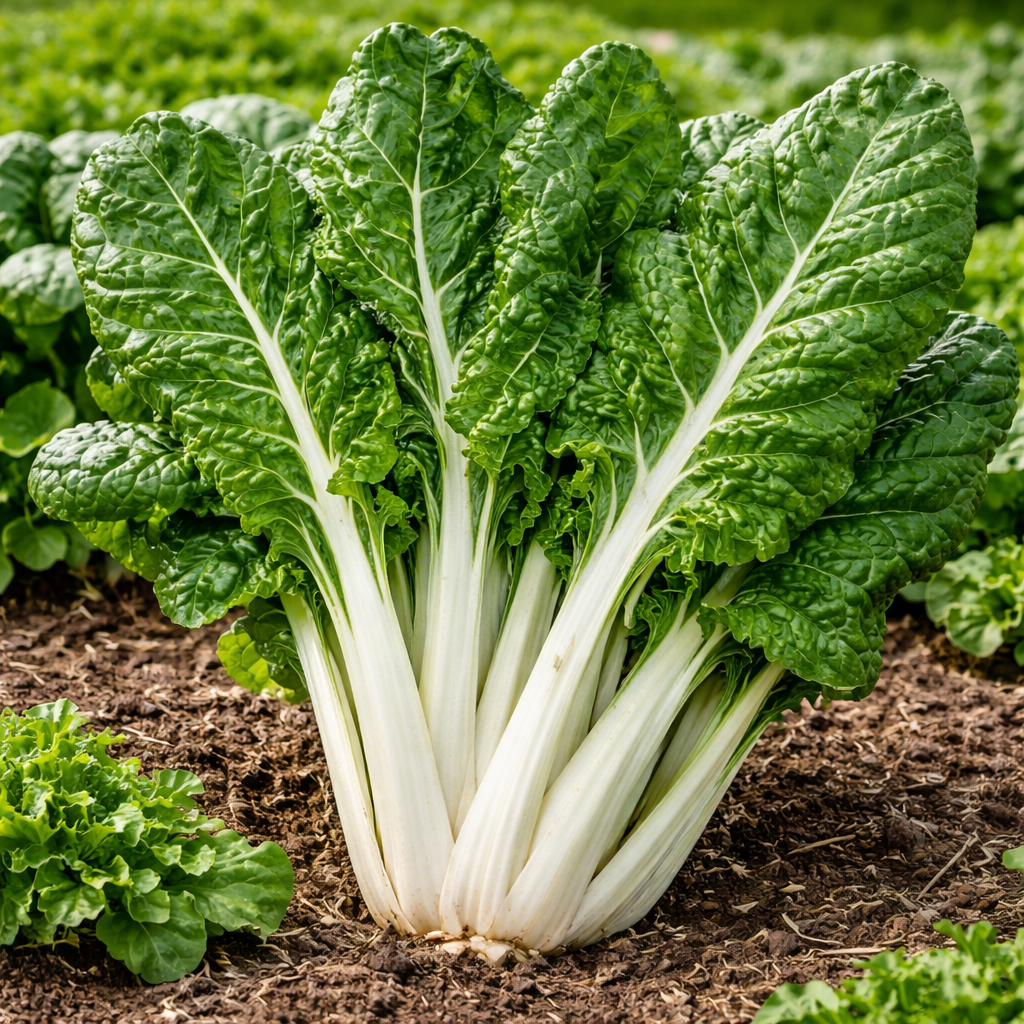
This Swiss chard has large, glossy, crinkled green leaves with white veins and stalks. The supplier describes a height of 60 to 80 cm. Cut outer leaves at their base to preserve the centre and allow the plant to produce new leaves. Swiss chard leaves and stalks can be cooked separately or together according to their tenderness. Leaf blades suit sautéing and cooked-green preparations, while stalks often need longer cooking. Rinse the harvest thoroughly to remove soil trapped in the folds. Trim damaged parts and cut pieces to suit the dish. This crop lets you pick small fresh portions as you need them for meals. Preparing the stalks separately helps you control both textures. These Aimers organic seeds let you start the crop from an identified seed packet.
Sold as Approximately 150 seeds per packet

Available

2 99 $
Pay in 4 interest-free payments withSezzle

Delivery and pickup: view conditions

Product information
Advice adapted to Canada
Secure payment
Share

Discover the plant

Common nameSwiss chard
FamilyAmaranthaceae
GenusBeta
Speciesvulgaris
CultivarFordhook
TypeSeeds
Botanical nameBeta vulgaris

Swiss Chard 'Fordhook' Seeds — Organic This plant belongs to Beta vulgaris. This Swiss chard has large, glossy, crinkled green leaves with white veins and stalks. The supplier describes a height of 60 to 80 cm. Cut outer leaves at their base to preserve the centre and allow the plant to produce new leaves. Successive cuts provide small harvests of leaves and stalks for everyday cooking. These Aimers organic seeds let you start the crop from an identified seed packet. Keep the seed packet and plant label so you can refer to this variety’s growing directions throughout the season.

Sow Swiss chard directly in workable soil in spring. Sow 1 to 2 cm deep and about 2.5 cm apart in rows spaced 45 cm apart. Thin gradually so plants have room to develop. Successive sowings early in the season can spread out the harvest. Keep the row evenly moist during germination and label each new sowing. This Swiss chard develops generous foliage that needs light and access for cutting. Adapt the start to your Quebec region and the weather, keeping plants within reach for regular care. Keep paths clear as the foliage expands and avoid walking near the crowns. This makes outer leaves easier to reach.

Harvest outer leaves first, cutting carefully at their base without damaging the plant’s centre. New leaves can then continue developing. Choose healthy leaves and adjust how much you cut to each plant’s vigour. Rinse the harvest and separate stalks from leaf blades if needed to adapt their cooking times. Swiss chard leaves and stalks can be cooked separately or together according to their tenderness. Leaf blades suit sautéing and cooked-green preparations, while stalks often need longer cooking. Rinse the harvest thoroughly to remove soil trapped in the folds. For extra produce, use a suitable blanching method before freezing portions. Keep stalks and leaf blades separate when their cooking times differ.

In the garden

Exposure
Full sun
Life cycle
Biennial grown as an annual vegetable

Sowing guide

Sowing & germination

Sowing depth

1 to 2 cm

Spacing / density

Thin gradually to 10 cm; rows 45 cm apart

Germination time

7 to 14 days

Sowing period

Spring; successive sowing early in the season

Propagation

Sowing seed

Growing method

To grow Fordhook, plan the start and the space for mature plants before sowing. Sow Swiss chard directly in workable soil in spring. Sow 1 to 2 cm deep and about 2.5 cm apart in rows spaced 45 cm apart. Thin gradually so plants have room to develop. Successive sowings early in the season can spread out the harvest. Keep the row evenly moist during germination and label each new sowing. Follow plant growth as well as the calendar when deciding whether there is room and time for another planting. This Swiss chard develops generous foliage that needs light and access for cutting. The supplier recommends gradual thinning to about 10 cm between young plants, with 45 cm between rows. Allow more available space when you want plants to become larger. Keep paths clear and avoid walking around the crowns. An accessible layout makes it easier to pick outer leaves throughout the season. Watch how the foliage expands before placing another crop close beside it. Prepare loose, well-drained soil enriched with mature compost. Avoid working waterlogged ground because it compacts easily. Remove weeds before sowing and keep the growing area accessible without walking on it. A soil test helps you decide which amendments are useful; do not add lime or fertilizer simply because a general recipe suggests it.

Soil and care

Soil & care

Soil pH

6.5 to 7.5

Care level

Moderate

Watering

Maintain regular moisture to support new leaf growth. Water at soil level and check drainage after heavy rain. A light mulch around established plants can reduce drying and weeding without covering the crowns. Containers need closer monitoring in hot weather. Look at new leaves and check the soil before changing water amounts: waterlogged growing mix does not help roots function well. Adjust care to the plant’s growth and the conditions you observe rather than a fixed watering schedule.

Soil type

Prepare loose, well-drained soil enriched with mature compost. Avoid working waterlogged ground because it compacts easily. Remove weeds before sowing and keep the growing area accessible without walking on it. A soil test helps you decide which amendments are useful; do not add lime or fertilizer simply because a general recipe suggests it. Soil structure and drainage deserve as much attention as fertility. In containers, use an appropriate growing mix rather than compacted garden soil.

Fertilization

Adjust fertilization to the soil’s condition and the crop’s development. Mature compost contributes to garden preparation, but an additional application should not be automatic. Use a fertilizer intended for vegetables and follow its label. In containers, follow the growing mix’s recommendations and monitor plant growth. Increasing the dose does not correct cold conditions, insufficient light or excessive water. Check those growing conditions before deciding that a slow-growing plant needs more nutrients.

Seasonal care

Care for Fordhook begins with establishment and continues through the last harvest. Maintain regular moisture to support new leaf growth. Water at soil level and check drainage after heavy rain. A light mulch around established plants can reduce drying and weeding without covering the crowns. Containers need closer monitoring in hot weather. Look at new leaves and check the soil before changing water amounts: waterlogged growing mix does not help roots function well. Adjust care to the plant’s growth and the conditions you observe rather than a fixed watering schedule. Inspect plants regularly, including the undersides of leaves and the area near the crown. Identify symptoms and insects before intervening; their presence alone does not justify treatment. Keep tools clean and remove heavily damaged parts when appropriate for the crop. Avoid actions that injure roots or break stems. Good air circulation, careful watering and an accessible row make monitoring easier throughout the season. Use your observations to decide what action is needed rather than treating every mark in the same way. Harvest outer leaves first, cutting carefully at their base without damaging the plant’s centre. New leaves can then continue developing. Choose healthy leaves and adjust how much you cut to each plant’s vigour. Rinse the harvest and separate stalks from leaf blades if needed to adapt their cooking times. Regular, moderate cutting lets you make use of the plant rather than pulling out the entire clump for a single harvest. Leave enough foliage to support continued growth. At the end of the season, monitor cold nights and finish harvesting according to the plants’ condition. Remove diseased residues and clean tools.

Container growing

Container growing

Plan container growing for Fordhook according to the plant’s development and the space available. Swiss chard suits a large, well-drained container where its foliage can develop. Use a mix for container vegetables, sow directly and thin seedlings to avoid crowded clumps. Keep the container accessible for cutting outer leaves. Check water reserves and nutrients regularly because repeated harvests place demands on the plant. Place it in full sun and make sure a saucer does not continually hold water around the roots. Leave room to reach the crown without damaging new leaves. Maintain regular moisture to support new leaf growth. Water at soil level and check drainage after heavy rain. A light mulch around established plants can reduce drying and weeding without covering the crowns. Containers need closer monitoring in hot weather. Look at new leaves and check the soil before changing water amounts: waterlogged growing mix does not help roots function well. Adjust care to the plant’s growth and the conditions you observe rather than a fixed watering schedule. Adjust fertilization to the soil’s condition and the crop’s development. Mature compost contributes to garden preparation, but an additional application should not be automatic. Use a fertilizer intended for vegetables and follow its label. In containers, follow the growing mix’s recommendations and monitor plant growth.
Swiss Chard 'Fordhook' Seeds — Organic

Bloom and dimensions

Size, flowering & harvest

Mature height

60 to 80 cm

Growth habit

Upright clump

Days to maturity

Approximately 55 days depending on the conditions

Harvest

Depends on sowing, weather and the harvest stage
Swiss Chard 'Fordhook' Seeds — Organic

Garden associations

Companion plants & uses

Companion plants

Plan neighbouring crops around their actual needs: light, water, space and harvesting access. Position tall crops where they will cast the least shade on nearby vegetables. Leave paths and avoid combining demanding plants in a small volume of soil. Nearby flowers can add diversity, but their presence does not guarantee protection from pests or a better harvest. Observe the plants, use a reasonable crop rotation and adjust combinations to their growth rather than relying on a list of supposed friends and enemies. Consider the full size of each crop when laying out a bed.

Garden use

Leaves and stalks for sautéing and gratins. Swiss chard leaves and stalks can be cooked separately or together according to their tenderness. Leaf blades suit sautéing and cooked-green preparations, while stalks often need longer cooking. Rinse the harvest thoroughly to remove soil trapped in the folds. Trim damaged parts and cut pieces to suit the dish. This crop lets you pick small fresh portions as you need them for meals. Preparing the stalks separately helps you control both textures. Harvest outer leaves first, cutting carefully at their base without damaging the plant’s centre. New leaves can then continue developing.

Recipe idea

From garden to table

Edible parts

Leaves and stalks
Prepare the Fordhook harvest according to its tenderness and your intended use. For sautéed Swiss chard, rinse the harvest and separate stalks from leaves. Cut stalks into small pieces and begin cooking them in a little oil. Add the sliced leaves next and let them wilt to the texture you want. Season at the end. Stalks can also be used in a gratin, while leaves work in soup or a vegetable filling. Cooking the parts separately makes texture easier to control. Use sound, fresh harvest and refrigerate leftovers promptly. For extra produce, follow a suitable blanching method before freezing portions. Match the amount you prepare to the meal and the plant’s current harvest. Stalks and leaves have different textures; separating them lets you start cooking firmer parts first. You can combine them later in the same pan or use stalks in a gratin. Rinse folded leaves thoroughly and keep only sound parts. Prepare an amount suited to the meal and refrigerate extra cooked vegetables promptly.
Swiss Chard 'Fordhook' Seeds — Organic

Frequently asked questions

Frequently asked questions

When should I sow Fordhook seeds in Quebec?
Sow Swiss chard directly in workable soil in spring. Sow 1 to 2 cm deep and about 2.5 cm apart in rows spaced 45 cm apart. Thin gradually so plants have room to develop. Successive sowings early in the season can spread out the harvest. Keep the row evenly moist during germination and label each new sowing. Follow plant growth as well as the calendar when deciding whether there is room and time for another planting. In Quebec and across Canada, seasonal conditions vary among regions, urban gardens, exposed sites and sheltered locations. Check the forecast and the actual soil condition before planting. The same variety may develop at different rates in different gardens.
Can I grow Fordhook in a container?
Swiss chard suits a large, well-drained container where its foliage can develop. Use a mix for container vegetables, sow directly and thin seedlings to avoid crowded clumps. Keep the container accessible for cutting outer leaves. Check water reserves and nutrients regularly because repeated harvests place demands on the plant. Place it in full sun and make sure a saucer does not continually hold water around the roots. Leave room to reach the crown without damaging new leaves. Maintain regular moisture to support new leaf growth. Water at soil level and check drainage after heavy rain. A light mulch around established plants can reduce drying and weeding without covering the crowns. Containers need closer monitoring in hot weather.
How should I water Fordhook in the garden?
Maintain regular moisture to support new leaf growth. Water at soil level and check drainage after heavy rain. A light mulch around established plants can reduce drying and weeding without covering the crowns. Containers need closer monitoring in hot weather. Look at new leaves and check the soil before changing water amounts: waterlogged growing mix does not help roots function well. Adjust care to the plant’s growth and the conditions you observe rather than a fixed watering schedule. Prepare loose, well-drained soil enriched with mature compost. Avoid working waterlogged ground because it compacts easily. Remove weeds before sowing and keep the growing area accessible without walking on it.
When should I harvest Fordhook?
Harvest outer leaves first, cutting carefully at their base without damaging the plant’s centre. New leaves can then continue developing. Choose healthy leaves and adjust how much you cut to each plant’s vigour. Rinse the harvest and separate stalks from leaf blades if needed to adapt their cooking times. Regular, moderate cutting lets you make use of the plant rather than pulling out the entire clump for a single harvest. Leave enough foliage to support continued growth. Swiss chard leaves and stalks can be cooked separately or together according to their tenderness. Leaf blades suit sautéing and cooked-green preparations, while stalks often need longer cooking. Rinse the harvest thoroughly to remove soil trapped in the folds.
How can I use the Fordhook harvest in cooking?
Swiss chard leaves and stalks can be cooked separately or together according to their tenderness. Leaf blades suit sautéing and cooked-green preparations, while stalks often need longer cooking. Rinse the harvest thoroughly to remove soil trapped in the folds. Trim damaged parts and cut pieces to suit the dish. This crop lets you pick small fresh portions as you need them for meals. Preparing the stalks separately helps you control both textures. For sautéed Swiss chard, rinse the harvest and separate stalks from leaves. Cut stalks into small pieces and begin cooking them in a little oil. Add the sliced leaves next and let them wilt to the texture you want. Season at the end. Stalks can also be used in a gratin, while leaves work in soup or a vegetable filling.

Seed-starting essentials