

Sale
Sold out

Seeds
Cucurbitaceae
Aimers
Pumpkin 'Big Max' Seeds — Organic
Cucurbita maxima
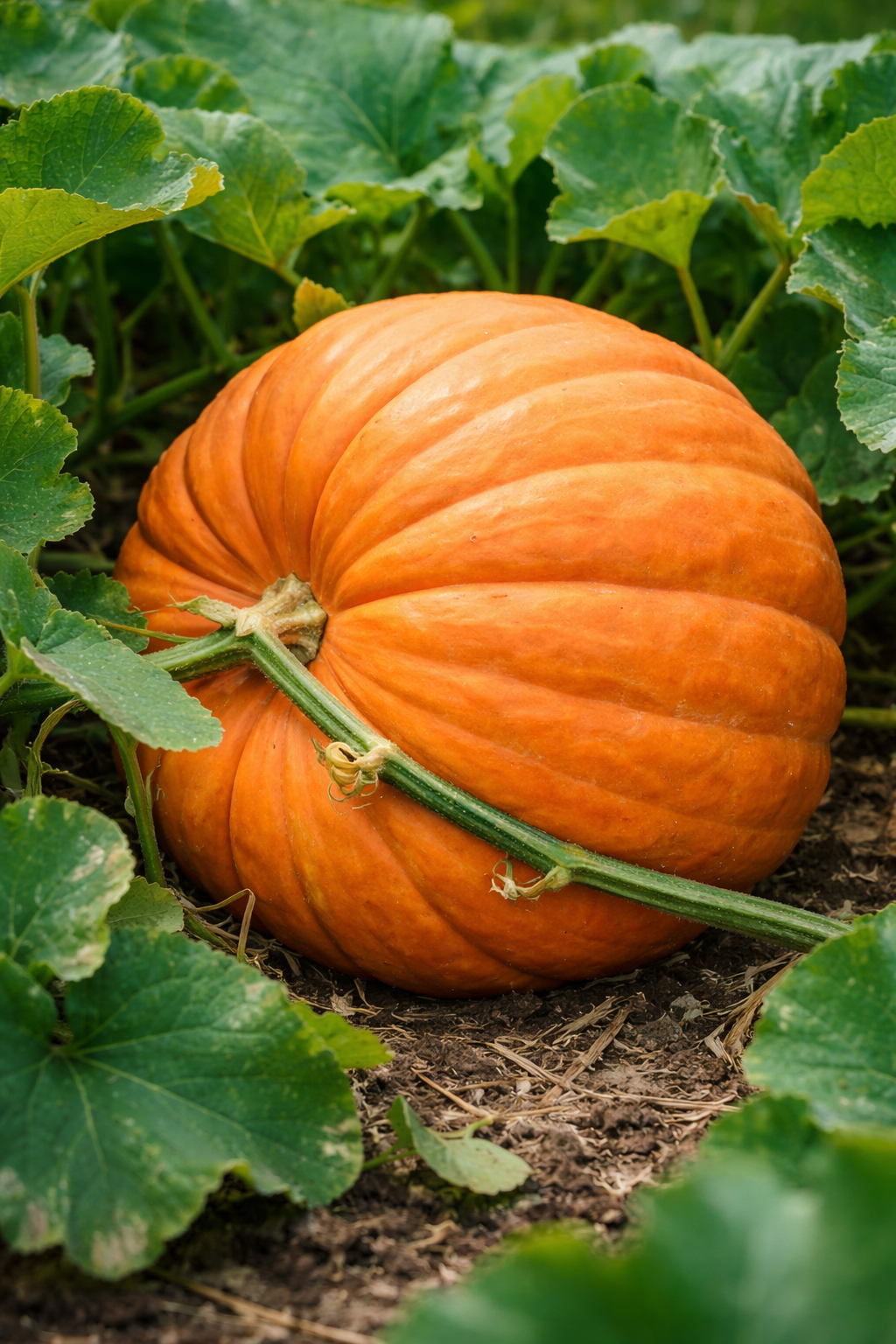
This pumpkin stands out for its very large, nearly round fruit with reddish-orange skin and yellow-orange flesh. Its vines need a broad growing area. The supplier describes an average weight of about 45 kg, which varies with growing conditions and care. Pumpkins have a place in autumn activities as well as home cooking. Their use depends on fruit size and the texture you want. A pumpkin used for display needs to stay sound and should not be eaten after prolonged exposure or unhygienic handling. For cooking, choose intact fruit, wash the skin before cutting and prepare the flesh with clean utensils on a stable work surface. Keep food preparation separate from carved seasonal decorations. These Aimers organic seeds let you start the crop from an identified seed packet.
Sold as
Discover the plant
Common namePumpkin
FamilyCucurbitaceae
GenusCucurbita
Speciesmaxima
CultivarBig Max
TypeSeeds
Botanical nameCucurbita maxima
Pumpkin 'Big Max' Seeds — Organic This plant belongs to Cucurbita maxima. This pumpkin stands out for its very large, nearly round fruit with reddish-orange skin and yellow-orange flesh. Its vines need a broad growing area. The supplier describes an average weight of about 45 kg, which varies with growing conditions and care. Its main appeal is the large size for autumn displays and carved pumpkins. Plan the growing space, handling and season length before choosing its location. These Aimers organic seeds let you start the crop from an identified seed packet.
Sow pumpkin seeds once the soil is warm and the risk of frost has passed. Place seeds 2.5 cm deep in planting hills prepared with mature compost. A short indoor start can help in a short growing season; keep each plant in its own container and preserve the root ball when transplanting. Pumpkins develop trailing vines that can cover a large area. The supplier’s directions suggest planting hills about 2 m apart. Leave additional room for developing fruit and keep a clear path through the planting. Adapt the start to your Quebec region and the weather, keeping plants within reach for regular care.
Let pumpkins mature on the plant, then harvest before frost can damage them. Check colour, skin firmness and drying of the fruit stem rather than relying on a single day count. Cut the stem cleanly and lift the fruit from underneath. Get help when moving large specimens. Pumpkins have a place in autumn activities as well as home cooking. Their use depends on fruit size and the texture you want. A pumpkin used for display needs to stay sound and should not be eaten after prolonged exposure or unhygienic handling.
In the garden
- Exposure
- Full sun
- Life cycle
- Annual grown for fruit
Sowing guide
Sowing & germination
Sowing depth
2.5 cm
Spacing / density
Planting hills spaced about 2 m apart
Sowing period
After the last frost, once the soil has warmed
Propagation
Sowing seed
Growing method
To grow Big Max, plan the start and the space for mature plants before sowing. Sow pumpkin seeds once the soil is warm and the risk of frost has passed. Place seeds 2.5 cm deep in planting hills prepared with mature compost. A short indoor start can help in a short growing season; keep each plant in its own container and preserve the root ball when transplanting. Setting plants outdoors too early in cold soil slows their establishment, even on a bright spring day. Harden off seedlings before planting. Pumpkins develop trailing vines that can cover a large area. The supplier’s directions suggest planting hills about 2 m apart. Leave additional room for developing fruit and keep a clear path through the planting. Gently guide new vines toward their allotted area without abruptly moving sections that have already rooted. Decide on this location before sowing rather than discovering how much room the crop needs in the middle of summer. Prepare loose, well-drained soil enriched with mature compost. Avoid working waterlogged ground because it compacts easily. Remove weeds before sowing and keep the growing area accessible without walking on it. A soil test helps you decide which amendments are useful; do not add lime or fertilizer simply because a general recipe suggests it.
Soil and care
Soil & care
Care level
Moderate
Watering
Maintain steady soil moisture, especially during flowering and fruit growth. Water at the base of the plants and adjust the frequency to rainfall, heat and drainage. Mulch can help reduce drying once the soil has warmed, but keep it clear of the plant’s crown. Waterlogged soil is not an advantage: roots also need air. Good drainage remains essential throughout the season, particularly after heavy rain or when the weather turns cool.
Soil type
Prepare loose, well-drained soil enriched with mature compost. Avoid working waterlogged ground because it compacts easily. Remove weeds before sowing and keep the growing area accessible without walking on it. A soil test helps you decide which amendments are useful; do not add lime or fertilizer simply because a general recipe suggests it. Soil structure and drainage deserve as much attention as fertility. In containers, use an appropriate growing mix rather than compacted garden soil.
Fertilization
Adjust fertilization to the soil’s condition and the crop’s development. Mature compost contributes to garden preparation, but an additional application should not be automatic. Use a fertilizer intended for vegetables and follow its label. In containers, follow the growing mix’s recommendations and monitor plant growth. Increasing the dose does not correct cold conditions, insufficient light or excessive water. Check those growing conditions before deciding that a slow-growing plant needs more nutrients.
Seasonal care
Care for Big Max begins with establishment and continues through the last harvest. Maintain steady soil moisture, especially during flowering and fruit growth. Water at the base of the plants and adjust the frequency to rainfall, heat and drainage. Mulch can help reduce drying once the soil has warmed, but keep it clear of the plant’s crown. Waterlogged soil is not an advantage: roots also need air. Good drainage remains essential throughout the season, particularly after heavy rain or when the weather turns cool. Inspect plants regularly, including the undersides of leaves and the area near the crown. Identify symptoms and insects before intervening; their presence alone does not justify treatment. Keep tools clean and remove heavily damaged parts when appropriate for the crop. Avoid actions that injure roots or break stems. Good air circulation, careful watering and an accessible row make monitoring easier throughout the season. Use your observations to decide what action is needed rather than treating every mark in the same way. Let pumpkins mature on the plant, then harvest before frost can damage them. Check colour, skin firmness and drying of the fruit stem rather than relying on a single day count. Cut the stem cleanly and lift the fruit from underneath. Get help when moving large specimens. Use damaged fruit first if it remains sound, and inspect stored fruit regularly in a dry, cool, well-ventilated location. Handle the skin carefully to prevent bruising. At the end of the season, monitor cold nights and finish harvesting according to the plants’ condition. Remove diseased residues and clean tools.
Container growing
Container growing
Plan container growing for Big Max according to the plant’s development and the space available. A vining pumpkin is demanding in a container. It needs a large volume of growing mix, effective drainage and room for its vines to spread freely. Set up the container before the plant becomes difficult to move. Make sure developing fruit rests on a stable surface and does not block a walkway. For a variety with very large fruit, growing in the ground is usually much more practical than using a balcony container. Maintain steady soil moisture, especially during flowering and fruit growth. Water at the base of the plants and adjust the frequency to rainfall, heat and drainage. Mulch can help reduce drying once the soil has warmed, but keep it clear of the plant’s crown. Waterlogged soil is not an advantage: roots also need air. Good drainage remains essential throughout the season, particularly after heavy rain or when the weather turns cool. Adjust fertilization to the soil’s condition and the crop’s development. Mature compost contributes to garden preparation, but an additional application should not be automatic. Use a fertilizer intended for vegetables and follow its label. In containers, follow the growing mix’s recommendations and monitor plant growth.

Bloom and dimensions
Size, flowering & harvest
Growth habit
Vining
Days to maturity
Approximately 120 days depending on the conditions
Harvest
Depends on sowing, weather and the harvest stage
Garden associations
Companion plants & uses
Companion plants
Plan neighbouring crops around their actual needs: light, water, space and harvesting access. Position tall crops where they will cast the least shade on nearby vegetables. Leave paths and avoid combining demanding plants in a small volume of soil. Nearby flowers can add diversity, but their presence does not guarantee protection from pests or a better harvest. Observe the plants, use a reasonable crop rotation and adjust combinations to their growth rather than relying on a list of supposed friends and enemies. Consider the full size of each crop when laying out a bed.
Garden use
Autumn displays and cooked pumpkin. Pumpkins have a place in autumn activities as well as home cooking. Their use depends on fruit size and the texture you want. A pumpkin used for display needs to stay sound and should not be eaten after prolonged exposure or unhygienic handling. For cooking, choose intact fruit, wash the skin before cutting and prepare the flesh with clean utensils on a stable work surface. Keep food preparation separate from carved seasonal decorations. Let pumpkins mature on the plant, then harvest before frost can damage them.
Recipe idea
From garden to table
Edible parts
Fruit flesh
Prepare the Big Max harvest according to its tenderness and your intended use. To make pumpkin purée, remove the seeds and cut the fruit into manageable pieces. Cook the flesh in the oven or steam it until tender, then mash or blend it. Drain if needed to reach the consistency your recipe requires. Use this base in muffins, pies or soups. For soup, add broth gradually and season after tasting. Refrigerate the cooked preparation promptly, or freeze labelled portions. Canning requires a tested method suitable for the food and cannot be replaced by simply filling jars while the mixture is hot. Choose a recipe that suits the texture of your cooked pumpkin. Match the amount you prepare to the size of the fruit and your kitchen equipment. A large pumpkin may require several cutting steps and separate cooking batches. Divide promptly cooled purée into small portions that are easy to use later.
Frequently asked questions
Frequently asked questions
When should I sow Big Max seeds in Quebec?
Sow pumpkin seeds once the soil is warm and the risk of frost has passed. Place seeds 2.5 cm deep in planting hills prepared with mature compost. A short indoor start can help in a short growing season; keep each plant in its own container and preserve the root ball when transplanting. Setting plants outdoors too early in cold soil slows their establishment, even on a bright spring day. Harden off seedlings before planting. In Quebec and across Canada, seasonal conditions vary among regions, urban gardens, exposed sites and sheltered locations. Check the forecast and the actual soil condition before planting. The same variety may develop at different rates in different gardens.
Can I grow Big Max in a container?
A vining pumpkin is demanding in a container. It needs a large volume of growing mix, effective drainage and room for its vines to spread freely. Set up the container before the plant becomes difficult to move. Make sure developing fruit rests on a stable surface and does not block a walkway. For a variety with very large fruit, growing in the ground is usually much more practical than using a balcony container. Maintain steady soil moisture, especially during flowering and fruit growth. Water at the base of the plants and adjust the frequency to rainfall, heat and drainage. Mulch can help reduce drying once the soil has warmed, but keep it clear of the plant’s crown.
How should I water Big Max in the garden?
Maintain steady soil moisture, especially during flowering and fruit growth. Water at the base of the plants and adjust the frequency to rainfall, heat and drainage. Mulch can help reduce drying once the soil has warmed, but keep it clear of the plant’s crown. Waterlogged soil is not an advantage: roots also need air. Good drainage remains essential throughout the season, particularly after heavy rain or when the weather turns cool. Prepare loose, well-drained soil enriched with mature compost. Avoid working waterlogged ground because it compacts easily. Remove weeds before sowing and keep the growing area accessible without walking on it.
When should I harvest Big Max?
Let pumpkins mature on the plant, then harvest before frost can damage them. Check colour, skin firmness and drying of the fruit stem rather than relying on a single day count. Cut the stem cleanly and lift the fruit from underneath. Get help when moving large specimens. Use damaged fruit first if it remains sound, and inspect stored fruit regularly in a dry, cool, well-ventilated location. Handle the skin carefully to prevent bruising. Pumpkins have a place in autumn activities as well as home cooking. Their use depends on fruit size and the texture you want. A pumpkin used for display needs to stay sound and should not be eaten after prolonged exposure or unhygienic handling.
How can I use the Big Max harvest in cooking?
Pumpkins have a place in autumn activities as well as home cooking. Their use depends on fruit size and the texture you want. A pumpkin used for display needs to stay sound and should not be eaten after prolonged exposure or unhygienic handling. For cooking, choose intact fruit, wash the skin before cutting and prepare the flesh with clean utensils on a stable work surface. Keep food preparation separate from carved seasonal decorations. To make pumpkin purée, remove the seeds and cut the fruit into manageable pieces. Cook the flesh in the oven or steam it until tender, then mash or blend it. Drain if needed to reach the consistency your recipe requires. Use this base in muffins, pies or soups. For soup, add broth gradually and season after tasting.