Sale
Sold out

Vegetable seeds
Cucurbitaceae
Pickling Cucumber 'Homemade Pickles' Seeds — Organic
Cucumis sativus
Product code : LOVE-0015
This organic Homemade Pickles cucumber produces firm, crisp fruits on semi-bush plants for homemade pickles. Small white spines and a medium-green colour characterize the fruits. Choose small fruits for miniature pickles or let them reach the size needed for your recipe. The compact habit is useful in a limited garden, provided the plant has enough space and consistent watering. Plant in warm soil after the danger of frost has passed. Harvest regularly by cutting the fruits from the vine. For canning, use a tested method specifying the required acidity and processing steps. Homemade Pickles offers a choice of harvest sizes rather than just one fruit size for every recipe.
- Quantity
- Approximately 65 seeds
- Exposure
- Full sun
Discover the plant
Common namePickling cucumber
FamilyCucurbitaceae
GenusCucumis
Speciessativus
TypeVegetable seeds
Botanical nameCucumis sativus
Pickling Cucumber 'Homemade Pickles' Seeds — Organic (Cucumis sativus) This organic pickling cucumber for homemade preserves corresponds to the supplier’s Homemade Pickles variety. These cucumber seeds are part of the Aimers organic seed range. The semi-bush plants produce medium-green fruits with small white spines, crisp flesh and a firm core. This open-pollinated variety suits both dill pickles and small sweet pickles. Its more compact habit than some other cucumbers makes it easier to accommodate in a small vegetable garden. Pick fruits at about 4 cm long for small pickles.
Sow after the last frost, once the soil has warmed to at least 18°C. Place seeds 1 cm deep in a sunny site sheltered from wind. Starting indoors in fibre pots gives the crop a head start. Plan for frequent harvests when positioning this cucumber in the garden. Keep fruits visible and leave a path that avoids stepping on the vines. Maintain consistent watering as the cucumbers grow. If starting plants indoors, harden them off carefully and transplant gently. Cold nights delay planting; wait for suitable local conditions rather than one planting date for all of Quebec.
Make fresh refrigerator dill pickles, or use a tested canning recipe for pickling cucumbers. Firm fruits are useful, but they do not replace food safety requirements. Cut fruits with a clean tool instead of pulling on the vines. Check the plants regularly: the right harvest size depends on the type of pickle you plan to make. Pickling cucumbers are harvested at the desired size and prepared promptly to retain their firmness. The semi-bush habit makes them easier to fit into the garden, but each plant still needs space and consistent watering.

Sowing guide
It all startswith a seed.
Sowing period
After the last frost, in warm soil
Propagation
Start indoors or sow directly outdoors
Growing method
Sow after the last frost, once the soil has warmed to at least 18°C. Place seeds 1 cm deep in a sunny site sheltered from wind. Starting indoors in fibre pots gives the crop a head start. Plan for frequent harvests when positioning this cucumber in the garden. Keep fruits visible and leave a path that avoids stepping on the vines. Maintain consistent watering as the cucumbers grow. If starting plants indoors, harden them off carefully and transplant gently. Cold nights delay planting; wait for suitable local conditions rather than one planting date for all of Quebec. Prepare the bed before sowing to provide good conditions for germination and emergence. After heavy rain, check drainage rather than automatically adding more water. During dry weather, check moisture near the roots. A plant label records the variety name and helps distinguish successive sowings. Record the stages of growth to adapt future crops to local conditions, without treating an estimated maturity period as a harvest guarantee. Cucumber is a warm-season crop that needs warm soil and planting after the danger of frost has passed. Position this semi-bush cucumber where fruits are visible and easy to reach without stepping on the vines.
Soil and care
The right care,at the right time.
Watering
Cucumbers have relatively shallow roots and need a consistent water supply. Water the soil, preferably in the morning, and adjust the amount to rainfall and heat. Pay particular attention while plants are flowering and fruits are growing. Avoid letting the soil dry out completely between waterings while maintaining good drainage. Keep the root zone evenly moist without leaving water standing, and check containers more frequently during sun and wind.
Soil type
Grow this cucumber in rich, warm, well-drained soil. The supplier recommends sandy loam and a location sheltered from wind. Prepare the bed before planting so roots can establish without sitting in a waterlogged area. Organic matter improves soil structure but does not replace drainage. In a small garden, allow enough space for the semi-bush plant and leave access for harvesting.
Fertilization
Prepare fertile soil to support this cucumber’s growth and production. If adding vegetable fertilizer, follow the label and adjust applications to the soil’s fertility. Do not rely on fertilizer alone to compensate for cold soil, inadequate water or poor drainage. A semi-bush habit does not, by itself, reduce the plant’s needs. The plant still needs warm soil and consistent moisture; fertilizer cannot substitute for those conditions when growth is slow.
Seasonal care
Sow after the last frost, once the soil has warmed to at least 18°C. Place seeds 1 cm deep in a sunny site sheltered from wind. Starting indoors in fibre pots gives the crop a head start. At the start of the season, prepare the soil and remove weeds that compete with young plants. As the plants grow, check moisture regularly and inspect the foliage so that problems are noticed promptly. If leaves are damaged, examine the plant and identify the cause before taking action. Avoid applying treatments simply out of habit. Handle plants gently and use clean tools when harvesting to reduce damage. After harvest, remove spent crop debris and record useful observations about the weather, harvest quality and care provided. These notes help you plan the next season around the conditions in your own garden. Cucumbers have relatively shallow roots and need a consistent water supply. Water the soil, preferably in the morning, and adjust the amount to rainfall and heat. Pay particular attention while plants are flowering and fruits are growing. Avoid letting the soil dry out completely between waterings while maintaining good drainage. Containers need more frequent checks because a limited volume of potting mix dries quickly. Check fruit size during each garden visit and cut cucumbers rather than pulling them from the plant. Keep paths clear so frequent harvesting does not damage vines, and continue monitoring water as fruits develop during warm weather.
Container growing
A garden,within reach.
Pick fruits at about 4 cm long for small pickles. The supplier also describes fruits 12.5 to 15 cm long; choose the size that suits your recipe. This cucumber’s semi-bush habit can work in a large container that provides adequate root space, sun and effective drainage. Choose a stable container and potting mix suitable for vegetables. An undersized pot dries quickly and makes consistent moisture difficult to maintain during production. Plant after the danger of frost in a warm location sheltered from wind. If guiding the vines, install a stable support before they begin to spread. Keep fruits within reach for harvesting and leave flowers accessible to insects. Check potting mix moisture frequently in summer and water at soil level. Avoid saucers that hold water for long periods after a thorough watering. Container growing still requires warmth and regular care; it mainly brings plants closer and makes gardening possible where ground space is limited. Success depends on available root space, light and consistent care. Keep flowers accessible to insects and allow room to reach fruits without stepping on or pulling the vines. A semi-bush habit makes arrangement easier, but does not remove the need for enough potting mix, consistent moisture and a warm, sunny growing site.

Bloom and dimensions
Its place,in your garden.
Days to maturity
Approximately 60 days; an estimate
Harvest
Cut fruits with a clean tool instead of pulling on the vines. Check the plants regularly: the right harvest size depends on the type of pickle you plan to make.
Recipe idea
From the gardento your plate.
Edible parts
Fruits
Make fresh refrigerator dill pickles, or use a tested canning recipe for pickling cucumbers. Firm fruits are useful, but they do not replace food safety requirements. Wash the harvested vegetables thoroughly before preparing them, and use clean utensils. Start with a simple recipe so you can appreciate this variety’s texture and flavour. Herbs, onion or a light dressing can complement the vegetable without masking its flavour. Adjust cutting and cooking to the size you have harvested rather than following one rule for every vegetable. For a complete meal, combine the harvest with ingredients you already enjoy: grains, legumes, other vegetables or a source of protein. Prepare the amount needed for the meal and refrigerate any cut vegetables. For longer-term food preservation, use a tested recipe and follow its exact proportions and processing instructions. Choose cucumber size before preparing your pickle recipe. Small fruits suit miniature pickles, while larger ones can be reserved for another tested preparation that matches their size and firmness.
Frequently asked questions
Your questions,answered.
When should I sow this pickling cucumber in Quebec?
Sow after the last frost, once the soil has warmed to at least 18°C. Place seeds 1 cm deep in a sunny site sheltered from wind. Starting indoors in fibre pots gives the crop a head start. Cucumber is a warm-season crop that needs warm soil and planting after the danger of frost has passed. In Quebec, use local weather conditions rather than a single planting date. Prepare fertile, well-drained soil in a sunny location sheltered from strong winds. The roots need consistent moisture during growth. If starting plants indoors, harden them off gradually and transplant carefully. Position this semi-bush cucumber where fruits are visible and easy to reach without stepping on the vines.
Which cucumber should I grow for homemade pickles?
This organic cucumber for homemade pickles corresponds to the supplier’s Homemade Pickles variety. The semi-bush plants produce medium-green fruits with small white spines, crisp flesh and a firm core. This open-pollinated variety suits both dill pickles and small sweet pickles. Its more compact habit than some other cucumbers makes it easier to accommodate in a small vegetable garden. Pick fruits at about 4 cm long for small pickles. The supplier also describes fruits 12.5 to 15 cm long; choose the size that suits your recipe. These organic seeds allow you to grow the characteristics described for this product in your own garden.
Can I grow this cucumber in a large container?
Pick fruits at about 4 cm long for small pickles. The supplier also describes fruits 12.5 to 15 cm long; choose the size that suits your recipe. This cucumber’s semi-bush habit can work in a large container that provides adequate root space, sun and effective drainage. Choose a stable container and potting mix suitable for vegetables. An undersized pot dries quickly and makes consistent moisture difficult to maintain during production. Plant after the danger of frost in a warm location sheltered from wind. Keep flowers accessible to insects and allow room to reach fruits without stepping on or pulling the vines.
What size should I harvest for homemade pickles?
Cut fruits with a clean tool instead of pulling on the vines. Check the plants regularly: the right harvest size depends on the type of pickle you plan to make. Make fresh refrigerator dill pickles, or use a tested canning recipe for pickling cucumbers. Firm fruits are useful, but they do not replace food safety requirements. Pickling cucumbers are harvested at the desired size and prepared promptly to retain their firmness. The semi-bush habit makes them easier to fit into the garden, but each plant still needs space and consistent watering. Choose cucumber size before preparing your pickle recipe. Small fruits suit miniature pickles, while larger ones can be reserved for another tested preparation that matches their size and firmness.
How should I water this pickling cucumber?
Cucumbers have relatively shallow roots and need a consistent water supply. Water the soil, preferably in the morning, and adjust the amount to rainfall and heat. Pay particular attention while plants are flowering and fruits are growing. Avoid letting the soil dry out completely between waterings while maintaining good drainage. Containers need more frequent checks because a limited volume of potting mix dries quickly. Prepare fertile soil to support this cucumber’s growth and production. If adding vegetable fertilizer, follow the label and adjust applications to the soil’s fertility. Shallow roots make regular moisture checks useful, especially during flowering and fruit growth; good drainage still needs to be maintained.
For a great start to your seeds
The right extras.Right here.
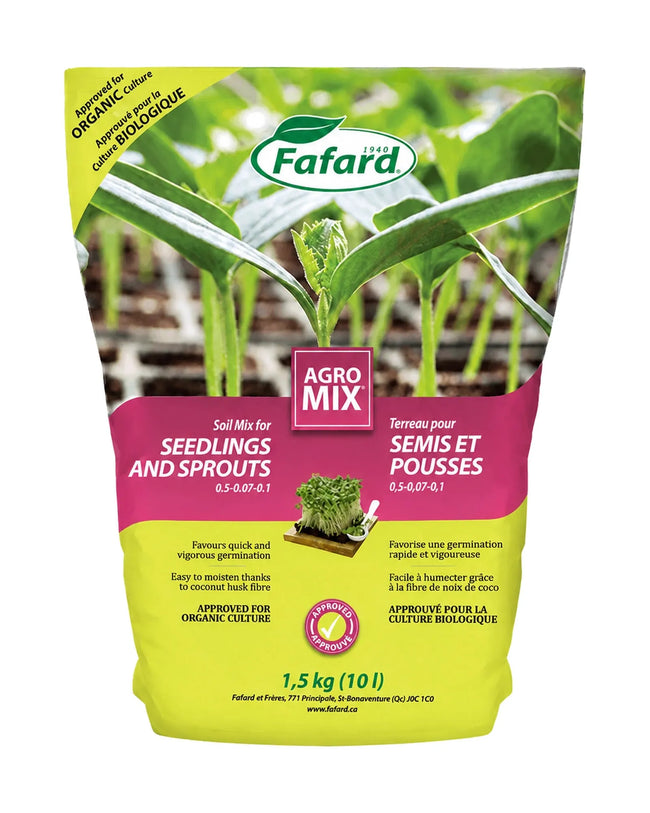
Seed Starting Soil
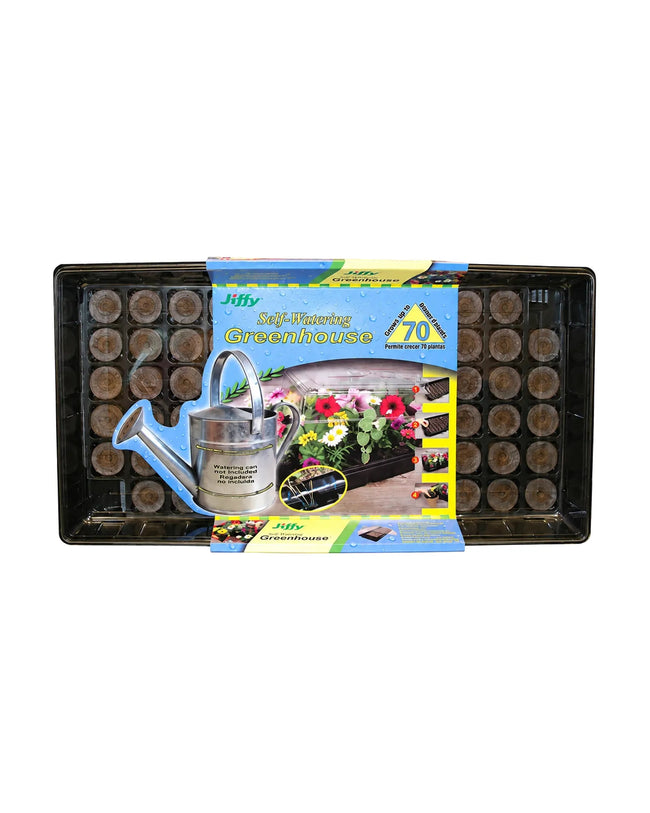
Shop the collectionSeed starting supplies
Shop the collection