Aimers

Winter Squash 'Table Queen' Seeds — Organic

Cucurbita pepo

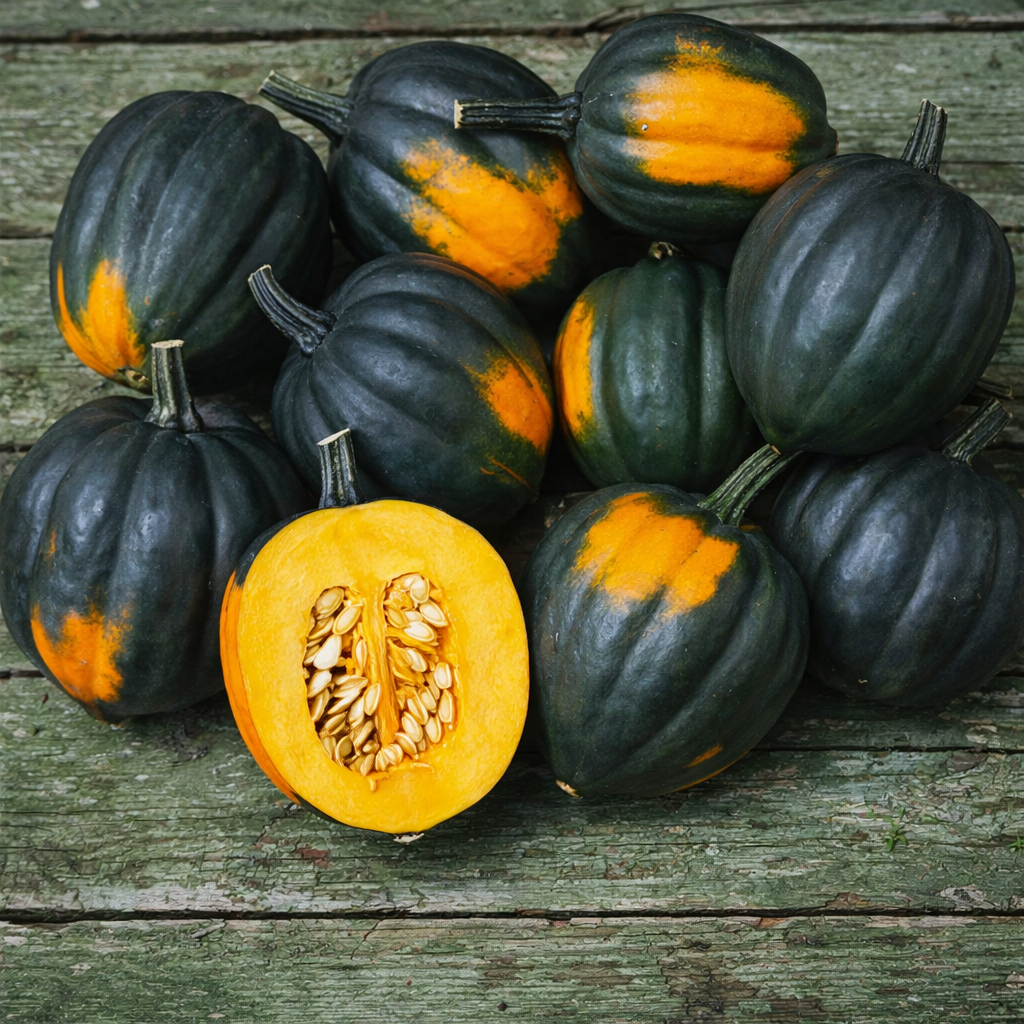
Organic Table Queen acorn squash produces dark-green fruits with pale-yellow flesh. Roasting brings out its sweet flavour and firm texture. The supplier describes fruits about 15 cm in diameter, a practical size to halve and serve according to appetite. Provide warm, fertile, well-drained soil, sun and room for the vines. Plant after the danger of frost has passed. Harvest mature fruits before cold weather and keep healthy squash for storage. Keep the skins as intact as possible to support storage. Table Queen’s acorn shape is useful for serving roasted halves, with the dark skin providing a natural shell around pale-yellow flesh.
Sold as Approximately 20 seeds

Available

3 59 $
Pay in 4 interest-free payments withSezzle

Delivery and pickup: view conditions

Product information
Advice adapted to Canada
Secure payment
Share

Discover the plant

Common nameWinter squash
FamilyCucurbitaceae
GenusCucurbita
Speciespepo
CultivarTable Queen
TypeVegetable seeds
Botanical nameCucurbita pepo

Winter Squash 'Table Queen' Seeds — Organic (Cucurbita pepo) Organic 'Table Queen' is an acorn-type winter squash with hard, dark-green skin and pale-yellow flesh. These squash seeds are part of the Aimers organic seed range. Its sweet flavour and firm texture are particularly suited to roasting. The supplier describes fruits about 15 cm in diameter and notes their storage qualities. This heirloom offers a practical size for serving roasted squash halves with autumn meals. Table Queen fruits suit individual servings or sharing, depending on their size. After harvesting, choose healthy fruits for storage and check their condition regularly before preparing them for autumn meals.

Sow seeds 2.5 cm deep in warm soil after the last frost. The supplier recommends hills spaced 2.4 m apart. Starting indoors in fibre pots is possible before planting out in the garden. Table Queen is still a vining squash that needs room. Prepare the site according to the recommended spacing before sowing and leave access to the fruits. Maintain consistent moisture as plants grow without saturating the soil. Late in the season, harvest before frost and handle squash gently to protect fruits intended for storage. Squash grows well in deep, well-drained soil rich in organic matter.

Halve Table Queen, remove the seeds and roast the halves in the oven. Fill them with grains, onion and herbs, or serve the tender flesh simply as a side dish. Harvest mature squash before frost and keep healthy fruits for storage. Handle them carefully: damaged skin reduces storage life. Winter squash suits autumn meals, roasted, mashed or blended into soup. Its sweet flesh pairs with onion, herbs and spices according to the dish. Wash the harvested vegetables thoroughly before preparing them, and use clean utensils. Prepare the amount needed for the meal and refrigerate any cut vegetables.

In the garden

Exposure
Full sun

Sowing guide

Sowing & germination

Sowing period

After the last frost, in warm soil

Propagation

Start indoors or sow directly outdoors

Growing method

Sow seeds 2.5 cm deep in warm soil after the last frost. The supplier recommends hills spaced 2.4 m apart. Starting indoors in fibre pots is possible before planting out in the garden. Table Queen is still a vining squash that needs room. Prepare the site according to the recommended spacing before sowing and leave access to the fruits. Maintain consistent moisture as plants grow without saturating the soil. Late in the season, harvest before frost and handle squash gently to protect fruits intended for storage. Prepare the bed before sowing to provide good conditions for germination and emergence. After heavy rain, check drainage rather than automatically adding more water. During dry weather, check moisture near the roots. A plant label records the variety name and helps distinguish successive sowings. Record the stages of growth to adapt future crops to local conditions, without treating an estimated maturity period as a harvest guarantee. Winter squash needs a warm season, a sunny location and room for its vines. Although the fruits have a practical serving size, the vines still need ample room. Allow access for watering and maturity checks, then harvest before frost and protect the skins of squash you intend to keep for later meals.

Soil and care

Soil & care

Watering

Water regularly at soil level, adjusting the amount to rainfall and heat. Let young plants establish without prolonged drought, then maintain steady growth as fruits form. Check soil moisture before watering and avoid keeping the ground constantly saturated. Spreading foliage can hide the soil surface: keep access for moisture checks and watering without crushing the vines. Keep access under the foliage so you can check the root zone and direct water onto the soil.

Soil type

Squash grows well in deep, well-drained soil rich in organic matter. Prepare the bed before planting and avoid places where water remains long after rain. The supplier recommends incorporating compost into the soil. The location also needs enough room for the vines and access for checking fruits. Warm soil helps plants establish; waiting until after frost is more useful than sowing too early in cold soil.

Fertilization

Squash benefits from soil enriched with compost before planting. Adjust further feeding to the bed’s fertility and follow the instructions if using vegetable fertilizer. Heavy fertilizer applications without a specific need do not replace warmth, sun or regular watering. The crop also needs room for its vines to develop. Also allow the vines enough room and keep water consistent; extra nutrients do not correct an unsuitable site.

Seasonal care

Sow seeds 2.5 cm deep in warm soil after the last frost. The supplier recommends hills spaced 2.4 m apart. Starting indoors in fibre pots is possible before planting out in the garden. At the start of the season, prepare the soil and remove weeds that compete with young plants. As the plants grow, check moisture regularly and inspect the foliage so that problems are noticed promptly. If leaves are damaged, examine the plant and identify the cause before taking action. Avoid applying treatments simply out of habit. Handle plants gently and use clean tools when harvesting to reduce damage. After harvest, remove spent crop debris and record useful observations about the weather, harvest quality and care provided. These notes help you plan the next season around the conditions in your own garden. Water regularly at soil level, adjusting the amount to rainfall and heat. Let young plants establish without prolonged drought, then maintain steady growth as fruits form. Check soil moisture before watering and avoid keeping the ground constantly saturated. Spreading foliage can hide the soil surface: keep access for moisture checks and watering without crushing the vines. Harvest mature squash before frost and keep healthy fruits for storage. Late in the season, watch frost forecasts while checking fruit maturity. Harvest mature squash before frost and handle carefully to protect the skins.

Container growing

Container growing

Table Queen fruits suit individual servings or sharing, depending on their size. The dark skin contrasts with yellow flesh that is particularly enjoyable when roasted. Winter squash with spreading vines needs a large container and plenty of surrounding space. Before choosing this method, check that the container provides enough potting mix and effective drainage. Place it in a stable, very sunny location and let the vines grow without blocking an essential path. Container growing requires close attention to moisture and fertility, especially as the foliage and fruits develop. An undersized container dries quickly and makes these care requirements harder to meet. If using a support, check that it can carry vines and fruits without tipping. Keep flowers accessible and then watch the fruits until mature. Harvest before frost at the end of the season. For a small balcony or narrow planter, a more compact crop will generally be easier to manage than winter squash. Success depends on available root space, light and consistent care. Allow room outside the container for vines, and make sure any support is stable enough for fruit weight. Keep a route for watering and maturity checks without stepping on stems.
Winter Squash 'Table Queen' Seeds — Organic

Bloom and dimensions

Size, flowering & harvest

Days to maturity

Approximately 80 days; an estimate

Harvest

Harvest mature squash before frost and keep healthy fruits for storage. Handle them carefully: damaged skin reduces storage life.
Winter Squash 'Table Queen' Seeds — Organic

Garden associations

Companion plants & uses

Garden use

Halve Table Queen, remove the seeds and roast the halves in the oven. Fill them with grains, onion and herbs, or serve the tender flesh simply as a side dish. Harvest mature squash before frost and keep healthy fruits for storage. Handle them carefully: damaged skin reduces storage life. Winter squash suits autumn meals, roasted, mashed or blended into soup. Its sweet flesh pairs with onion, herbs and spices according to the dish. Roasted Table Queen halves can hold a grain, onion and herb filling.

Recipe idea

From garden to table

Edible parts

Fruits
Halve Table Queen, remove the seeds and roast the halves in the oven. Fill them with grains, onion and herbs, or serve the tender flesh simply as a side dish. Wash the harvested vegetables thoroughly before preparing them, and use clean utensils. Start with a simple recipe so you can appreciate this variety’s texture and flavour. Herbs, onion or a light dressing can complement the vegetable without masking its flavour. Adjust cutting and cooking to the size you have harvested rather than following one rule for every vegetable. For a complete meal, combine the harvest with ingredients you already enjoy: grains, legumes, other vegetables or a source of protein. Prepare the amount needed for the meal and refrigerate any cut vegetables. For longer-term food preservation, use a tested recipe and follow its exact proportions and processing instructions. Winter squash suits autumn meals, roasted, mashed or blended into soup. Roasted Table Queen halves can hold a grain, onion and herb filling.
Winter Squash 'Table Queen' Seeds — Organic

Frequently asked questions

Frequently asked questions

When should I sow Table Queen squash in Quebec?
Sow seeds 2.5 cm deep in warm soil after the last frost. The supplier recommends hills spaced 2.4 m apart. Starting indoors in fibre pots is possible before planting out in the garden. Winter squash needs a warm season, a sunny location and room for its vines. In Quebec, sow in warm soil after the danger of frost or start plants indoors before planting out. Use deep, fertile, well-drained soil. Harden off young plants and avoid disturbing their roots when transplanting. Leave paths to check flowers and fruits without stepping on the vines. Although the fruits have a practical serving size, the vines still need ample room.
What makes Table Queen squash distinctive?
Organic 'Table Queen' is an acorn-type winter squash with hard, dark-green skin and pale-yellow flesh. Its sweet flavour and firm texture are particularly suited to roasting. The supplier describes fruits about 15 cm in diameter and notes their storage qualities. This heirloom offers a practical size for serving roasted squash halves with autumn meals. Table Queen fruits suit individual servings or sharing, depending on their size. The dark skin contrasts with yellow flesh that is particularly enjoyable when roasted. These organic seeds allow you to grow the characteristics described for this product in your own garden. Table Queen’s acorn shape is useful for serving roasted halves, with the dark skin providing a natural shell around pale-yellow flesh.
Can I grow Table Queen squash in a container?
Table Queen fruits suit individual servings or sharing, depending on their size. The dark skin contrasts with yellow flesh that is particularly enjoyable when roasted. Winter squash with spreading vines needs a large container and plenty of surrounding space. Before choosing this method, check that the container provides enough potting mix and effective drainage. Place it in a stable, very sunny location and let the vines grow without blocking an essential path. Container growing requires close attention to moisture and fertility, especially as the foliage and fruits develop. Allow room outside the container for vines, and make sure any support is stable enough for fruit weight.
How should I harvest and cook Table Queen squash?
Harvest mature squash before frost and keep healthy fruits for storage. Handle them carefully: damaged skin reduces storage life. Halve Table Queen, remove the seeds and roast the halves in the oven. Fill them with grains, onion and herbs, or serve the tender flesh simply as a side dish. Winter squash suits autumn meals, roasted, mashed or blended into soup. Its sweet flesh pairs with onion, herbs and spices according to the dish. Allow more room than for a compact leafy vegetable and monitor the fruits until mature. Roasted Table Queen halves can hold a grain, onion and herb filling.
How should I water Table Queen squash?
Water regularly at soil level, adjusting the amount to rainfall and heat. Let young plants establish without prolonged drought, then maintain steady growth as fruits form. Check soil moisture before watering and avoid keeping the ground constantly saturated. Spreading foliage can hide the soil surface: keep access for moisture checks and watering without crushing the vines. Squash benefits from soil enriched with compost before planting. Adjust further feeding to the bed’s fertility and follow the instructions if using vegetable fertilizer. Check warmth, available vine space and soil moisture together before deciding that slow development requires more fertilizer. Keep access under the foliage so you can check the root zone and direct water onto the soil.

Seed-starting essentials