Aimers

Green Onion 'Evergreen' Seeds — Organic

Allium fistulosum

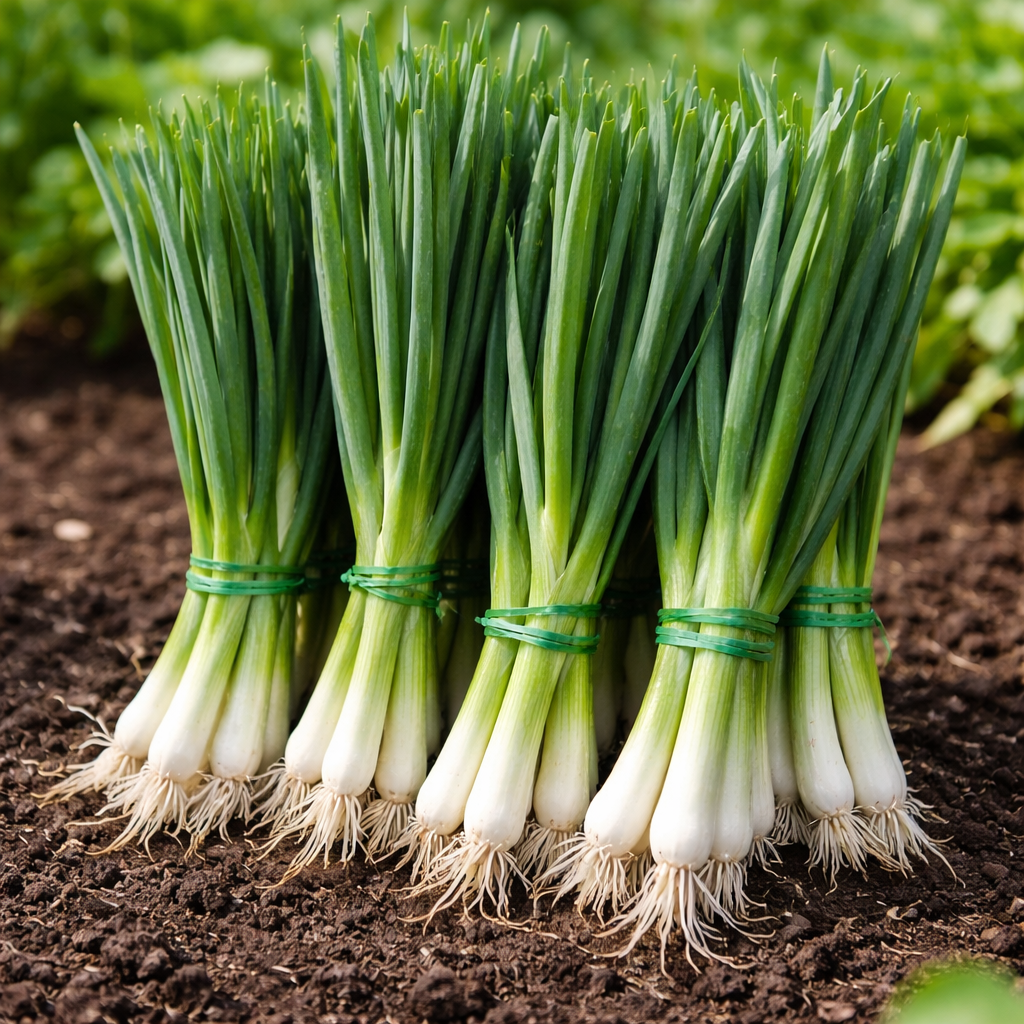
Evergreen is a bunching onion for harvesting green onions rather than large storage bulbs. White stalks and dark green leaves offer a mild flavour for salads, soups and garnishes. Start these organic Aimers seeds indoors or sow directly in the garden, according to the conditions and desired result. Prepare a sunny, well-drained location with little weed competition. In Quebec, time planting according to the soil and weather. Harvest a few leaves or whole plants to adapt the portion to the recipe and keep other growing plants. These plants are grown for stalks and leaves, not storage bulbs. Keep part of the row growing while harvesting the size needed for garnishes or cooked dishes.
Sold as Approximately 400 seeds
2 99 $

Sold out

Pay in 4 interest-free payments withSezzle

Delivery and pickup: view conditions

Product information
Advice adapted to Canada
Secure payment
Share

Discover the plant

Common nameGreen onion
FamilyAmaryllidaceae
GenusAllium
Speciesfistulosum
CultivarEvergreen
TypeSeeds
Botanical nameAllium fistulosum

Green Onion 'Evergreen' Seeds — Organic Allium fistulosum. This Evergreen bunching onion develops upright dark green leaves above a long, tender white stem. Its mild onion flavour suits salads, soups, stews and garnishes. This vegetable is also called a green onion or scallion. These organic Aimers seeds belong to a heritage variety described by OSC. Choose the harvest size you need, taking leaves or an entire plant. This flexibility suits everyday seasoning and distinguishes bunching onions from large storage onions. These plants are grown for stalks and leaves, not storage bulbs.

Start Evergreen indoors if you want larger plants before planting out. Sow green onions in light, well-drained soil in a sunny location. For direct sowing, wait until the soil has drained and warmed sufficiently; dates used elsewhere may not suit your Quebec garden. Prepare a fine seedbed along the row and remove large clods. Water gently to keep the seeds in place and maintain moisture near the surface. When starting these loose seeds indoors, provide good, steady light and gradually acclimate the young plants before planting them outside. Identify the variety to distinguish bunching onions from onions grown for large bulbs.

For Evergreen, OSC suggests cutting foliage or harvesting the whole plant according to the intended use. Harvest bunching onions at the size you prefer. Small stalks make garnishes, while larger plants provide more substance for stir-fries and soups. Take a whole plant with care if you want to use its white part. After cutting foliage, do not assume regrowth will always be equally fast; it depends on plant vigour and conditions. Alternate harvest areas and leave some plants to continue growing. Use white stalks and green leaves according to their texture.

In the garden

Exposure
Full sun

Sowing guide

Sowing & germination

Germination time

7 to 10 days

Sowing period

In spring, according to soil warming and local weather.

Propagation

Direct sowing

Growing method

Start Evergreen indoors if you want larger plants before planting out. Sow green onions in light, well-drained soil in a sunny location. For direct sowing, wait until the soil has drained and warmed sufficiently; dates used elsewhere may not suit your Quebec garden. Prepare a fine seedbed along the row and remove large clods. Water gently to keep the seeds in place and maintain moisture near the surface. When starting these loose seeds indoors, provide good, steady light and gradually acclimate the young plants before planting them outside. Identify the variety to distinguish bunching onions from onions grown for large bulbs. Harvest Evergreen’s long white stalks at the desired size without waiting for a storage bulb. Green onions benefit from limited weed competition. Their narrow leaves let light reach the ground; gentle, regular weeding keeps weeds from taking over. Work delicately near the roots. Maintain consistent moisture for tender stalks, while allowing excess water to drain. Check the soil before watering again, especially after the rain. Slow growth can come from cold or competition, without automatically justifying an addition of fertilizer. Watch growth and adjust fertilizer to actual soil fertility rather than a rigid schedule.

Soil and care

Soil & care

Watering

Check moisture in the soil or potting mix before watering again. During germination, water with a gentle spray to keep the surface moist without displacing seeds. After emergence, adjust watering to root development, heat and wind. Excess water must be able to drain away. Rain may not wet a sheltered container as thoroughly as a garden bed; check the growing area rather than watering on a fixed schedule.

Soil type

Light, loose, well-drained soil helps green onions establish. Young roots require regular moisture without persistent saturation. Prepare a fine row so the seeds or tape make good contact with the soil. Weed early, as the narrow foliage does not cover the entire surface quickly. In containers, use a vegetable potting mix and drainage holes rather than compacted garden soil. Keep the row surface accessible for gentle early weeding.

Fertilization

For green onions, keep fertilizer applications measured and matched to stalk growth rather than large-bulb production. Base fertilization on soil fertility, plant vigour and how heavily you harvest. Organic matter can provide a useful foundation, but keep additional applications measured. For containers, follow the directions on the fertilizer selected for vegetables or herbs. Adding fertilizer will not automatically correct slow growth caused by cold, insufficient light or saturated soil.

Seasonal care

Harvest Evergreen’s long white stalks at the desired size without waiting for a storage bulb. Green onions benefit from limited weed competition. Their narrow leaves let light reach the ground; gentle, regular weeding keeps weeds from taking over. Work delicately near the roots. Maintain consistent moisture for tender stalks, while allowing excess water to drain. Check the soil before watering again, especially after the rain. Slow growth can come from cold or competition, without automatically justifying an addition of fertilizer. Watch growth and adjust fertilizer to actual soil fertility rather than a rigid schedule. For Evergreen, OSC suggests cutting foliage or harvesting the whole plant according to the intended use. Harvest bunching onions at the size you prefer. Small stalks make garnishes, while larger plants provide more substance for stir-fries and soups. Take a whole plant with care if you want to use its white part. After cutting foliage, do not assume regrowth will always be equally fast; it depends on plant vigour and conditions. Alternate harvest areas and leave some plants to continue growing. This arrangement supplies green onions of different sizes without emptying the entire planting at once. As stalks enlarge, decide which plants to harvest whole and which to leave for later portions. After cutting foliage, watch the plant’s actual regrowth before taking another substantial portion. A few successive sections can provide different stalk sizes when the local season allows them to develop.

Container growing

Container growing

A container row of Evergreen keeps green onions within reach for garnishes. For container-grown bunching onions, choose a pot with drainage holes that is stable enough for balcony winds. The potting mix should retain moisture while allowing excess water to drain. Place the container in sun and sow without trying to fill every centimetre. The long leaves need light and space that makes it easy to harvest. Monitor watering during germination and hot weather, as small volumes of potting mix dry quickly. Remove a few stalks or plants gradually to open up the crop. Renew sowings to match your needs instead of expecting an endless yield from one container. Harvest Evergreen’s long white stalks at the desired size without waiting for a storage bulb. Green onions benefit from limited weed competition. Their narrow leaves let light reach the ground; gentle, regular weeding keeps weeds from taking over. Work delicately near the roots. Maintain consistent moisture for tender stalks, while allowing excess water to drain. Check the soil before watering again, especially after the rain. Slow growth can come from cold or competition, without automatically justifying an addition of fertilizer. Watch growth and adjust fertilizer to actual soil fertility rather than a rigid schedule.
Green Onion 'Evergreen' Seeds — Organic

Garden associations

Companion plants & uses

Garden use

Chop Evergreen’s green leaves over soup just before serving; the white stalk suits stir-fries. White stalks and green leaves season salads, soups and stir-fried dishes. Finely cut the firmer parts and add them early in a brief cooking process; add leaves later to retain freshness. The mild onion flavour also suits omelettes, rice bowls and garnishes. Harvest a small bunch sized for the meal so you can use the crop gradually. This bunching onion is commonly called a green onion in Quebec. Choosing this leafy vegetable supplies seasoning without requiring a harvest of large storage bulbs.

Recipe idea

From garden to table

Chop Evergreen’s green leaves over soup just before serving; the white stalk suits stir-fries. To use green onions in an omelette, slice the white part finely and gently brown it before adding the eggs. Keep some of the green leaves for finishing to keep a fresh note. The same principle applies to stir-fried vegetables: add firmer parts first and green leaves towards the end. For potato salad, let the potatoes cool to warm, then mix with a small amount of green onion and light seasoning. Taste before adding more to avoid covering the other ingredients. Add a few sliced rings to soup when serving. The white part and the foliage are therefore not limited to a single use. Cut them according to the texture you want to keep. Evergreen and White Lisbon offer the mild flavour described by OSC; adjust the portion to the stalk size and meal. The green leaves can finish a rice bowl.
Green Onion 'Evergreen' Seeds — Organic

Frequently asked questions

Frequently asked questions

When and how should I sow bunching onions in Quebec?
Start Evergreen indoors if you want larger plants before planting out. Sow green onions in light, well-drained soil in a sunny location. For direct sowing, wait until the soil has drained and warmed sufficiently; dates used elsewhere may not suit your Quebec garden. Prepare a fine seedbed along the row and remove large clods. Water gently to keep the seeds in place and maintain moisture near the surface. When starting these loose seeds indoors, provide good, steady light and gradually acclimate the young plants before planting them outside. Identify the variety to distinguish bunching onions from onions grown for large bulbs.
Can I grow bunching onions in containers?
A container row of Evergreen keeps green onions within reach for garnishes. For container-grown bunching onions, choose a pot with drainage holes that is stable enough for balcony winds. The potting mix should retain moisture while allowing excess water to drain. Place the container in sun and sow without trying to fill every centimetre. The long leaves need light and space that makes it easy to harvest. Monitor watering during germination and hot weather, as small volumes of potting mix dry quickly. Remove a few stalks or plants gradually to open up the crop. Renew sowings to match your needs instead of expecting an endless yield from one container.
How do I harvest bunching onions at the right stage?
For Evergreen, OSC suggests cutting foliage or harvesting the whole plant according to the intended use. Harvest bunching onions at the size you prefer. Small stalks make garnishes, while larger plants provide more substance for stir-fries and soups. Take a whole plant with care if you want to use its white part. After cutting foliage, do not assume regrowth will always be equally fast; it depends on plant vigour and conditions. Alternate harvest areas and leave some plants to continue growing. This arrangement supplies green onions of different sizes without emptying the entire planting at once. Use white stalks and green leaves according to their texture.
How can I use bunching onions in cooking?
Chop Evergreen’s green leaves over soup just before serving; the white stalk suits stir-fries. White stalks and green leaves season salads, soups and stir-fried dishes. Finely cut the firmer parts and add them early in a brief cooking process; add leaves later to retain freshness. The mild onion flavour also suits omelettes, rice bowls and garnishes. Harvest a small bunch sized for the meal so you can use the crop gradually. This bunching onion is commonly called a green onion in Quebec. Choosing this leafy vegetable supplies seasoning without requiring a harvest of large storage bulbs. The green leaves can finish a rice bowl.
What should I check if my bunching onions get off to a poor start?
Evergreen is a bunching onion: a thin stalk can already be useful in cooking without becoming a large bulb. If seedlings remain slender, check their light, soil moisture and weed competition. More fertilizer does not necessarily correct a slow start in cool soil. Persistent saturation calls for better drainage or a different location. If the seed tape dries at the surface, restore gentle, consistent moisture before deciding to resow. Remember the product’s purpose: bunching onions are harvested for their stalks and leaves. A small swelling at the base does not mean the plants should become large storage onions. Remember that slender stalks can already be useful.

Seed-starting essentials

Click a product to build your selection.

Your selection

Total