

Sale
Sold out

Seeds
Fabaceae
Aimers
Bush Bean 'Tendergreen' Seeds — Organic
Phaseolus vulgaris
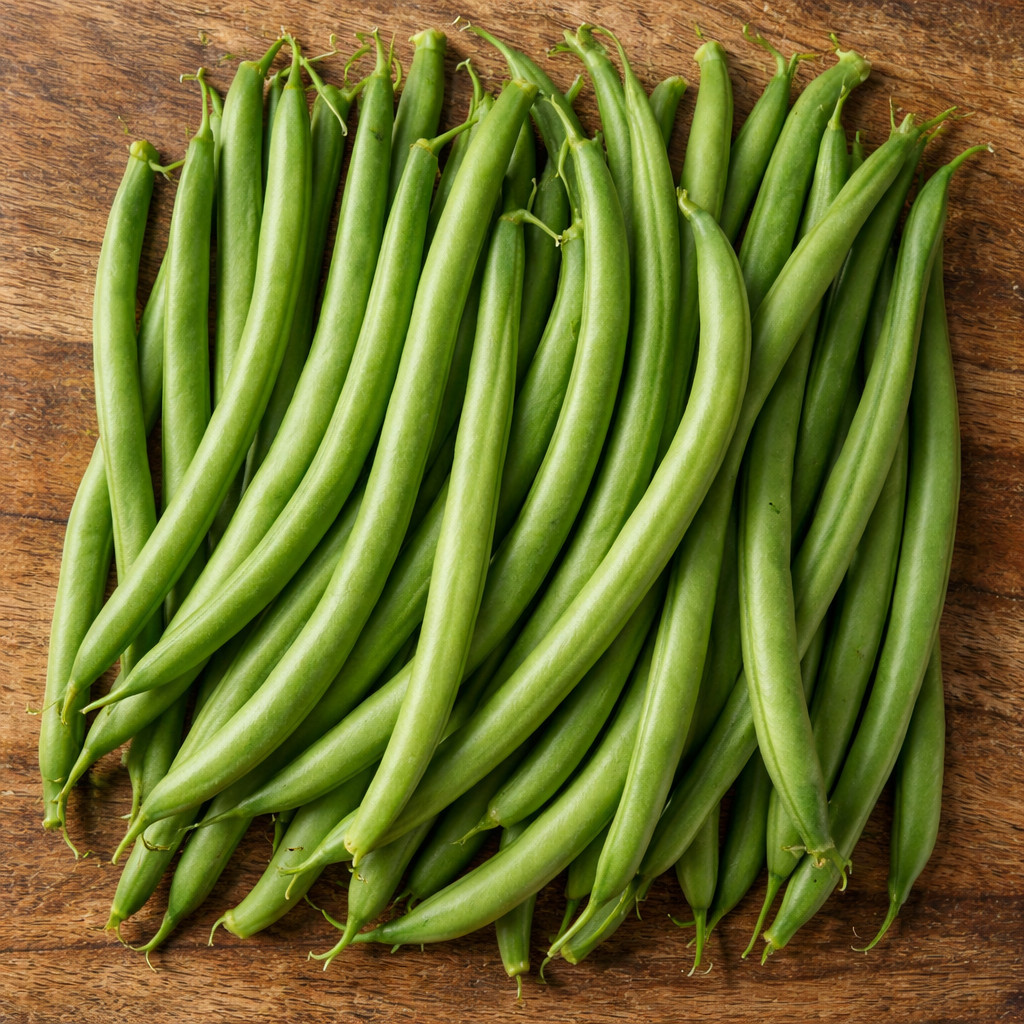
Tendergreen is an organic Aimers bush bean chosen for straight green pods that are nearly stringless. The bush habit needs no large climbing structure. Sow directly in light, well-drained soil after frost risk has passed; the seeds need thoroughly warmed soil. Water regularly during flowering and pod formation, then pick at the tender stage. In Quebec, leave enough time before autumn if you want a second sowing. OSC’s stated mosaic tolerance is specific; continue monitoring leaf health and avoid handling wet plants. The supplier describes Tendergreen as an open-pollinated variety. Avoid handling wet foliage during harvest, and keep the row accessible so pods hidden beneath the leaves are not overlooked.
Sold as
Discover the plant
Common nameBush bean
FamilyFabaceae
GenusPhaseolus
Speciesvulgaris
CultivarTendergreen
TypeSeeds
Botanical namePhaseolus vulgaris
Bush Bean 'Tendergreen' Seeds — Organic Phaseolus vulgaris. This organic Tendergreen bush bean produces straight green pods that OSC describes as nearly stringless. Their tenderness and mild flavour make this variety useful in vegetable-garden harvests. The seeds are open-pollinated, and the supplier states mosaic-virus tolerance without claiming resistance to every disease. The bush habit makes an accessible row easy to establish without a large climbing structure. Harvesting at the right stage brings out pod quality for varied cooked side dishes. The supplier describes Tendergreen as an open-pollinated variety. Avoid handling wet foliage during harvest, and keep the row accessible so pods hidden beneath the leaves are not overlooked.
Sow Tendergreen after the soil warms; direct sowing avoids unnecessary transplanting of young beans. Sow beans directly in the garden after frost risk has passed and the soil has thoroughly warmed. Cold, wet conditions can hinder emergence. Choose a sunny site with light, fertile, well-drained soil. For Tendergreen, the supplier recommends soil at least 16 °C, a sowing depth of 2.5 cm and 8 cm between seeds in the row. Cover, then water without saturating. Reserve space to access the plants during the harvest. Successive sowings can spread the harvest if the remaining season before cold weather allows the last sowing to develop.
OSC describes Tendergreen pods as nearly stringless, but harvesting them young is still preferable for tenderness. Pick pods while they are tender, before the seeds inside enlarge substantially. Inspect plants often, as beans hidden under the foliage can quickly exceed the desired stage. Hold the stem with one hand and detach the pod carefully to avoid tearing a branch. Harvest preferably when the foliage is dry. Frequent picking lets you use pods at a good texture, but does not guarantee production until frost. To spread the harvest, combine regular inspection with small successive sowings suited to your local season length.
In the garden
- Exposure
- Full sun
Sowing guide
Sowing & germination
Sowing depth
2.5 cm
Germination time
7 to 10 days
Sowing period
In spring, according to soil warming and local weather.
Propagation
Direct sowing
Growing method
Sow Tendergreen after the soil warms; direct sowing avoids unnecessary transplanting of young beans. Sow beans directly in the garden after frost risk has passed and the soil has thoroughly warmed. Cold, wet conditions can hinder emergence. Choose a sunny site with light, fertile, well-drained soil. For Tendergreen, the supplier recommends soil at least 16 °C, a sowing depth of 2.5 cm and 8 cm between seeds in the row. Cover, then water without saturating. Reserve space to access the plants during the harvest. Successive sowings can spread the harvest if the remaining season before cold weather allows the last sowing to develop. Tendergreen’s mosaic-virus tolerance does not remove the need to watch for other leaf damage. Water regularly, especially during flowering and pod formation, without keeping the soil constantly wet. Direct water onto the soil when possible. Avoid handling beans when their foliage is wet to limit the spread of certain diseases. Weed gently and keep a clear passage for harvesting. Excess nitrogen fertilizer can encourage too much foliage instead of balanced crop growth. The announced tolerance to a specific problem does not make the plant invulnerable. Examine leaves and pods and identify symptoms before changing your care.
Soil and care
Soil & care
Watering
Check moisture in the soil or potting mix before watering again. During germination, water with a gentle spray to keep the surface moist without displacing seeds. After emergence, adjust watering to root development, heat and wind. Excess water must be able to drain away. Rain may not wet a sheltered container as thoroughly as a garden bed; check the growing area rather than watering on a fixed schedule.
Soil type
Tendergreen prefers a light soil, rich in organic matter and well drained. Seeds dislike cold, wet soil; wait for the ground to warm before sowing. The supplier recommends at least 16 °C in the soil for this variety. Carefully prepared soil keeps a water reserve without being saturated. Avoid compaction and reserve passages to access pods without trampling the row.
Fertilization
OSC recommends avoiding high-nitrogen fertilizers for Tendergreen, as they can encourage too much foliage. Base fertilization on soil fertility, plant vigour and how heavily you harvest. Organic matter can provide a useful foundation, but keep additional applications measured. For containers, follow the directions on the fertilizer selected for vegetables or herbs. Adding fertilizer will not automatically correct slow growth caused by cold, insufficient light or saturated soil. Check the growing conditions first.
Seasonal care
Tendergreen’s mosaic-virus tolerance does not remove the need to watch for other leaf damage. Water regularly, especially during flowering and pod formation, without keeping the soil constantly wet. Direct water onto the soil when possible. Avoid handling beans when their foliage is wet to limit the spread of certain diseases. Weed gently and keep a clear passage for harvesting. Excess nitrogen fertilizer can encourage too much foliage instead of balanced crop growth. The announced tolerance to a specific problem does not make the plant invulnerable. Examine leaves and pods and identify symptoms before changing your care. OSC describes Tendergreen pods as nearly stringless, but harvesting them young is still preferable for tenderness. Pick pods while they are tender, before the seeds inside enlarge substantially. Inspect plants often, as beans hidden under the foliage can quickly exceed the desired stage. Hold the stem with one hand and detach the pod carefully to avoid tearing a branch. Harvest preferably when the foliage is dry. Frequent picking lets you use pods at a good texture, but does not guarantee production until frost. To spread the harvest, combine regular inspection with small successive sowings suited to your local season length. Once flowering begins, check moisture rather than waiting for the leaves to show stress. During picking, support the stem as you detach each pod so frequent harvests do not tear branches.
Container growing
Container growing
Tendergreen’s bush habit suits an accessible container better than training on a tall trellis. Try bush beans in a stable container with drainage holes and enough room for several uncrowded plants. Install it in the sun after the risk of frost. Use a vegetable potting mix and maintain consistent moisture during pod formation. A container that dries out completely between waterings creates difficult growing conditions. Tendergreen’s bush habit avoids a large climbing structure, but the plants still need good airflow. Leave room to reach beneath the leaves and pick without breaking stems. Tendergreen’s mosaic-virus tolerance does not remove the need to watch for other leaf damage. Water regularly, especially during flowering and pod formation, without keeping the soil constantly wet. Direct water onto the soil when possible. Avoid handling beans when their foliage is wet to limit the spread of certain diseases. Weed gently and keep a clear passage for harvesting. Excess nitrogen fertilizer can encourage too much foliage instead of balanced crop growth. The announced tolerance to a specific problem does not make the plant invulnerable. Examine leaves and pods and identify symptoms before changing your care. A bush bean container still needs room for airflow.

Garden associations
Companion plants & uses
Garden use
Cook the Tendergreen pods and season them with parsley and a little butter for a simple accompaniment. Tendergreen’s green pods suit cooked side dishes, stir-fries and salads made with cooked beans. Their mild flavour pairs with fresh herbs and simple seasoning. Sort the harvest into similarly sized pods so they cook evenly. The very young beans and those whose seeds are already more developed do not give the same texture. Plan portions around the week’s meals to spread their use. Freezing is an option after an appropriate preparation.
Recipe idea
From garden to table
Cook the Tendergreen pods and season them with parsley and a little butter for a simple accompaniment. Cook the beans Tendergreen until you get the texture you like, then season them with some butter or oil and fresh herbs. For even cooking, group similarly sized pods first. A stir-fry can then combine cooked beans, sliced onions and carrot pieces. The firmer ingredients are prepared before adding pods to avoid unnecessarily prolonging their cooking. Another option is to let cooked beans cool down and then add them to a potato salad. Add dressing gradually and taste to preserve their mild flavour. This simple preparation highlights the variety’s nearly stringless pods. The more ripe pods may have a different texture; then adjust the cut and cooking rather than treat the whole harvest in the same way. Serve a portion corresponding to the prepared meal. Group similar pods for even cooking. Larger, more mature pods can have a different texture, so adjust preparation rather than expecting one cooking time for the entire harvest.
Frequently asked questions
Frequently asked questions
When and how should I sow bush beans in Quebec?
Sow Tendergreen after the soil warms; direct sowing avoids unnecessary transplanting of young beans. Sow beans directly in the garden after frost risk has passed and the soil has thoroughly warmed. Cold, wet conditions can hinder emergence. Choose a sunny site with light, fertile, well-drained soil. For Tendergreen, the supplier recommends soil at least 16 °C, a sowing depth of 2.5 cm and 8 cm between seeds in the row. Cover, then water without saturating. Reserve space to access the plants during the harvest. Successive sowings can spread the harvest if the remaining season before cold weather allows the last sowing to develop.
Can I grow bush beans in a container?
Tendergreen’s bush habit suits an accessible container better than training on a tall trellis. Try bush beans in a stable container with drainage holes and enough room for several uncrowded plants. Install it in the sun after the risk of frost. Use a vegetable potting mix and maintain consistent moisture during pod formation. A container that dries out completely between waterings creates difficult growing conditions. Tendergreen’s bush habit avoids a large climbing structure, but the plants still need good airflow. Leave room to reach beneath the leaves and pick without breaking stems. A bush bean container still needs room for airflow.
How do I harvest bush beans at the right stage?
OSC describes Tendergreen pods as nearly stringless, but harvesting them young is still preferable for tenderness. Pick pods while they are tender, before the seeds inside enlarge substantially. Inspect plants often, as beans hidden under the foliage can quickly exceed the desired stage. Hold the stem with one hand and detach the pod carefully to avoid tearing a branch. Harvest preferably when the foliage is dry. Frequent picking lets you use pods at a good texture, but does not guarantee production until frost. To spread the harvest, combine regular inspection with small successive sowings suited to your local season length.
How can I use bush beans in cooking?
Cook the Tendergreen pods and season them with parsley and a little butter for a simple accompaniment. Tendergreen’s green pods suit cooked side dishes, stir-fries and salads made with cooked beans. Their mild flavour pairs with fresh herbs and simple seasoning. Sort the harvest into similarly sized pods so they cook evenly. The very young beans and those whose seeds are already more developed do not give the same texture. Plan portions around the week’s meals to spread their use. Freezing is an option after an appropriate preparation. Tendergreen identifies a particular variety with nearly stringless pods, according to the supplier.
What should I check if my bush beans get off to a poor start?
Tendergreen seeds prefer warm soil; a sunny day does not necessarily mean the soil is ready. If the row is sparse, first check soil temperature, moisture and sowing depth. Seeds in cold, very wet soil can start poorly even when daytime weather is pleasant. After emergence, flowering without beautiful pods can be linked to several stresses: irregular watering, heat, cold or fertilization imbalance. Examine the conditions before increasing fertilizer applications. Tendergreen dwarf bean remains a frost-sensitive crop. In Quebec, a late sowing may not have time to produce, so plan successions for your region and usual autumn conditions. Check drainage alongside soil warmth.