Aimers

Mizuna Seeds — Organic

Brassica rapa

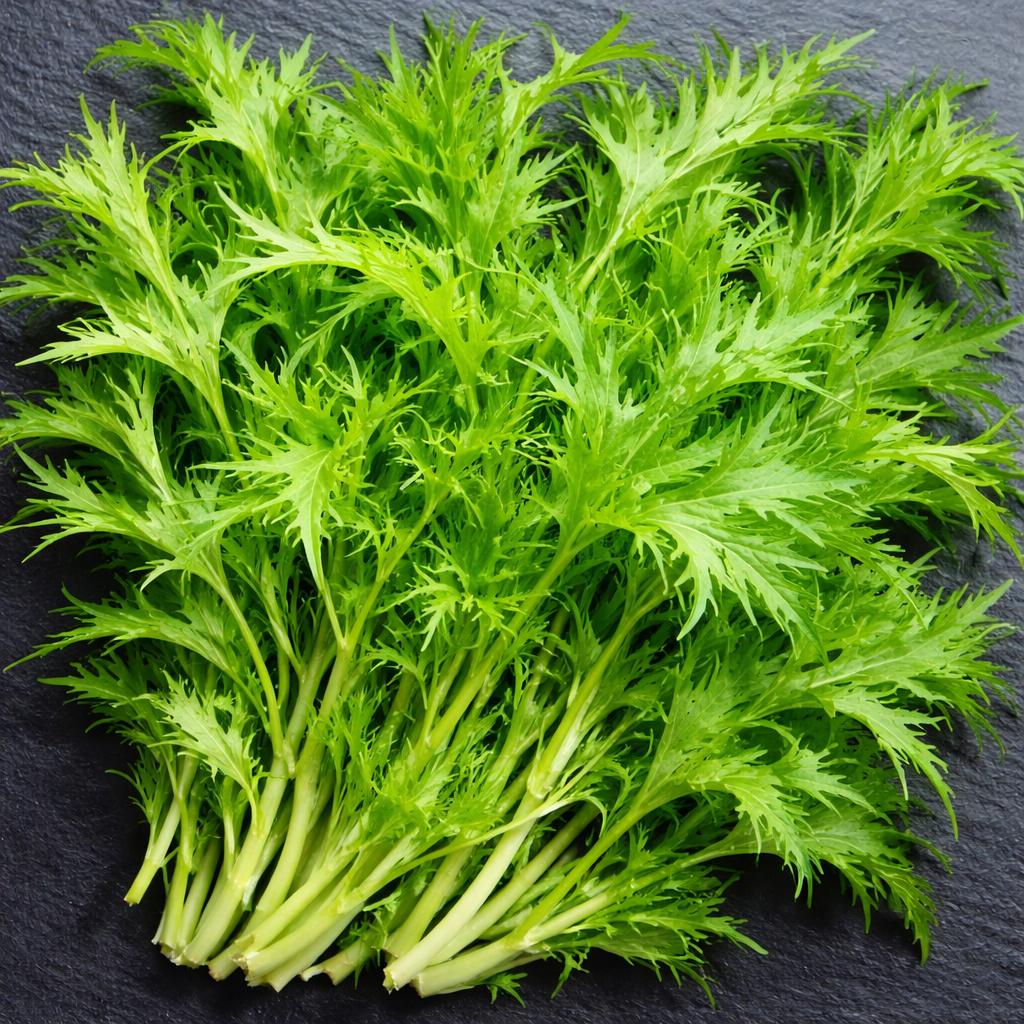
Mizuna contributes deeply cut foliage and a peppery note to salad harvests. This organic Japanese mustard from Aimers has light green leaves with white veins, unlike a typical lettuce. OSC highlights its heat tolerance and resistance to bolting, but moisture and weather still need monitoring. Sow in well-prepared soil and thin the plants to give them room. In Quebec, spring and cool late-season periods provide starting points to adapt to local conditions. Pick leaves gradually for salads, stir-fries or garnishes. Pick a few tender leaves as a fresh garnish when preparing meals. Use a fine seedbed so small shoots are easy to identify and thin without disturbing neighbouring plants.
Sold as Approximately 500 seeds
3 59 $

Available

Pay in 4 interest-free payments withSezzle

Delivery and pickup: view conditions

Product information
Advice adapted to Canada
Secure payment
Share

Discover the plant

Common nameMizuna
FamilyBrassicaceae
GenusBrassica
Speciesrapa
TypeSeeds
Botanical nameBrassica rapa

Mizuna Seeds — Organic Brassica rapa. This Japanese mustard produces broad, deeply serrated light green leaves with distinct white veins. Organic mizuna brings a slightly peppery flavour to salads and sautéed dishes. OSC describes vigorous plants, greater heat tolerance than many greens and resistance to bolting, although a difficult season can still affect them. Its foliage is gradually harvested according to the desired texture. The deeply cut leaves and culinary character of this Asian green diversify the vegetable garden and suit small harvests for meals. Pick a few tender leaves as a fresh garnish when preparing meals.

For mizuna, OSC recommends a depth of 8 to 15 mm and a final spacing of 15 cm. Sow directly into loose, fertile, well-drained soil where the plants will grow. Choose a cool period and time your sowing for the conditions in your Quebec garden. Waterlogged soil is difficult to work and can hinder seedling emergence. Cover the seeds as directed on the packet, then water gently to keep the surface moist. Mark the row, as small seedlings can easily be mistaken for weeds. After emergence, thin the seedlings to give the leaves and stalks room to develop. Staggering sowings can spread out the harvest.

Pick mizuna one leaf at a time to suit the portion needed for a salad or stir-fry. Remove the young leaves when they have reached the desired size and texture. For individual leaf harvests, leave the growing centre intact and avoid stripping the plant bare. You can also harvest the whole plant once it reaches the size needed for your recipe. Regrowth after cutting depends on the growth stage, weather and condition of the plant. Watch the crop during warm spells, as bolting can affect texture and flavour. A fresh sowing can renew the crop rather than relying on endless regrowth.

In the garden

Exposure
Full sun

Sowing guide

Sowing & germination

Sowing depth

8 to 15 mm

Germination time

5 to 10 days

Sowing period

In spring, according to soil warming and local weather.

Propagation

Direct sowing

Growing method

For mizuna, OSC recommends a depth of 8 to 15 mm and a final spacing of 15 cm. Sow directly into loose, fertile, well-drained soil where the plants will grow. Choose a cool period and time your sowing for the conditions in your Quebec garden. Waterlogged soil is difficult to work and can hinder seedling emergence. Cover the seeds as directed on the packet, then water gently to keep the surface moist. Mark the row, as small seedlings can easily be mistaken for weeds. After emergence, thin the seedlings to give the leaves and stalks room to develop. Staggering sowings can spread out the harvest. Mizuna’s heat tolerance does not remove its need for water to keep leaves tender. Maintain consistent moisture during growth, especially while leaves are developing rapidly. Water the soil rather than unnecessarily wetting the entire plant. Weed gently near young plants so repeated maintenance does not disturb their shallow roots. A tidy surface and adequate spacing make the crop easier to inspect. Check leaf undersides and identify the damage before deciding how to respond. Well-fitted insect netting can limit access by some pests, but inspect the plants underneath for insects already present. Avoid excess fertilizer and abrupt swings between dry soil and heavy watering.

Soil and care

Soil & care

Watering

Check moisture in the soil or potting mix before watering again. During germination, water with a gentle spray to keep the surface moist without displacing seeds. After emergence, adjust watering to root development, heat and wind. Excess water must be able to drain away. Rain may not wet a sheltered container as thoroughly as a garden bed; check the growing area rather than watering on a fixed schedule.

Soil type

This Asian green suits fertile, well-drained soil rich in organic matter. Prepare a fine seedbed and maintain a good moisture reserve as the leaves develop. Drainage should remove excess water without allowing the surface to dry suddenly. Work the ground after excess moisture has drained, as sticky soil compacts easily. For containers, choose a vegetable potting mix rather than heavy garden soil.

Fertilization

For this Asian green, aim for steady fertility that supports foliage rather than repeated concentrated applications. Base fertilization on soil fertility, plant vigour and how heavily you harvest. Organic matter can provide a useful foundation, but keep additional applications measured. For containers, follow the directions on the fertilizer selected for vegetables or herbs. Adding fertilizer will not automatically correct slow growth caused by cold, insufficient light or saturated soil. Check the growing conditions first.

Seasonal care

Mizuna’s heat tolerance does not remove its need for water to keep leaves tender. Maintain consistent moisture during growth, especially while leaves are developing rapidly. Water the soil rather than unnecessarily wetting the entire plant. Weed gently near young plants so repeated maintenance does not disturb their shallow roots. A tidy surface and adequate spacing make the crop easier to inspect. Check leaf undersides and identify the damage before deciding how to respond. Well-fitted insect netting can limit access by some pests, but inspect the plants underneath for insects already present. Avoid excess fertilizer and abrupt swings between dry soil and heavy watering. Pick mizuna one leaf at a time to suit the portion needed for a salad or stir-fry. Remove the young leaves when they have reached the desired size and texture. For individual leaf harvests, leave the growing centre intact and avoid stripping the plant bare. You can also harvest the whole plant once it reaches the size needed for your recipe. Regrowth after cutting depends on the growth stage, weather and condition of the plant. Watch the crop during warm spells, as bolting can affect texture and flavour. A fresh sowing can renew the crop rather than relying on endless regrowth. As the season warms, watch for elongating stems or flowers as well as the amount of foliage available.

Container growing

Container growing

Mizuna’s serrated leaves add an interesting texture to a container of leafy vegetables. Container growing requires drainage holes and a potting mix that retains moisture without staying saturated. Place the container in a bright spot with easy access for harvesting. Sow with reasonable spacing, then thin instead of keeping every seedling. Give the leaves room to grow without forming a mass that stays wet. On a sunny balcony, pay close attention to surface drying during germination. Water gently so that the seeds do not move. After emergence, adjust watering to the weather and the condition of the potting mix. Do not leave water standing permanently in the saucer. Mizuna’s heat tolerance does not remove its need for water to keep leaves tender. Maintain consistent moisture during growth, especially while leaves are developing rapidly. Water the soil rather than unnecessarily wetting the entire plant. Weed gently near young plants so repeated maintenance does not disturb their shallow roots. A tidy surface and adequate spacing make the crop easier to inspect. Check leaf undersides and identify the damage before deciding how to respond. Well-fitted insect netting can limit access by some pests, but inspect the plants underneath for insects already present. Avoid excess fertilizer and abrupt swings between dry soil and heavy watering.
Mizuna Seeds — Organic

Garden associations

Companion plants & uses

Garden use

A handful of chopped mizuna complements a rice bowl or adds a peppery note to a salad of milder leaves. Tender leaves work in mixed salads or cooked dishes, depending on the texture and flavour intensity you prefer. Separate the fleshy stalks from the leaves if they need different cooking times. Start with the stems, then add the leaves towards the end to keep a pleasant texture. A garlic stir-fry, soup or mixed vegetable dish can highlight this Asian green. Harvest only what you need when possible. Taste the vegetable before adjusting the seasonings, so a strong sauce does not overwhelm its flavour.

Recipe idea

From garden to table

A handful of chopped mizuna complements a rice bowl or adds a peppery note to a salad of milder leaves. For an Asian-green stir-fry, first separate the fleshy stalks from the tender leaves. Cut the stalks into even pieces and sauté them in a little oil with garlic or ginger. Add the leaves next and stir just until they soften. Adjust seasoning according to the flavour of the vegetable and serve with rice or other vegetables. A second idea is to incorporate leaves into a soup towards the end of the preparation. Add the firmer parts to the broth earlier. Pak choi then supplies two textures, while mizuna contributes a peppery note. For salad, choose the most tender leaves and taste them before selecting the dressing. Light seasoning keeps the crop’s own flavour noticeable. Adjust the quantity to the meal, using a few leaves as a garnish or a larger portion as the main vegetable.
Mizuna Seeds — Organic

Frequently asked questions

Frequently asked questions

When and how should I sow mizuna in Quebec?
For mizuna, OSC recommends a depth of 8 to 15 mm and a final spacing of 15 cm. Sow directly into loose, fertile, well-drained soil where the plants will grow. Choose a cool period and time your sowing for the conditions in your Quebec garden. Waterlogged soil is difficult to work and can hinder seedling emergence. Cover the seeds as directed on the packet, then water gently to keep the surface moist. Mark the row, as small seedlings can easily be mistaken for weeds. After emergence, thin the seedlings to give the leaves and stalks room to develop. Staggering sowings can spread out the harvest.
Can I grow mizuna in a container?
Mizuna’s serrated leaves add an interesting texture to a container of leafy vegetables. Container growing requires drainage holes and a potting mix that retains moisture without staying saturated. Place the container in a bright spot with easy access for harvesting. Sow with reasonable spacing, then thin instead of keeping every seedling. Give the leaves room to grow without forming a mass that stays wet. On a sunny balcony, pay close attention to surface drying during germination. Water gently so that the seeds do not move. After emergence, adjust watering to the weather and the condition of the potting mix. Do not leave water standing permanently in the saucer.
How do I harvest mizuna at the right stage?
Pick mizuna one leaf at a time to suit the portion needed for a salad or stir-fry. Remove the young leaves when they have reached the desired size and texture. For individual leaf harvests, leave the growing centre intact and avoid stripping the plant bare. You can also harvest the whole plant once it reaches the size needed for your recipe. Regrowth after cutting depends on the growth stage, weather and condition of the plant. Watch the crop during warm spells, as bolting can affect texture and flavour. A fresh sowing can renew the crop rather than relying on endless regrowth.
How can I use mizuna in cooking?
A handful of chopped mizuna complements a rice bowl or adds a peppery note to a salad of milder leaves. Tender leaves work in mixed salads or cooked dishes, depending on the texture and flavour intensity you prefer. Separate the fleshy stalks from the leaves if they need different cooking times. Start with the stems, then add the leaves towards the end to keep a pleasant texture. A garlic stir-fry, soup or mixed vegetable dish can highlight this Asian green. Harvest only what you need when possible. Taste the vegetable before adjusting the seasonings, so a strong sauce does not overwhelm its flavour.
What should I check if my mizuna gets off to a poor start?
Mizuna’s stated resistance to bolting does not prevent all flowering under difficult conditions. Poor emergence does not automatically mean the seeds are faulty. First check surface moisture, sowing depth and soil condition. A dry crust can impede young shoots, while waterlogged soil lacks aeration. If leaves have holes, look for insects or signs of their activity before taking action. If the plant elongates and flowers, reconsider sowing timing and recent warm spells. In Quebec, conditions can change quickly between spring and summer. Small successive sowings let you adjust without relying on one date for the entire crop. Check the seedbed before deciding to sow again.

Seed-starting essentials

Click a product to build your selection.

Your selection

Total