

Sale
Sold out

Seeds
Brassicaceae
Aimers
Radish 'Sparkler' Seeds — Organic
Raphanus sativus
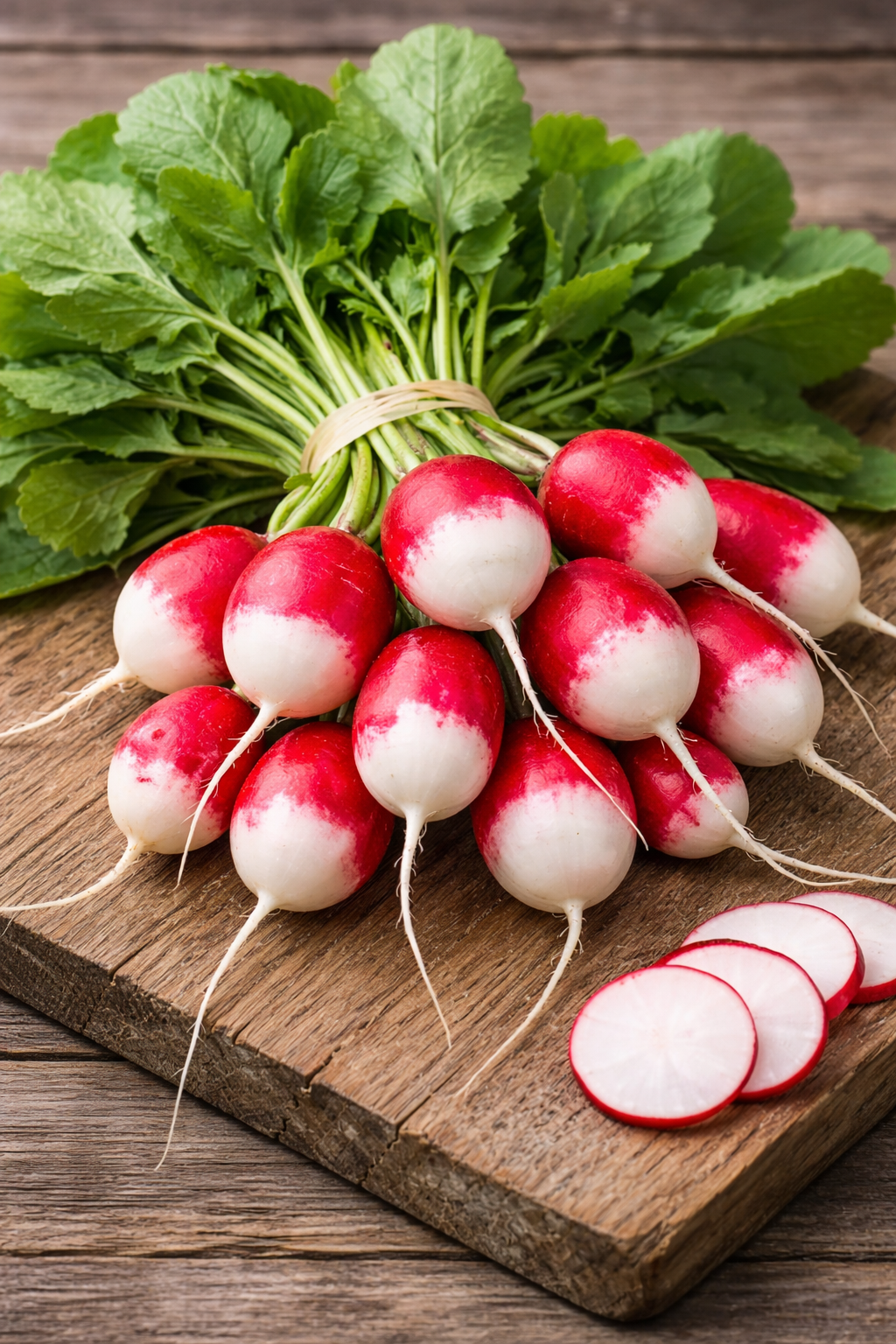
This round radish has a scarlet upper portion and a white base. Its tender, crisp flesh adds colour to salads. The supplier emphasizes regular moisture for root development and flavour quality throughout growth. Pick at a suitable stage rather than waiting for the largest possible roots. Radish roots add crunch to salads, sandwiches and vegetable platters. Harvesting at the right stage gives you a lively flavour without waiting for a long maturation period. Wash roots carefully and trim damaged ends. Thin slices can accompany grain bowls and cold meals. A modest harvest used promptly is often more enjoyable than a row left in the garden too long. Choose firm roots with a texture that suits the way you plan to serve them. These Aimers organic seeds let you start the crop from an identified seed packet.
Sold as
Discover the plant
Common nameRadish
FamilyBrassicaceae
GenusRaphanus
Speciessativus
CultivarSparkler
TypeSeeds
Botanical nameRaphanus sativus
Radish 'Sparkler' Seeds — Organic This plant belongs to Raphanus sativus. This round radish has a scarlet upper portion and a white base. Its tender, crisp flesh adds colour to salads. The supplier emphasizes regular moisture for root development and flavour quality throughout growth. Pick at a suitable stage rather than waiting for the largest possible roots. The red-and-white contrast gives this radish harvest its own appearance. These Aimers organic seeds let you start the crop from an identified seed packet. Keep the seed packet and plant label so you can refer to this variety’s growing directions throughout the season.
Sow radish seeds directly in the garden as soon as the soil can be worked in spring. Prepare a loose surface without large clods, then sow 1.2 cm deep. Leave about 2.5 cm between seeds and 30 cm between rows, following the supplier’s directions. Successive sowings about two weeks apart help spread out the harvest while the weather stays cool. A small part of a garden bed can hold several rows of radishes if you do not sow too thickly. Thin seedlings that are touching to leave room for roots to develop. Adapt the start to your Quebec region and the weather, keeping plants within reach for regular care.
Begin checking radish roots as they approach their harvest size. Pull one to assess texture and flavour, then harvest the others as they become ready. Waiting for the largest possible root can reduce quality. Lift roots carefully, wash them and separate the tops if you are refrigerating the harvest. New sowings can then replace harvested rows while temperatures remain favourable. Radish roots add crunch to salads, sandwiches and vegetable platters. Harvesting at the right stage gives you a lively flavour without waiting for a long maturation period. Wash roots carefully and trim damaged ends. Thin slices can accompany grain bowls and cold meals.
In the garden
- Exposure
- Full sun
- Life cycle
- Annual grown for its roots
Sowing guide
Sowing & germination
Sowing depth
1.2 cm
Spacing / density
2.5 cm between seeds; rows spaced about 30 cm
Germination time
5 to 10 days
Sowing period
Spring and cool weather; successive sowing
Propagation
Sowing seed
Growing method
To grow Sparkler, plan the start and the space for mature plants before sowing. Sow radish seeds directly in the garden as soon as the soil can be worked in spring. Prepare a loose surface without large clods, then sow 1.2 cm deep. Leave about 2.5 cm between seeds and 30 cm between rows, following the supplier’s directions. Successive sowings about two weeks apart help spread out the harvest while the weather stays cool. Label each row so you can follow its stage and compare the results of different sowing dates. A small part of a garden bed can hold several rows of radishes if you do not sow too thickly. Thin seedlings that are touching to leave room for roots to develop. Keep the rows within easy reach so you can check root size and harvest at the right stage. A sunny site and evenly moist soil matter more than packing a large number of seeds into a narrow space. Leave access for careful watering and weeding. Prepare loose, well-drained soil enriched with mature compost. Avoid working waterlogged ground because it compacts easily. Remove weeds before sowing and keep the growing area accessible without walking on it. A soil test helps you decide which amendments are useful; do not add lime or fertilizer simply because a general recipe suggests it.
Soil and care
Soil & care
Care level
Moderate
Watering
Steady moisture is essential for radish germination and root growth. Water gently to avoid moving seeds or creating a crust on the surface. As plants grow, do not let the row dry out completely between waterings. Avoid waterlogged soil as well. Check below the surface instead of judging moisture only by its colour. In a planter, pay particular attention on windy days, when the growing mix can dry quickly even if the temperature is not especially high.
Soil type
Prepare loose, well-drained soil enriched with mature compost. Avoid working waterlogged ground because it compacts easily. Remove weeds before sowing and keep the growing area accessible without walking on it. A soil test helps you decide which amendments are useful; do not add lime or fertilizer simply because a general recipe suggests it. Soil structure and drainage deserve as much attention as fertility. In containers, use an appropriate growing mix rather than compacted garden soil.
Fertilization
Adjust fertilization to the soil’s condition and the crop’s development. Mature compost contributes to garden preparation, but an additional application should not be automatic. Use a fertilizer intended for vegetables and follow its label. In containers, follow the growing mix’s recommendations and monitor plant growth. Increasing the dose does not correct cold conditions, insufficient light or excessive water. Check those growing conditions before deciding that a slow-growing plant needs more nutrients.
Seasonal care
Care for Sparkler begins with establishment and continues through the last harvest. Steady moisture is essential for radish germination and root growth. Water gently to avoid moving seeds or creating a crust on the surface. As plants grow, do not let the row dry out completely between waterings. Avoid waterlogged soil as well. Check below the surface instead of judging moisture only by its colour. In a planter, pay particular attention on windy days, when the growing mix can dry quickly even if the temperature is not especially high. Inspect plants regularly, including the undersides of leaves and the area near the crown. Identify symptoms and insects before intervening; their presence alone does not justify treatment. Keep tools clean and remove heavily damaged parts when appropriate for the crop. Avoid actions that injure roots or break stems. Good air circulation, careful watering and an accessible row make monitoring easier throughout the season. Use your observations to decide what action is needed rather than treating every mark in the same way. Begin checking radish roots as they approach their harvest size. Pull one to assess texture and flavour, then harvest the others as they become ready. Waiting for the largest possible root can reduce quality. Lift roots carefully, wash them and separate the tops if you are refrigerating the harvest. New sowings can then replace harvested rows while temperatures remain favourable. This approach helps you use a small crop promptly rather than leaving a whole row to become overmature. At the end of the season, monitor cold nights and finish harvesting according to the plants’ condition. Remove diseased residues and clean tools.
Container growing
Container growing
Plan container growing for Sparkler according to the plant’s development and the space available. Radishes suit a planter deep enough for their roots to develop and fitted with working drainage holes. Fill it with a loose growing mix and sow directly in the final location. Thin seedlings rather than transplanting them. Place the container in full sun and keep moisture steady without standing water in the saucer. Several small, well-spaced sowings provide a harvest that is easier to use than sowing an entire planter on the same day. Steady moisture is essential for radish germination and root growth. Water gently to avoid moving seeds or creating a crust on the surface. As plants grow, do not let the row dry out completely between waterings. Avoid waterlogged soil as well. Check below the surface instead of judging moisture only by its colour. In a planter, pay particular attention on windy days, when the growing mix can dry quickly even if the temperature is not especially high. Adjust fertilization to the soil’s condition and the crop’s development. Mature compost contributes to garden preparation, but an additional application should not be automatic. Use a fertilizer intended for vegetables and follow its label. In containers, follow the growing mix’s recommendations and monitor plant growth.

Bloom and dimensions
Size, flowering & harvest
Growth habit
Root crop
Days to maturity
Approximately 25 days depending on the conditions
Harvest
Depends on sowing, weather and the harvest stage
Garden associations
Companion plants & uses
Companion plants
Plan neighbouring crops around their actual needs: light, water, space and harvesting access. Position tall crops where they will cast the least shade on nearby vegetables. Leave paths and avoid combining demanding plants in a small volume of soil. Nearby flowers can add diversity, but their presence does not guarantee protection from pests or a better harvest. Observe the plants, use a reasonable crop rotation and adjust combinations to their growth rather than relying on a list of supposed friends and enemies. Consider the full size of each crop when laying out a bed.
Garden use
Salads and crisp fresh roots. Radish roots add crunch to salads, sandwiches and vegetable platters. Harvesting at the right stage gives you a lively flavour without waiting for a long maturation period. Wash roots carefully and trim damaged ends. Thin slices can accompany grain bowls and cold meals. A modest harvest used promptly is often more enjoyable than a row left in the garden too long. Choose firm roots with a texture that suits the way you plan to serve them. Begin checking radish roots as they approach their harvest size. Pull one to assess texture and flavour, then harvest the others as they become ready.
Recipe idea
From garden to table
Edible parts
Roots
Prepare the Sparkler harvest according to its tenderness and your intended use. For radish salad, slice the roots thinly and mix them with cucumber or lettuce leaves. Add a simple vinaigrette, then taste before adding more seasoning. You can also serve whole radishes with a dip or add slices to an open-faced sandwich. For a change, sauté quartered radishes in a small amount of oil until they reach the texture you want. Cooking gives a different result from serving them raw and offers another side-dish option. Use fresh, firm, washed roots. Refrigerate leftover dressed salad and eat it promptly. Match the amount you prepare to the meal rather than cutting the entire harvest at once. Serve small, fresh roots in manageable portions. Their colour remains visible on a vegetable platter, in a salad or on toast. Firmer roots can be quartered for brief cooking. Prepare only what you need and keep the rest cool. A late harvest may be less pleasant even if a dressing adds flavour.
Frequently asked questions
Frequently asked questions
When should I sow Sparkler seeds in Quebec?
Sow radish seeds directly in the garden as soon as the soil can be worked in spring. Prepare a loose surface without large clods, then sow 1.2 cm deep. Leave about 2.5 cm between seeds and 30 cm between rows, following the supplier’s directions. Successive sowings about two weeks apart help spread out the harvest while the weather stays cool. Label each row so you can follow its stage and compare the results of different sowing dates. In Quebec and across Canada, seasonal conditions vary among regions, urban gardens, exposed sites and sheltered locations. Check the forecast and the actual soil condition before planting. The same variety may develop at different rates in different gardens.
Can I grow Sparkler in a container?
Radishes suit a planter deep enough for their roots to develop and fitted with working drainage holes. Fill it with a loose growing mix and sow directly in the final location. Thin seedlings rather than transplanting them. Place the container in full sun and keep moisture steady without standing water in the saucer. Several small, well-spaced sowings provide a harvest that is easier to use than sowing an entire planter on the same day. Steady moisture is essential for radish germination and root growth. Water gently to avoid moving seeds or creating a crust on the surface. As plants grow, do not let the row dry out completely between waterings. Avoid waterlogged soil as well.
How should I water Sparkler in the garden?
Steady moisture is essential for radish germination and root growth. Water gently to avoid moving seeds or creating a crust on the surface. As plants grow, do not let the row dry out completely between waterings. Avoid waterlogged soil as well. Check below the surface instead of judging moisture only by its colour. In a planter, pay particular attention on windy days, when the growing mix can dry quickly even if the temperature is not especially high. Prepare loose, well-drained soil enriched with mature compost. Avoid working waterlogged ground because it compacts easily. Remove weeds before sowing and keep the growing area accessible without walking on it.
When should I harvest Sparkler?
Begin checking radish roots as they approach their harvest size. Pull one to assess texture and flavour, then harvest the others as they become ready. Waiting for the largest possible root can reduce quality. Lift roots carefully, wash them and separate the tops if you are refrigerating the harvest. New sowings can then replace harvested rows while temperatures remain favourable. This approach helps you use a small crop promptly rather than leaving a whole row to become overmature. Radish roots add crunch to salads, sandwiches and vegetable platters. Harvesting at the right stage gives you a lively flavour without waiting for a long maturation period. Wash roots carefully and trim damaged ends. Thin slices can accompany grain bowls and cold meals.
How can I use the Sparkler harvest in cooking?
Radish roots add crunch to salads, sandwiches and vegetable platters. Harvesting at the right stage gives you a lively flavour without waiting for a long maturation period. Wash roots carefully and trim damaged ends. Thin slices can accompany grain bowls and cold meals. A modest harvest used promptly is often more enjoyable than a row left in the garden too long. Choose firm roots with a texture that suits the way you plan to serve them. For radish salad, slice the roots thinly and mix them with cucumber or lettuce leaves. Add a simple vinaigrette, then taste before adding more seasoning. You can also serve whole radishes with a dip or add slices to an open-faced sandwich. For a change, sauté quartered radishes in a small amount of oil until they reach the texture you want.