Sale
Sold out

Seeds
Lamiaceae
Sage Seeds — Organic
Salvia officinalis
Product code : LIKE-0052
Organic Aimers sage provides an aromatic herb with grey-green leaves and mauve flowers. Adjust its pronounced, slightly bitter flavour in omelettes, vegetables and other savoury dishes. Sow according to the selected starting conditions, then set the plants in the sun in a well drained soil. The plant can become woody with age; measured pruning helps retain new growth. In Quebec, OSC’s stated zone calls for winter protection and does not guarantee regrowth at every site. Take a few leaves from an active plant and leave some of the flowering available to bees if you want to combine uses. Allow the young plant time to establish before substantial cutting.
- Quantity
- Approximately 75 seeds
- Exposure
- Full sun
- Hardiness
- Zone 5 with winter protection
Discover the plant
Common nameSage
FamilyLamiaceae
GenusSalvia
Speciesofficinalis
TypeSeeds
Botanical nameSalvia officinalis
Sage Seeds — Organic Salvia officinalis. Organic sage produces aromatic grey-green foliage and spikes of mauve flowers. This culinary sage has a pronounced, slightly bitter flavour used to season savoury dishes. OSC describes a perennial that can become woody with age and recommends encouraging new shoots regularly. Flowers are of interest to bees according to the supplier. Its bushy habit adds texture to an herb garden alongside thyme or other herbs grown in compatible conditions. Consider the site and drainage when interpreting hardiness with winter protection, especially in colder parts of Quebec.
Start sage indoors before planting out if desired; OSC gives 14 to 21 days for germination in warmth. Start aromatic herb seeds in well-drained seed-starting mix and maintain gentle moisture during germination. Provide good light after emergence to produce sturdy plants. Outdoor sowing may also suit the soil and weather, according to the directions for the particular herb. Early stages need patience; keep young shoots from drying out even if mature plants tolerate more drought. Harden young plants off before moving them outdoors. Do not let tiny emerging shoots dry out.
Pick a few sage leaves from healthy shoots, preserving an actively growing structure. Pick leaves or small sprigs from established plants, spreading cuts to retain active foliage. Light harvests suit daily use better than severe pruning of a young plant. The quantity available changes with vigour and season. Also let part of the plant grow freely if you want to enjoy the flowering. For drying, choose sound sprigs and use a method appropriate for culinary herbs. Give recently transplanted plants time to root first. Preserve active shoots when taking a portion.

Sowing guide
It all startswith a seed.
Sowing depth
6 mm
Germination time
14 to 21 days
Sowing period
In spring, according to soil warming and local weather.
Propagation
Direct sowing or an indoor start
Growing method
Start sage indoors before planting out if desired; OSC gives 14 to 21 days for germination in warmth. Start aromatic herb seeds in well-drained seed-starting mix and maintain gentle moisture during germination. Provide good light after emergence to produce sturdy plants. Outdoor sowing may also suit the soil and weather, according to the directions for the particular herb. Early stages need patience; keep young shoots from drying out even if mature plants tolerate more drought. Harden young plants off before moving them outdoors. In Quebec, time the start for frost risk and soil condition rather than a universal date. Sage becomes woody with age; measured cuts encourage new shoots without stripping the whole plant. Choose sun and soil that drains well. After the establishment, check the moisture before watering: the roots must not remain in a constantly saturated soil. Light fertilization often supports growth without forcing an excess of tender foliage. Harvest moderately to preserve a structure capable of producing new shoots. Avoid severe pruning into older growth without checking for active shoots. For perennials, winter drainage and local conditions matter as much as the stated hardiness zone. Observe spring regrowth before deciding which stems to remove or prune.
Soil and care
The right care,at the right time.
Watering
Check moisture in the soil or potting mix before watering again. During germination, water with a gentle spray to keep the surface moist without displacing seeds. After emergence, adjust watering to root development, heat and wind. Excess water must be able to drain away. Rain may not wet a sheltered container as thoroughly as a garden bed; check the growing area rather than watering on a fixed schedule.
Soil type
Sun and effective drainage are essential for this aromatic herb. Prepare soil that does not hold excess water around roots for long periods. Young seedlings still need gentle, consistent moisture to establish. Management then changes with growth and weather conditions. In containers, keep drainage holes clear and avoid leaving water continually in the saucer. Winter drainage is particularly important for perennial cultivation.
Fertilization
The supplier recommends light fertilization for aromatic herbs; excess does not necessarily improve fragrance. Base fertilization on soil fertility, plant vigour and how heavily you harvest. Organic matter can provide a useful foundation, but keep additional applications measured. For containers, follow the directions on the fertilizer selected for vegetables or herbs. Adding fertilizer will not automatically correct slow growth caused by cold, insufficient light or saturated soil.
Seasonal care
Sage becomes woody with age; measured cuts encourage new shoots without stripping the whole plant. Choose sun and soil that drains well. After the establishment, check the moisture before watering: the roots must not remain in a constantly saturated soil. Light fertilization often supports growth without forcing an excess of tender foliage. Harvest moderately to preserve a structure capable of producing new shoots. Avoid severe pruning into older growth without checking for active shoots. For perennials, winter drainage and local conditions matter as much as the stated hardiness zone. Observe spring regrowth before deciding which stems to remove or prune. Pick a few sage leaves from healthy shoots, preserving an actively growing structure. Pick leaves or small sprigs from established plants, spreading cuts to retain active foliage. Light harvests suit daily use better than severe pruning of a young plant. The quantity available changes with vigour and season. Also let part of the plant grow freely if you want to enjoy the flowering. For drying, choose sound sprigs and use a method appropriate for culinary herbs. Give recently transplanted plants time to root first. Do not remove every young shoot while the plant needs them to resume growth. As plants establish, adjust watering to their actual roots and the drainage of the site. Later in the season, distinguish light leaf harvests from severe pruning into older growth.
Container growing
A garden,within reach.
Container-grown culinary sage needs stability and good drainage for its bushy habit. A container with drainage holes makes an aromatic herb easy to grow near the kitchen, provided drainage stays effective. Use a potting mix that holds a reasonable water reserve without prolonged saturation. Place the pot in sun and water according to actual moisture, especially after rain. Container roots face different winter conditions from open ground, including greater temperature fluctuations. In Quebec, plan for that difference when planting a perennial herb. Avoid crowding it beside plants that need constantly wet soil and would complicate watering. Sage becomes woody with age; measured cuts encourage new shoots without stripping the whole plant. Choose sun and soil that drains well. After the establishment, check the moisture before watering: the roots must not remain in a constantly saturated soil. Light fertilization often supports growth without forcing an excess of tender foliage. Harvest moderately to preserve a structure capable of producing new shoots. Avoid severe pruning into older growth without checking for active shoots. For perennials, winter drainage and local conditions matter as much as the stated hardiness zone. Observe spring regrowth before deciding which stems to remove or prune.

Recipe idea
From the gardento your plate.
A small amount of sage seasons an omelette, roasted vegetables or a cheese dish. Prepare roasted vegetables with a small amount of aromatic herb and simple seasoning. Distribute oil and seasonings over similarly sized pieces for even cooking. Thyme also suits stews and sauces, while sage gives a more pronounced flavour to omelettes and savoury garnishes. In either case, begin with a little and taste before increasing the amount. Dried leaves are not automatically measured like fresh portions, as their flavour concentration differs. A marinade can receive a few leaves chosen according to the other ingredients. Avoid combining too many strong aromatics if you want to appreciate the harvested herb. Cutting and cooking time also affect aroma release. These ideas remain culinary uses; they do not constitute therapeutic preparations. Choose servings that are appropriate for the meal and keep a balanced seasoning. Adjust fresh and dried portions separately. Different flavour concentrations mean that equal-looking amounts need not season a dish equally.
Frequently asked questions
Your questions,answered.
When and how should I sow culinary sage in Quebec?
Start sage indoors before planting out if desired; OSC gives 14 to 21 days for germination in warmth. Start aromatic herb seeds in well-drained seed-starting mix and maintain gentle moisture during germination. Provide good light after emergence to produce sturdy plants. Outdoor sowing may also suit the soil and weather, according to the directions for the particular herb. Early stages need patience; keep young shoots from drying out even if mature plants tolerate more drought. Harden young plants off before moving them outdoors. In Quebec, time the start for frost risk and soil condition rather than a universal date. Do not let tiny emerging shoots dry out.
Can I grow culinary sage in containers?
Container-grown culinary sage needs stability and good drainage for its bushy habit. A container with drainage holes makes an aromatic herb easy to grow near the kitchen, provided drainage stays effective. Use a potting mix that holds a reasonable water reserve without prolonged saturation. Place the pot in sun and water according to actual moisture, especially after rain. Container roots face different winter conditions from open ground, including greater temperature fluctuations. In Quebec, plan for that difference when planting a perennial herb. Avoid crowding it beside plants that need constantly wet soil and would complicate watering. Plan winter exposure as well as summer watering.
How do I harvest sage at the right stage?
Pick a few sage leaves from healthy shoots, preserving an actively growing structure. Pick leaves or small sprigs from established plants, spreading cuts to retain active foliage. Light harvests suit daily use better than severe pruning of a young plant. The quantity available changes with vigour and season. Also let part of the plant grow freely if you want to enjoy the flowering. For drying, choose sound sprigs and use a method appropriate for culinary herbs. Give recently transplanted plants time to root first. Do not remove every young shoot while the plant needs them to resume growth. Preserve active shoots when taking a portion.
How can I use sage in cooking?
A small amount of sage seasons an omelette, roasted vegetables or a cheese dish. Fresh and dried leaves differ in intensity. Taste before adding more seasonings. A small harvest when cooking allows you to choose shoots in good condition. Use this herb in savoury dishes where the other ingredients remain noticeable. Keep regular cuts measured to retain an actively growing plant. Restrained seasoning highlights its character better than an accumulation of strong aromas. Vary uses between sauces, vegetable dishes and cooked garnishes to discover texture and flavour differences. Adjust fresh and dried portions separately. Different flavour concentrations mean that equal-looking amounts need not season a dish equally.
What should I check if my sage gets off to a poor start?
Sage’s stated hardiness calls for winter protection and does not guarantee regrowth in an exposed pot. A slow-growing young plant may still be establishing and should not be treated like a mature clump. Check light, moisture and mix aeration before increasing fertilizer. Dying foliage in waterlogged soil may indicate poor drainage. In late winter, the condition of a perennial plant depends on the cold, snow, wind and water held around the roots. The hardiness zone does not guarantee regrowth in every Quebec garden. Observe new shoots and prune for actual growth rather than the appearance of old foliage. Check drainage before increasing water or fertilizer.
Wildlife and pets
Life,around your plants.
Supporting wildlife
OSC describes sage flowers as attractive to bees. To retain this benefit, let some stems flower instead of cutting every shoot. Visits depend on the site and other available plants. This describes flowering rather than guaranteeing insects in every garden. Leave part of the plant in flower while harvesting leaves.
For a great start to your seeds
The right extras.Right here.
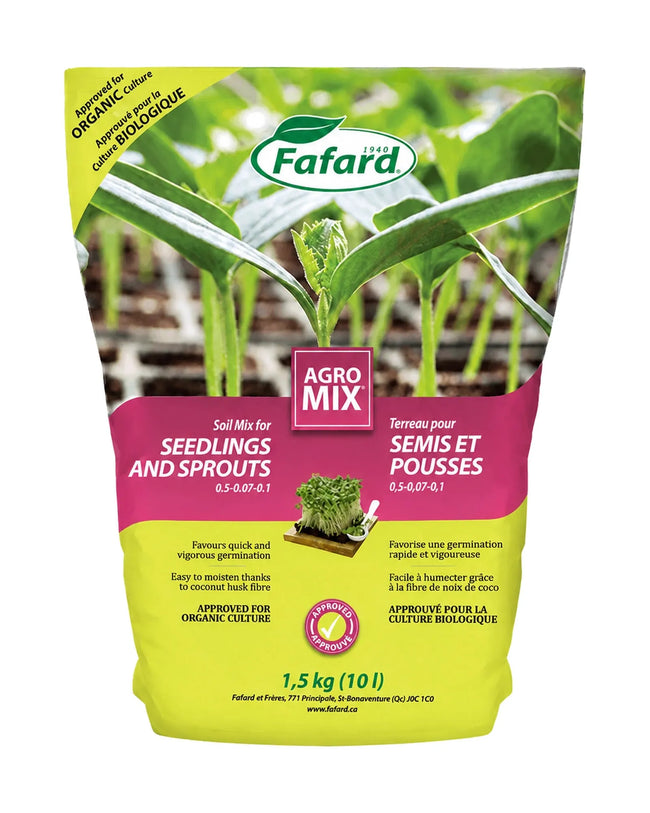
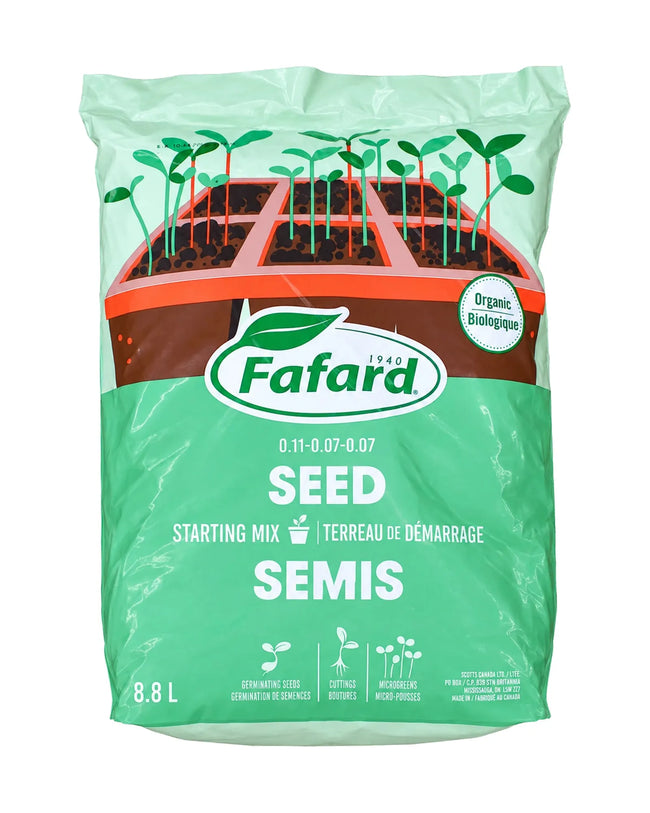
Seed Starting Soil
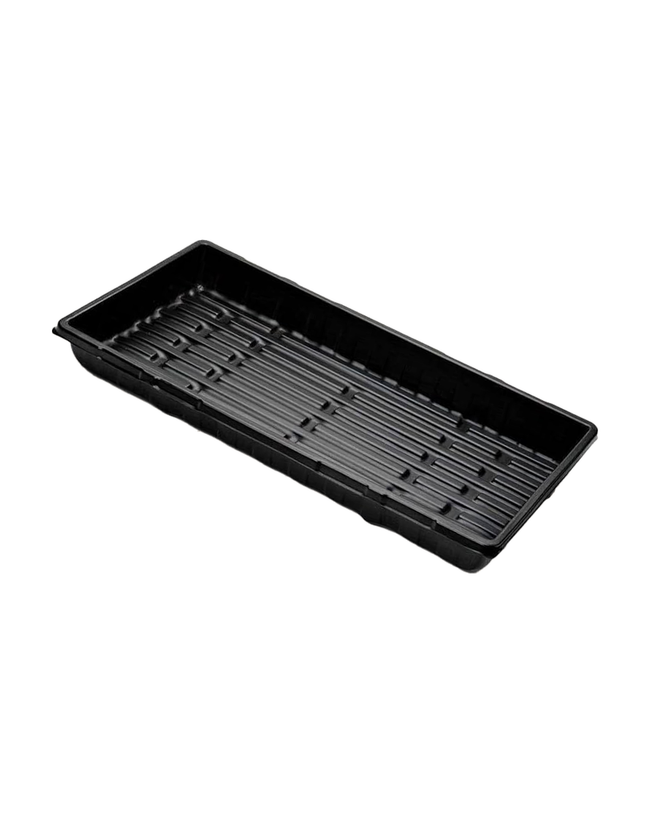
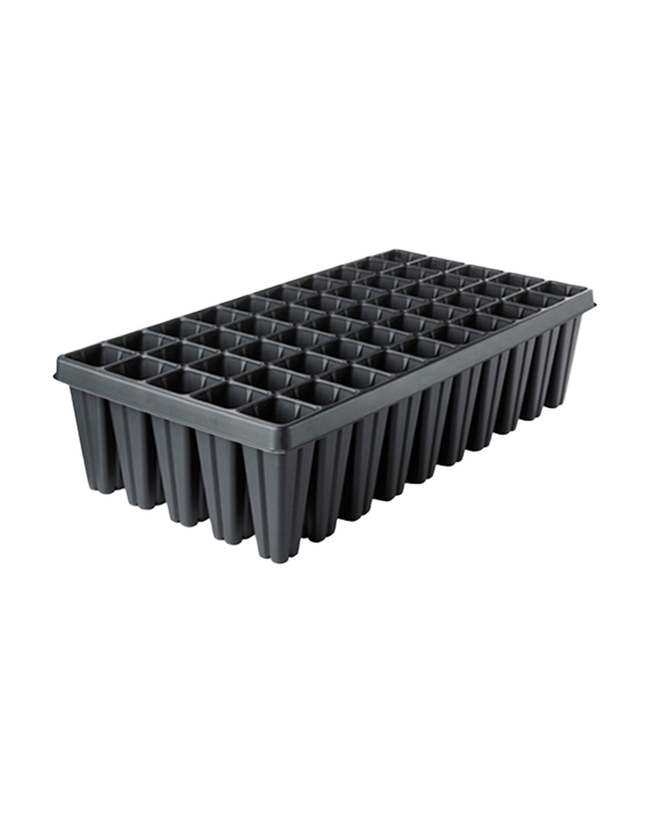
Shop the collectionSeed starting supplies
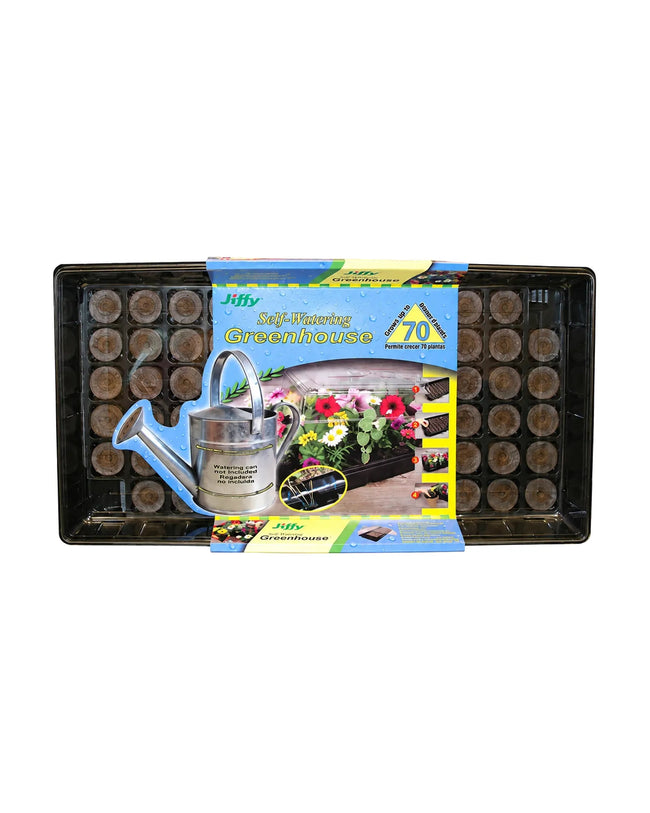
Shop the collection