Indian dill ‘Soya Saag’, certified organic seeds

Anethum graveolens

Product code : GAIAS-0239

Organic Indian dill Soya Saag with aromatic foliage ready in 45 to 60 days. Packet of 25 open-pollinated heirloom seeds. Read the packet directions before starting and keep the label so the variety remains clearly identified throughout the season. Prepare a clean, loose, well-drained growing medium and moisten it before placing the seeds so they are not displaced by the first watering. Keep the seedbed evenly moist without standing water because excess moisture reduces air around developing roots. Move seedlings into bright light as soon as they emerge and rotate containers regularly to encourage balanced growth. Where several seedlings compete for the same space, thin carefully and retain the strongest plants without disturbing their roots.
4 99 $
Pay in 4 interest-free payments with Sezzle
Detailed plant guide
Advice adapted to Canada
Secure payment
Share

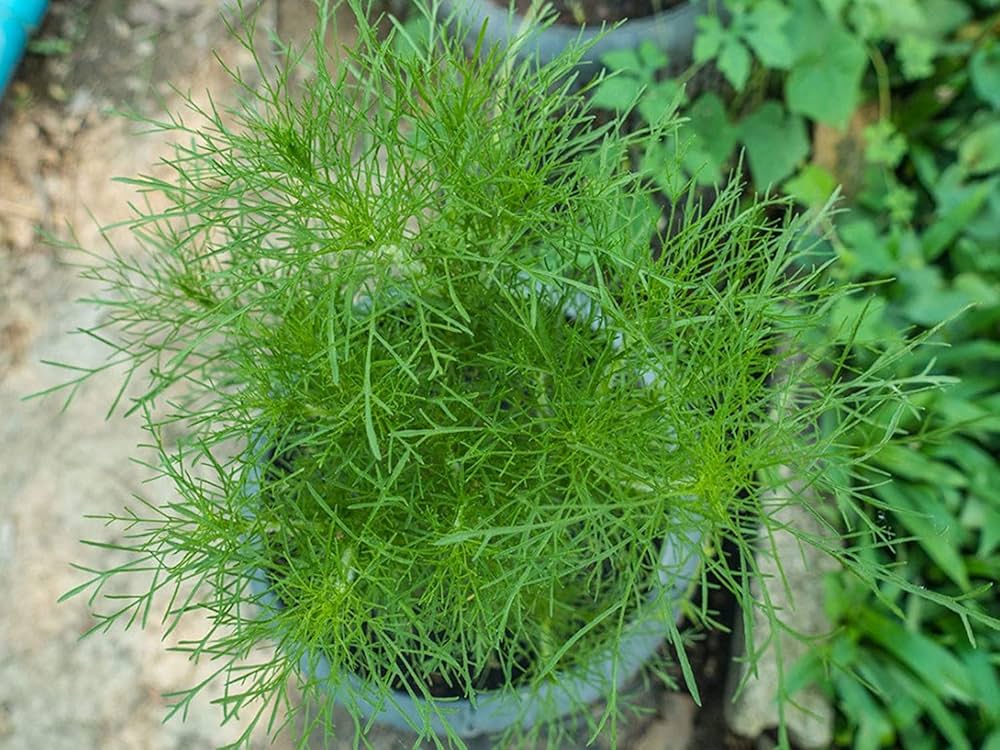
Indian dill ‘Soya Saag’, certified organic seeds (Anethum graveolens) This open-pollinated annual herb produces finely divided foliage with dill’s fresh distinctive aroma. Young leaves can be enjoyed fresh or dried, while flowers and mature seed extend the harvest. Each Gaia packet contains 25 seeds certified organic by Ecocert Canada. The variety is identified as an heirloom and may self-seed when several umbels are allowed to mature. Kew recognizes Anethum graveolens as an accepted species in the Apiaceae family. Gaia lists maturity at 45 to 60 days, making this a useful herb for successive garden harvests.

Direct sow in spring as soon as the soil can be worked. Place seeds 1/4 to 1/2 inch deep, then space plants 18 inches apart and rows 24 inches apart. A temperature of 15 to 21°C, preferably around 18°C, supports germination in 10 to 21 days. This herb prefers full sun and loose fertile well-drained soil. Maintain even moisture during emergence without saturating the ground. Thin seedlings carefully once they are established. Plants reach approximately 24 to 48 inches high and 12 to 24 inches wide. Avoid disturbing the main root after plants begin active growth.

Harvest a few leaves once plants are well established and continue until flowering. Cut as needed without removing all foliage from a single plant so growth can continue. For seed, wait until umbels turn golden brown, cut them, and finish drying in a cool dark ventilated place. Store fully dried seed in an airtight container. Fresh dill leaves can be frozen in ice-cube trays with water or oil. Use the harvest with cucumbers, potatoes, salads, fish, or yogurt sauces according to your taste. Allow selected flowers to remain when you want to support pollinators or collect seed for the next season.

Practical guide

How to use it

Uses in the garden

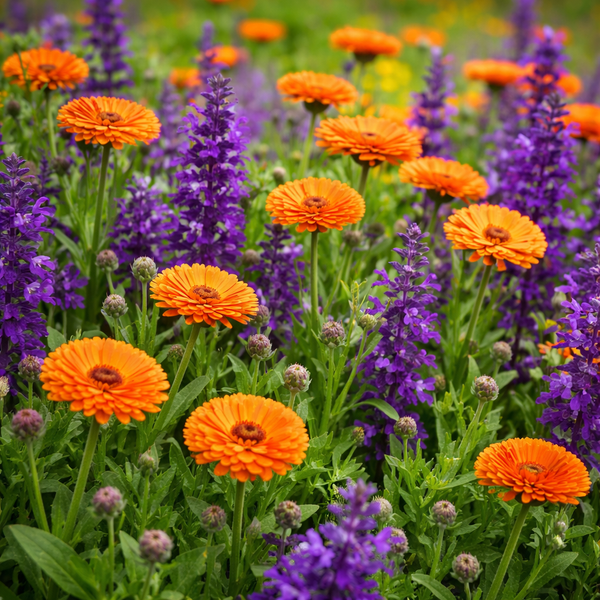
Grow Indian dill in a sunny location near the vegetable or herb garden. Its upright habit uses little ground space, but allow approximately 18 inches between plants for airflow. Direct sow where plants will remain because the main root dislikes transplanting. Repeat small sowings every few weeks when you want a long supply of tender leaves. Yellow umbels add airy texture and attract pollinators; allow several to mature for seed collection or natural self-seeding. Gaia traditionally suggests Brassicas, onion, peppers, cucumber, corn, lettuce, and eggplant as neighbours. Tomato is listed only while dill remains young. Keep mature plants away from carrots, coriander, and tomatoes. These companion-planting suggestions are traditional garden guidance and do not guarantee improved yield. In containers, choose a deep pot, sow directly, and check moisture more often during hot weather. Harvest foliage gradually and leave selected umbels when seed or pollinator value is desired. Read the packet directions before starting and keep the label so the variety remains clearly identified throughout the season. Prepare a clean, loose, well-drained growing medium and moisten it before placing the seeds so they are not displaced by the first watering. Keep the seedbed evenly moist without standing water because excess moisture reduces air around developing roots.

Good to know

Frequently asked questions

01 How many seeds are in the packet?
The packet contains 25 seeds certified organic by Ecocert Canada. Gaia identifies Soya Saag as an annual open-pollinated heirloom that may self-seed when mature umbels remain in the garden. Kew recognizes Anethum graveolens as an accepted species in the Apiaceae family. The seed grows a culinary herb with edible leaves, flowers, and mature seed. Keep the product label near the sowing area so the variety remains easy to identify, especially when other members of the Apiaceae family are grown nearby. Read the packet directions before starting and keep the label so the variety remains clearly identified throughout the season. Prepare a clean, loose, well-drained growing medium and moisten it before placing the seeds so they are not displaced by the first watering.
02 How should the seeds be started?
Direct sow in spring as soon as the soil can be worked. Place seeds 1/4 to 1/2 inch deep in loose well-drained soil. Maintain the seedbed at 15 to 21°C, preferably around 18°C, and keep it evenly moist without standing water. Emergence takes 10 to 21 days. Once seedlings are established, thin them to 18 inches and leave approximately 24 inches between rows. Dill develops a main root that dislikes disturbance, so sowing directly where plants will remain helps reduce transplant stress. Read the packet directions before starting and keep the label so the variety remains clearly identified throughout the season.
03 How long does germination take?
Germination normally takes 10 to 21 days when temperatures remain between 15 and 21°C, with an indicated optimum around 18°C. The seed requires neither cold stratification nor scarification. Even moisture is important throughout emergence, but the soil should not remain saturated. Sow 1/4 to 1/2 inch deep and prevent a hard crust from forming over the seedbed. After seedlings emerge, provide abundant light and thin carefully so the strongest plants remain without disturbing their developing main root. Read the packet directions before starting and keep the label so the variety remains clearly identified throughout the season.
04 How should planting be organized?
Space plants 18 inches apart and rows 24 inches apart in a sunny location. Plants reach approximately 24 to 48 inches high and 12 to 24 inches wide. Gaia traditionally suggests Brassicas, onion, peppers, cucumber, corn, lettuce, and eggplant as neighbours. Tomato is listed only while dill remains young; keep mature dill away from carrots, coriander, and tomatoes. These pairings are garden-planning guidance and do not guarantee improved yield. Prioritize abundant light, effective drainage, and adequate airflow around every plant. Read the packet directions before starting and keep the label so the variety remains clearly identified throughout the season. Prepare a clean, loose, well-drained growing medium and moisten it before placing the seeds so they are not displaced by the first watering.
05 When should it be harvested?
Gaia lists maturity at 45 to 60 days. Harvest leaves in small amounts once plants are established and continue until flowering. For seed, leave several umbels on the plants until they turn golden brown, then cut them in dry weather. Finish drying in a cool dark ventilated place before storing seed in an airtight container. Leaves may be dried in shade or frozen in ice-cube trays with water or oil. Leave several flowers open when you want to provide a resource for pollinating insects. Read the packet directions before starting and keep the label so the variety remains clearly identified throughout the season.