Sale
Sold out

Heath family
Trees and shrubs
Azalea ‘Tri-Lights’
Rhododendron
Each store has its own inventory.
Products and available quantities may vary between Brossard and Laval. To check a store’s inventory, please contact us directly.
Even better: visit us in store to discover the full selection available!
- Exposure
- Partial shade
- Hardiness
- USDA Zones 3–7
Discover the plant
Common nameAzalea
FamilyHeath family
GenusRhododendron
CultivarTri-Lights
TypeShrub
Botanical nameRhododendron
Azalea 'Tri-Lights' (Rhododendron 'Tri-Lights'). Azalea × 'Tri-Lights', or 'Tri-Lights' hardy azalea, is a vibrant spring shrub, unique for its bicolor creamy white and soft pink flowers, sometimes enhanced with a pale yellow throat, which form a delicate and fragrant spectacle in May. Its rounded and graceful habit, combined with light green foliage, makes it an excellent choice for woodland gardens, light shade beds, or romantic borders. As part of the Northern Lights series, 'Tri-Lights' offers exceptional cold hardiness without compromising the abundance of its blooms.
To plant Azalea 'Tri-Lights', choose an appropriate exposure: partial shade. The recommended soil is as follows: acidic, rich, fresh, and well-drained. The soil should maintain regular moisture without retaining water around the roots. Protect flower buds and foliage from drying winds. Avoid deep digging around the base and limit pruning to necessary interventions after observing recovery. Water the root ball before planting and ensure that water can drain after planting. During recovery, check moisture by hand before watering again.
Allow a width of 1.5 m (5 ft) to arrange the plant's space in the garden. The indicated height of 1.5 m (5 ft) helps choose its position relative to neighboring plants. Maintain access to the base for weeding, checking moisture, and removing damaged parts. Pair this variety with plants whose light and water needs are compatible. If you are considering a container, first check that its volume and drainage are suitable for root development. Potted roots are more exposed to cold than those planted in the ground.

Soil and care
The right care,at the right time.
Minimum temperature
'-34°C
Watering
Regular watering
Soil type
Acidic, rich, fresh and well-drained
Fertilization
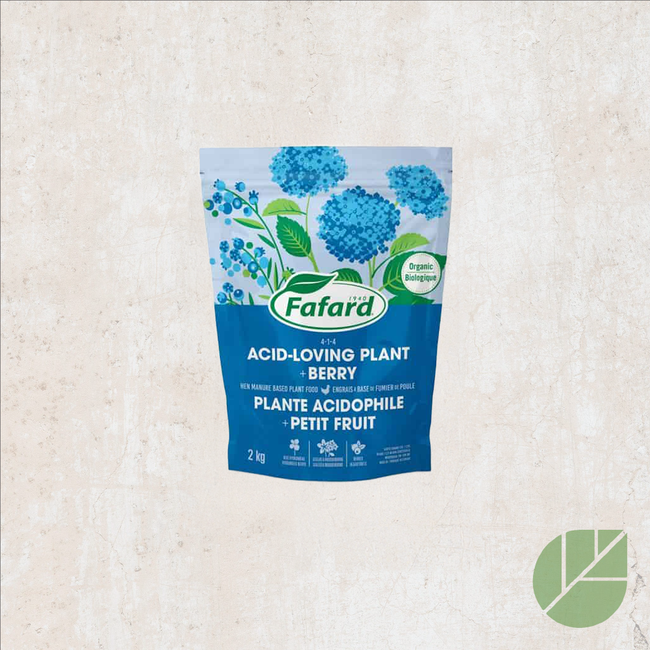
Acidophilus fertilizer in spring. Myke not recommended – use Bionik rooting agent or ground bone meal.
Bloom and dimensions
Its place,in your garden.
Mature height
1 to 1.2 m (39 to 48 inches)
Width / spread
1.2 m (4 feet)
Flower color
White and pink with a yellow throat
Foliage color
Green
Foliage type
Obsolete
Growth rate
average
Growth habit
Rounded, bushy
Bloom period
Spring
Fruiting
Discreet brown capsules
Wildlife and pets
Life,around your plants.
Supporting wildlife
Yes
For your acid-loving plants