Gaia

Organic 'Lime' basil Seeds

Ocimum basilicum

Open-pollinated organic basil with a fresh lime fragrance for salads and soups. Matures in 60 days; approximately 65 seeds. Read the packet directions before starting and keep the label so the variety remains clearly identified throughout the season. Prepare a clean, loose, well-drained growing medium and moisten it before placing the seeds so they are not displaced by the first watering. Keep the seedbed evenly moist without standing water because excess moisture reduces air around developing roots. Move seedlings into bright light as soon as they emerge and rotate containers regularly to encourage balanced growth. Where several seedlings compete for the same space, thin carefully and retain the strongest plants without disturbing their roots. basil seeds are presented here with Canadian seed starting and seasonal care guidance.
Sold as Approximately 65 seeds
4 99 $

Available

Pay in 4 interest-free payments withSezzle

Delivery and pickup: view conditions

Product information
Advice adapted to Canada
Secure payment
Share

Discover the plant

Common nameLime basil; citrus-scented basil
FamilyLamiaceae
GenusOcimum
Speciesbasilicum
CultivarLime
TypeCertified organic open-pollinated seeds
Botanical nameOcimum basilicum
Reproducible seedsYes

Organic 'Lime' basil Seeds (Ocimum basilicum). This annual culinary herb originated in Thailand and stands out for its fresh lime fragrance. Aromatic foliage brightens salads, soups, sauces, marinades, and vegetable dishes. Each Gaia packet contains approximately 65 seeds certified organic by Ecocert Canada. The variety is open pollinated; Gaia does not identify it as an heirloom. Flowers attract many pollinators when selected plants are allowed to bloom. Kew recognizes Ocimum basilicum as an accepted species in the Lamiaceae family. Gaia lists maturity at approximately 60 days, providing a useful harvest through warm summer weather. For practical seed starting, growing from seed succeeds best when the verified product depth, moisture and temperature guidance is followed.

To support germination, you may soak seed in warm water for no more than 12 hours. Sow indoors 6 weeks before the last frost, approximately 1/4 inch deep. A temperature of 15 to 29°C, preferably 23 to 29°C, supports emergence in 8 to 14 days. Move seedlings into bright light and pinch their tops to encourage bushy growth. Harden plants gradually, then transplant after nights become mild and all frost danger has passed. Space plants 10 to 12 inches apart and allow 12 to 18 inches between rows. Avoid setting basil outdoors while the soil remains cold. Use the product details as a clear guide on how to start seeds while keeping the growing medium evenly moist, never saturated. For indoor seed starting, count back from local conditions and frost dates to decide when to start indoor seeds.

Grow lime basil in full sun and fertile loose well-drained soil. Maintain even moisture without saturating the ground. Harvest shoot tips and leaves frequently to support branching; for delicate flavour, pick before flowers open. Cutting stems approximately 6 inches above the ground can encourage renewed growth. Plants reach about 12 to 24 inches high and 12 inches wide. Basil is chilling sensitive: contrary to Gaia’s printed 0°C direction, store stems above 10°C, preferably unwashed in water, and rinse immediately before use. Allow selected flowers to remain when you want to provide forage for pollinators rather than maximize the leaf harvest.

In the garden

Exposure
Full sun
Life cycle
Frost-sensitive annual
Hardiness
Annual grown during the frost-free season

Sowing guide

Sowing & germination

Sowing depth

Approximately 6 mm (1/4 in)

Spacing / density

25 to 30 cm (10 to 12 in) between plants and 30 to 46 cm (12 to 18 in) between rows

Germination temperature

15 to 29 °C (59 to 84.2 °F); ideally 23 to 29 °C (73.4 to 84.2 °F).

Germination time

8 to 14 days

Sowing period

Indoors 6 weeks before the last frost

Propagation

Seed, with an optional warm-water soak for no more than 12 hours

Growing method

For Lime basil; citrus-scented basil, follow these sowing and growing guidelines for the variety. Soak seed in warm water for no more than 12 hours if desired. Sow approximately 1/4 inch deep, 6 weeks before the last frost. Maintain the medium at 15 to 29°C, preferably 23 to 29°C; emergence takes 8 to 14 days. Move seedlings into bright light, keep the mix evenly moist, and pinch their tops to encourage branching. Harden plants gradually, then transplant after frost, 10 to 12 inches apart, once nights are mild. Read the packet directions before starting and keep the label so the variety remains clearly identified throughout the season. Prepare a clean, loose, well-drained growing medium and moisten it before placing the seeds so they are not displaced by the first watering. Keep the seedbed evenly moist without standing water because excess moisture reduces air around developing roots. Move seedlings into bright light as soon as they emerge and rotate containers regularly to encourage balanced growth. Where several seedlings compete for the same space, thin carefully and retain the strongest plants without disturbing their roots. Before outdoor planting, gradually acclimatize young plants to wind, sunlight, and changing temperatures over several days. Follow the stated spacing so air can move between plants and each plant receives adequate light, water, and nutrients. This seed starting sequence supports reliable growing from seed while preserving the product-specific depth and temperature facts.

Soil and care

Soil & care

Soil pH

Slightly acidic to neutral, approximately 6.0 to 7.5

Minimum temperature

Frost-sensitive plant that dislikes cold nights; wait for consistently mild weather before transplanting

Care level

Easy

Watering

Maintain even moisture, especially in containers and hot weather. Water at soil level when the surface begins to dry without standing water. Read the packet directions before starting and keep the label so the variety remains clearly identified throughout the season. Prepare a clean, loose, well-drained growing medium and moisten it before placing the seeds so they are not displaced by the first watering.

Soil type

Fertile loose organic-rich well-drained soil Read the packet directions before starting and keep the label so the variety remains clearly identified throughout the season. Prepare a clean, loose, well-drained growing medium and moisten it before placing the seeds so they are not displaced by the first watering. Keep the seedbed evenly moist without standing water because excess moisture reduces air around developing roots.

Fertilization

Incorporate mature compost before planting. Light feeding is generally sufficient; avoid excessive nitrogen that can dilute aroma and produce weak stems. Read the packet directions before starting and keep the label so the variety remains clearly identified throughout the season. Prepare a clean, loose, well-drained growing medium and moisten it before placing the seeds so they are not displaced by the first watering.

Moisture

Even moisture with well-aerated foliage

Seasonal care

For Lime basil; citrus-scented basil, adjust seasonal care to the plant’s actual growth cycle. Pinch young plant tops for bushy growth. Harvest shoot tips frequently, water consistently, and remove flowers when foliage is the priority. Retain several flower spikes when you want to support pollinators or collect seed. Read the packet directions before starting and keep the label so the variety remains clearly identified throughout the season. Prepare a clean, loose, well-drained growing medium and moisten it before placing the seeds so they are not displaced by the first watering. Keep the seedbed evenly moist without standing water because excess moisture reduces air around developing roots. Move seedlings into bright light as soon as they emerge and rotate containers regularly to encourage balanced growth. Where several seedlings compete for the same space, thin carefully and retain the strongest plants without disturbing their roots. Before outdoor planting, gradually acclimatize young plants to wind, sunlight, and changing temperatures over several days. Follow the stated spacing so air can move between plants and each plant receives adequate light, water, and nutrients. Water at soil level when the surface begins to dry, then adjust frequency for weather, drainage, and container volume. A light mulch can reduce splashing and moisture swings after the soil has warmed and plants are established. Inspect foliage, stems, and leaf undersides regularly so stress or pests can be addressed early. Feed moderately according to soil fertility; steady growth is preferable to excessive or unbalanced fertilizer applications.

Container growing

Container growing

Recommended pot size

Pot of at least 10 to 15 L and 25 cm (10 in) wide
Growing Lime basil; citrus-scented basil in a container requires suitable volume, drainage, and exposure. This variety grows well in containers. Use a drained pot at least 8 inches deep, place it in full sun, and check moisture daily during hot weather. Read the packet directions before starting and keep the label so the variety remains clearly identified throughout the season. Prepare a clean, loose, well-drained growing medium and moisten it before placing the seeds so they are not displaced by the first watering. Keep the seedbed evenly moist without standing water because excess moisture reduces air around developing roots. Move seedlings into bright light as soon as they emerge and rotate containers regularly to encourage balanced growth. Where several seedlings compete for the same space, thin carefully and retain the strongest plants without disturbing their roots. Before outdoor planting, gradually acclimatize young plants to wind, sunlight, and changing temperatures over several days. Follow the stated spacing so air can move between plants and each plant receives adequate light, water, and nutrients. Water at soil level when the surface begins to dry, then adjust frequency for weather, drainage, and container volume. A light mulch can reduce splashing and moisture swings after the soil has warmed and plants are established.
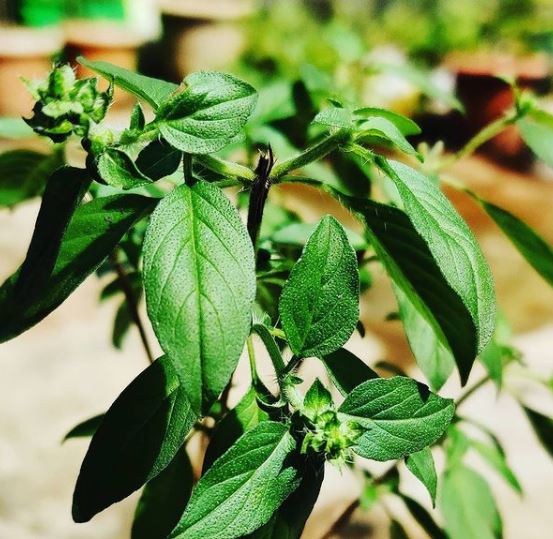
Organic 'Lime' basil Seeds by Gaia, product image prepared for Canadian gardeners.

Bloom and dimensions

Size, flowering & harvest

Mature height

Approximately 30 to 61 cm (12 to 24 in)

Width / spread

Approximately 30 cm (12 in)

Flower color

White to pinkish white

Foliage color

Bright green

Foliage type

Tender oval aromatic leaves

Growth rate

Fast

Growth habit

Upright and bushy after pinching

Fragrance

Fresh, fragrant lime aroma

Bloom period

Spikes of small flowers appear at maturity. Remove them to extend the leaf harvest or retain several for pollinators. Read the packet directions before starting and keep the label so the variety remains clearly identified throughout the season. Prepare a clean, loose, well-drained growing medium and moisten it before placing the seeds so they are not displaced by the first watering.

Fruiting

After flowering, spikes produce small seed. Allow several stems to brown and dry when you want to collect seed from this open-pollinated variety. Read the packet directions before starting and keep the label so the variety remains clearly identified throughout the season. Prepare a clean, loose, well-drained growing medium and moisten it before placing the seeds so they are not displaced by the first watering.

Days to maturity

Approximately 60 days

Harvest

Pinch leaves and shoot tips as needed. Harvest before flowering for delicate flavour. To encourage renewed growth, cut stems approximately 6 inches above the ground while leaving healthy foliage below the cut.
Organic 'Lime' basil Seeds by Gaia, product image prepared for Canadian gardeners.

Garden associations

Companion plants & uses

Companion plants

Gaia traditionally suggests tomato, peppers, asparagus, and oregano as neighbours for lime basil. Prioritize plants that share full sun, fertile soil, and even moisture. Leave enough space for airflow around the foliage and harvest shoot tips regularly. These pairings reflect companion-planting traditions and do not guarantee pest protection or a measurable yield increase. Read the packet directions before starting and keep the label so the variety remains clearly identified throughout the season. Prepare a clean, loose, well-drained growing medium and moisten it before placing the seeds so they are not displaced by the first watering.

Plants to avoid

Gaia recommends keeping basil away from rue. Use this as planning guidance and prioritize adequate light, airflow, and effective drainage.

Garden use

Use lime basil fresh in salads, soups, rolls, marinades, drinks, or sauces where its citrus fragrance can remain noticeable. Add leaves near the end of cooking to preserve their aroma. Harvest shoot tips regularly to encourage branching, then remove flowers when you want to extend foliage production. To hold several stems, keep them unwashed in water at room temperature or above 10°C, then rinse immediately before use. Chilled basil can brown and quickly lose aroma quality. Allow selected flowers to remain when pollinator value or seed collection is preferred.

Recipe idea

From garden to table

Edible parts

Leaves, young stems, flowers, and seed
For four servings with Lime basil; citrus-scented basil, harvest about 30 g of leaves or tender stems at the recommended stage. Rinse them under potable water, dry them carefully, and remove damaged portions. Chop the harvest finely, then combine it with 45 ml of oil, 15 ml of lemon juice or mild vinegar, 5 ml of mustard, and a small pinch of salt. Rest the dressing for ten minutes so the fresh aromas season it naturally. Spoon it over cooked vegetables, a grain salad, or warm potatoes. Adjust the amount of herb to its natural intensity instead of masking its flavour. Keep the preparation in a closed container in the refrigerator and use it within two days. Eat only the correctly identified parts that are confirmed as edible for this plant. Serve promptly to preserve the texture and aromas that distinguish this harvest. Taste before adding more salt so the variety’s own character remains at the centre of the dish. Use a clean board and utensils, then refrigerate promptly any portion that will not be served immediately.
Organic 'Lime' basil Seeds by Gaia, product image prepared for Canadian gardeners.

Frequently asked questions

Frequently asked questions

How many 'Lime' basil seeds are in the packet?
For Lime basil; citrus-scented basil, the packet information states: Approximately 65 seeds. This wording preserves the commercial approximation when one is provided and helps plan the number of containers or the length of the row without turning an estimate into a guaranteed count. Keep the packet closed in a cool, dry, dark place until sowing time. Keep the label with the seedlings so the variety remains correctly identified throughout the season. Use clean containers and write the sowing date on a water-resistant label. Avoid exposing unused seed to moisture or large temperature swings.
How should I start 'Lime' basil seeds in Canada?
For Lime basil; citrus-scented basil, the stated sowing period is Indoors 6 weeks before the last frost. The recommended method is Seed, with an optional warm-water soak for no more than 12 hours, at a depth of Approximately 6 mm (1/4 in). Follow these product-specific directions and adjust timing to the average last-frost date in your area. Moisten the growing medium before placing the seed so the first watering does not displace it. Label every container and maintain even moisture without allowing standing water. Move seedlings into bright light as soon as they emerge to encourage balanced growth. Thin carefully when several seedlings compete for the same space. For seed starting, label the cultivar and use the stated sowing depth instead of a generic estimate.
How long do 'Lime' basil seeds take to germinate?
For Lime basil; citrus-scented basil, the stated germination period is 8 to 14 days, with a germination temperature of 15 to 29°C; preferably 23 to 29°C. Keep these conditions as steady as practical while allowing excess water to drain away. The temperature of the growing medium matters more than the surrounding air during this stage. Check moisture below the surface before watering again and avoid saturating the medium. Good air circulation helps young plants remain vigorous after emergence. Wait until the normal germination window has passed before assuming a seed will not emerge. When growing from seed, keep conditions stable for the full stated germination window before disturbing the mix.
Where should I grow 'Lime' basil in the garden?
For Lime basil; citrus-scented basil, the recommended exposure is Full sun. The stated spacing guideline is the detailed directions in the product record. For container growing, the product record recommends: Pot of at least 10 to 15 L and 25 cm (10 in) wide. Allow for the mature habit so neighbouring plants do not restrict light or access for harvest. Choose a site that is easy to water and leave enough room for air to circulate around the foliage. In a container, make sure several holes allow excess water to drain freely. A light mulch can steady moisture after the soil has warmed and plants are established. Match the site to the plant's verified light, soil and spacing requirements.
When and how should I harvest 'Lime' basil?
For Lime basil; citrus-scented basil, the confirmed edible parts are: Leaves, young stems, flowers, and seed. Harvest them at the stage stated in the product record, then sort the crop before preparation. Use only the parts correctly identified as edible for this plant. Use a clean tool and handle the harvest carefully to avoid unnecessary injury to the plant. Harvest in dry weather when practical and remove damaged portions promptly. Wash only the parts intended for the kitchen and refrigerate perishable produce promptly. Never eat a plant part whose identity or edibility is uncertain.

Wildlife and pets

Wildlife & precautions

Supporting wildlife

Flowers attract many pollinating insects Read the packet directions before starting and keep the label so the variety remains clearly identified throughout the season. Prepare a clean, loose, well-drained growing medium and moisten it before placing the seeds so they are not displaced by the first watering.

Seed-starting essentials

Click a product to build your selection.

Your selection

Total