

Sale
Sold out

Hot pepper seed
Solanaceae
Organic fruiting vegetable seeds
Organic ‘Death Spiral’ hot pepper
Capsicum chinense
Product code : BIOVO-0205
‘Death Spiral’ is a modern British Capsicum chinense superhot recognized by deeply wrinkled, twisted fruit sometimes ending in a curved point. Colour progresses from green through peach or orange tones and finally red, with variation possible among fruit. Heat can exceed 1,300,000 Scoville Heat Units and follows a fruity, floral, lightly citrus-like flavour. Vigorous plants reach approximately 90 to 120 cm (36 to 48 in) and need a very long warm season. In Quebec, an extremely early indoor start, greenhouse, or large protected container improves ripening. This cultivar is intended for experienced people and requires gloves, eye protection, and very clear labelling. Its irregular fruit shape and colour may vary, so each harvest should be identified and handled individually.
- Quantity
- Approximately 10 seeds
- Exposure
- Full sun
- Life cycle
- Warm-season annual
Discover the plant
Common nameSuperhot pepper
FamilySolanaceae
GenusCapsicum
Specieschinense
CultivarDeath Spiral
TypeHot pepper seed
Botanical nameCapsicum chinense
Organic ‘Death Spiral’ hot pepper (Capsicum chinense ‘Death Spiral’) is a modern British superhot intended for experienced growers and cooks. Its contorted fruit has deeply wrinkled, blistered skin, spiral ridges, and sometimes a curved pointed tail. Peppers change from green through peach or orange tones and finally red at maturity, with some variation possible among fruit. Heat can exceed 1,300,000 Scoville Heat Units and is preceded by fruity, floral, lightly citrus-like character before the severe burn builds. Vigorous plants may reach approximately 90 to 120 cm (36 to 48 in) and require a long, consistently warm season to ripen a worthwhile crop.
Start seed indoors ten to twelve weeks before the last frost, 5 or 6 mm (approximately 1/4 in) deep, in clean seed-starting mix maintained near 28 to 30°C (82 to 86°F). Germination can be slow and uneven, often requiring 21 to 28 days or longer. After emergence, provide strong light, pot seedlings on carefully, and keep them warm. Harden plants gradually, then transplant after all frost danger has passed into a protected, very sunny, well-drained location. In Quebec, a greenhouse, tunnel, or large warm container improves the chance of producing red-ripe fruit before cold autumn nights arrive.
Place ‘Death Spiral’ away from busy paths and label the plant clearly. A sturdy stake supports loaded branches, while regular watering without saturation and moderate nutrition encourage fruit set. For harvest and processing, wear resistant gloves, protect the eyes, ventilate the room, and avoid inhaling vapours or powder. Keep fruit beyond the reach of children and animals. A minute quantity is enough for sauce or marinade; this pepper should never be offered whole as a tasting food. Red fruit may also be dried by an experienced person following a safe food-dehydration method and carefully cleaning every tool and surface afterward.

Sowing guide
It all startswith a seed.
Sowing depth
5 to 6 mm (approximately 1/4 in)
Spacing / density
Space plants approximately 60 cm (24 in) apart and keep clear access for safe care.
Germination temperature
28 to 30°C (82 to 86°F)
Germination time
Often 21 to 28 days or longer
Sowing period
Indoors, ten to twelve weeks before the last frost; generally January to March in Quebec.
Propagation
Seed
Growing method
Sow ‘Death Spiral’ indoors ten to twelve weeks before the last frost. Use sterile seed-starting mix and place seeds 5 or 6 mm (approximately 1/4 in) deep. Maintain 28 to 30°C (82 to 86°F) with steady bottom heat; germination may require 21 to 28 days or longer. Keep the medium moist without saturation and provide slight air movement to reduce damping off. After emergence, supply strong light and keep seedlings warm. Pot on once true leaves form, then harden plants very gradually to sun and wind. Transplant only when soil is warm and nights remain mild, ideally in a greenhouse or protected location. Space plants 60 cm (24 in) apart, install a sturdy stake, and water deeply at soil level. Fertilize moderately after fruit set. Label the plant clearly and restrict access. Wear gloves for every task once fruit forms. Protect plants temporarily from cold nights to extend ripening, then harvest red fruit with gloves and eye protection before placing it immediately in a closed, identified container. Rotate trays beneath the lights for balanced growth, label every plant clearly, and transplant only vigorous seedlings with sturdy stems and healthy roots. Keep this cultivar separated from sweet peppers throughout production.
Soil and care
The right care,at the right time.
Soil pH
Approximately 6.0 to 6.8
Minimum temperature
10°C (50°F)
Care level
Moderate
Watering
Water deeply at soil level when the upper layer begins to dry, then allow excess moisture to drain. Maintain even moisture during flowering and fruit development without saturating the roots. Clean mulch limits evaporation and soil splash on foliage. Avoid sharp cycles between drought and heavy watering, as well as late-day overhead watering, particularly during cool or humid periods. Check large containers daily during hot or windy weather and empty water from saucers.
Soil type
Choose loose, fertile, well-drained soil enriched with mature compost before transplanting. A loamy texture that holds even moisture without remaining saturated supports healthy roots and continued production. Avoid locations where water collects after rain and soils that remain cold or compacted. Rotating with crops outside the Solanaceae family helps reduce problems shared by peppers, tomatoes, eggplants, and potatoes. Refresh container mix annually and keep drainage holes open so excess water escapes freely.
Fertilization
Incorporate mature compost before planting, then apply balanced fertilizer for fruiting vegetables according to label directions and, ideally, a soil test. Avoid excess nitrogen, which promotes foliage at the expense of blossoms and fruit. In containers, divide applications into smaller doses because frequent watering leaches nutrients more quickly. Never fertilize completely dry potting mix. Observe foliage colour and fruit set before repeating an application, then water as directed on the product label.
Moisture
Consistent soil moisture without saturation; good air circulation around the foliage.
Seasonal care
In spring, sow indoors eight to ten weeks before the last frost and keep the seed-starting mix warm until emergence. Then place seedlings under strong light, move them into larger pots once true leaves are established, and prevent roots from circling too long in small containers. About ten days before transplanting, gradually expose plants to wind, direct sun, and outdoor temperatures. Wait until the soil has warmed before planting. In summer, water deeply at soil level, maintain clean mulch, and inspect leaf undersides. Add a small stake if fruit-laden branches lean, then harvest regularly at the desired colour stage. Wear gloves during picking and preparation. Avoid excess nitrogen and remove diseased tissues promptly with a clean tool. In fall, gather fruit before the first frost. A container plant may be moved temporarily to a bright, protected location as nights cool, but it should not be treated as a cold-hardy perennial. After the season, discard diseased tissue, compost healthy residue only, wash the container, and sanitize supports. During winter, plan a three- to four-year rotation before growing another Solanaceae crop in the same location. After heavy rain, check drainage and remove standing water promptly. Keep dedicated gloves, labels, and tools together in a clearly marked location. Inspect supports after wind and secure branches before fruit weight causes bending or breakage. Carefully.
Container growing
A garden,within reach.
Recommended pot size
Approximately 30 to 40 L, at least 40 to 45 cm (16 to 18 in) in diameter and depth
Use a stable 30 to 40 L container at least 40 to 45 cm (16 to 18 in) in diameter and depth, with several drainage holes. Fill it with airy vegetable potting mix enriched with compost and immediately install a sturdy stake. Place the pot in full sun in the warmest available location, ideally in a greenhouse or near a surface that stores warmth without overheating roots. Water slowly until excess drains, then water again when the surface begins to dry. Check moisture daily during heat waves without leaving water in the saucer. Fertilize moderately after fruit set and avoid excess nitrogen. Label the container “superhot — do not touch” and keep it beyond the reach of children and animals. Wear gloves even when tying branches once fruit is present. Before cold nights, move the pot temporarily to a bright, protected space to extend ripening. Do not treat the plant as cold hardy. After harvest, discard diseased tissue and thoroughly clean the pot, stake, gloves, and tools. Rotate the container weekly for balanced light and keep it away from walkways, children, and pets. Preserve an open working area for watering, staking, inspection, and gloved harvest, and empty standing water from the saucer after rain.

Bloom and dimensions
Its place,in your garden.
Mature height
Approximately 90 to 120 cm (36 to 48 in)
Width / spread
Approximately 60 to 90 cm (24 to 36 in)
Flower color
Greenish white
Foliage color
Green
Foliage type
Simple foliage; tropical plant grown as an annual in Quebec
Growth rate
Fast
Growth habit
Vigorous, branching, and upright to bushy
Bloom period
Small pale blossoms appear during warm weather when the plant receives abundant sunlight and steady growth. They form at leaf joints and precede the deeply wrinkled fruit. Excessive heat, water stress, or too much nitrogen can temporarily reduce fruit set. Maintain even moisture, good air circulation, and avoid unnecessarily wetting blossoms late in the day. Pollinating insects may visit, while gentle air movement also helps release pollen.
Fruiting
After flowering, twisted fruit develops slowly and changes from green through peach or orange tones before ripening red. The surface becomes wrinkled and blistered as peppers enlarge, although shape and colour may vary among fruits. A long warm season, even moisture, and balanced nutrition support ripening. Harvest only with resistant gloves and eye protection, place fruit directly in a labelled container, and avoid contact with bare skin.
Days to maturity
Approximately 90 to 120 days depending on source and starting point
Harvest
Harvest red fruit with resistant gloves and eye protection; label and secure the harvest immediately.

Garden associations
In goodcompany.
Companion plants
Basil, onions, and early lettuce can grow near ‘Death Spiral’ when every crop retains sufficient light, water, air circulation, and root space. Position lower plants where they will not shade the pepper and harvest lettuce before competition becomes strong. Keep this superhot in a separate container or clearly defined area. Separation simplifies labelling, soil-level watering, inspection, and harvesting with protective equipment without brushing against neighbouring plants. Never mix harvested fruit with sweet or moderately hot peppers. Preserve safe access around the container.
Plants to avoid
Avoid waterlogged soil, cold nights, crowding, and repeated rotations with peppers, tomatoes, eggplants, or potatoes.
Recipe idea
From the gardento your plate.
Edible parts
Fruit
For a sauce intended only for adults experienced with superhot peppers, wear resistant gloves and eye protection and work in a very well-ventilated room. Begin with only a minute fragment of ‘Death Spiral’, never a whole fruit. Combine that fragment with 250 mL (1 cup) tomato sauce, 60 mL (1/4 cup) vinegar, 30 mL (2 tbsp) lime juice, one garlic clove, and a pinch of salt. Heat gently without leaning over the pan and avoid inhaling vapours. Cool, then taste one drop heavily diluted in food before any adjustment. Pour the sauce into a small container bearing an explicit warning and keep it locked or beyond reach. Never serve it without warning. Wash every tool and surface separately and discard gloves carefully. If you lack superhot experience, do not make this preparation; choose a much milder pepper instead. Prepare only in a well-ventilated area and never lean over steam, hot oil, or a dehydrator containing this pepper. Store every finished product in a sealed, unmistakably labelled container.
Frequently asked questions
Your questions,answered.
When should ‘Death Spiral’ be sown in Quebec?
Begin ten to twelve weeks before the last frost, generally from January to March depending on region and available equipment. Sow 5 or 6 mm (approximately 1/4 in) deep in sterile mix maintained at 28 to 30°C (82 to 86°F). Germination may require 21 to 28 days or longer, so provide steady warmth and light moisture without waterlogging. After emergence, give strong light, pot seedlings on carefully, and keep them warm. Harden them very gradually and transplant only when soil is warm, ideally in a greenhouse or the most protected garden location. Label every seedling and rotate trays beneath the lights so plants develop evenly without being confused with mild cultivars.
How hot is ‘Death Spiral’?
Specialty sources report that ‘Death Spiral’ can exceed 1,300,000 Scoville Heat Units. Some publish higher maximums, but those figures should not be presented as a guarantee for every fruit or seed harvest. In every case, this is an extremely powerful superhot far beyond ordinary varieties. Never taste it whole. Wear resistant gloves and eye protection, ventilate the room, and use only a minute, heavily diluted fragment. Keep fruit and preparations beyond the reach of children and animals. Anyone without superhot experience should choose a much milder cultivar instead. Store harvested fruit in a sealed, unmistakably labelled container and keep it away from children and pets.
Why can the fruit vary?
‘Death Spiral’ is a modern cultivar for which some sources still report differences in shape, colour, or tail among fruit and plants. This variation does not necessarily indicate misidentified seed, but it prevents perfect uniformity from being indicates. Expected traits remain deeply wrinkled skin, a twisted silhouette, and ripening toward red, sometimes through peach or orange stages. Photograph the plant, record final colour, and save seed only from representative, fully ripe fruit. Even then, isolate blossoms from other peppers when future seed fidelity matters. Use colour as one maturity indicator, but also confirm that fruit is fully developed and firm before protected harvest.
Can ‘Death Spiral’ be grown in a container?
Yes, but use a stable 30 to 40 L container at least 40 to 45 cm (16 to 18 in) in diameter and depth with a sturdy stake. Choose airy mix, several drainage holes, and the warmest available location. Water when the surface begins to dry and fertilize moderately after fruit set. Check moisture daily during heat waves. Label the pot clearly, restrict access, and wear gloves once fruit appears. Before cold nights, move the container temporarily under protection to extend ripening without treating the plant as cold hardy. Keep the pot beyond casual reach, reserve one open side for maintenance, and display a permanent warning label throughout the season.
How should ‘Death Spiral’ be harvested and handled safely?
Before harvest, move children and animals away, ventilate the work area, and prepare a closed container bearing a warning. Wear resistant gloves, eye protection, and covering clothing. Cut the stem with a dedicated tool without crushing the fruit, then place it directly in the container. Do not touch your face, phone, or a door handle with contaminated gloves. After work, wash pruners, cutting board, and every surface separately, remove gloves carefully, and wash your hands. Never use a whole fruit for tasting, and avoid processing it if you lack experience with superhot peppers. Move fruit directly into a labelled container and clean tools, gloves, and work surfaces after every harvest.
Wildlife and pets
Life,around your plants.
Supporting wildlife
The small blossoms may be visited by bumblebees and other bees able to vibrate the anthers and release pollen. Wind also contributes to pollination, while active insect visitors can support consistent fruit set during the flowering period. This activity remains secondary to the careful and secure cultivation of the exceptionally hot fruit.
For a great start to your seeds
The right extras.Right here.
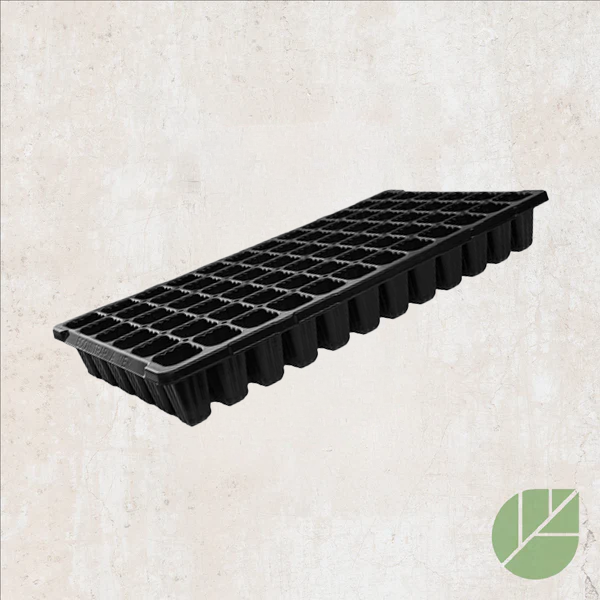
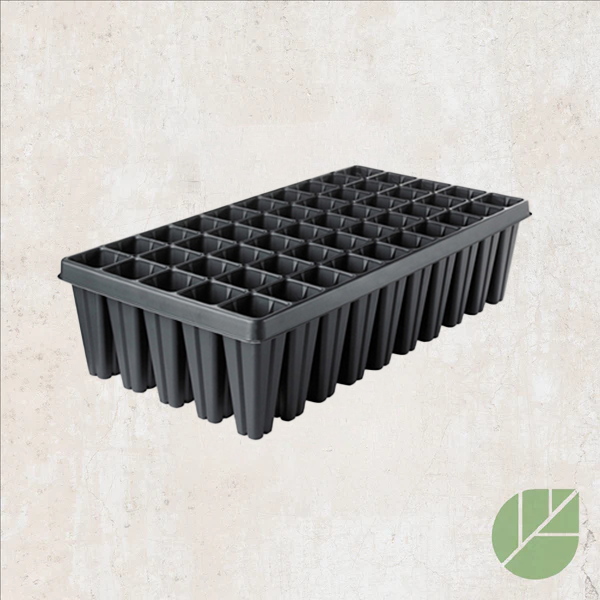
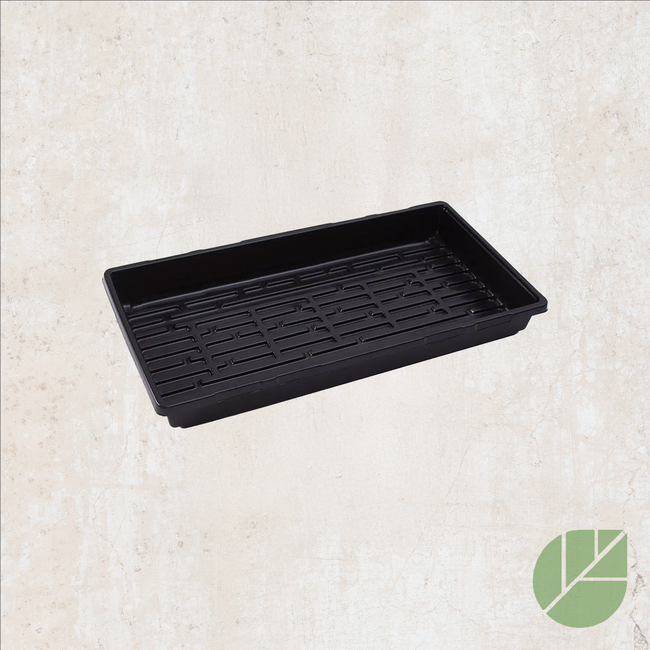
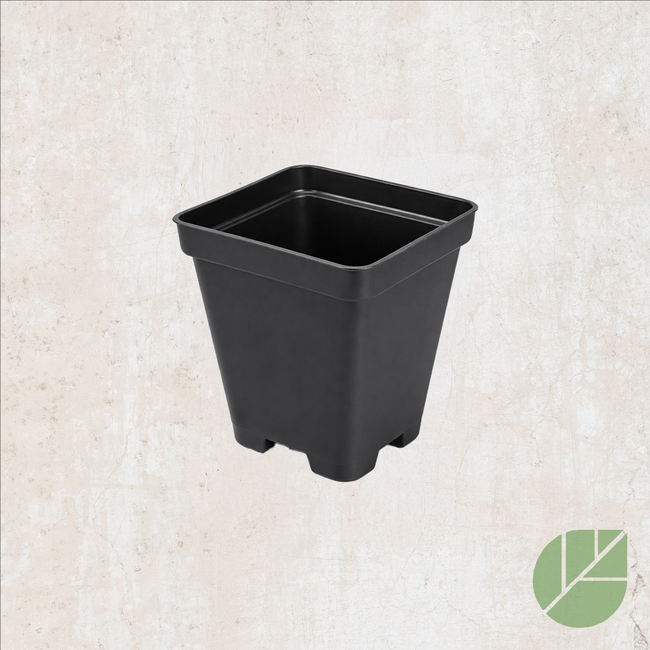
Platters, pots and domes
Shop the collection
Seed Starting Soil
Shop the collectionSeed starting supplies
Shop the collection




