Sale
Sold out

Flowering ornamental and edible annual
Asteraceae
Organic edible flower seeds
Organic 'Resina' calendula
Calendula officinalis
Product code : BIOVO-0012
Organic 'Resina' calendula, Calendula officinalis, is an annual known for orange to golden-yellow flowers that are especially rich in resin. Its upright stems generally stand approximately 45 to 60 cm tall. Sow early in spring at a depth of 0.5 to 1.5 cm, then space plants 20 to 30 cm apart in full sun or bright partial shade. Germination generally takes 7 to 14 days at 18 to 21°C. Upright plants reach approximately 45 to 60 cm and usually begin flowering within 55 to 65 days. Harvest open flower heads regularly to encourage new buds. Petals are edible when taken from healthy plants known to be calendula grown for that use.
- Exposure
- Full sun to partial shade
- Life cycle
- Annual
Discover the plant
Common name'Resina' calendula, 'Resina' pot marigold
FamilyAsteraceae
GenusCalendula
Speciesofficinalis
CultivarResina
TypeFlowering ornamental and edible annual
Botanical nameCalendula officinalis
Reproducible seedsYes
Heirloom varietyYes
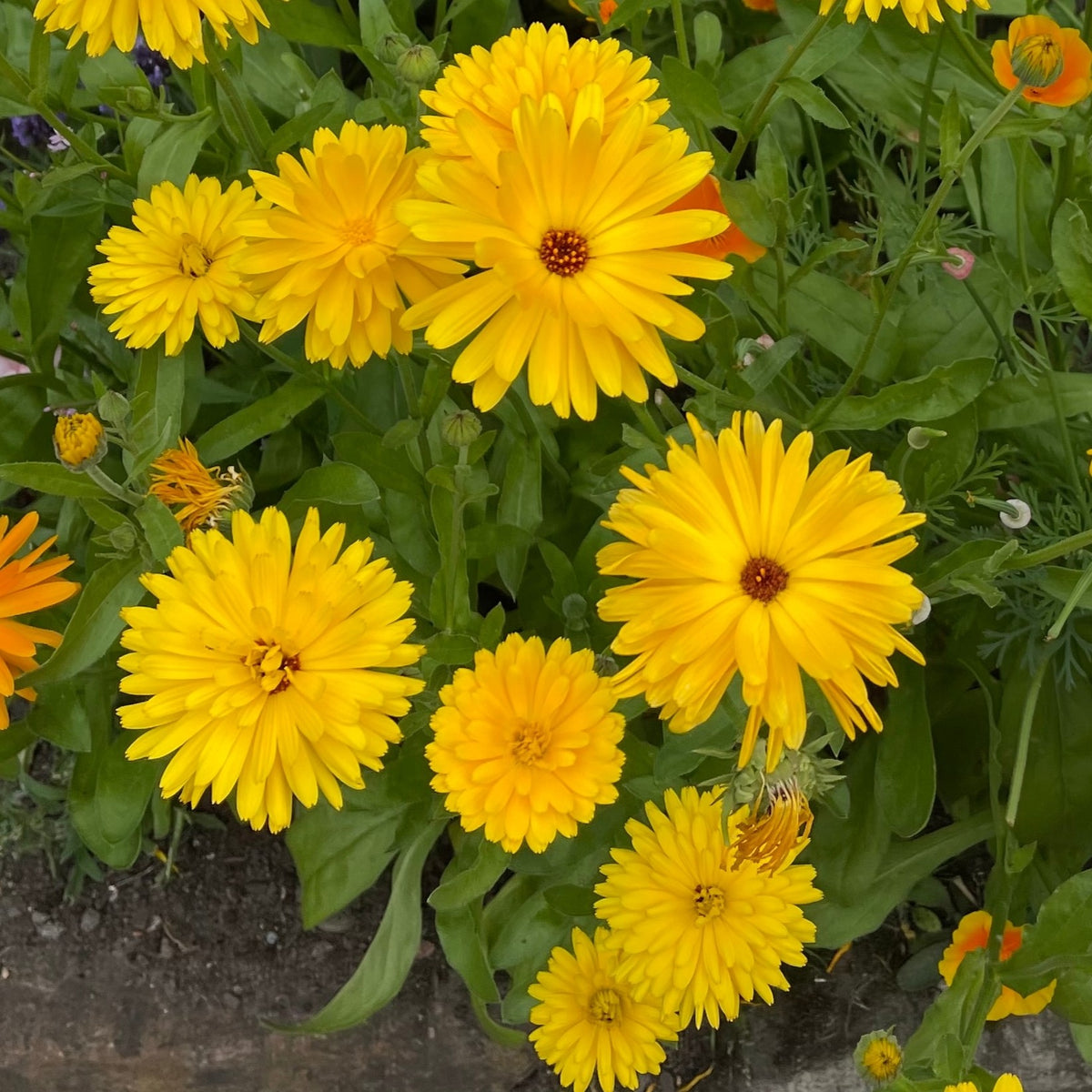
Organic 'Resina' calendula (Calendula officinalis), also called pot marigold, is an annual selected for exceptionally resinous, sticky flower heads. Single to semi-double blooms range mainly from bright orange to golden yellow and attract bees, hoverflies, butterflies, and other pollinating insects. The petals are edible and add colour to salads, rice, soups, and garnishes. Use only healthy flowers known to be calendula grown without treatments incompatible with edible use, then remove the flower base before serving. Plants develop an upright, branching habit and generally reach approximately 45 to 60 cm in height.
Direct-sow early in spring around the last frost, or start seed indoors three to four weeks before planting out. Sow approximately 0.5 to 1.5 cm deep and maintain the growing medium between 18 and 21°C until emergence, generally within 7 to 14 days. Thin or transplant seedlings to approximately 20 to 30 cm apart. Grow 'Resina' in full sun or bright partial shade and loose, moderately fertile, well-drained soil. Excess nitrogen favours leaves over flowers. Water regularly during establishment, then deeply when the surface begins drying. The first flowers generally appear approximately 55 to 65 days after sowing, with regular harvest supporting continued bloom through the season.
Harvest fully opened flower heads in the morning after dew has dried, using clean scissors. Wear gloves if the sticky resin irritates your skin. For dried petals, spread flowers promptly in one layer in a dark, dry, well-ventilated place, then store them away from moisture. Remove faded blooms regularly to encourage new buds until frost, or allow several heads to mature when you wish to collect seed. Watch for aphids, slugs, and powdery mildew; provide proper spacing and water at soil level. In containers, choose a well-drained pot approximately 30 to 40 cm wide. Discard flowers that are mouldy, badly damaged, or treated with a product unsuitable for edible crops.

Sowing guide
It all startswith a seed.
Sowing depth
Approximately 0.5 to 1.5 cm (1/4 to 1/2 in)
Spacing / density
Approximately 20 to 30 cm (8 to 12 in) between plants
Germination temperature
18 to 21 °C (65 to 70 °F)
Germination time
7 to 14 days
Sowing period
Direct-sow in early spring or start indoors 4 to 5 weeks before planting out
Propagation
Seed
Growing method
Growing 'Resina' calendula from seed. Sow approximately 0.5 to 1.5 cm deep and keep the growing medium lightly moist at 18 to 21°C until emergence, generally within 7 to 14 days. After hardening, transplant or thin seedlings to 20 to 30 cm apart. Grow in full sun or bright partial shade and loose, moderately fertile, well-drained soil. Water at soil level during establishment, then when the surface begins drying. Avoid excess nitrogen. Pinch young plants when a more branching habit is desired and harvest open flower heads regularly to support continuous bloom. Allow several flowers to mature only when you wish to collect seed. After emergence, thin without disturbing retained plants and keep the surface lightly moist. Mulch only after plants establish, leaving the crown uncovered. Inspect leaf undersides regularly, remove severely damaged tissue, and harvest at the recommended stage. Record the sowing date for Organic 'Resina' calendula to plan later batches more accurately and rotate the next crop with an unrelated plant family. During sowing and cultivation, check moisture and leaf condition regularly, then adjust watering and protection as plants develop. During sowing and cultivation, keep soil moist and well drained without allowing water to remain around roots.
Soil and care
The right care,at the right time.
Soil pH
Approximately 6.0 to 6.8
Care level
Easy
Drought tolerance
Yes
Watering
Keep the seedbed evenly moist until emergence without saturating it. Once plants are established, water deeply when the upper few centimetres begin to dry. Direct water to soil level in the morning so foliage dries promptly and powdery-mildew risk is reduced. In containers, check moisture daily during heat waves and empty saucers. A light mulch limits evaporation without covering the crown. Adjust frequency to rainfall, exposure, pot volume, and soil drainage.
Soil type
Choose loose, reasonably rich, well-drained soil with a pH of approximately 5.5 to 7.0. Incorporate a small amount of mature compost when soil is poor, but avoid heavy nitrogen inputs that promote leaves at the expense of flowers. Soil should retain steady moisture during emergence without staying waterlogged. In heavy ground, improve drainage or grow on a slight mound. Avoid fresh manure and compacted areas where water collects around the crown.
Fertilization
Calendula needs little fertilizer. In ordinary soil, a small amount of mature compost before sowing is usually sufficient. Avoid nitrogen-rich fertilizers, which encourage abundant leaves and fewer flowers. If a soil test or weak growth confirms a need, apply a balanced organic fertilizer at low strength according to its label. Check light, watering, and drainage first. In containers, feed only when the growing mix is depleted, and stop late applications before the first frosts.
Moisture
Consistent soil moisture without saturation; good air circulation around the foliage.
Seasonal care
Seasonal care for 'Resina' calendula. In spring, sow as soon as soil can be worked or start plants indoors four to five weeks before planting out. Keep the growing mix near 21°C and evenly moist until emergence, then provide strong light. Harden seedlings before moving them outdoors. In early summer, thin to the chosen spacing, water at soil level, and lightly pinch young stems when a bushier habit is desired. During flowering, harvest opened heads in the morning or remove faded blooms two or three times each week. Monitor slugs, aphids, whiteflies, and powdery mildew; improve air circulation and use integrated pest-management methods when needed. During a heat wave, maintain steady moisture and offer light afternoon shade because flowering may slow. In late summer, continue harvesting or leave several heads to mature for seed observation. After hard frost, remove plants, discard diseased tissue, clean tools and containers, and record sowing dates, first bloom, and final harvest. Keep culinary flowers separate from material exposed to non-food products throughout the season. When making successive sowings, label every series to compare emergence time and flowering duration. Harvest only in dry weather and place flowers loosely in a ventilated basket. For drying, spread them immediately in one layer in darkness with good ventilation. Check after several days and discard any batch showing condensation, unusual odour, or mould. Do not rely on calendula alone for pest control; monitor neighbouring crops and respond according to the pest observed. Inspect neighbouring crops and intervene promptly when populations increase. At season's end, store clean dry seed only in a labelled envelope kept away from heat and moisture.
Container growing
A garden,within reach.
Recommended pot size
Well-drained pot approximately 30 to 40 cm (12 to 16 in) wide
Growing 'Resina' calendula in containers. Choose a pot at least 30 cm wide for one plant, or a larger container for several plants, always with open drainage holes. Fill it with a light moderately fertile growing mix; excessive nitrogen produces many leaves and fewer flowers. Direct-sow approximately 0.5 cm deep or transplant a young root ball without disturbing roots. Place the container in sun or bright partial shade. Water when the surface begins to dry and allow all excess to drain. Rotate the pot weekly, remove faded flowers, and harvest opened heads with clean scissors. During heat waves, check moisture daily and protect the container from harsh late-afternoon sun. For culinary use, grow only in a clean container with products permitted on food crops. Inspect leaf undersides regularly for aphids and maintain enough spacing for air circulation. Empty saucers after watering and discard any flower showing mould, damage, or residues unsuitable for food. Do not crowd a small pot; one well-spaced plant receives more light and airflow. One well-ventilated plant can branch and produce cleaner flowers more readily. Harvest in the morning after dew dries, place heads in a ventilated basket, and immediately separate those intended for cooking. No hardiness zone applies to this annual. Move the container to shelter when violent wind or hail threatens the flower heads.

Bloom and dimensions
Its place,in your garden.
Mature height
Approximately 45 to 60 cm (18 to 24 in)
Width / spread
Approximately 25 to 30 cm (10 to 12 in)
Flower color
Bright orange to golden yellow
Foliage color
Medium green to blue-green
Foliage type
Annual deciduous foliage
Growth rate
Fast
Growth habit
Upright, branched, and floriferous
Fragrance
Light green resinous scent; petals mild to slightly bitter
Bloom period
'Resina' produces single to semi-double flower heads, primarily bright yellow with yellow centres and occasionally orange. Their high resin content creates a noticeably sticky texture. Flowering begins approximately 70 days after sowing and continues until hard frost when heads are harvested and faded blooms removed regularly. Intense heat may slow flowering temporarily, with new buds appearing as cooler conditions return. Harvest some fully opened heads and leave others for pollinators. Use clean scissors, avoid compressing flowers, and immediately remove any spotted, wet, or damaged tissue.
Fruiting
After flowering, the heads develop curved irregular seeds that turn brown as they mature. Allow several flowers to dry fully on the plant when observing or saving seed. Gather them in dry weather before they scatter, then finish drying in a ventilated place. This open-pollinated variety may self-sow. Label saved lots and keep them cool, dark, and dry after confirming that their source permits seed saving.
Days to maturity
Approximately 55 to 65 days until the first flowers
Harvest
Fully opened flower heads in the morning after dew dries
Garden associations
In goodcompany.
Companion plants
No specific companion plant is confirmed for this product. 'Resina' can nevertheless be included in an edible border or near vegetables that prefer loose, well-drained soil when enough room remains around its foliage. Low crops harvested quickly may share the bed without shading calendula. Maintain 20–30 cm between plants, keep the crown open, and water every crop according to its needs. Flowers may receive bees, hoverflies, and other visiting insects, but companion planting does not replace weeding or monitoring for aphids, slugs, and foliar disease. Results vary with soil, weather, and garden layout. Thin or move neighbouring plants when they begin to restrict light, airflow, or harvest access.
Plants to avoid
Avoid waterlogged soil, crowding, repeated overhead watering, and excess nitrogen. Watch for aphids, slugs, and powdery mildew, especially where airflow is poor. Water at soil level, remove badly affected tissue, and clean tools before moving to another plant.
Recipe idea
From the gardento your plate.
Edible parts
Petals after removing the flower-head base
'Resina' calendula in the kitchen. Prepare lemon rice with calendula petals. For four servings, use 500 ml hot cooked rice, petals from four to six flowers, one tablespoon olive oil, one tablespoon lemon juice, a pinch of salt, and several chopped herbs. Harvest fully opened flowers in the morning from healthy plants known to be calendula grown with products permitted on food crops. Inspect them, remove insects, rinse gently, and dry. Detach only the petals; discard the more bitter calyx and centre. Mix rice with oil, lemon, salt, and herbs, then add petals immediately before serving to preserve their colour. Taste a small amount first. Refrigerate leftovers promptly and discard any flower that is wilted, mouldy, treated with an unsuitable product, or uncertainly identified. Keep harvested flowers away from craft materials and use clean utensils throughout preparation. Petals have a mild to slightly bitter flavour and are mainly used as a colourful garnish. Anyone allergic to plants in the Asteraceae family, pregnant, taking medication, or following a medical dietary restriction should seek professional advice before a new concentrated use. This culinary recipe does not replace medical advice. Serve the prepared rice promptly for the best colour and texture.
Frequently asked questions
Your questions,answered.
Why are 'Resina' calendula flowers sticky?
'Resina' was selected for flower heads especially rich in resinous substances. Sticky texture is therefore normal for the variety, particularly in warm dry weather or on fully opened flowers. Wear gloves when resin irritates skin and clean scissors after harvest. This resin content explains interest in infused oils and craft preparations but guarantees no therapeutic effect. Harvest only healthy flowers without mould, hidden insects, or residues from unauthorized products. For cooking, use mainly petals and remove the flower-head base. For drying, space flowers in one layer so moisture is not trapped. Label batches and discard any material that develops an unusual odour, softness, or visible mould. Keep culinary harvests separate from craft material, record the harvest date, and wash hands after handling sticky heads.
Which parts of calendula may be eaten?
Petals from fully opened flowers are the part most commonly used in cooking. Their flavour may be mildly peppery or bitter. Use only calendula whose identity is certain grown without products unauthorized for edible plants. Harvest healthy flowers, remove insects, rinse gently, then detach the petals and discard the calyx and centre. Eat a small quantity the first time and stop if a reaction occurs. Never eat a plant merely because it resembles calendula. People allergic to Asteraceae, pregnant, taking medication, or following a medical dietary restriction should seek professional advice before a new concentrated food use. Discard every mouldy, contaminated, or uncertainly identified portion. Keep culinary petals separate from craft material.
Why does calendula produce many leaves but few flowers?
Calendula that makes abundant foliage but few flowers may be receiving too much nitrogen, too little light, or both. Stop nitrogen-rich feeding and give the plant more sun if the site allows. Confirm that neighbouring plants are not shading or crowding its 25- to 30-cm spread. Keep moisture steady while allowing excess water to drain; severe drought can also interrupt bud development. Very hot weather may pause flowering temporarily, so light late-day shade can help without moving the plant into deep shade. Remove spent flower heads to redirect growth toward new buds, while retaining healthy leaves. Do not add a generic bloom fertilizer before examining the light, soil, temperature, and plant age. The first flowers are expected around 55 to 65 days, and changes need time before new buds become visible.
How should 'Resina' flowers be dried correctly?
Harvest fully opened heads in the morning after dew dries. Inspect them, remove insects, and reject every spotted, wet, or damaged flower. Spread heads in one layer on mesh or a clean tray in a dark dry very well-ventilated place. Turn them regularly and avoid thick piles because the resinous centre retains moisture. Drying is complete when petals and base are dry and brittle with no cool or soft area. Store flowers in a clean dry opaque labelled container. Check the batch after several days; when condensation, unusual odour, or mould appears, discard the entire contents instead of attempting recovery. Keep culinary material separate from flowers intended only for external crafts.
How can 'Resina' flowering be extended?
Extend 'Resina' calendula bloom by preventing the annual from putting all its energy into seed at once. Two or three times each week, cut faded flower heads above a healthy leaf or branch rather than tearing them from the stem. Petals harvested for food can have a similar effect when only clean, correctly identified flowers are used and the bitter head base is removed. Keep moisture reasonably steady, but do not saturate the root zone, and avoid heavy nitrogen that produces leafy growth. During intense heat, light afternoon shade and a thin mulch can reduce the pause in flowering. Inspect early for aphids and slugs. A separate early-summer sowing may replace tired spring plants if at least the listed 55–65 days remain before frost. Deadheading can prolong flowering, but it cannot carry this annual through hard freezing.
Wildlife and pets
Life,around your plants.
Supporting wildlife
Orange to golden-yellow flowers attract bees, hoverflies, butterflies, and other pollinating insects over a long period. Avoid treatments while flower heads are open and leave several blooms available between harvests to support garden visitors. Organic 'Resina' calendula is grown primarily for harvest. When several plants reach bloom, their flowers may receive small bees, hoverflies, and other insects. This contribution remains secondary and varies with flowering duration, weather, and neighbouring crops.
For a great start to your seeds
The right extras.Right here.
Seed Starting Soil
Shop the collectionSeed starting supplies
Shop the collection