Sale
Sold out

Organic 'Delicious' cantaloupe (muskmelon) seeds
Cucurbitaceae
Organic fruiting vegetable seeds
Organic 'Delicious' cantaloupe
Cucumis melo
Product code : BIOVO-0013
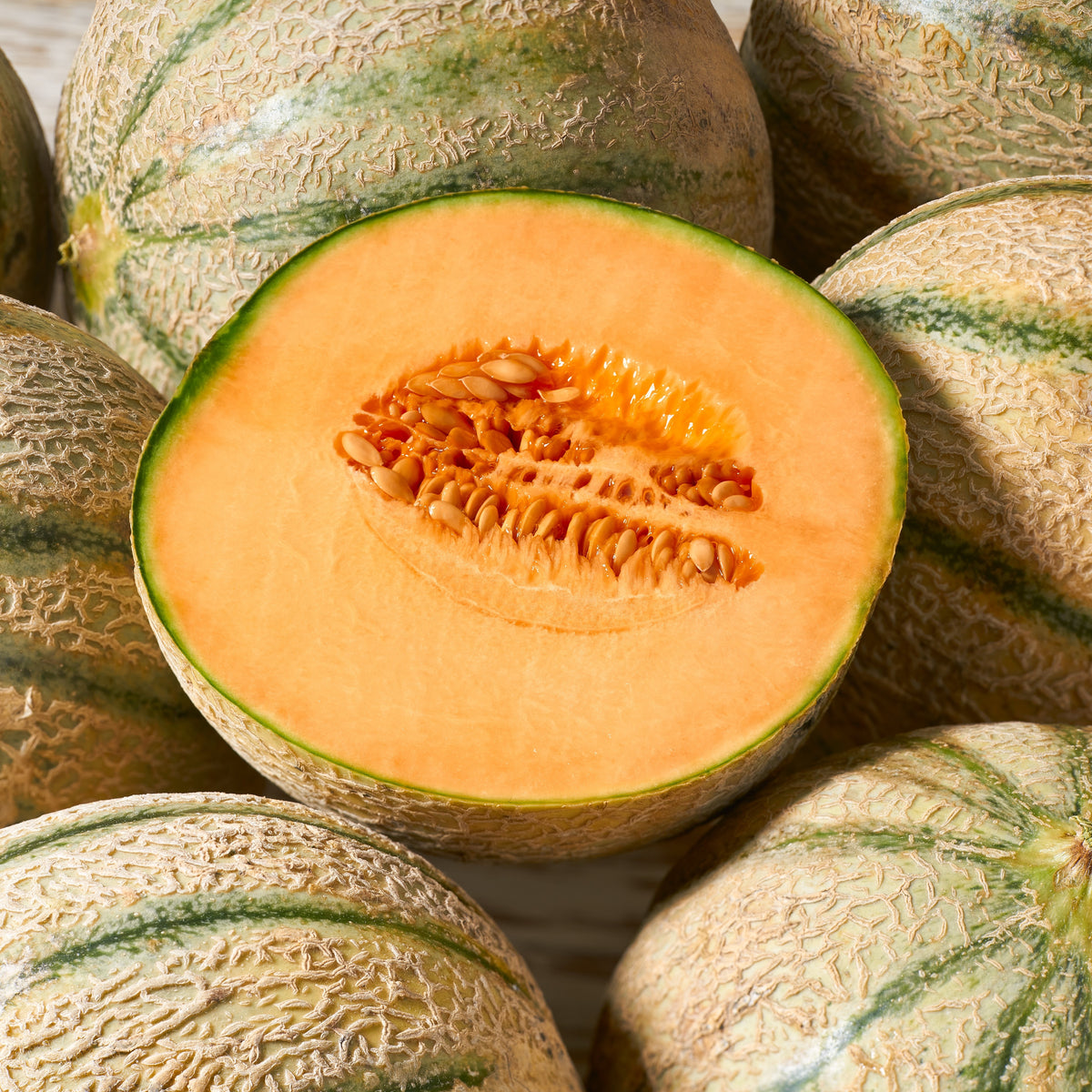
Organic 'Delicious' cantaloupe, Cucumis melo, produces fragrant orange-fleshed fruit on a warm-season annual vine. Grow it in full sun and fertile loose warm well-drained soil. Start seed indoors three to four weeks before the last frost, then transplant when both soil and nights are reliably mild. Space plants approximately 60 to 90 cm apart and maintain steady moisture during flowering and fruit development. Pollinators are essential for fruit set. Harvest generally occurs around 75 to 90 days, although heat and growing method change the schedule. Look for strong fragrance and a background rind colour shifting toward beige or yellow, then handle ripe fruit gently and refrigerate cut flesh promptly.
- Exposure
- Full sun
- Life cycle
- Annual
Discover the plant
Common name'Delicious' cantaloupe, muskmelon
FamilyCucurbitaceae
GenusCucumis
Speciesmelo
CultivarDelicious
TypeOrganic 'Delicious' cantaloupe (muskmelon) seeds
Botanical nameCucumis melo
Reproducible seedsYes
Organic 'Delicious' cantaloupe (Cucumis melo) is a warm-season annual vine grown for fragrant fruit with orange flesh and a netted rind. This record refers specifically to the 'Delicious' cultivar; 'Honey Rock' is a separate product in the catalogue despite the legacy wording in this handle. Give the vine full sun, fertile soil that warms readily, and enough open space to trail or climb. The supplied harvest reference is approximately 75 to 90 days, but warmth, planting date, pollination, and plant vigour all affect timing. Enjoy ripe flesh fresh in wedges, fruit salad, salsa, smoothies, or chilled soup.
Start seed indoors in individual pots approximately three to four weeks before your local last-frost date. Sow 1.5 to 2.5 cm (5/8 to 1 in) deep and maintain about 27 to 29°C (81 to 84°F) until emergence. Provide strong light immediately afterward and avoid keeping seedlings root-bound. Harden them gradually, then transplant only after frost danger has passed, the soil is warm, and nights remain mild. Space plants approximately 60 to 90 cm (24 to 35 in) apart in fertile, loose, well-drained soil. Water the root zone deeply and consistently, limit repeated foliage wetting, and remove insect covers once flowers open so pollinators can enter.
Watch fruit rather than relying on the calendar alone. As a 'Delicious' cantaloupe approaches harvest, look for stronger fragrance, a rind background shifting toward beige or yellow, and easier separation at the stem when that trait is present. If vines climb, install a strong trellis early and support every developing melon in a soft sling tied to the structure, not to the fruit stem. Fruit resting on the ground can be placed on a clean board to reduce soil contact. Wash the rind under potable running water before cutting, then use a clean knife and refrigerate cut pieces promptly. Harvest remaining sound fruit before persistent autumn cold damages the vine.

Sowing guide
It all startswith a seed.
Sowing depth
Approximately 1.5 to 2.5 cm (1/2 to 1 in)
Spacing / density
Approximately 60 to 90 cm (24 to 36 in) between plants
Germination temperature
27 to 29 °C (80 to 85 °F)
Germination time
7 to 14 days
Sowing period
Start indoors 3 to 4 weeks before last frost; transplant after soil warms
Propagation
Seed
Growing method
Growing 'Delicious' cantaloupe from seed. Start 'Delicious' cantaloupe seed indoors three to four weeks before the expected last frost in individual pots that limit root disturbance. Sow approximately 1.5 to 2.5 cm deep in moist seed-starting mix, then maintain 27 to 29°C until emergence, generally within 7 to 14 days. After germination, provide strong light and allow the surface to dry slightly between waterings. Harden plants gradually. Transplant only after frost danger has passed, when soil is warm and nights remain mild. Space plants 60 to 90 cm apart in full sun and fertile well-drained soil. Water at soil level, keep flowers accessible to pollinators, and rest fruit on a dry surface or support it with a soft sling on a trellis. Harvest according to aroma, background rind colour, and stem behaviour rather than the calendar alone. After emergence, thin without disturbing retained plants and keep the surface lightly moist. Mulch only after plants establish, leaving the crown uncovered. Inspect leaf undersides regularly, remove severely damaged tissue, and harvest at the recommended stage. Record the sowing date for Organic 'Delicious' cantaloupe to plan later batches more accurately and rotate the next crop with an unrelated plant family.
Soil and care
The right care,at the right time.
Soil pH
Approximately 6.0 to 6.8
Care level
Moderate
Watering
Water deeply at soil level while vines establish, bloom, and develop young fruit. Maintain steady moisture without waterlogging soil; alternating drought and excess water may cause stalled growth, cracked fruit, or uneven quality. Mulch limits evaporation and keeps fruit cleaner. Avoid wetting foliage unnecessarily and water in the morning. As fruit approaches maturity, continue preventing severe stress but do not keep ground constantly saturated. In containers, check daily during heat and ensure free drainage. Adjust irrigation to rainfall, soil texture, vine size, and fruit load instead of following a fixed calendar.
Soil type
Choose very well-drained loose deep soil rich in mature organic matter. Cantaloupe requires warmed ground; a raised bed, black mulch, or horticultural fabric may accelerate spring warming. Incorporate compost before planting without using fresh manure. Ground should retain enough water to support vines while draining excess promptly. A slightly acidic to neutral pH near 6.0 to 7.0 generally suits the crop. In heavy cold soil, form raised mounds. A soil test should guide corrections and prevent unnecessary amendments. Rotate away from cucumbers, squash, and melons where soil-borne disease has been significant.
Fertilization
Before planting, incorporate mature compost into fertile well-drained soil. After establishment, apply a balanced fertilizer as needed and according to its label. Avoid excess nitrogen, which encourages abundant foliage at the expense of flowers and fruit. Observe vigour, leaf colour, and fruit set before adding more nutrients. A soil test remains the best guide for correcting a specific nutrient deficiency in the garden.
Moisture
Consistent soil moisture without saturation; good air circulation around the foliage.
Seasonal care
Seasonal care for 'Delicious' cantaloupe. Three to four weeks before the last frost, sow in individual pots and keep the growing medium warm under strong light. Maintain light steady moisture, then harden plants gradually. After frost danger has passed, wait until soil has warmed and nights remain mild before transplanting. Install black mulch and floating protection against wind and cucumber beetles when useful. Remove the cover as soon as the first flowers open so pollinators can circulate. During summer, water deeply at soil level when the surface begins drying, mulch to stabilize moisture, and avoid excess nitrogen. Inspect leaf undersides, separate tangled stems, and place fruit on a dry board. When using a trellis, check ties and slings regularly. As harvest approaches, examine aroma, background rind colour, and stem behaviour every day or two. Harvest gently in the morning. At season's end, remove diseased debris, clean supports, record useful dates, and rotate with unrelated crops. After prolonged rain, check that fruit is not resting in a waterlogged area and improve airflow without excessive pruning. Cool harvested cantaloupes promptly, wash the rind before cutting, and refrigerate any exposed flesh. Compare results with recorded dates to adjust the next sowing. Check irrigation after very hot or windy days, replace damaged fruit supports, and keep tools clean when moving between cucurbit plants. Record the first frost date as well.
Container growing
A garden,within reach.
Recommended pot size
Approximately 40 to 60 L, at least 45 to 50 cm (18 to 20 in) in diameter and depth
Growing 'Delicious' cantaloupe in containers. Grow one plant in a very stable container holding at least 40 to 60 L and fitted with many drainage holes. Fill it with rich but airy potting mix amended with mature compost, then place it in the sunniest, warmest available location. Transplant without breaking the root ball once nights are mild. Let vines trail over a clean surface or install a securely anchored trellis. Every suspended fruit needs a soft sling attached to the structure, never to the stem. Check moisture daily during hot weather and water slowly at soil level until excess drains, without leaving water in the saucer. Light regular feeding is preferable to excessive nitrogen. Keep flowers accessible to pollinators. Rest ground-level fruit on a dry board. Harvest according to aroma, background rind colour, and stem behaviour, then wash the container before growing another cucurbit. Rotate the pot periodically when light arrives mainly from one side and secure vines with soft ties. Inspect leaf undersides, remove only clearly diseased tissue, and protect the container from winds capable of overturning the trellis. During prolonged heat, check moisture morning and evening because large leaves and developing fruit increase water demand.

Bloom and dimensions
Its place,in your garden.
Mature height
Approximately 30 to 60 cm (11.8 to 23.6 in) on the ground; taller on a trellis
Width / spread
Approximately 120 to 240 cm (4 to 8 ft)
Flower color
Yellow
Foliage color
Green
Foliage type
Large simple, rounded to shallowly lobed, rough-textured leaves on an annual vine in your region
Growth rate
Fast
Growth habit
Trailing or climbing vine with tendrils
Fragrance
Ripe fruit fragrant, mild, and sweet
Bloom period
Yellow male flowers generally appear before female flowers. Female blossoms carry a small swelling at their base that becomes fruit after sufficient pollination. Cold, rain, extreme heat, or few bees may reduce fruit set. Steady watering and fertilization without excess nitrogen support balanced vine, flower, and fruit development throughout the blooming period in summer. During flowering, check blossoms and vine condition regularly, then adjust watering and protection as plants develop.
Fruiting
After pollination, the swelling beneath a female flower enlarges into a cantaloupe. Maintain steady moisture during early development, then avoid abrupt fluctuations and standing water. Rest every fruit on a dry board or support it with a sling on a trellis. At maturity, look for strong fragrance, a beige or yellow background rind colour, and easier stem separation when that characteristic is present on the fruit.
Days to maturity
Approximately 75 to 90 days depending on warmth and growing method
Harvest
Inspect near 75 to 90 days depending on conditions; harvest according to fragrance, colour, and stem separation
Garden associations
In goodcompany.
Companion plants
No specific companion plant is confirmed for this product. 'Delicious' can nevertheless grow near vegetables that prefer warm, fertile, well-drained soil when enough room remains for its spreading vines. Low crops harvested quickly may share the bed early in the season without covering the crown or obstructing fruit. Preserve good airflow, maintain access for pollinators, and water every crop according to its needs. Companion planting does not replace rotation, weeding, or monitoring for foliar disease. Results vary with soil, weather, and garden layout. Thin or move neighbouring plants when they begin to restrict light, airflow, vine space, pollinator access, or harvesting.
Plants to avoid
Avoid cold or waterlogged soil, frequent overhead watering, and crowding, which favour disease. For crop rotation, do not replant immediately after another cucurbit such as cucumber, squash, pumpkin, melon, or watermelon. Watch for cucumber beetles and protect young plants without blocking pollinator access once flowers open.
Recipe idea
From the gardento your plate.
Edible parts
Flesh of ripe fruit and seeds prepared for culinary use
'Delicious' cantaloupe in the kitchen. Prepare a fresh 'Delicious' cantaloupe salad. Wash the rind thoroughly under running water, dry it, then cut the fruit in half with a clean knife. Remove the seeds and dice approximately four cups of ripe orange flesh. Toss the cubes with 15 mL (1 tbsp) lime juice, a small handful of sliced mint leaves, and a pinch of salt. Add diced cucumber or a little crumbled feta cheese if desired. Refrigerate the salad for approximately twenty minutes so flavours combine without softening the flesh. Serve it well chilled the same day, either alone or with toasted bread. Return leftovers promptly to a closed container in the refrigerator. Discard fruit when flesh is slimy, fermented, mouldy, or has remained too long at room temperature. Keep the cutting board separate from raw meat, wash utensils after preparation, and keep the serving bowl chilled until the meal begins and throughout serving outdoors safely.
Frequently asked questions
Your questions,answered.
How long does 'Delicious' cantaloupe take before harvest?
Allow approximately 75 to 90 days in general, but treat this range as guidance rather than a guaranteed date. Soil and air warmth, plant age at transplanting, pollination, watering, and vine health all change the schedule. As harvest approaches, observe several signs together: stronger fragrance, background rind colour shifting from green toward beige or yellow, and easier stem separation when that trait is present. Harvest one test fruit, then adjust the timing of the remaining fruit according to its texture, aroma, and sweetness. Check vines every day or two during warm weather because ripening may advance quickly between careful inspections.
When should cantaloupe be transplanted in your region?
Transplant only after last frost when soil has warmed and nights remain reliably mild. Cantaloupe placed too early in cold ground may stop growing, yellow, or lose the advantage of indoor starting. Harden plants for approximately one week by gradually increasing sun, wind, and outdoor time. Keep the root ball intact because cucurbits tolerate root disturbance poorly. Black mulch or fabric may warm the bed before planting. Provide floating protection against wind and cucumber beetles, then remove it when flowers appear so pollinators can reach plants. Use local soil temperature and forecast rather than a fixed calendar date because Canada microclimates vary.
How can a 'Delicious' cantaloupe be judged ripe?
Use several observable signs together. A maturing 'Delicious' cantaloupe develops a stronger fragrance, while the background beneath its surface netting shifts from green toward beige or yellow. The blossom end may yield slightly under gentle pressure without feeling soft. Check the fruit daily as these signs appear, because warm weather can advance ripening quickly. Stem separation can support the decision only when it loosens naturally; the supplied record does not establish that every fruit will show a guaranteed full-slip response, so never wrench it from the vine. Harvest one test melon, note its rind colour, aroma, stem behaviour, and flesh texture, then use those observations for the remaining fruit. Wash the rind before cutting and refrigerate cut melon promptly.
Why do flowers fall without forming fruit?
The first flowers are often male and fall naturally after releasing pollen. Female flowers carry a small swelling at their base and must receive enough pollen during their short opening period. Cold, rain, extreme heat, few bees, or insecticide use during bloom may reduce fruit set. Maintain steady moisture, grow pollinator-supporting flowers nearby, and avoid treating while blossoms are open. When bees are scarce, transfer pollen gently from a male flower to a female flower in the morning with a small clean brush. Excessive nitrogen may also produce abundant vine growth with little fruit. Allow several cycles of male and female bloom before concluding that pollination has failed.
Can 'Delicious' be grown in a container or on a trellis?
Yes, when the container is very large, stable, and fitted with many drainage holes. Use at least approximately 40 to 60 litres per plant in rich but airy mix, place it in full sun, and check moisture daily during heat. A strong trellis saves space, but every fruit requires a soft sling attached to the structure, never to the stem. Guide vines without constriction and protect the pot from tipping. When vines remain on the ground, place fruit on a clean board. Container production depends strongly on heat, root volume, water, and pollination, so no fruit count can be guaranteed. Rotate or sanitize reused containers after significant cucurbit disease.
Wildlife and pets
Life,around your plants.
Supporting wildlife
Yellow flowers primarily attract bees and other insect pollinators needed for fruit set. The first blossoms are often male; female flowers appear later with a small swelling at their base. Remove floating covers when flowering begins and avoid treatments while blossoms are open so pollinators retain access throughout the short receptive period each morning.
For a great start to your seeds
The right extras.Right here.
Seed Starting Soil
Shop the collectionSeed starting supplies
Shop the collection