Sculptural conifer for a small garden

Spiralis Hinoki cypress; Spiralis Japanese false cypress

Chamaecyparis obtusa ‘Spiralis’

Spiralis Hinoki cypress is a Zone 5 dwarf conifer valued for dark-green branchlets that curl into cups and create a narrow, irregular, naturally sculptural outline. Very slow growth of approximately 2.5 to 7.5 cm per year (1 to 3 in) makes it suitable near an entrance, in a rock garden, or in a Japanese-inspired design. Provide fertile, evenly moist, well-drained soil, full sun or light partial shade, and shelter from winter winds. It can also grow in a large container when roots are protected from severe freezing and standing water. Avoid routine shearing so its distinctive spiral structure remains visible.

Title

3 gallons
Share
Quantity
3 gallons
Exposure
Full sun to light partial shade, sheltered from wind
Hardiness
Zone 5

Discover the plant

Common nameSpiralis Hinoki cypress; Spiralis Japanese false cypress
FamilyCupressaceae
GenusChamaecyparis
Speciesobtusa
CultivarSpiralis
TypeDwarf evergreen conifer
Botanical nameChamaecyparis obtusa ‘Spiralis’

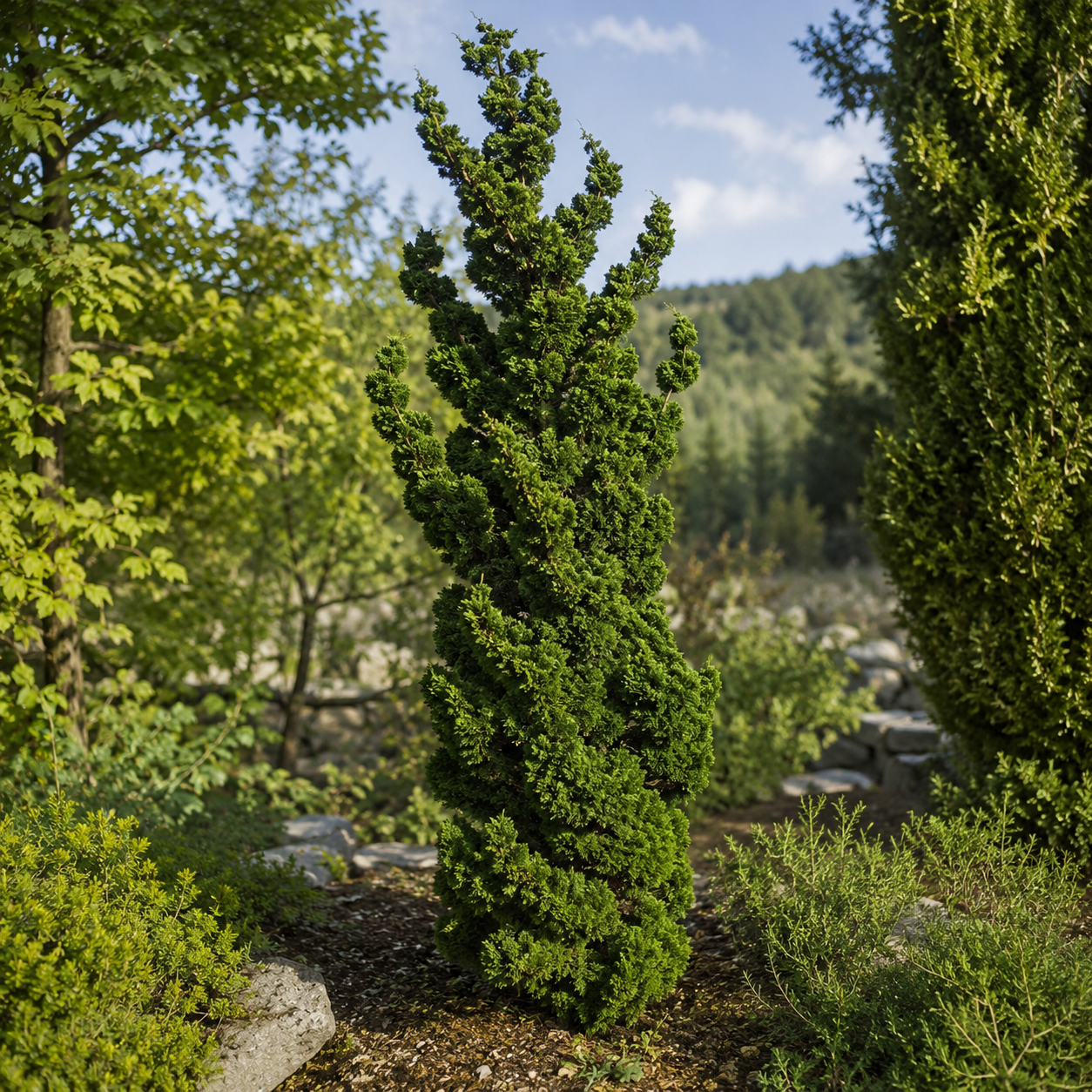
Spiralis Hinoki cypress (Chamaecyparis obtusa ‘Spiralis’) is a dwarf evergreen conifer with tightly arranged branches that spiral upward and outward. Dark-green, finely textured foliage forms twisted cups, creating an architectural outline without shearing. The trunk may also appear contorted with age, while the bark adds another ornamental detail. Very slow growth, generally 2.5 to 7.5 cm per year (1 to 3 in), suits gardens where every plant must remain in scale for many seasons. After ten years, a specimen may approach 90 cm (3 ft); ultimate dimensions depend greatly on growing conditions and the number of years allowed for development.

Choose full sun or light partial shade in a location protected from drying winds. This Hinoki cypress prefers fertile, evenly moist, slightly acidic, perfectly drained soil. Water deeply when the surface begins to dry, particularly during the first seasons, without leaving the root ball saturated. A 5 to 8 cm (2 to 3 in) organic mulch layer kept away from the trunk helps stabilize moisture. Avoid compacted soil, standing water, extended drought, and sites exposed to de-icing salt. Hardy to Zone 5, it benefits in Canadian gardens from protection against intense winter sun and prevailing winds, especially while its roots are still developing.

Use ‘Spiralis’ as a specimen in a rock garden, Japanese-inspired planting, contemporary bed, or near an entrance where its sculptural foliage can be appreciated closely. Large-container culture is possible but requires impeccable drainage and winter protection for the more exposed roots. Routine shearing is unnecessary; remove only dead or broken growth to preserve the natural form. Watch for browning caused by dry soil, excess moisture, or winter burn. Over a very long period, the cultivar may reach approximately 1.8 to 3.7 m high by 1.2 to 3 m wide (6 to 12 ft × 4 to 10 ft), although many garden specimens remain more compact.

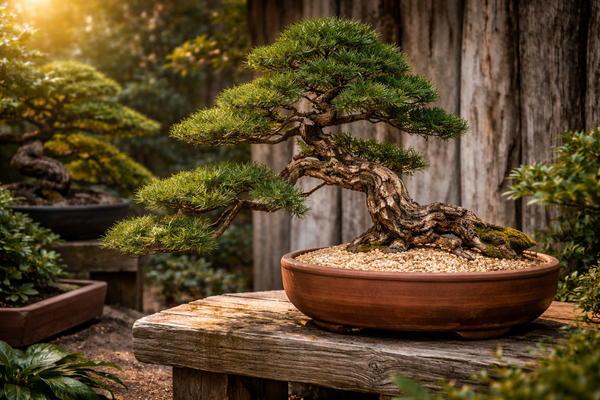
Spiralis Hinoki cypress with a narrow irregular habit and very dense dark-green branchlets curling into twisted cups around its framework. This view shows <em>Chamaecyparis obtusa</em> ‘Spiralis’, a very slow-growing Zone 5 evergreen dwarf conifer used as a specimen in rock gardens, Japanese-inspired landscapes, contemporary beds, or a large well-drained container.

Planting guide

From planting to establishment.

Spacing / density Reserve at least 1.2 to 3 m (4 to 10 ft) of width over the long term
Best planting time Spring or early fall
Propagation Professional cutting propagation of the cultivar

Soil and care

The right care,at the right time.

Soil pH

Slightly acidic to neutral

Minimum temperature

Approximately −29 °C (−20 °F) in Zone 5

Care level

Moderate

Watering

Water deeply after planting and whenever the top few centimetres of soil begin to dry. Maintain even moisture during the first seasons without saturating the root ball. Check container plants more frequently in hot weather. Reduce watering as temperatures fall, but continue occasional irrigation until freeze-up when autumn is dry. Avoid both extended drought and standing water, which can cause browning or root decline.

Soil type

Choose fertile, evenly moist, well-drained soil, ideally slightly acidic. Loosen an area wider than the root ball and keep the root flare at soil level. Avoid compacted clay, depressions that collect water, and salty sites. A 5 to 8 cm (2 to 3 in) mulch layer kept away from the trunk stabilizes moisture without smothering roots. For best results, inspect soil moisture and foliage regularly.

Fertilization

Add a thin compost layer in spring when soil is poor. A conifer that retains good colour and advances slowly at its natural rate generally needs no concentrated fertilizer. Test the soil before correcting pH or a suspected deficiency. Avoid high nitrogen rates and late applications that encourage tender growth more vulnerable to winter damage. Consistent moisture and healthy roots matter more than rapid growth.

Moisture

Average and even; excellent drainage is essential

Seasonal care

In spring, remove only dead or broken branches, inspect the root flare, and renew mulch without piling it against the trunk. Water deeply when soil begins to dry and watch for healthy green tips. During summer, maintain even moisture, especially in containers, while allowing excess water to escape freely. Inspect foliage for bagworms, dieback, or unusual browning. In fall, avoid nitrogen fertilizer, continue watering until freeze-up when conditions remain dry, and remove fallen leaves trapped in the branches. In winter, protect the plant from salt, prevailing winds, and reflected sun. A burlap screen positioned away from the foliage can reduce desiccation without enclosing the plant. Remove heavy snow gently when branches bend, but never shake a frozen specimen. For a container plant, insulate the pot or place it in a cold sheltered location where the root ball experiences neither complete drying nor saturation. Avoid routine shearing, which destroys the spiral form, and never cut deeply into old leafless wood. For best results, inspect soil moisture and foliage regularly. This attention supports lasting establishment without changing the natural form. For best results, inspect soil moisture and foliage regularly. This attention supports lasting establishment without changing the natural form. For best results, inspect soil moisture and foliage regularly. This attention supports lasting establishment without changing the natural form. For best results, inspect soil moisture and foliage regularly.

Container growing

A garden,within reach.

Recommended pot size

Large container of at least 50 to 75 L (13 to 20 US gal), stable and freely drained
Use a large frost-resistant container with several drainage holes and a free-draining growing medium. Water when the surface dries and empty every saucer. Place the pot in full sun or light partial shade, sheltered from wind. Before winter, insulate the sides and move the container to a cold protected position because potted roots are less hardy than top growth. Repot only when necessary to avoid repeatedly disturbing the root ball.
Spiralis Hinoki cypress with a narrow irregular habit and very dense dark-green branchlets curling into twisted cups around its framework. This view shows Chamaecyparis obtusa ‘Spiralis’, a very slow-growing Zone 5 evergreen dwarf conifer used as a specimen in rock gardens, Japanese-inspired landscapes, contemporary beds, or a large well-drained container.

Bloom and dimensions

Its place,in your garden.

Mature height

1 to 1.5 m (3 to 5 feet)

Width / spread

1.2 m (4 feet)

Flower color

Non-ornamental

Foliage color

Evergreen dark green

Foliage type

Evergreen, scale-like, and very dense

Growth rate

Very slow, approximately 2.5 to 7.5 cm per year (1 to 3 in)

Growth habit

Narrow, upright, irregular, and spiralling

Fragrance

Aromatic foliage when crushed

Bloom period

This conifer produces no showy flowers. Tiny male and female reproductive structures may appear in spring, followed by small rounded cones that mature discreetly. The main ornamental interest remains dark-green evergreen foliage and spiralling branch structure. No intervention is needed to encourage flowering; adequate light and a well-established plant simply support its natural reproductive cycle. For best results, inspect soil moisture and foliage regularly.

Fruiting

Small rounded cones may develop after spring reproductive structures, changing from green to brown as they mature. They remain discreet among the foliage and are not the cultivar’s main attraction. Routine removal is unnecessary because cones are part of the conifer’s natural cycle. Twisted branch structure, dense texture, attractive bark, and winter colour provide far greater garden interest throughout the year.
Spiralis Hinoki cypress with a narrow irregular habit and very dense dark-green branchlets curling into twisted cups around its framework. This view shows Chamaecyparis obtusa ‘Spiralis’, a very slow-growing Zone 5 evergreen dwarf conifer used as a specimen in rock gardens, Japanese-inspired landscapes, contemporary beds, or a large well-drained container.

Garden associations

In goodcompany.

Companion plants

Pair ‘Spiralis’ with sedges, ferns, heucheras, mosses, or low groundcovers suited to the site’s light and drainage. Natural stone, gravel, and fine grasses emphasize the twisted foliage. Keep companion plants away from the root flare and avoid vigorous species that would hide the base. Choose neighbours that appreciate evenly moist but never waterlogged soil so irrigation remains compatible. For best results, inspect soil moisture and foliage regularly. This attention supports lasting establishment without changing the natural form. For best results, inspect soil moisture and foliage regularly.

Plants to avoid

Avoid standing water, compacted clay, extended drought, de-icing salt, and drying winter winds. Saturated soil encourages root rot, while a dry root ball or intense winter sun can brown foliage. Watch for bagworms, branch dieback, and symptoms of juniper blight. Do not prune deeply into old leafless wood because regrowth may be weak or absent. Protect the trunk and lower branches from snow-removal equipment and piled snow. For best results, inspect soil moisture and foliage regularly. This attention supports lasting establishment without changing the natural form.

Frequently asked questions

Your questions,answered.

How large does Spiralis Hinoki cypress grow?
Spiralis Hinoki cypress grows very slowly, often adding 2.5 to 7.5 cm per year (1 to 3 in). A specimen may approach 90 cm (3 ft) after about ten years in good conditions. Over a very long period, some references report approximately 1.8 to 3.7 m high by 1.2 to 3 m wide (6 to 12 ft × 4 to 10 ft), although many garden specimens remain smaller. Still plan for future spread at planting time. Do not rely on severe pruning to restrain a plant in an undersized location because old leafless wood may not regrow well. For best results, inspect soil moisture and foliage regularly.
Where should Spiralis Hinoki cypress be planted?
Choose full sun or light partial shade in a location sheltered from prevailing wind and de-icing salt. Soil should be fertile, evenly moist, and well drained, preferably slightly acidic. Keep the root flare at grade and avoid depressions where water collects. A rock garden, Japanese-inspired planting, contemporary bed, or entrance approach works well when the plant remains visible at close range. Leave enough space so tall perennials do not hide its spiralling branches. A thin mulch layer helps maintain even moisture without touching the trunk. Morning sun with some afternoon protection can be especially useful on exposed winter sites. For best results, inspect soil moisture and foliage regularly.
Can Spiralis Hinoki cypress grow in a container?
Yes. Very slow growth allows this cultivar to live in a large container for several years. Choose a stable, frost-resistant pot of at least 50 to 75 L (13 to 20 US gal) with several drainage holes. Use a free-draining medium and water when the surface begins to dry without leaving water in a saucer. During winter, potted roots are more vulnerable than branches, so insulate the container or place it in a cold location sheltered from wind and direct sun. Check moisture occasionally during thaws. Repot only when roots truly occupy the available volume, and avoid disturbing the root ball unnecessarily.
How should Spiralis be protected in winter?
Before freeze-up, water deeply when autumn has been dry so roots enter winter without a moisture deficit. Maintain a 5 to 8 cm (2 to 3 in) mulch layer around the root zone while leaving the root flare and trunk clear. On an exposed site, attach burlap to stakes on the side facing prevailing winds and reflected sun; fabric should not wrap or touch the foliage. Keep the plant away from salt and street-ploughed snow. A container specimen also needs pot insulation because its roots experience more severe cold. Remove or adjust protection in spring before temperatures rise significantly. For best results, inspect soil moisture and foliage regularly.
Why is my Hinoki cypress foliage turning brown?
Browning may result from a dry root ball, saturated soil, winter burn, salt exposure, or root problems. Check moisture in several places instead of watering automatically; soil should remain evenly moist but never waterlogged. Notice whether damage occurs mainly on the side exposed to winter wind or reflected sun. Also look for bagworm cases, dead branchlets, or decay near the root flare. Remove only growth that is truly dead and correct the cause before adding fertilizer. If dieback advances quickly or affects a large portion of the plant, consult a qualified horticultural professional for an on-site diagnosis. For best results, inspect soil moisture and foliage regularly.

Wildlife and pets

Life,around your plants.

Attracts birds

Yes

Supporting wildlife

Dense evergreen foliage may provide discreet shelter for small birds during winter. The cones are modest and the plant is not an important nectar source. Avoid preventive pesticide use and observe wildlife without disturbing branches, especially while the conifer is young and not yet deeply rooted.