


Sale
Sold out

Semi-bush hulless-seed pumpkin
Cucurbitaceae
Organic squash and pumpkin seeds
Organic 'Kakai' pumpkin
Cucurbita pepo
Product code : BIOVO-0029
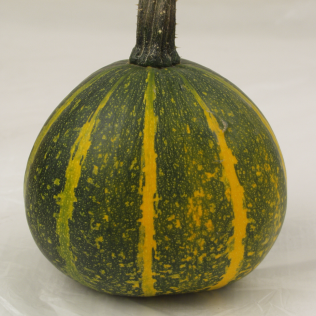
Organic 'Kakai' is a semi-bush pumpkin selected for green seed without a hard hull. Yellow-orange fruit mottled dark green generally weighs 2.3 to 3.6 kg and matures in approximately 100 days. Its principal culinary value lies in seed that is easy to rinse and roast; the flesh is secondary and is not presented as pie-pumpkin flesh. The crop requires warmth, space, pollination, and consistent moisture. For best results, grow Organic 'Kakai' pumpkin with the recommended light, moisture, and spacing, then observe development regularly. Harvesting at the appropriate stage preserves the desired texture, colour, and eating quality while helping the remaining crop continue growing evenly.
- Quantity
- Approximately 15 organic seeds
- Exposure
- Full sun
- Life cycle
- Warm-season annual
Discover the plant
Common name'Kakai' pumpkin, hulless-seed pumpkin
FamilyCucurbitaceae
GenusCucurbita
Speciespepo
CultivarKakai
TypeSemi-bush hulless-seed pumpkin
Botanical nameCucurbita pepo
Organic 'Kakai' pumpkin (Cucurbita pepo) is an annual squash grown primarily for large green seeds with a greatly reduced hard hull. They may be rinsed and roasted without shelling, which distinguishes 'Kakai' from ordinary pumpkins. This product contains approximately 15 organic seeds and lists 85% germination. Semi-bush, short-vining plants generally produce slightly flattened 2.3-to-3.6-kg fruit coloured yellow-orange and mottled dark green to black. The flesh of sound mature fruit may be cooked, but this variety is valued chiefly for its seeds rather than for pies. Its striking striped fruit also brings attractive ornamental interest to autumn harvest displays while the edible seeds provide the crop's defining culinary reward.
Direct-sow when soil reaches at least 21°C and all frost risk has passed, 1.3 to 2.5 cm deep, or start two or three seeds per pot approximately three weeks before transplanting. Retain only the strongest seedling by cutting the others because squash roots respond poorly to disturbance. Harden plants for four to seven days, then set out with the root ball intact. Provide full sun and fertile, well-drained soil, then allow approximately 91 cm (36 in) between plants and 61 cm (24 in) between rows. Irrigate deeply, mulch after soil warms, and remove floating covers once flowers appear so pollinators can reach female blossoms. Leave enough room around the container or bed for the short vines to spread.
Maturity takes approximately 100 days from direct seeding. Harvest when the rind is hard, colour is fully developed, the stem begins drying, and foliage declines naturally. Cut the stem instead of pulling the fruit, cure the pumpkin in a warm ventilated location, then open it when the seeds are well filled. Scoop out the seeds, rinse away pulp, drain, season lightly, and roast until dry and lightly browned. Hulless seeds are more fragile than conventional pumpkin seeds, so dry them promptly and discard any mouldy, rancid, or contaminated batch. Monitor cucumber beetles, squash bugs, vine borers, and powdery mildew throughout the season, especially while plants are young and actively growing.

Sowing guide
It all startswith a seed.
Sowing depth
Approximately 1.3 to 2.5 cm (1/2 to 1 in)
Spacing / density
Approximately 90 to 120 cm (36 to 48 in) between plants and 1.8 to 2.1 m (6 to 7 ft) between rows
Germination temperature
Approximately 24 to 35 °C (75.2 to 95 °F)
Germination time
Approximately 5 to 10 days in warm soil; cool or overly wet media can delay emergence.
Sowing period
Direct-sow after frost in soil at least 21°C, or start indoors approximately three weeks before transplanting
Propagation
Direct sowing in warm soil or indoor sowing approximately three weeks before transplanting
Growing method
Growing 'Kakai' pumpkin from seed. After all frost risk, sow two seeds 1.3 to 2.5 cm deep in soil at least 21°C, then retain one plant. To gain time, sow two or three seeds per pot three weeks before setting out and cut extras. Harden for four to seven days, transplant without breaking the root ball, and space 90 to 120 cm. Water at the base, mulch, temporarily protect against cucumber beetles, and remove cover at flowering. Harvest fully mature fruit, cure it, open it, rinse seed, and dry or roast promptly. After emergence, thin without disturbing retained plants and keep the surface lightly moist. Mulch only after plants establish, leaving the crown uncovered. Inspect leaf undersides regularly, remove severely damaged tissue, and harvest at the recommended stage. Record the sowing date for Organic 'Kakai' pumpkin to plan later batches more accurately and rotate the next crop with an unrelated plant family. During sowing and cultivation, inspect Organic 'Kakai' pumpkin regularly and adjust care to its actual stage of growth. During sowing and cultivation, keep soil moist and well drained without allowing water to remain around roots. During sowing and cultivation, preserve adequate spacing so airflow, inspection, and harvest remain straightforward.
Soil and care
The right care,at the right time.
Soil pH
Approximately 5.8 to 6.8
Care level
Moderate
Watering
Keep the germination zone evenly moist until emergence, then irrigate deeply when the top few centimetres begin drying. Direct water at the base, preferably in the morning, to reduce long periods of wet foliage. During flowering, fruit set, and seed filling, prevent prolonged water stress because it may reduce fruit number or seed development. A 5-to-8-cm organic mulch limits evaporation after soil warms. Space irrigations enough to oxygenate roots and never allow standing water at the crown. Reduce gradually once fruit is mature and foliage declines naturally.
Soil type
Prepare fertile deep loose well-drained soil rich in mature compost. Squash develops an extensive root network and benefits from loam that retains moisture without remaining saturated. Loosen a broad area rather than one isolated hole because roots spread beyond the crown. Aim for pH near 5.8 to 6.8. In heavy clay, grow on a mound to improve drainage; in light sand, increase organic matter and mulch. Avoid cold compacted or recently waterlogged sites. Container culture requires an exceptionally large volume and stable potting mix.
Fertilization
Work several centimetres of mature compost into the bed before sowing. Where testing shows a need, apply balanced fertilizer at planting according to label directions, then a moderate side-dressing as vines begin extending or near fruit set. Avoid excess nitrogen after establishment because it produces abundant leaves, delays flowering, and may prevent maturity before frost. Correct phosphorus and potassium according to soil rather than adding automatically. Keep fertilizer away from the stem and irrigate after application. In containers, use small regular doses and stop feeding once fruit reaches final size.
Moisture
Evenly moist well-drained soil; well-aerated foliage
Seasonal care
Seasonal care for 'Kakai' pumpkin. In spring, wait for warm soil or start plants three weeks before setting out. After transplanting, temporarily protect against cucumber beetles with floating cover, then remove it at flowering. In summer, guide stems away from paths, mulch, water at soil level, and inspect bases for vine borer. In late summer, do not abruptly remove healthy foliage that feeds developing seed. In autumn, harvest before a hard freeze, cure fruit in warmth, then clear the plot and rotate away from cucurbits. In spring, prepare loose soil and remove young weeds promptly. During summer, water early, apply light mulch, and watch for stress, slugs, and insects beneath leaves. Harvest Organic 'Kakai' pumpkin regularly at the useful stage. In fall, remove severely diseased residue, clean tools, and record results. For containers, also inspect drainage holes after heavy rain and keep every saucer empty. As the seasons progress, inspect Organic 'Kakai' pumpkin regularly and adjust care to its actual stage of growth. As the seasons progress, keep soil moist and well drained without allowing water to remain around roots. As the seasons progress, preserve adequate spacing so airflow, inspection, and harvest remain straightforward. As the seasons progress, work during the morning when practical and use clean tools to limit injury. As the seasons progress, remove badly damaged tissue promptly and keep sound harvested portions cool.
Container growing
A garden,within reach.
Recommended pot size
At least 75 to 100 L, approximately 60 cm wide and 45 to 60 cm deep
Growing 'Kakai' pumpkin in containers. Container culture is practical only in a very stable 75-to-100-litre tub approximately 45 to 60 cm deep with numerous holes. Grow one plant in rich mix, reserve at least 2 m of ground space for stems, and do not suspend heavy fruit without support. Check moisture daily, water until drainage, and feed in small doses according to label directions. An undersized container dries roots, reduces fruit set, and tips easily. Raise the container slightly so water drains freely and always empty the saucer after thorough watering. Rotate the pot weekly when light comes from one side. During heat, check moisture every morning without saturating the mix. Harvest Organic 'Kakai' pumpkin at the indicated stage and replace the mix after a serious soil-borne disease. Keep foliage open to airflow after rain. In a container, inspect Organic 'Kakai' pumpkin regularly and adjust care to its actual stage of growth. In a container, keep soil moist and well drained without allowing water to remain around roots. In a container, preserve adequate spacing so airflow, inspection, and harvest remain straightforward. In a container, work during the morning when practical and use clean tools to limit injury.
Bloom and dimensions
Its place,in your garden.
Mature height
Foliage generally approximately 45 to 75 cm (18 to 30 in)
Width / spread
Stems may reach approximately 1.8 m (6 ft)
Flower color
Yellow
Foliage color
Green
Foliage type
Large rough lobed leaves on sturdy petioles
Growth rate
Fast
Growth habit
Vigorous semi-bush to short-vining habit
Fragrance
Roasted seed with pepita flavour; flesh quality variable and secondary
Bloom period
Large, separate male and female yellow flowers appear on the same plant. Male flowers often open first; female flowers have a small swelling behind the blossom that develops only after adequate pollination. Remove floating row cover when flowering begins, keep soil evenly moist, and avoid insecticides while pollinators are active. Poor fruit set may follow cold, extreme heat, prolonged rain, water stress, or limited insect visits.
Fruiting
Slightly flattened fruit generally weighs 2.3 to 3.6 kg (5 to 8 lb) and contains large green seeds with a greatly reduced thick hull. After pollination, the rind becomes yellow-orange with dark-green to black mottling. Fruit is ready when the rind resists a fingernail, the stem begins drying, and foliage declines. Cut the stem with a clean tool, then cure the fruit in a warm, ventilated place before extracting seed. Fruit size, pattern, and seed count may vary from one pumpkin to another.
Days to maturity
Approximately 100 days from direct sowing; approximately 14 days less after transplanting according to Johnny's Selected Seeds
Harvest
Approximately 100 days from direct sowing; harvest at full maturity for properly filled seed
Garden associations
In goodcompany.
Companion plants
Product information pairs 'Kakai' with beet, celery, onion, potato, and thyme. These crops may share the garden only when the pumpkin's spacing, light, and water access remain sufficient. Place lower crops along the border and harvest them before they create shade or significant competition. Keep the pumpkin crown uncovered and preserve good airflow. These pairings mainly help organize a diverse vegetable garden; they do not replace crop rotation, drainage, weeding, or regular pest monitoring. Water every crop at soil level and keep vigorous neighbours from covering young pumpkin leaves.
Recipe idea
From the gardento your plate.
Edible parts
Mature seed after cleaning and roasting; cooked flesh of variable culinary quality
'Kakai' pumpkin in the kitchen. Roasted 'Kakai' seed — Open one mature cured pumpkin, scoop out hulless seed, and remove every piece of pulp. Rinse thoroughly, drain, then dry with a clean towel. Toss 250 ml seed with 5 ml oil and a small pinch of salt. Spread in one layer and roast at 160°C, stirring every five minutes until dry and lightly browned, generally 10 to 20 minutes depending on moisture. Cool completely before storing. Discard mouldy, rancid, or poorly dried seed. Work on a clean surface and wash the harvest carefully under cool potable water. Remove every mouldy, slimy, or abnormal-smelling part. Adjust seasoning progressively so the flavour of Organic 'Kakai' pumpkin remains clear. Serve promptly, then refrigerate leftovers within two hours in a clean container. Prevent cross-contamination with raw animal foods and use clean knives, boards, bowls, and serving utensils throughout preparation. During preparation, inspect Organic 'Kakai' pumpkin regularly and adjust care to its actual stage of growth.
Frequently asked questions
Your questions,answered.
What does “hulless seed” mean for 'Kakai'?
The seed develops a much less lignified, thinner coat than conventional pumpkin seed. It therefore resembles a green pepita and may be roasted without mechanically removing a hard white shell. A thin membrane may remain, and seed still must be extracted, freed of pulp, rinsed, dried, and cooked. Hullessness may not be perfectly uniform in every fruit; sort out abnormally hard, immature, mouldy, or damaged seed. Keep the growing bed evenly moist while Organic 'Kakai' pumpkin establishes without allowing standing water. Shallow sowing, adequate spacing, and appropriate light support consistent growth. Thin early and harvest according to visible maturity rather than relying on one rigid calendar date, because temperature and weather affect development.
Is 'Kakai' flesh good for pies?
'Kakai' is grown primarily for its large green seeds without a hard hull. The flesh of sound fully mature fruit may be cooked, but its texture and flavour are not those of a pumpkin selected especially for pies. Roast a small portion first to evaluate it before using all the flesh. For a more predictable pie, choose a variety known for fine sweet dry flesh, then reserve 'Kakai' for harvesting the seeds that provide its main culinary value. Watch the colour, firmness, and growth of Organic 'Kakai' pumpkin. Temperature, light, moisture, and soil fertility can advance or delay harvest. Cut or lift one test specimen, assess its size and texture, then adjust the timing for the remainder of the crop rather than waiting until everything becomes overmature.
How can a harvest-ready 'Kakai' pumpkin be recognized?
Wait until yellow-orange colour and dark-green mottling are fully developed, the rind resists light thumbnail pressure, and the stem begins drying. Foliage may decline naturally. Cut with several centimetres of stem before a hard frost without carrying fruit by its handle. Fruit harvested too early may contain flat or poorly filled seed. Cure it in warmth and dryness, then open once rind and stem are well dried. Even moisture and reliable drainage are essential for Organic 'Kakai' pumpkin. Water near the soil in the morning whenever the surface begins drying, then allow the excess to drain. Apply light mulch after establishment and reduce irrigation only when the crop's normal maturation stage requires drier conditions.
Why do flowers drop without forming fruit?
Early flowers are often male and naturally drop. A female flower bears a small swelling behind the corolla and requires sufficient pollen, generally moved by bees. Cold, extreme heat, prolonged rain, covers left during bloom, or scarce pollinators may reduce fruit set. Remove covers as flowers open, avoid insecticides on blossoms, and grow flowering plants nearby. Water stress or excess nitrogen may also abort young fruit. Harvest Organic 'Kakai' pumpkin during dry weather when practical and handle the crop gently. Remove damaged tissue, wash according to intended use, and cool fresh produce promptly. For storage, choose a clean container, stable temperature, and regular inspection, using any softening or injured portion first when it remains wholesome.
Can 'Kakai' seed be saved for sowing?
'Kakai' is open pollinated, but it belongs to Cucurbita pepo and may cross with compatible pumpkins, zucchini, and squash of the same species. To preserve the variety accurately, isolate flowers or plants, hand-pollinate, label the fruit, and allow it to mature fully. Extract the seeds intended for sowing, rinse them, and dry them thoroughly without roasting. Retain seed from several fruits and several plants to maintain useful diversity, then label the dry seed with the cultivar and harvest year before storing it in a cool dark place. Keep the saved 'Kakai' lot separate from eating seed, record the parent plants and harvest year, and store it only after every seed is fully dry. Before committing the main planting, a small labelled germination test can reveal whether storage preserved a usable lot without claiming that every offspring will remain identical.
Wildlife and pets
Life,around your plants.
Supporting wildlife
Large yellow male and female flowers attract bees and other pollinators needed for fruit set. Avoid insecticides while flowers are open and remove floating row cover as bloom begins so insects can reach the plants. Pollinator activity varies with weather and the surrounding garden; nearby flowers and a shallow, refreshed water source can help support visiting insects without competing with the crop.
For a great start to your seeds
The right extras.Right here.
Seed Starting Soil
Shop the collectionSeed starting supplies
Shop the collection





