Sale
Sold out

Clethraceae
Trees and shrubs
Sweet pepperbush
Sweet Pepperbush
- Exposure
- Partial shade
- Hardiness
- Hardiness zones 3–9
Discover the plant
Common nameSweet pepperbush
FamilyClethraceae
GenusClethra
SpeciesAlderleaf
TypeOrnamental shrub
Botanical nameSweet Pepperbush
Sweet Pepperbush (Clethra alnifolia). Clethra alnifolia, commonly known as sweet pepperbush, is an ornamental and ecological shrub highly valued for its fragrant summer blooms and high tolerance to moist soils. It forms a dense, rounded shrub, ideal for naturalistic beds, informal hedges, and plantings in wet or poorly drained areas. In summer, it is covered with upright clusters of small, intensely fragrant white flowers that attract pollinating insects in abundance. Its deciduous dark green foliage turns beautiful golden-yellow shades in autumn, extending its decorative interest.
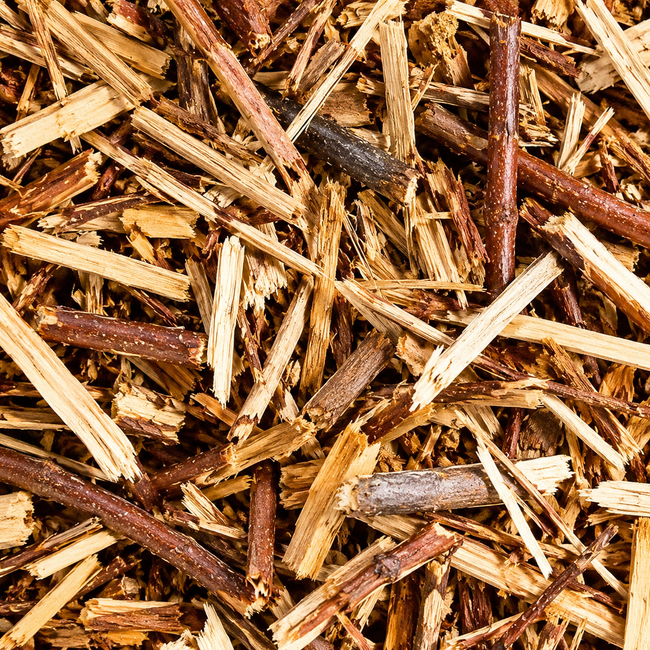
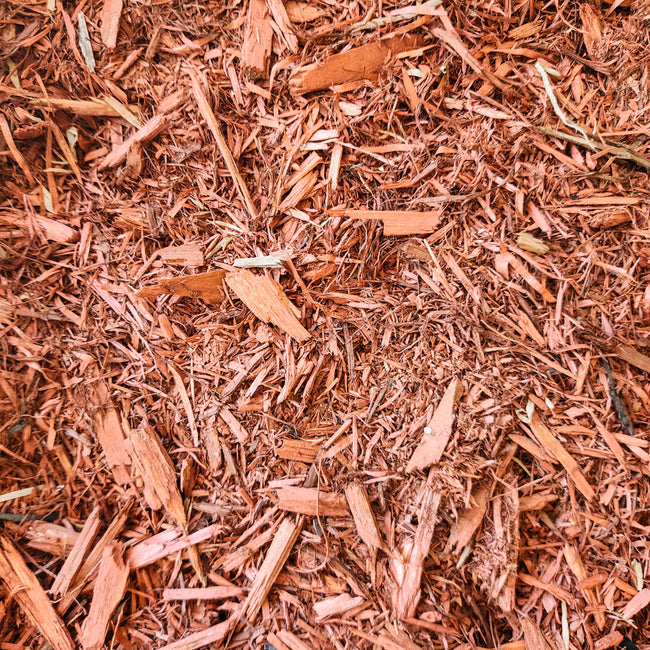
To plant sweet pepperbush, choose an appropriate exposure: sun to partial shade. The recommended soil is moist to wet, acidic to neutral. Water the root ball before planting and ensure that water can drain after planting. During establishment, check the moisture by hand before watering again. Spread mulch around the base, leaving the crown clear. Avoid systematic fertilizer applications without considering soil richness. In Quebec, choose a period when the ground is thawed and easy to work with.
Allow for a width of 1.5–2.5 m (5–8 ft) to plan the space for this plant in the garden. The indicated height of 2–3 m (6.5–10 ft) helps choose its position relative to neighboring plants. Maintain access to the base for weeding, checking moisture, and removing damaged parts. Combine this variety with plants whose light and water needs are compatible. If you are considering a container, first check that its volume and drainage are suitable for root development. Potted roots are more exposed to cold than those planted in the ground.

Soil and care
The right care,at the right time.
Minimum temperature
-40°C
Watering
Regular to abundant
Soil type
Wet to saturated, acidic to neutral
Fertilization
Little necessary, compost in spring
Bloom and dimensions
Its place,in your garden.
Mature height
6.5–10 ft (2–3 m)
Width / spread
5–8 ft (1.5–2.5 m)
Flower color
White
Foliage color
Dark green → yellow in autumn
Foliage type
Obsolete
Growth rate
Moderate
Growth habit
Dense, rounded shrub
Bloom period
Summer
Fruiting
Small persistent brown capsules
Wildlife and pets
Life,around your plants.
Supporting wildlife
Yes
For your trees, shrubs and conifers
The right extras.Right here.
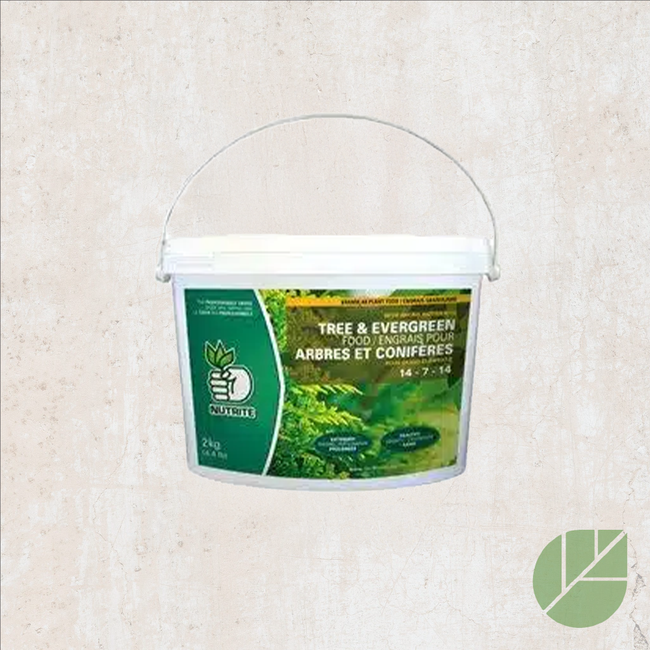
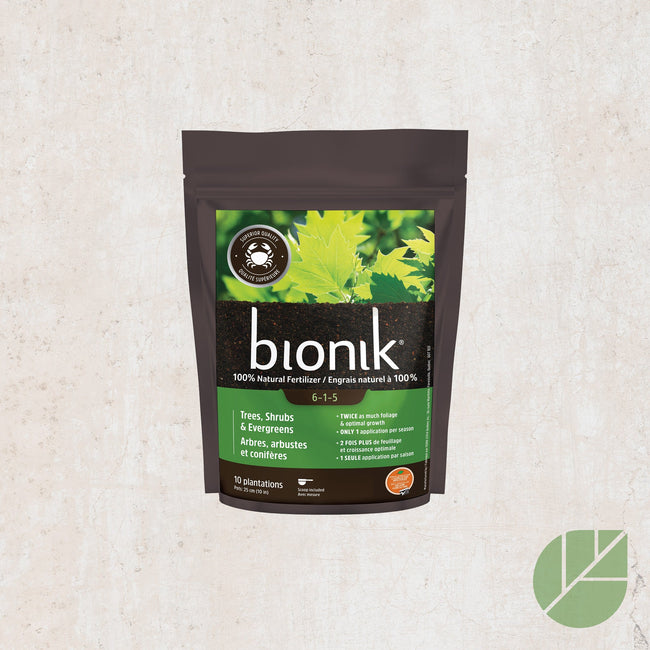
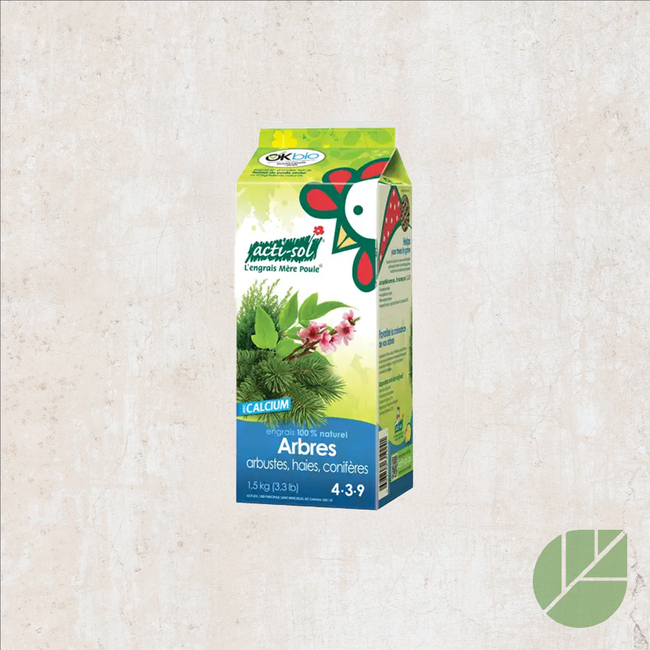
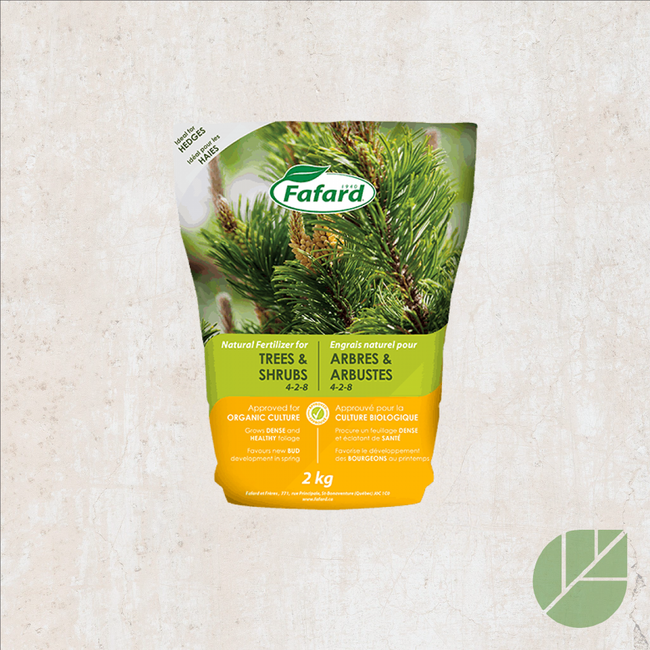
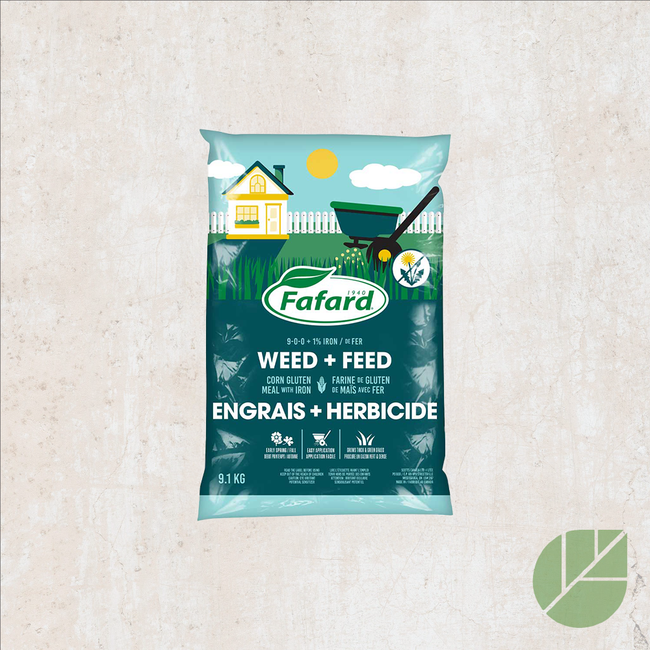
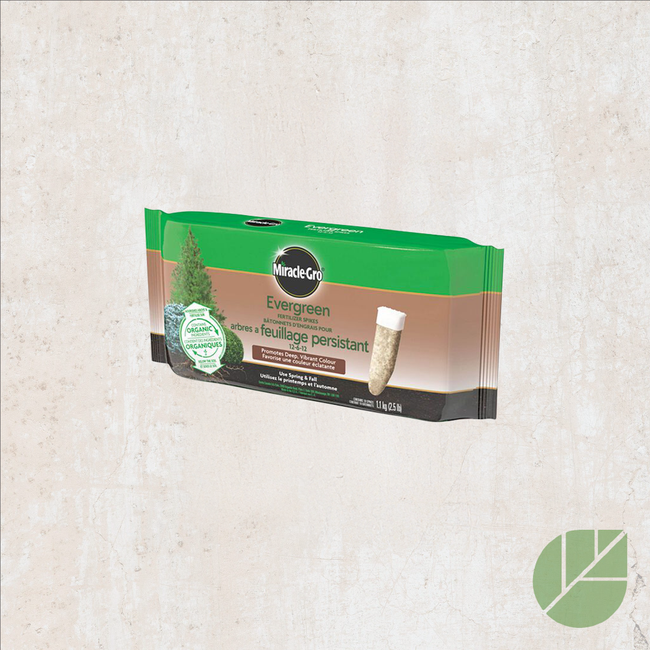
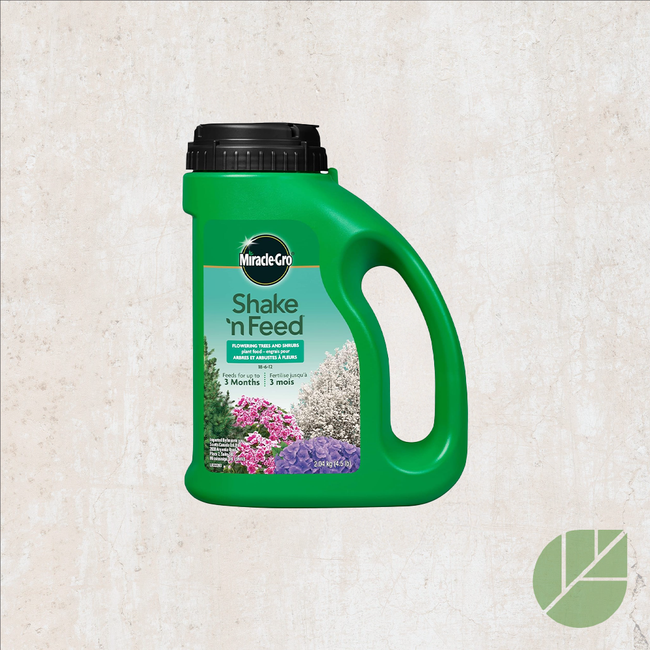
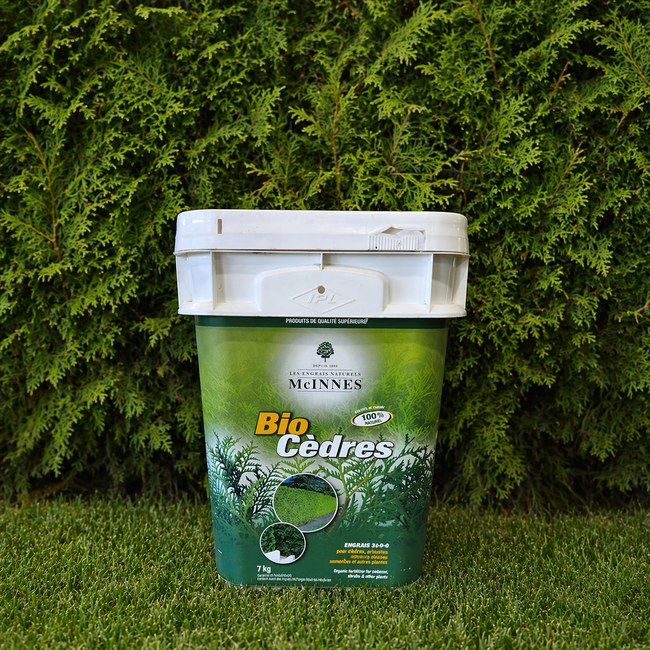
Tree and Shrub Fertilizer
Shop the collection