

Sale
Sold out

Vegetable
Cucurbitaceae
Organic seeds
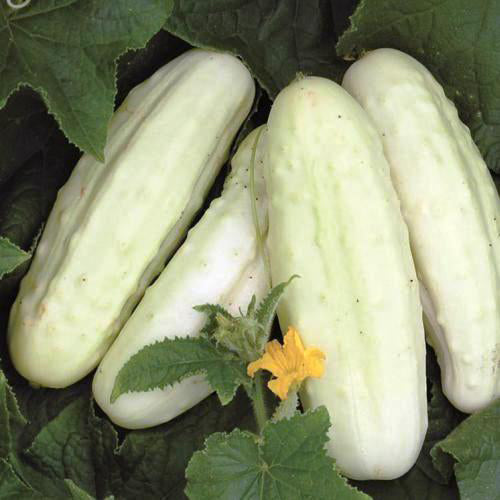
White Cucumber 'De Hollande'
Cucumis sativus
Product code : JAREC-0073
With its rare and refined appearance, *Cucumis sativus* adds a touch of intrigue and distinction to summer crops, while offering a generous and flavorful harvest. Its tender, crisp, and delicate flesh is wonderfully suited for fresh salads, but also for pickling for those who enjoy extending the garden's flavors. Vigorous and hardy, this plant quickly unfurls its sprawling or climbing stems, bringing life to the space with dense foliage and beautiful growth energy. Grown on a trellis or left on the ground, it adapts well to different garden styles, provided it benefits from warmth, sun, and well-drained soil.
- Quantity
- About 30 seeds
- Exposure
- Sun
- Life cycle
- Annual
Discover the plant
Common nameWhite Cucumber 'De Hollande'
FamilyCucurbitaceae
GenusCucumis
Speciessativus
CultivarFrom Holland
TypeVegetable
Botanical nameCucumis sativus
Reproducible seedsYes
Heirloom varietyYes
‘De Hollande’ White Cucumber (Cucumis sativus). With its rare and refined appearance, Cucumis sativus adds a touch of curiosity and distinction to summer crops, while offering a generous and flavorful harvest. Its tender, crisp, and delicate flesh is wonderful for fresh salads, but also for pickling for those who enjoy extending garden flavors. Vigorous and hardy, this plant quickly spreads its sprawling or climbing vines, enlivening the space with dense foliage and strong growth. Grown on a trellis or left on the ground, it adapts well to different garden styles, provided it benefits from warmth, sun, and well-drained soil.
Recommended sowing period: May to June. The depth to respect is 2 to 2.5 cm (0.8 to 1 in). Germination usually takes 5 to 10 days. For germination, maintain the soil at 20 to 30 °C (68 to 86 °F). Sow cucumbers in individual containers if starting them indoors. Their roots re-establish better when the root ball remains intact during transplanting. Do not let young plants age too long in a small pot. Plant them outdoors in warm soil, then protect their recovery from the wind.
Its rapid production allows for gratifying harvests from mid-summer, with firm and pleasant fruits to pick. A trellis makes cucumbers easier to spot and limits their contact with the ground. Install it securely before the stems grow, then guide the first tendrils. On the ground, direct the vines to a clear area and keep an aisle for harvesting. Avoid letting shoots cross a pathway where they would be trampled or moved with each intervention. With its rare and refined appearance, Cucumis sativus adds a touch of curiosity and distinction to summer crops, while offering a generous and flavorful harvest.

Sowing guide
It all startswith a seed.
Sowing depth
0.8 to 1 in. (2 to 2.5 cm)
Germination temperature
20 to 30 °C (68 to 86 °F)
Germination time
5 to 10 days
Sowing period
May to June
Propagation
Sowing
Growing method
Recommended sowing period: May to June. The depth to respect is 2 to 2.5 cm (0.8 to 1 in). Emergence usually takes 5 to 10 days. For germination, maintain the potting soil at 20 to 30 °C (68 to 86 °F). Sow cucumbers in individual containers if starting them indoors. Their roots take better when the root ball remains intact during transplanting. Do not let young plants age too long in a small pot. Plant them outdoors in warmed soil, then protect their re-establishment from the wind. For direct sowing, identify locations to weed without disturbing young roots. Cucumbers develop rapidly once the heat sets in. Check for fruits hidden under the leaves so as not to let a forgotten one grow too large. Regular harvesting allows for tender skin and undeveloped seeds. Cut the stems instead of pulling on the vines. Water at the base and keep the leaves sufficiently spaced so that they dry after rain. Leafy vegetables require harvesting adjusted to the type of plant. Outdoor harvesting preserves the heart when you want to continue production.
Soil and care
The right care,at the right time.
Care level
Regular during establishment, then adapted to growing conditions
Watering
Regular
Soil type
Well-drained and rich
Fertilization
Fertilization supports growth and considers nutrients already present in the soil or potting mix. Use mature compost or a fertilizer suitable for the crop, following the dosage instructions. Avoid using multiple products, especially in containers where roots occupy a limited volume. Water as needed after application and observe foliage development before re-fertilizing.
Moisture
Moist soil during germination, without standing water; then adjust to the crop
Seasonal care
With its rare and refined appearance, Cucumis sativus adds a touch of curiosity and distinction to summer crops, while offering a generous and flavorful harvest. Sow cucumbers in individual containers if starting them indoors. Their roots establish better when the root ball remains intact during transplanting. Do not let young plants grow too old in a small pot. Plant them outdoors in warmed soil, then protect them from wind during establishment. For direct sowing, mark the locations to weed without disturbing the young roots. Cucumbers grow quickly once the weather warms up. Check for fruits hidden under the leaves so as not to let an overlooked one grow too large. Regular harvesting ensures tender skin and underdeveloped seeds. Cut the stems instead of pulling on the vines. Water at the base and keep the leaves sufficiently spaced so they can dry after rain. Leafy vegetables require harvesting adjusted to the type of plant. Outer harvesting preserves the heart when you want to continue production. Very old leaves do not have the same tenderness as young shoots. Rinse the harvest just before use or dry it carefully before a short stay in the refrigerator. Its tender, crunchy, and delicate flesh is wonderful in fresh salads, but also for making pickles for those who enjoy extending the flavors of the garden. Recommended sowing period: May to June.
Container growing
A garden,within reach.
Suitable for containers
Yes
Recommended pot size
A stable container with drainage holes, wide enough for the plant to spread out and deep enough for the roots.
Choose this exposure: sun. Reserve this spread around the plant: 1 to 2 m (3 to 6.5 ft). For a container cucumber, the support should be as stable as the pot. Attach it before planting and ensure it can withstand the wind resistance of the foliage. Leave a water reserve accessible to the roots without retaining stagnant water. Fruits are easier to pick when the stems are guided outwards from the support and the foliage does not form a compact mass. With its rare and refined appearance, Cucumis sativus adds a touch of curiosity and distinction to summer crops, while offering a generous and flavorful harvest. Its tender, crisp, and delicate flesh is wonderful for fresh salads, but also for making pickles for those who enjoy extending garden flavors. Vigorous and hardy, this plant quickly unfurls its sprawling or climbing stems, enlivening the space with dense foliage and beautiful growth energy. Grown on a trellis or left on the ground, it adapts well to different garden styles, provided it receives warmth, sun, and well-drained soil.

Bloom and dimensions
Its place,in your garden.
Mature height
12 to 20 in. (30 to 50 cm)
Width / spread
1 to 2 m (3 to 6.5 ft)
Foliage type
Seasonal foliage
Growth habit
Climbing, Creeping
Bloom period
July to August
Fruiting
With its rare and refined appearance, Cucumis sativus adds a touch of curiosity and distinction to summer crops, while offering a generous and flavorful harvest. Its tender, crisp, and delicate flesh is wonderful in fresh salads, but also for making pickles for those who enjoy extending the flavors of the garden. Its rapid production allows for gratifying harvests from the heart of summer, with firm and pleasant-to-pick fruits.
Harvest
60 days after sowing
Garden associations
In goodcompany.
Companion plants
In a diversified plantation, you can dedicate neighboring sections to these plants: corn, beans, peas. This arrangement serves to organize space and harvests. Respect the height, light, and water needs of each plant, without crowding the foliage. Maintain an aisle for watering and harvesting, then remove finished crops to free up space. This organization facilitates maintenance but does not guarantee protection against pests. A trellis makes cucumbers easier to spot and limits their contact with the ground.
Recipe idea
From the gardento your plate.
Edible parts
Young fruits
Recipe idea with 'De Hollande' White Cucumber: cucumber salad for four servings. Slice 400 g of young fruits thinly, or halve very small cucumbers. Mix with 125 ml plain yogurt, 10 ml lemon juice, and 10 ml chopped dill. Add a small pinch of salt and stir gently. For a lighter version, replace the yogurt with 15 ml olive oil. Serve chilled, shortly after preparation, to keep the skin and flesh crispy. Prepare ingredients with clean utensils and adjust slicing to the size of your harvest. This recipe highlights freshly picked parts: remove damaged pieces before preparation. If doubling quantities, ensure enough space in the dish for even mixing or cooking. Promptly refrigerate leftovers in a sealed container and consume within two days. For a two-person meal, simply divide all quantities by two.
Frequently asked questions
Your questions,answered.
How to successfully sow White 'De Hollande' Cucumber?
Recommended sowing period: May to June. The depth to respect is 2 to 2.5 cm (0.8 to 1 in). Emergence usually takes 5 to 10 days. For germination, maintain the potting soil at 20 to 30 °C (68 to 86 °F). Sow cucumbers in individual containers if you are starting them indoors. Their roots re-establish better when the root ball remains intact during transplanting. Do not let young plants age too long in a small pot. Plant them outdoors in warmed soil, then protect their re-establishment from the wind. When direct sowing, identify the locations to be able to weed without disturbing the young roots.
Can you grow Cucumber 'De Hollande' white in a pot?
Choose this exposure: full sun. Reserve this spread around the plant: 1 to 2 m (3 to 6.5 ft). For a cucumber in a container, the support must be as stable as the pot. Attach it before planting and make sure it can withstand the wind resistance of the foliage. Leave a water reserve accessible to the roots without retaining stagnant water. Fruits are easier to pick when the stems are guided outwards from the support and the foliage does not form a compact mass. With its rare and refined appearance, Cucumis sativus brings a touch of curiosity and distinction to summer crops, while offering a generous and flavorful harvest.
When to harvest White 'De Hollande' Cucumber?
With its rare and refined appearance, Cucumis sativus adds a touch of curiosity and distinction to summer crops, while offering a generous and flavorful harvest. Its tender, crunchy, and delicate flesh is wonderfully suited for fresh salads, but also for preparing pickles for those who enjoy extending garden flavors. Its rapid production allows for rewarding harvests starting in mid-summer, with firm and pleasant-to-pick fruits. Both decorative, productive, and refreshing, this ancient cucumber captivates as much by its beauty as by its versatility in the kitchen. Leafy greens require harvesting adjusted to the type of plant.
What makes Cucumber 'De Hollande' stand out in the garden?
With its rare and refined appearance, Cucumis sativus adds a touch of curiosity and distinction to summer crops, while offering a generous and flavorful harvest. Its tender, crisp, and delicate flesh is wonderful in fresh salads, but also for making pickles for those who enjoy extending garden flavors. Vigorous and hardy, this plant quickly deploys its creeping or climbing stems, enlivening the space with dense foliage and strong growth. Grown on a trellis or left on the ground, it adapts well to different garden styles, provided it gets warmth, sun, and well-drained soil.
How to organize a planting of White Cucumber 'De Hollande'?
A trellis makes cucumbers easier to spot and limits their contact with the ground. Install it securely before the stems grow, then guide the first tendrils. On the ground, direct the vines to a clear area and keep an aisle for harvesting. Avoid letting shoots cross a path where they would be stepped on or moved with each intervention. Cucumbers grow quickly once the weather warms up. Check for fruits hidden under the leaves so as not to let a forgotten one get too big. Regular harvesting allows you to enjoy tender skin and underdeveloped seeds.
For a great start to your seeds
The right extras.Right here.
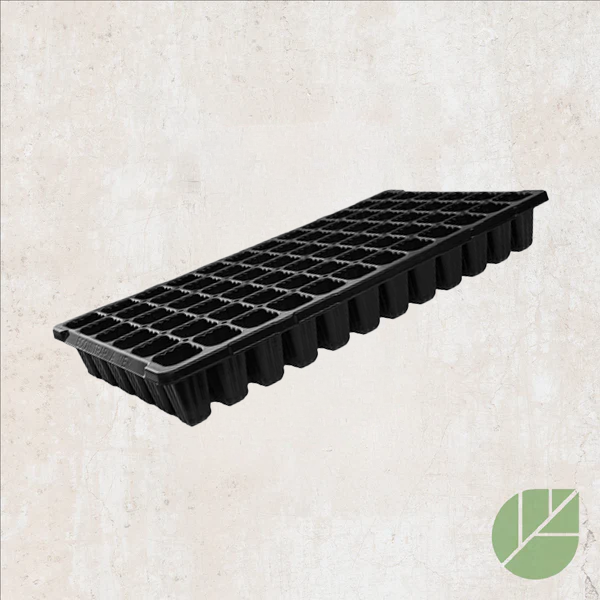
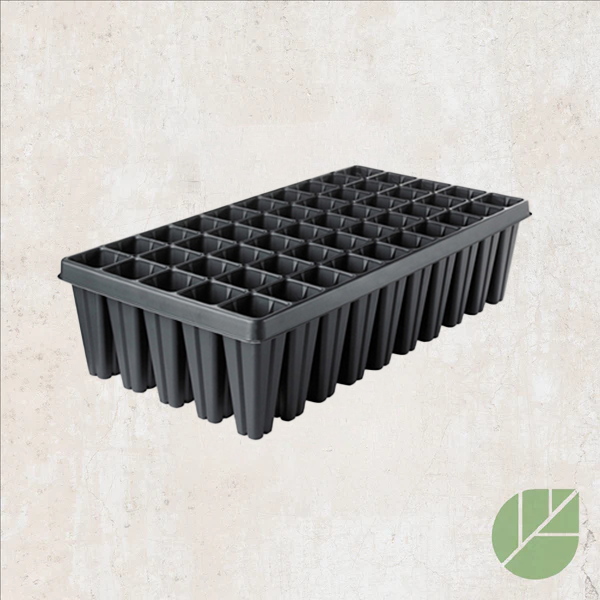
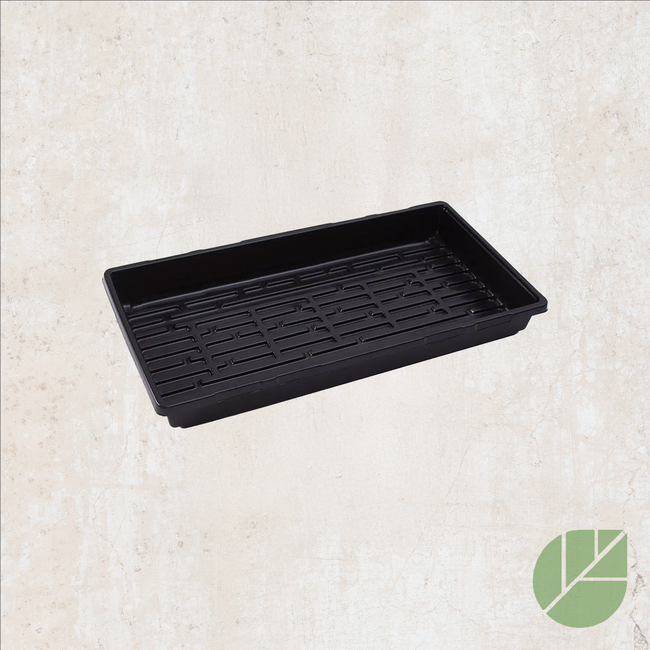
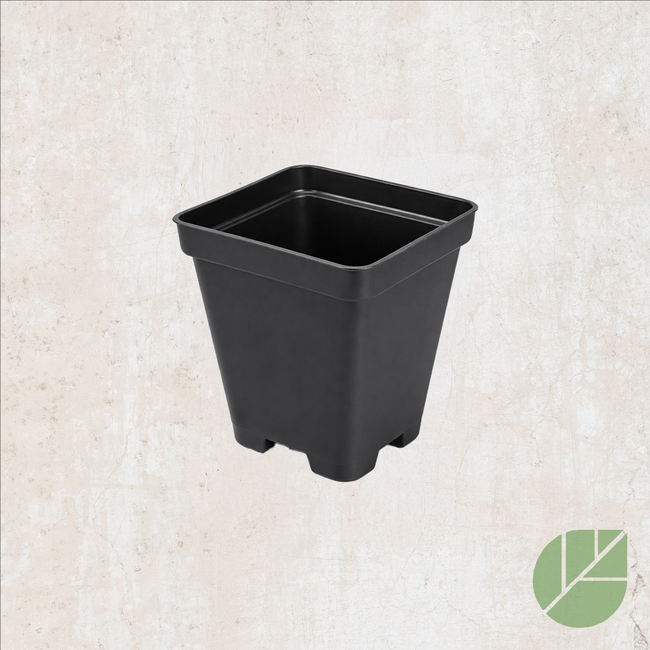
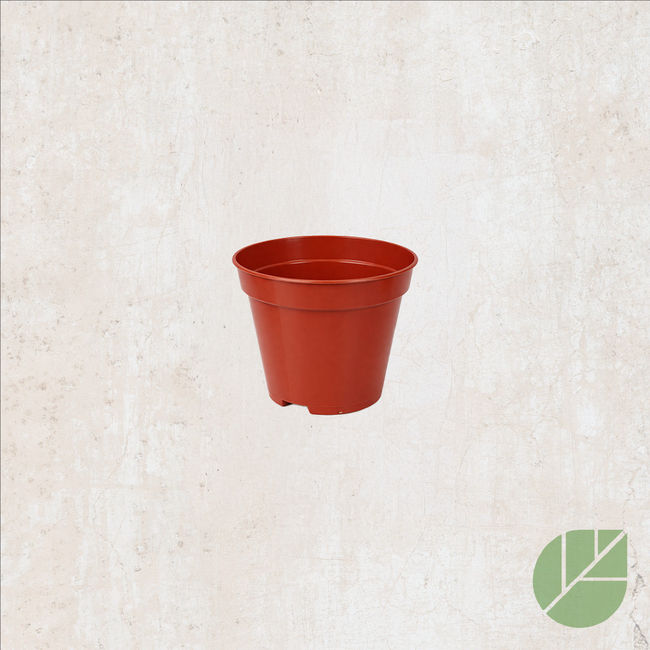
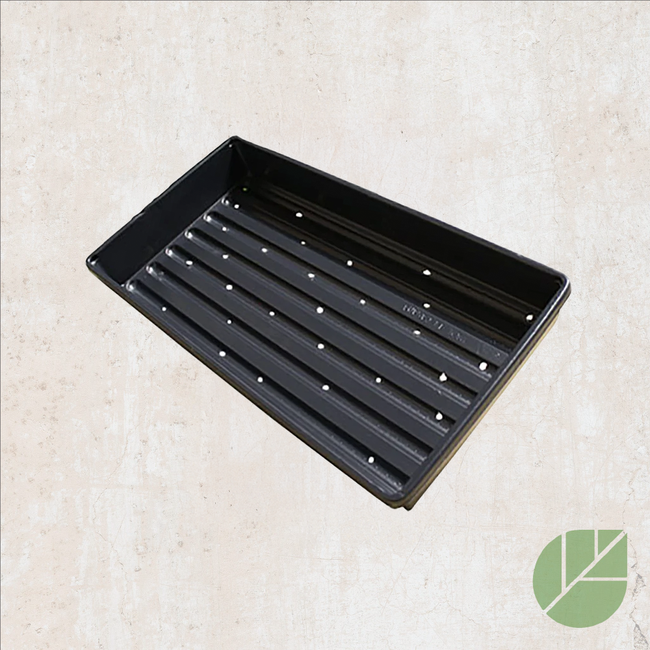
Platters, pots and domes
Shop the collection
Seed Starting Soil
Shop the collectionSeed starting supplies
Shop the collection




