


Sale
Sold out

Running Buttercup-type winter squash
Cucurbitaceae
Organic winter squash seeds
Organic 'Buttercup' winter squash
Cucurbita maxima
Product code : BIOVO-0033
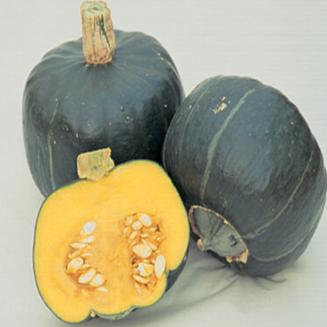
Organic 'Buttercup' winter squash produces flattened dark-green fruit with dense, sweet, dry, minimally stringy orange flesh. This storage squash suits mash, soups, gratins, curries, breads, and desserts. It matures in about 90 days in a warm, sunny position. Sow three seeds per site, then retain the strongest seedling. Fertile soil, steady moisture, and effective pollination support well-shaped fruit. Harvest before a hard frost and cure the squash before storage. Each selection contains approximately 25 organic seeds. Its firm rind protects the flesh well after curing. Guide long vines toward the garden edge, monitor insect pests, and harvest before a hard frost. Store only sound fruit in a cool, dry, well-ventilated place. Regular inspection helps preserve quality throughout the storage period.
- Quantity
- Approximately 25 organic seeds
- Exposure
- Full sun
- Life cycle
- Warm-season annual
Discover the plant
Common name'Buttercup' winter squash, turban-type squash
FamilyCucurbitaceae
GenusCucurbita
Speciesmaxima
CultivarButtercup
TypeRunning Buttercup-type winter squash
Botanical nameCucurbita maxima
Organic 'Buttercup' winter squash (Cucurbita maxima) produces flattened dark-green fruit recognized by its compact shape and small button at the blossom end. Beneath the firm rind is dense orange flesh that is sweet, relatively dry, and minimally stringy. This texture is especially well suited to mash, soups, gratins, curries, breads, and desserts. Each selection contains approximately 25 organic seeds. Harvest begins about 90 days after sowing when the growing season is warm and sufficiently long. Fine-textured flesh holds together well after cooking, while natural sweetness pairs easily with spices, herbs, and maple syrup. Whole fruit also provides attractive kitchen decoration before it is prepared for a meal.
Sow three seeds per site after all frost risk, approximately 2 to 2.5 cm deep, once soil is thoroughly warm. Retain the strongest seedling afterward. Follow the spacing printed on the selection: 91 cm (36 in) between plants and 61 cm (24 in) between rows. Choose a full-sun site with fertile, compost-rich, well-drained soil. Water deeply at the base, then mulch once soil is warm. Separate male and female flowers depend on pollinators, so remove protective row covers when flowering starts. Mature compost worked into the bed before sowing supports steady growth, while regular observation helps detect pest damage before it becomes severe.
Harvest when the rind is hard, evenly coloured, and difficult to mark with a thumbnail, while the stem becomes dry and corky. Cut squash with 5 to 8 cm of stem attached and bring it inside before a hard frost. Cure for 7 to 14 days in a warm, dry, ventilated place, then store cool without exposure to freezing. Inspect fruit regularly and use scratched specimens first. Monitor cucumber beetles, squash bugs, vine borers, and powdery mildew throughout the growing season. Rest enlarging fruit on a board or layer of dry straw to reduce contact with damp soil and make regular inspection easier throughout the final weeks of ripening.

Sowing guide
It all startswith a seed.
Sowing depth
Approximately 2 to 2.5 cm (3/4 to 1 in)
Spacing / density
91 cm (36 in) between plants and 61 cm (24 in) between rows
Germination temperature
Approximately 21 to 35 °C (69.8 to 95 °F)
Germination time
Approximately 7 to 14 days
Sowing period
After all frost risk in warm soil, or indoors three to four weeks before transplanting
Propagation
Direct sowing in warm soil or indoor sowing three to four weeks before transplanting
Growing method
Growing 'Buttercup' squash from seed. Direct-sow after all frost risk once soil reaches at least 18°C. Place three seeds per site 2–2.5 cm deep, as directed on the selection, then retain the strongest seedling after emergence. Space plants 91 cm apart and rows 61 cm apart. Choose full sun and fertile soil enriched with compost. Water at the base to maintain steady moisture without saturating the ground. Mulch after soil warms and remove protection when flowering begins so pollinators can reach the blooms. Guide long vines away from paths. Monitor cucumber beetles, squash bugs, vine borers, and powdery mildew. Harvest after approximately 90 days when the rind resists a thumbnail and the stem dries. Cut with 5–8 cm of stem, cure for 7–14 days, then store in a cool, dry place. During hot periods, check moisture beneath the mulch and irrigate slowly instead of wetting only the surface. Place a board or layer of dry straw beneath each young fruit. Do not remove healthy leaves that support ripening. As autumn approaches, stop high-nitrogen feeding and check frost forecasts daily. Store only fruit without deep injuries or soft areas. Keep leaves dry whenever possible and inspect both leaf surfaces weekly. Remove badly diseased debris, wash harvesting tools, and rotate away from squash crops next season.
Soil and care
The right care,at the right time.
Soil pH
Approximately 5.8 to 6.8
Care level
Moderate
Watering
Keep soil evenly moist during germination, then water deeply when the top few centimetres begin to dry. Direct water at the base in the morning to keep foliage dry. Maintain steady moisture through flowering, fruit set, and fruit enlargement without leaving standing water around the crown. Add 5 to 8 cm of mulch after soil warms. Reduce irrigation gradually as the rind hardens and stop heavy watering near harvest time. Check beneath the mulch before watering because the surface may look dry while lower soil remains moist. Uneven watering can interrupt fruit development and stress the vines.
Soil type
Prepare fertile, deep, loose, well-drained soil enriched with mature compost. Moisture-retentive loam that never remains saturated best supports long vines and fruit development. Aim for a pH of approximately 5.8 to 6.8. In heavy or cold soil, form a broad mound to speed warming and improve drainage. Mulch only after the ground is warm. Avoid plots that recently held diseased Cucurbitaceae and rotate crops for at least three years. Before planting, loosen the bed broadly rather than digging one narrow amended hole. Keep fresh manure away from roots and use finished compost to reduce burning risk.
Fertilization
Prepare the bed for 'Buttercup' winter squash with mature compost, then use fertilizer according to the soil's needs. The vine must support both leafy growth and developing storage fruit, but excess nitrogen is not a shortcut to ripeness. Follow a soil test or label and avoid concentrated feed against the roots. Water appropriately after feeding, keep drainage effective and assess plant growth before adding another application. A balanced growing season matters more than frequent heavy doses.
Moisture
Evenly moist drained soil during growth; dry curing conditions
Seasonal care
Seasonal care for 'Buttercup' squash. Plan 'Buttercup' winter squash from local frost and soil conditions rather than a fixed calendar: after all frost risk in warm soil, or indoors three to four weeks before transplanting. Sow approximately 2 to 2.5 cm deep. Expect germination in approximately 7 to 14 days at approximately 21 to 35 °C (69.8 to 95 °F); keep the medium evenly moist but aerated throughout that interval. Move seedlings outdoors only after frost risk has passed and the soil is thoroughly warm; protect the root ball because cucurbits dislike disturbance. Build a broad, sunny, well-drained planting area, incorporating mature compost without making a soggy pocket at the crown. Allow the stated spread and direct vines or broad leaves before they cover paths or shade smaller crops. Water deeply at the base, widening the irrigated zone as growth advances and keeping foliage as dry as practical. 'Buttercup' winter squash container guidance: at least 100 L and 50 to 60 cm (20 to 24 in) deep. Set the pot where runoff can escape and light is adequate. Once flowers open, avoid disturbing visiting bees, inspect leaf undersides for pests, and remove only clearly damaged tissue. Use the supplied harvest guidance—approximately 90 days; harvest when the rind is hard and the stem is dry, before a hard frost—as a planning reference, then judge each fruit by the cultivar's colour, firmness, and intended harvest size. Wait for full storage maturity, then cure only sound fruit under suitable dry conditions. Before frost, collect usable fruit and remove vines with mildew or rot rather than composting heavily diseased material beside the bed.
Container growing
A garden,within reach.
Recommended pot size
At least 100 L and 50 to 60 cm (20 to 24 in) deep
Growing 'Buttercup' squash in containers. For 'Buttercup', choose a container matching this guide: at least 100 L and 50 to 60 cm (20 to 24 in) deep. Keep several drainage holes unobstructed. Use a large stable container with rich, free-draining mix. Place 'Buttercup' before late-season crowding develops, keeping its mature habit in mind: vigorous running habit with long vines. Feed moderately after watering. At final planting, space the vine 91 cm (36 in) between plants and 61 cm (24 in) between rows; crowding extra plants reduces access. Keep mulch outside the crown. Give the planting full sun, and keep water from collecting around the crown or container base. Leave flowers accessible to bees. As the crop matures, use the expected harvest form—flattened ribbed dark-green fruit with a small greyish blossom-end button—to guide support, inspection, and careful picking. Guide this cucurbit stems without crushing them and support developing ripening fruit where vertical growth is used. Harvest the vine with a clean tool, remove failing vines, and do not reuse diseased mix for another cucurbit. Support fruit developing above the pot, cut it cleanly at harvest, and discard diseased vines after the crop. Use the plant’s response to light and moisture to guide care instead of following a fixed calendar. Inspect the drainage openings through the season because roots and settled mix can slow the outflow.

Bloom and dimensions
Its place,in your garden.
Mature height
Foliage generally 45 to 75 cm (18 to 30 in)
Width / spread
Vines may extend approximately 2 to 4.5 m (6 to 15 ft)
Flower color
Yellow
Foliage color
Green
Foliage type
Large rough lobed leaves on sturdy petioles
Growth rate
Rapid in warm weather
Growth habit
Vigorous running habit with long vines
Fragrance
Sweet dry fine orange flesh that is generally minimally stringy
Bloom period
Large separate male and female yellow flowers form on the same plant. Blossoms open mainly in the morning and require bee visits or hand pollination to produce well-shaped fruit. The first blossoms are often male. Female flowers are recognized by the small squash-shaped swelling behind the petals. To hand-pollinate, gently transfer pollen from a fresh male flower to the centre of an open female flower early in the morning. Repeat hand pollination with several fresh flowers when bee activity is low. Mark pollinated blossoms loosely so successful fruit set can be checked over the following days.
Fruiting
Flattened dark-green fruit carries a small button at the blossom end. The rind becomes firm at maturity and protects dense, sweet, dry, minimally stringy orange flesh. Harvest when colour is even, a thumbnail barely marks the rind, and the stem becomes dry and corky. Incomplete pollination may produce misshapen fruit or cause early yellowing. Maintain steady moisture and protect young fruit from direct contact with saturated soil. Stop turning fruit once it becomes heavy to avoid breaking the stem or damaging developing vines.
Days to maturity
Approximately 90 days
Harvest
Approximately 90 days; harvest when the rind is hard and the stem is dry, before a hard frost
Garden associations
In goodcompany.
Companion plants
The selection recommends beet, celery, onion, potato, and thyme as companion plants. Keep them far enough from the crown to preserve airflow and avoid immediate competition for water. Thyme may border the bed, while taller vegetables should remain on the north side so they do not shade the squash. Companion planting never replaces crop rotation, weeding, or pest monitoring. Water each crop according to its needs and guide vines so they do not cover young plants. Leave clear access for harvest and inspect the shared bed regularly.
Recipe idea
From the gardento your plate.
Edible parts
Cooked flesh of mature squash
'Buttercup' squash in the kitchen. Roasted 'Buttercup' squash mash — Cut one sound mature squash in half with a stable knife, remove seed and fibres, then place cut sides down on a tray. Roast at 190°C for 40 to 60 minutes until a knife enters easily. Scoop 750 g flesh and mash with 30 ml butter or oil, a pinch of salt, pepper, and a little nutmeg. Serve hot or cool promptly for freezing. Discard any mouldy, frozen, or abnormal-smelling fruit. For a savoury version, add one roasted garlic clove and a few thyme leaves. For a sweeter version, replace pepper with cinnamon and a drizzle of maple syrup. Refrigerate leftovers within two hours and use them promptly. The mash freezes well in clearly dated flat portions. Reheat thoroughly before serving. Save a few sound seeds to roast separately for a crisp topping that reduces kitchen waste. Serve with roasted vegetables, lentils, or a crisp green salad for a complete autumn meal.
Frequently asked questions
Your questions,answered.
How many seeds are included and when should harvest begin?
The product contains approximately 25 organic 'Buttercup' squash seeds. Maturity is listed at about 90 days, although temperature, sowing date, and pollination may advance or delay harvest. Count from sowing and also check visible signs: the rind should be fully coloured, firm, and difficult to mark with a thumbnail, while the stem should begin drying and becoming corky. Harvest before a hard frost by cutting the stem with clean pruners. Leave a 5 to 8 cm handle, but never carry fruit by it. Cure the squash in a warm, dry, ventilated place before storing it. Germination is listed at 85% under suitable warmth and moisture. Keep the seedbed evenly moist, never waterlogged, until emergence.
How can a ripe 'Buttercup' squash be identified?
Check several signs together before cutting the fruit. The rind should be dark green, evenly coloured, and difficult to mark with a thumbnail. The stem begins drying and looks corky, while foliage naturally declines late in the season. The area resting on the ground usually changes from white to cream. Harvest before a hard frost and leave 5 to 8 cm of stem. Tender young fruit stores poorly even when it appears to have reached full size. Handle it without lifting by the stem, then cure it for 7 to 14 days in a warm, dry, ventilated place. Check gently.
Why should squash be cured after harvest?
Curing for 7 to 14 days in a warm, dry, ventilated place helps the rind and stem finish drying. It also encourages small superficial scratches to seal and prepares fruit for storage. Arrange squash without touching and turn each one gently to inspect every side. Curing cannot repair deep cuts, freeze injury, soft areas, or rot; use affected fruit promptly or discard it according to condition. After curing, store in a cool, dry, frost-free place. Inspect regularly and remove any deteriorating fruit immediately so nearby squash remains sound. Small surface marks may dry during curing, but continue checking them because deterioration can begin later in storage.
Can 'Buttercup' seed be eaten?
Yes. Remove seeds from a sound, fully mature squash, separate them from the fibres, and rinse thoroughly. Dry the surface before tossing with a little oil and preferred seasonings. Spread in one layer and roast while checking often to prevent smaller seeds from burning. 'Buttercup' seeds generally have a firmer coat than hulless seed from certain pumpkins, so their texture remains different. Discard any mouldy or rancid seed and any seed taken from rotten fruit. Keep culinary seed separate from seed intended for future sowing, which must never be heated. Let roasted seeds cool completely before storing them so trapped steam does not soften them or encourage spoilage.
How can 'Buttercup' squash seeds be saved?
Cucurbita maxima may cross with other squash of the same species, including many kabocha, hubbard, and giant squash varieties. To keep offspring as true as possible, isolate plants from other C. maxima or hand-pollinate a female flower, then close and label it. Let the fruit mature completely on the vine and cure it after harvest. Extract the seeds, rinse away all pulp, and dry them for several weeks in an airy place without direct heat. Store only hard, thoroughly dry seed in a labelled envelope in a cool, dry location. Also record the harvest year and number of parent fruit. Germination testing before the next sowing helps determine how many seeds to plant.
Wildlife and pets
Life,around your plants.
Supporting wildlife
Large yellow flowers rich in pollen and nectar attract honeybees, bumblebees, and other pollinating insects essential for fruit set. Male flowers often appear before female flowers and provide an early food source. Avoid insecticides during flowering and keep blossoms accessible in the morning, when pollinator activity is usually strongest. A shallow water source nearby may support visiting insects during hot weather, provided it includes stones or landing surfaces and is refreshed regularly.
For a great start to your seeds
The right extras.Right here.
Seed Starting Soil
Shop the collectionSeed starting supplies
Shop the collection





