


Sale
Sold out

Vegetable
Cucurbitaceae
'Red Kuri' Squash (Cucurbita maxima)
Product code : JAREC-0093
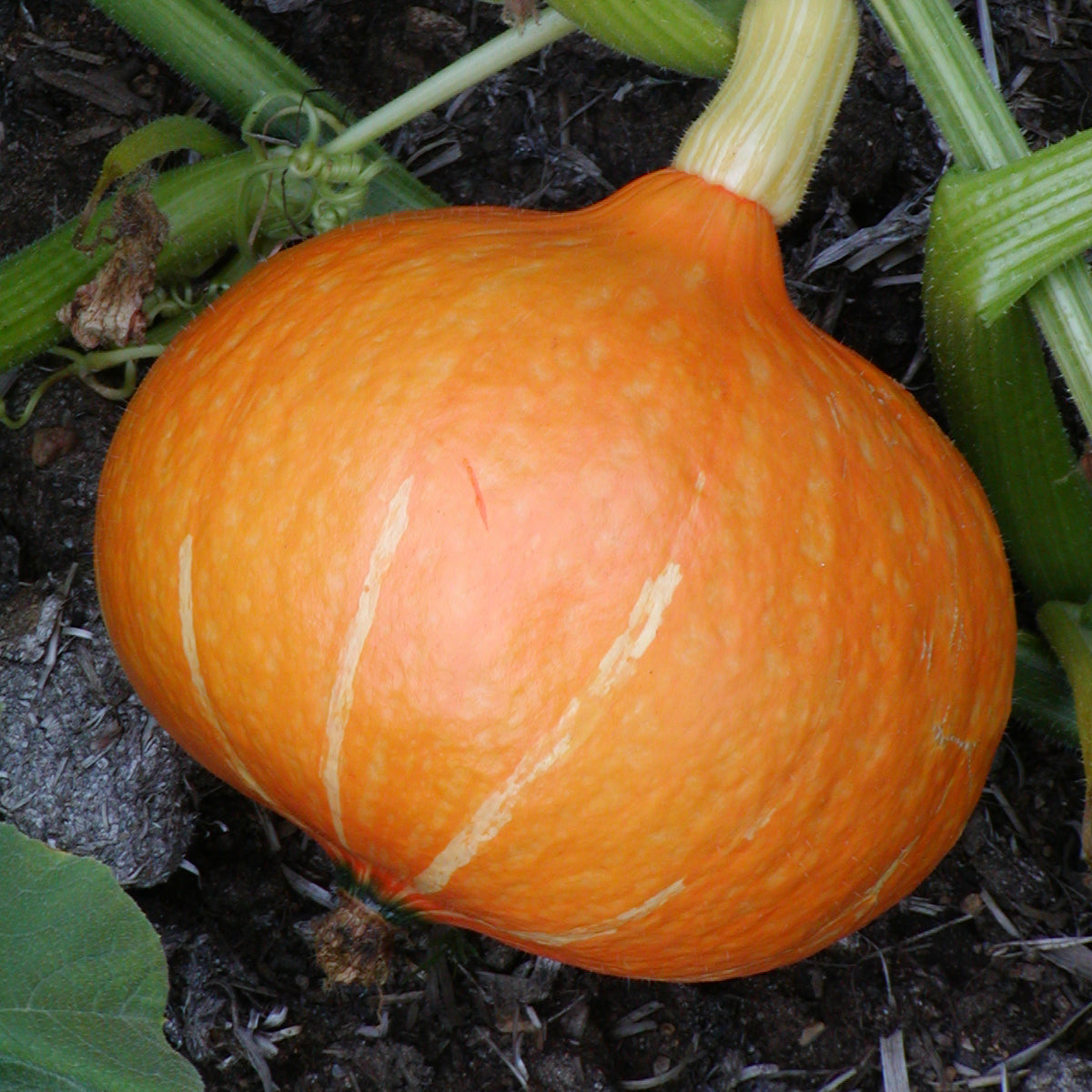
The organic 'Red Kuri' squash is an heirloom hubbard squash known for its generosity, appreciated as much for the warm beauty of its fruits as for the richness of its flesh in the kitchen. With its brick-red skin and elegant, small top-like shape, Cucurbita maxima brings a strong autumnal presence to the vegetable garden, both nourishing and decorative. Its orange, sweet, dense, and creamy flesh develops a delicate, chestnut-like flavor when cooked, making it a favorite for soups, purees, and roasted dishes. Very productive, this variety rewards the gardener with numerous well-formed fruits, even in cooler climates, which makes it particularly appealing for northern vegetable gardens.
- Quantity
- About 20 seeds
- Exposure
- Sun
- Life cycle
- Annual
Discover the plant
Common name'Red Kuri' Squash
FamilyCucurbitaceae
GenusCucurbita
Speciesmaximum
CultivarRed Kuri
TypeVegetable
Botanical nameCucurbita maxima
Reproducible seedsYes
Heirloom varietyYes
‘Red Kuri’ Squash (Cucurbita maxima). Organic ‘Red Kuri’ squash is a generous heirloom hubbard squash, cherished as much for the warm beauty of its fruits as for the richness of its flesh in cooking. With its brick-red skin and elegant, small top shape, Cucurbita maxima brings a strong autumnal presence to the vegetable garden, both nourishing and decorative. Its orange, sweet, dense, and creamy flesh develops a delicate flavor reminiscent of chestnut when cooked, making it a favorite for soups, purees, and roasted dishes.
Recommended sowing period: May to June. The depth to respect is 2 to 3 cm (0.8 to 1.2 in). Germination usually takes 7 to 14 days. For germination, keep the potting soil at 20 to 30 °C (68 to 86 °F). Squashes and zucchinis transplant better when their roots remain intact. Sowing in individual pots facilitates transplantation; in the garden, wait for the soil to warm up. Avoid burying seedlings in cold, saturated soil. Identify each location and allow from the start the necessary surface for the stems.
Easy to grow in full sun in rich, well-drained soil, it offers a reliable harvest and then keeps for several months, extending the pleasure into winter. Organize the squash space before sowing. Bush types remain around their planting point, while vines must be able to spread to a free area. Guide the stems without bending them abruptly and keep the fruits accessible. Mulch limits direct contact with moist soil. Avoid letting the foliage cover small neighboring vegetables. Organic ‘Red Kuri’ squash is a generous heirloom hubbard squash, cherished as much for the warm beauty of its fruits as for the richness of its flesh in cooking.

Sowing guide
It all startswith a seed.
Sowing depth
2 to 3 cm (0.8 to 1.2 in)
Germination temperature
20 to 30 °C (68 to 86 °F)
Germination time
7 to 14 days
Sowing period
May to June
Propagation
Sowing
Growing method
Recommended sowing period: May to June. The depth to respect is 2 to 3 cm (0.8 to 1.2 in). Germination usually takes 7 to 14 days. For germination, keep the potting soil at 20 to 30 °C (68 to 86 °F). Squash and zucchini transplant better when their roots remain intact. Sowing in individual pots facilitates transplanting; in the garden, wait for the soil to warm up. Avoid burying seedlings in cold, saturated soil. Identify each location and allow from the start the necessary surface area for the stems. Young plants appear small when sown, but their foliage quickly takes up much more space. Observe the difference between male and female flowers; the latter bear a young fruit at their base. The presence of flowers therefore does not mean that every flower will produce a squash. Allow insects to access the flowers when the variety depends on pollination. Cut the fruits with a stem rather than pulling them off, then discard damaged specimens before storing a harvest. Zucchini is harvested young, while a squash intended for storage finishes ripening on the plant.
Soil and care
The right care,at the right time.
Care level
Regular during establishment, then adapted to growing conditions
Watering
Regular
Soil type
Rich and well-drained
Fertilization
Fertilization supports growth and takes into account nutrients already present in the soil or potting mix. Use mature compost or a fertilizer suitable for the crop, following the dosage instructions. Avoid using multiple products, especially in a container where roots occupy a limited volume. Water as needed after application and observe foliage development before re-fertilizing.
Moisture
Keep the soil moist during germination, without standing water; then adjust according to the crop.
Seasonal care
Easy to grow in full sun in rich, well-drained soil, it offers a reliable harvest, then keeps for several months, extending the pleasure into winter. Squashes and zucchinis transplant better when their roots remain intact. Sowing in individual pots facilitates transplanting; in the garden, wait for the soil to warm up. Avoid burying seedlings in cold, saturated soil. Identify each location and allow from the start the necessary surface area for the stems. Young plants appear small when sown, but their foliage quickly takes up much more space. Observe the difference between male and female flowers, the latter bearing a young fruit at their base. The presence of flowers therefore does not mean that every flower will produce a squash. Allow insects to access the flowers when the variety depends on pollination. Cut the fruits with a stem rather than tearing them off, then remove damaged specimens before storing a harvest. A zucchini is harvested young, while a squash intended for storage finishes its maturation on the plant. This difference changes the frequency of harvests and culinary use. Keep the fruits out of pathways and protect them from prolonged contact with soggy ground. Remove damaged fruits before storing them. Organic 'Red Kuri' squash is an old, very generous variety of winter squash, appreciated as much for the warm beauty of its fruits as for the richness of its flesh in cooking.
Container growing
A garden,within reach.
Suitable for containers
Yes
Recommended pot size
A sturdy, perforated container, wide enough for the plant to spread out and deep enough for the roots.
Choose this exposure: sun. Reserve this spread around the plant: 2 to 3 m (6.5 to 10 ft). For container-suitable varieties, choose a wide, stable pot, then allow the foliage to extend beyond the rim without blocking a pathway. Large leaves quickly lose water in hot weather. Water the entire root ball and control drainage at the bottom of the pot. A container too tightly packed among other plants makes harvesting difficult and keeps the foliage wet longer. Organic 'Red Kuri' squash is an ancient pumpkin variety that is very generous, appreciated as much for the warm beauty of its fruits as for the richness of its flesh in cooking. With its brick-red skin and elegant small top shape, Cucurbita maxima brings a strong autumnal presence to the vegetable garden, both nourishing and decorative. Its orange, sweet, dense, and creamy flesh develops a delicate chestnut-like flavor when cooked, making it a favorite for soups, purees, and roasted dishes. Highly productive, this variety rewards the gardener with numerous well-formed fruits, even in cooler climates, which makes it particularly interesting for northern vegetable gardens.

Bloom and dimensions
Its place,in your garden.
Mature height
30 to 45 cm (12 to 18 in)
Width / spread
2 to 3 m (6.5 to 10 ft)
Foliage type
Seasonal foliage
Growth habit
Creeping
Bloom period
July to August
Fruiting
Organic 'Red Kuri' squash is an old variety of pumpkin known for its generous yield, appreciated as much for the warm beauty of its fruits as for the richness of its flesh in cooking. Its orange, sweet, dense, and creamy flesh develops a delicate chestnut-like flavor when cooked, making it a favorite for soups, purees, and roasted dishes.
Harvest
95 to 105 days after sowing
Garden associations
In goodcompany.
Companion plants
Corn, beans, sunflower
Recipe idea
From the gardento your plate.
Edible parts
Immature fruits
‘Red Kuri’ Squash Recipe Idea: Squash Soup for four servings. Prepare 700g of flesh, one onion, 15ml of olive oil, and 750ml of vegetable broth. Sauté the chopped onion in a pot, add the squash cubes and broth, then simmer until tender, about twenty minutes. Carefully blend and adjust the consistency with a little water if needed. Season with salt and pepper and serve. Cutting the cubes evenly ensures even cooking. Prepare the ingredients with clean utensils and adapt the cut to the size of your harvest. This recipe highlights freshly picked parts: remove any damaged pieces before preparation. If you double the quantities, ensure enough space in the dish for even mixing or cooking. Promptly place leftovers in the refrigerator in a sealed container and consume within two days. For a meal for two, simply halve all quantities.
Frequently asked questions
Your questions,answered.
How to successfully sow 'Red Kuri' squash?
Recommended sowing period: May to June. Sow to a depth of 2 to 3 cm (0.8 to 1.2 in). Germination usually takes 7 to 14 days. For germination, keep the potting mix at 20 to 30 °C (68 to 86 °F). Squash and zucchini transplant better when their roots remain undisturbed. Sowing in individual pots facilitates transplanting; in the garden, wait until the soil has warmed up. Avoid burying seedlings in cold, saturated soil. Identify each location and allow adequate space for the stems from the start. Young plants appear small when sown, but their foliage quickly takes up much more space.
Can 'Red Kuri' Squash be grown in a pot?
Choose this exposure: sun. Reserve this much space around the plant: 2 to 3 m (6.5 to 10 ft). For varieties suitable for containers, choose a wide and stable pot, then allow the foliage to extend beyond the rim without blocking a pathway. Large leaves quickly lose water in hot weather. Water the entire root ball and control drainage at the bottom of the pot. A container too tightly packed between other plants makes harvesting difficult and keeps the foliage moist longer. Organic 'Red Kuri' squash is an ancient uchiki kuri squash that is very generous, appreciated as much for the warm beauty of its fruits as for the richness of its flesh in cooking.
When to harvest 'Red Kuri' squash?
Organic ‘Red Kuri’ squash is an heirloom hubbard squash renowned for its generous yields and cherished for both the warm beauty of its fruits and the rich flavour of its flesh in the kitchen. Its orange flesh, sweet, dense, and creamy, develops a delicate chestnut-like flavour when cooked, making it a favourite for soups, purées, and roasted dishes. Easy to grow in full sun in rich, well-drained soil, it offers a reliable harvest and then stores for several months, extending enjoyment into winter. Its rustic appearance, comforting flavour, and culinary versatility make it an iconic squash for autumn harvests.
What distinguishes 'Red Kuri' squash in the garden?
Organic 'Red Kuri' squash is an heirloom hubbard squash, highly prized for both the warm beauty of its fruits and the rich flavor of its flesh in the kitchen. With its brick-red skin and elegant, small top-like shape, Cucurbita maxima brings a strong autumnal presence to the vegetable garden, both nourishing and decorative. Its orange, sweet, dense, and creamy flesh develops a delicate, chestnut-like flavor when cooked, making it a favorite for soups, purees, and roasted dishes. Very productive, this variety rewards the gardener with numerous well-formed fruits, even in cooler climates, which makes it particularly interesting for northern vegetable gardens.
How to organize a 'Red Kuri' squash planting?
Organize your squash patch before sowing. Bush types stay around their planting spot, while vining types need room to spread into an open area. Direct the stems without bending them abruptly and keep the fruits accessible. Mulch limits direct contact with damp soil. Avoid letting the foliage cover neighboring small vegetables. Observe the difference between male and female flowers; the latter have a small fruit at their base. The presence of flowers does not mean that every flower will produce a squash. Allow insects access to the blossoms when the variety depends on pollination.
For a great start to your seeds
The right extras.Right here.
Seed Starting Soil
Shop the collectionSeed starting supplies
Shop the collection





