Sale
Sold out

Herbaceous perennial
Asteraceae
Compact coneflowers
SunSeekers Pink Grapefruit coneflower
Echinacea hybrid
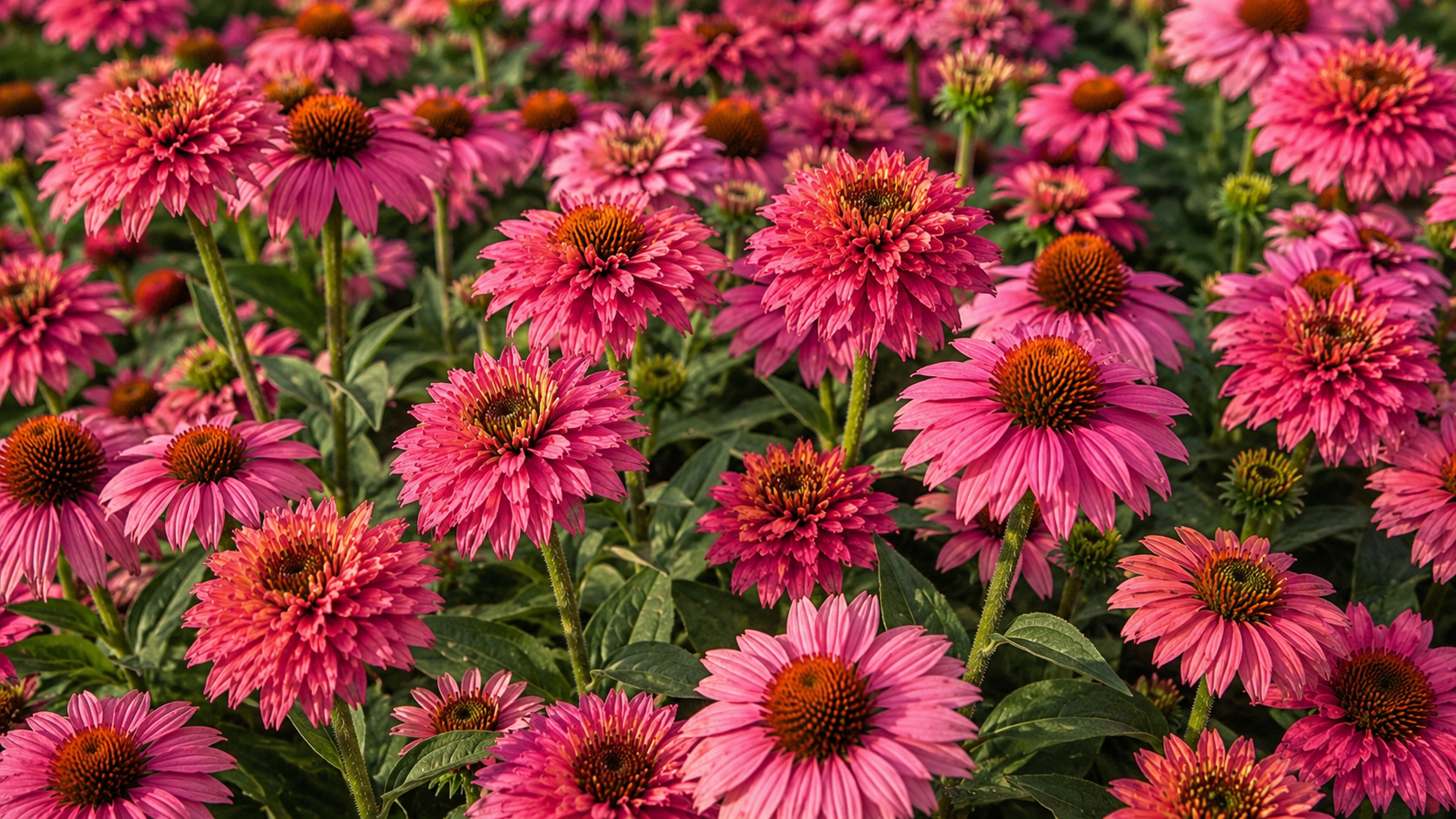
SunSeekers® Pink Grapefruit coneflower is an herbaceous perennial distinguished by salmon-pink flowers measuring about 8 to 10 cm (3 to 4 in) across with deep coral-pink centres. Its upright, rounded habit reaches about 45 to 60 cm (18 to 24 in) high and 40 to 45 cm (16 to 18 in) wide. It prefers full sun, very well-drained soil and consistent moisture while becoming established. The summer display suits borders, perennial beds, bouquets and large containers. Bees and butterflies visit the broad flower heads. Hardy in Zone 4 to 9, the plant benefits from regular deadheading to maintain a tidy appearance and support an extended flowering period through the brightest part of the gardening season.
- Exposure
- Full sun
- Life cycle
- Herbaceous perennial
- Hardiness
- Zone 4
Discover the plant
Common nameSunSeekers Pink Grapefruit coneflower
FamilyAsteraceae
GenusEchinacea
CultivarPink Grapefruit
TypeHerbaceous perennial
Botanical nameEchinacea hybrid
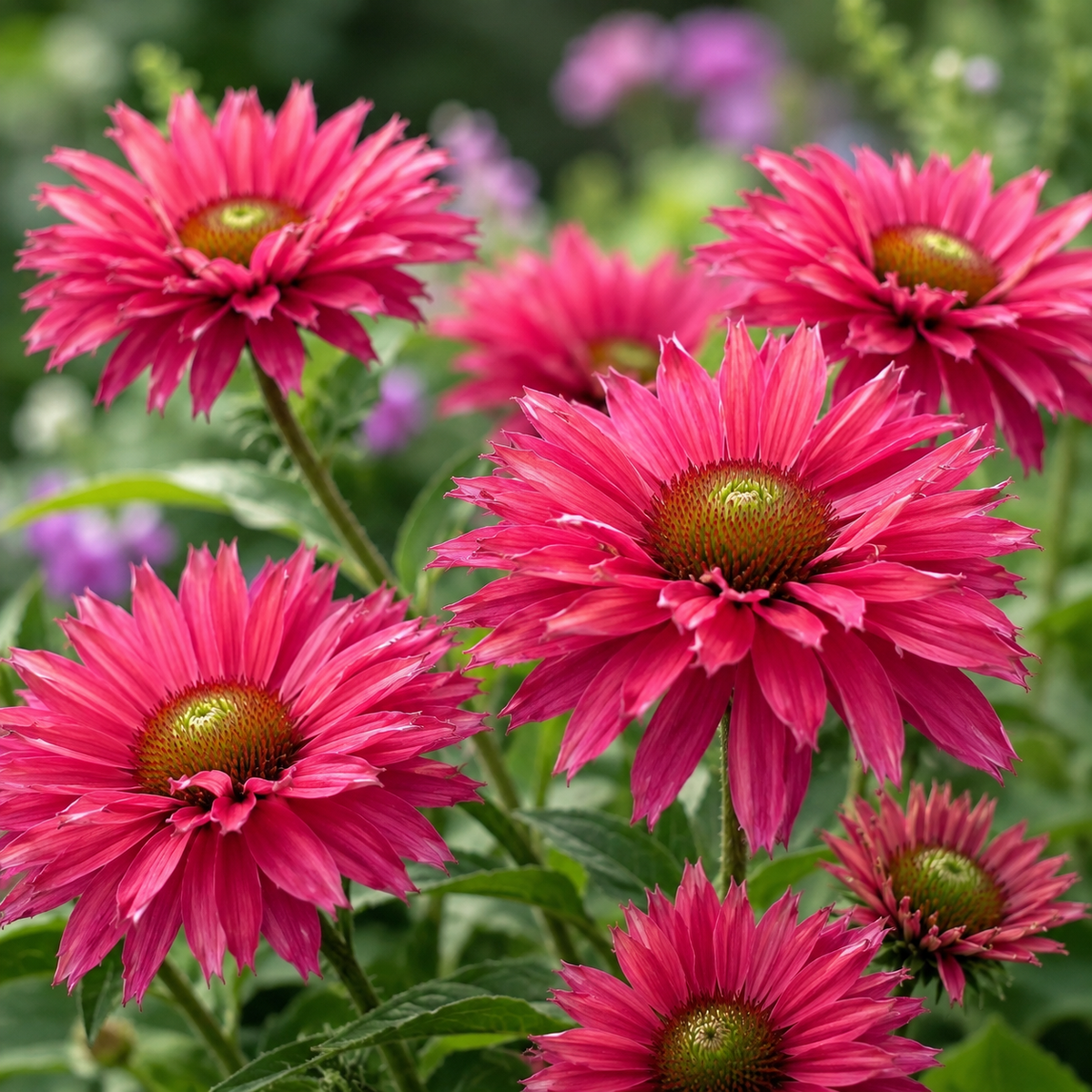
SunSeekers® Pink Grapefruit Coneflower (Echinacea hybride ‘SunSeekers Pink Grapefruit’) forms an upright, rounded herbaceous clump with dark green foliage that highlights its impressive flowers. The semi-double salmon-pink flower heads with coral-pink centres can reach about 8 to 10 cm (3 to 4 in) across, placing this cultivar among the largest-flowered coneflowers. At maturity, the plant reaches about 45 to 60 cm (18 to 24 in) in height and spread. Its summer display can continue when spent blooms are removed, providing a bright garden accent for many weeks. The sturdy-looking blooms also bring a crisp, classic daisy silhouette to sunny spaces.
This perennial prefers full sun and average soil that is moderately fertile but, above all, very well drained. Consistent moisture supports establishment during the first season, after which the plant tolerates brief drier periods. Mature compost in spring or light feeding is usually sufficient; overly rich nutrition may encourage softer stems. Planting is best in spring or early fall, with plants spaced 45 to 60 cm (18 to 24 in) apart. Hardy in Zone 4 to 9, it suits Canadian gardens where the crown is protected from waterlogged winter soil. A light organic mulch can help moderate moisture without covering the crown.
SunSeekers® Pink Grapefruit coneflower is well suited to sunny borders, perennial beds, cottage gardens, mass plantings and large containers. Its stems provide excellent cut flowers, while the semi-double blooms attract bees, butterflies and other pollinating insects. It combines naturally with perennial salvias, catmints, coneflowers, yarrows and medium-sized ornamental grasses. Regular deadheading can extend the display and keep the clump looking tidy. All parts are mildly toxic if eaten and may irritate sensitive skin, so this ornamental should not be presented as edible and is best placed thoughtfully where pets or young children are unlikely to chew the foliage.

Planting guide
From planting to establishment.
Spacing / density
40 to 45 cm (16 to 18 in)
Best planting time
Spring or early fall
Propagation
Clump division or cuttings
Growing method
For best results, plant SunSeekers® Pink Grapefruit coneflower in spring after the soil has thawed or in early fall, leaving enough time for roots to establish before severe cold. Select a location receiving at least six hours of direct sun with fast drainage, especially through winter. Dig a hole slightly wider than the root ball and set the crown level with the surrounding soil; planting too deeply can hold moisture around the crown. Space plants 40 to 45 cm (16 to 18 in) apart. Backfill with the existing soil, adding a modest amount of mature compost if the site is poor, then water slowly to settle the soil and remove air pockets. Keep the root zone evenly moist but never waterlogged during the first several weeks. A light mulch can conserve moisture, although the base of the clump should remain uncovered. Once new growth begins, light feeding is sufficient. Removing spent flowers as they fade maintains a clean appearance and may support another flush of buds. If the clump becomes crowded after a few years, divide it in spring or early fall to renew vigour and replant healthy sections at the original soil level.
Soil and care
The right care,at the right time.
Soil pH
6.0 to 7.5
Care level
Easy
Drought tolerance
Yes
Watering
Water deeply after planting and keep the soil evenly fresh during the first season without allowing standing water. Once the clump is well rooted, let the surface dry slightly between waterings. Check moisture more often during hot weather or when the plant is grown in a container. Applying water to the soil rather than the foliage helps limit leaf diseases and keeps the salmon-pink flowers clean.
Soil type
This coneflower prefers average soil with some organic matter, but excellent drainage is essential. A loose loam is especially suitable. Heavy ground benefits from improved structure and a slightly raised planting position. Standing winter moisture increases the risk of crown rot, while evenly fresh soil during active growth supports steady flowering. Avoid sites where water collects after rain or snowmelt.
Fertilization
In spring, a thin layer of mature compost or a modest application of balanced slow-release fertilizer is usually sufficient. Excess feeding, especially with high nitrogen, can encourage abundant foliage and softer stems at the expense of flowers. In containers, light feeding may be repeated according to the product directions. Stop late applications so the plant can prepare naturally for winter dormancy.
Moisture
Dry to average
Seasonal care
In spring, remove remaining dry stems before the new shoots become long. Add a thin layer of mature compost around the clump without covering the crown, and check that drainage remains open after snowmelt. This is also a good time to divide a crowded clump and reset healthy sections at the same depth. During summer, water when the soil surface begins to dry, especially while the plant is establishing or growing in a container. Cut faded flower heads above a pair of leaves to maintain a tidy appearance and encourage additional buds. Watch for aphids, leaf miners, spider mites and signs of leaf spot or crown rot where air circulation is limited. In fall, planting or division is still possible if completed early enough for roots to establish. Gradually reduce watering as temperatures cool and avoid late fertilizer. Stems may be cut back after frost or left briefly for structure before removal. Through winter, the main priority is preventing standing water around the crown. A light mulch applied after the ground freezes can moderate temperature changes in exposed gardens, but it should not be piled over the centre of the plant. After a difficult winter, allow the clump time to resume growth before removing apparently empty sections, since new shoots may emerge later than expected in a cool Canadian spring.
Container growing
A garden,within reach.
Recommended pot size
At least 40 cm (16 in) in diameter
SunSeekers® Pink Grapefruit coneflower can be grown in a large, stable container at least 40 cm (16 in) in diameter with several drainage holes. Generous soil volume supports its 40 to 45 cm (16 to 18 in) spread and slows rapid drying. Use an airy perennial or container mix enriched with compost, without creating a water-holding layer in the bottom of the pot. Place the container in full sun and rotate it occasionally if most light comes from one side. Water thoroughly when the top few centimetres of mix begin to dry, then allow excess water to drain completely. Light feeding in spring and, if needed, early summer is sufficient; too much nitrogen can soften the stems. Remove spent flowers regularly and add discreet support only if wind or the location makes it necessary. During extreme heat, the container can benefit from protection from the harshest late-day sun while still receiving abundant light. For winter in Canada, placing the pot out of drying winds, insulating it or grouping it with other containers gives the roots better protection. Drainage must remain open during thaws, since standing moisture threatens the crown more than dry cold.
Bloom and dimensions
Its place,in your garden.
Mature height
40 to 60 cm (16 to 24 in)
Width / spread
40 to 45 cm (16 to 18 in)
Flower color
Salmon pink to grapefruit pink with coral-pink centres
Foliage color
Dark green
Foliage type
Deciduous
Growth rate
Moderate
Growth habit
Compact, upright and well branched
Fragrance
Light fragrance
Bloom period
From July through September, SunSeekers Pink Grapefruit produces numerous semi-double salmon-pink flower heads with layered, gently ruffled petals surrounding coral-pink centres. Sturdy stems hold the blooms well and suit fresh bouquets. Nectar-rich centres attract bees, butterflies and other pollinating insects. Remove some spent flowers to encourage repeat bloom, but retain several seed heads late in the season so visiting birds can feed while the dried structures add winter interest.
Fruiting
After flowering, the heads develop brownish seed structures that remain decorative through fall and winter. These can feed visiting birds, especially finches, when left standing. To balance repeat bloom with wildlife value, remove early spent flowers and allow several later heads to mature. Seed collected from a hybrid cultivar will not necessarily reproduce the colour, flower form or compact habit of the original plant, so division or professionally propagated plants provide more predictable results.
Harvest
Cut flowers: July to September
Garden associations
In goodcompany.
Companion plants
Combine SunSeekers® Pink Grapefruit with perennials that enjoy sun and freely draining soil, such as perennial salvias, catmints, coneflowers, yarrows and selected hardy geraniums. Medium ornamental grasses add movement behind the oversized salmon-pink flower heads. These pairings are based on compatible growing needs and useful contrasts in colour, texture and height; they do not guarantee automatic protection from pests or diseases. Leave enough space between mature clumps for air circulation. Low catmints can soften the front edge, while taller grasses create an airy backdrop without hiding the flowers.
Plants to avoid
Around Echinacea 'Pink Grapefruit', especially avoid neighboring plants that would cover its leaves or strongly compete with its root ball. Compatibility of light, water, and size takes precedence over a list of so-called enemy plants.
Frequently asked questions
Your questions,answered.
What light is best for SunSeekers® Pink Grapefruit coneflower?
SunSeekers® Pink Grapefruit coneflower flowers best in full sun, ideally with at least six hours of direct light each day. Abundant light supports strong stems, a compact clump and the development of its oversized salmon-pink flower heads. The plant may survive in light shade, but flowering can be less generous and the stems may stretch. In Canadian gardens, an open, well-aired site generally works well as long as the soil drains quickly. A container-grown plant also benefits from sun, although it may need more frequent watering during very hot weather because potting mix dries faster than garden soil. Avoid a site where shade and excess moisture combine around the crown.
How can SunSeekers® Pink Grapefruit bloom longer?
Regular deadheading helps SunSeekers® Pink Grapefruit maintain a clean appearance and may encourage the formation of additional buds. Cut each fading flower head above a pair of leaves rather than leaving a long bare stem. Consistent moisture without waterlogged soil also supports flowering during hot periods. Light feeding in spring is usually enough; excessive nitrogen mainly promotes foliage and can make the stems softer. Full sun and good air circulation complete this care. When the clump becomes very dense after a few years, division in spring or early fall can renew vigour and improve future performance. Removing a few stems for bouquets has a similar effect to deadheading when cuts are made cleanly above healthy foliage.
Can SunSeekers® Pink Grapefruit grow in a container?
Yes. Choose a stable container at least 40 cm (16 in) in diameter with several drainage holes and fill it with an airy perennial potting mix. Place it in full sun and water thoroughly when the top few centimetres of mix begin to dry. Excess water must drain freely because a constantly wet crown can rot. Light feeding in spring and early summer may support growth. Remove spent blooms to maintain interest. For winter in Canada, position the pot out of drying winds, insulate it or group it with other containers while keeping drainage effective during thaws. A large soil volume also reduces rapid drying and gives the mature clump enough room to develop.
Does SunSeekers® Pink Grapefruit coneflower attract pollinators?
Yes. The oversized semi-double salmon-pink flower heads with coral centres are visited by bees, butterflies and other pollinating insects during bloom. Planting several together makes the flowers easier to locate and offers multiple food sources in one place. To support this activity, leave part of the display on the plant even if some stems are cut for bouquets. It is also best to avoid insecticides while the flower heads are open. Combining SunSeekers® Pink Grapefruit with salvias, catmints, coneflowers and yarrows can extend the availability of flowers in the surrounding area without assuming that one plant alone meets every need of visiting pollinators.
Is Pink Grapefruit coneflower safe around pets?
No severe toxicity specific to the SunSeekers Pink Grapefruit cultivar is documented in the horticultural sources reviewed. The product is not automatically classified as pet friendly, however, because that designation requires a precise veterinary source for the relevant cultivar or species. This coneflower remains an ornamental plant and should not be presented as food for dogs or cats. Eating a large amount of plant material may still cause digestive discomfort. If a pet consumes a substantial portion or develops unusual symptoms, contact a veterinarian. Keep fertilizers, slug products and other garden treatments away from animals as well throughout every garden season.
Wildlife and pets
Life,around your plants.
Attracts birds
Yes
Supporting wildlife
The large salmon-pink flower heads attract bees, butterflies and other pollinating insects during bloom. Planting several together makes the flowers easier to locate and offers multiple feeding points at once. Avoiding insecticide treatments while flowers are open helps preserve this useful garden activity and allows visitors to use the blooms safely.
For your perennials and grasses
The right extras.Right here.
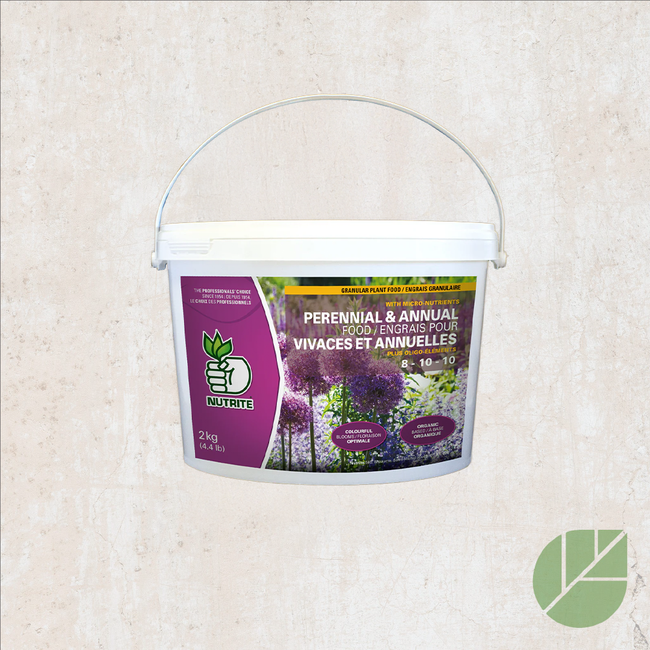
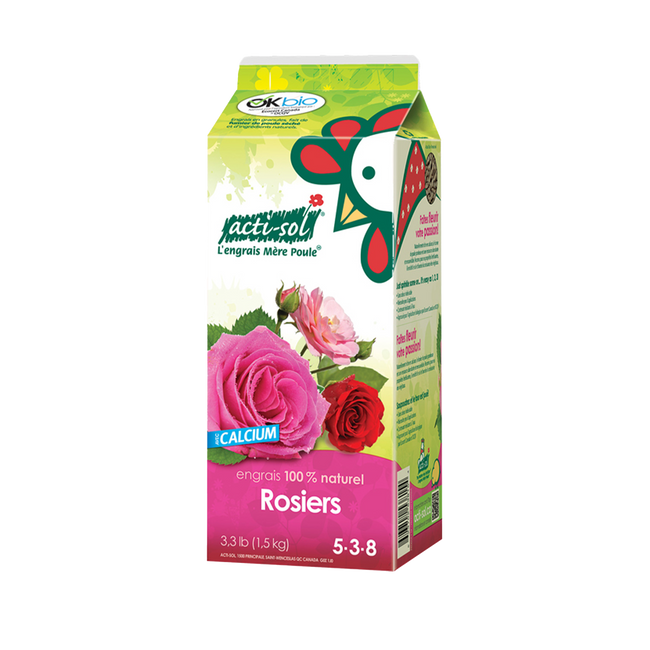
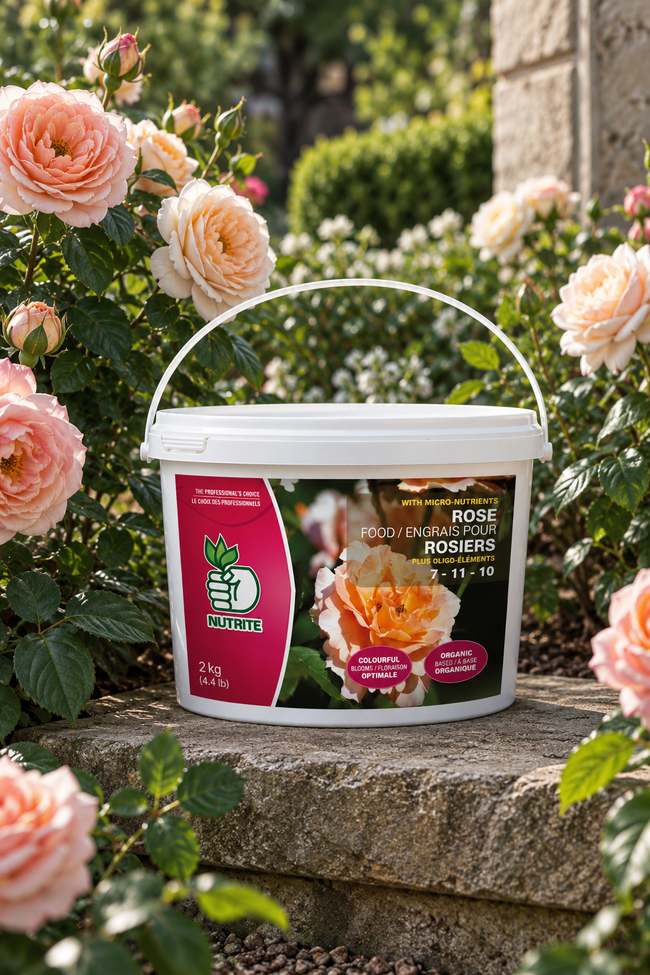
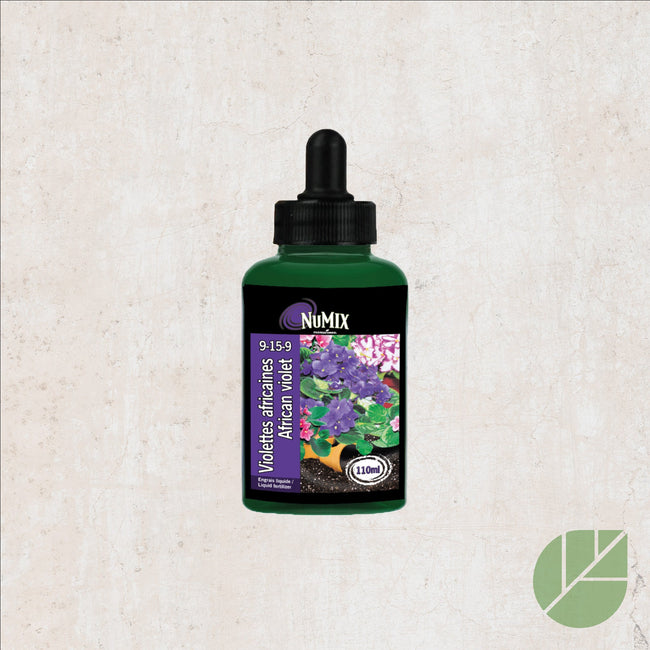
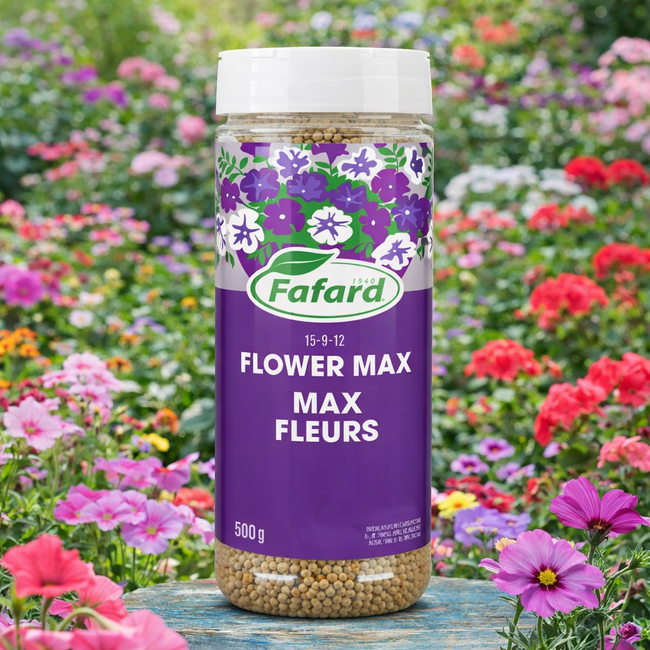
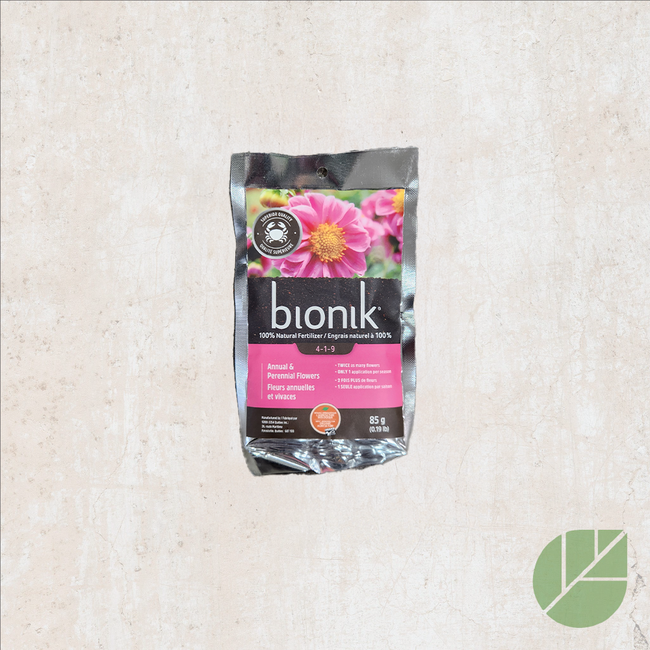
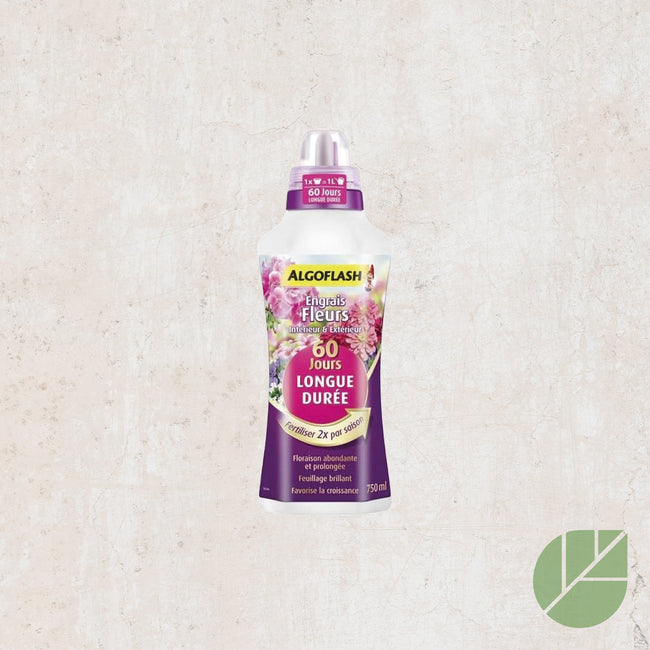
Flower and Bloom Fertilizer
Shop the collection
Hand Tools
Shop the collection