Leafy vegetables

‘Pancalieri a costa Rosata’ endive

Cichorium endivia

Product code : WESTO-0322

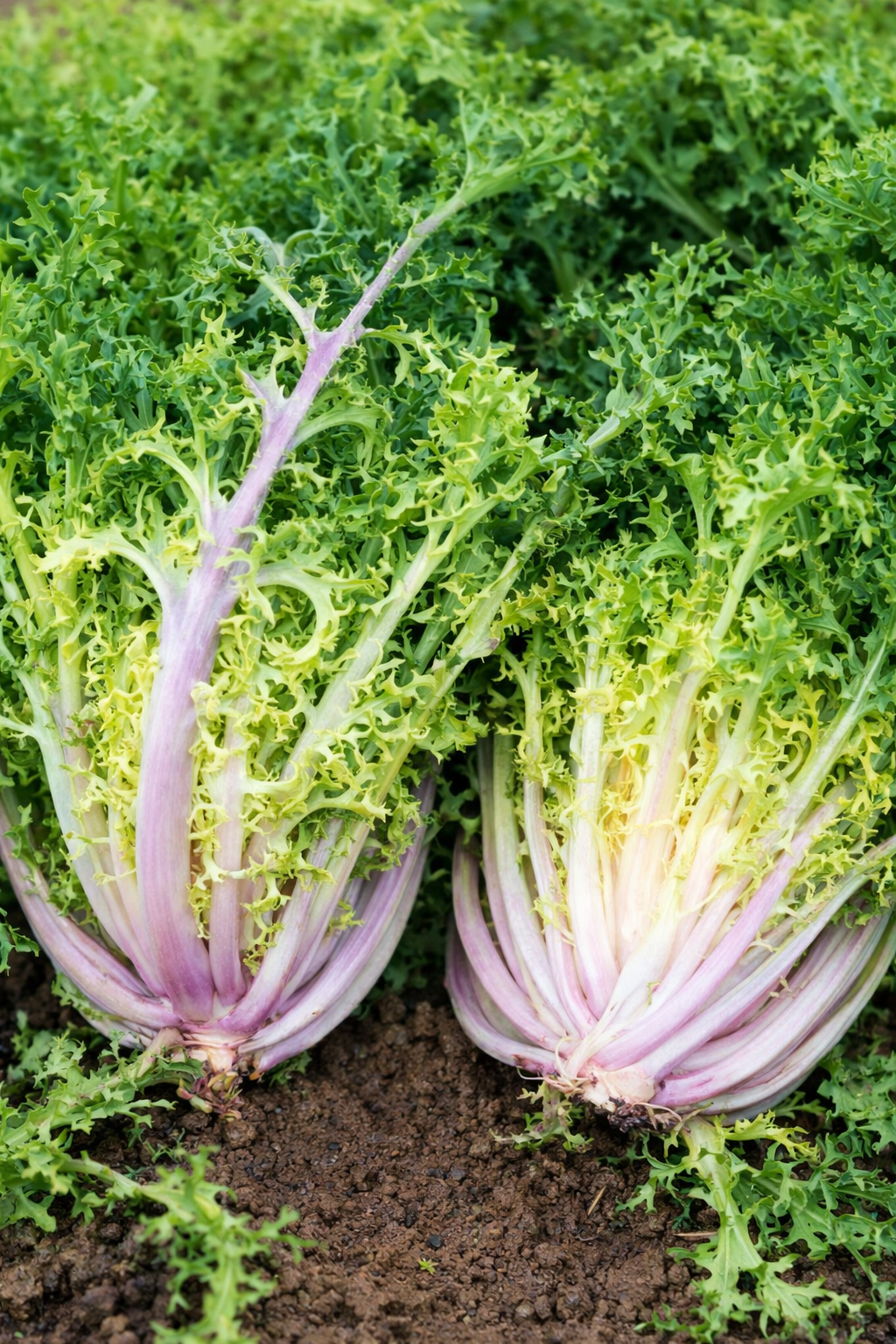
‘Pancalieri a costa Rosata’ is an Italian curly endive with a compact head, finely cut green leaves, and delicately pink-tinted ribs. Crisp and mildly bitter, it brings colour, texture, and character to fresh salads. This cool-season crop prefers fertile soil that stays evenly moist yet drains well. In Quebec, it can be sown in spring or again in late summer, then harvested as a whole head before bolting. Spacing plants 20 to 25 cm apart helps produce a dense centre. The packet contains 2,000 untreated seeds, providing a practical quantity for succession sowing and repeated harvests throughout the cooler parts of the gardening season.
3 99 $
Pay in 4 interest-free payments with Sezzle
Detailed plant guide
Advice adapted to Canada
Secure payment
Share
Quantity
2000 untreated seeds
Exposure
Sun to partial shade
Life cycle
Annual

Discover the plant

Common nameCurly endive
FamilyAsteraceae
GenusCichorium
Speciesendivia
CultivarPancalieri a costa Rosata
TypeVegetable seed
Botanical nameCichorium endivia

‘Pancalieri a costa Rosata’ endive (Cichorium endivia) forms a compact rosette of green, finely cut leaves with ribs that develop a delicate pink tint. This Italian curly endive has a crisp texture and gentle bitterness that brightens lettuce blends without overpowering them. Its dense foliage provides the main ornamental and culinary interest during cool weather. Grown as an annual vegetable, it stays low and fits neatly into closely spaced rows. Harvest normally takes place before bolting. If plants are left to mature, the species may produce pale blue flowers, but leaf quality declines once flowering begins, so timely picking preserves the best texture and balanced flavour.

This variety prefers sun or partial shade, fertile and light soil, steady moisture, and good drainage, along with cool growing conditions. A pH range of 5.5 to 6.5 suits leafy chicory production. In Quebec, sowing can begin in spring once the soil is workable, then resume in late summer for an autumn crop. Cover seeds only lightly, about 3 mm deep. Soil temperatures of 16 to 20°C support germination, while temperatures above 25°C may trigger thermal dormancy and reduce emergence. Regular watering keeps growth even, moderates excessive bitterness, and lowers the risk of premature bolting during dry or unexpectedly warm periods.

In the vegetable garden, this endive adds texture to beds of salad greens and supports staggered harvests when sown about every three weeks. Space plants 20 to 25 cm apart to encourage compact heads and natural blanching toward the centre. Container growing is practical in a well-drained pot wide enough to hold moisture without waterlogging the roots. Harvest the whole head just above the crown, then cool it promptly to preserve crispness. The leaves are excellent raw in salads or briefly wilted in a pan. This edible plant is grown chiefly for its foliage and is a useful choice for productive cool-season gardens.

Illustration associée à Endive frisée Pancalieri a Costa Rosata, dans la gamme Weston. Les côtes rosées et les feuilles très découpées distinguent cette frisée compacte, à saveur légèrement amère. Le visuel permet de repérer la référence et l’aspect présenté pour cette sélection. Les dimensions et les couleurs observées au jardin dépendent du stade de croissance et des conditions de culture.

Sowing guide

It all startswith a seed.

Sowing depth

3 mm

Spacing / density

20 to 25 cm between plants; 30 to 45 cm between rows

Sowing period

April to August; favour spring and late summer in Quebec

Propagation

Seed

Growing method

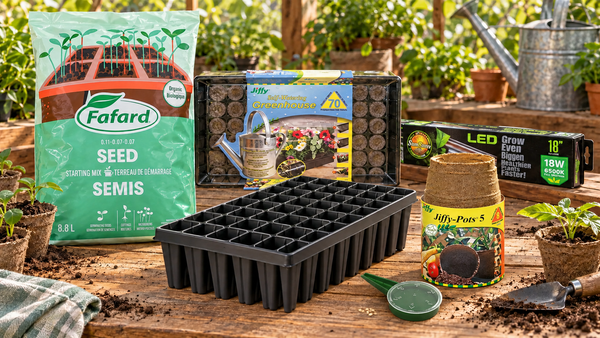
Sow this endive while conditions are cool. In Quebec, the first sowing can begin in spring as soon as the soil is workable; another sowing in late summer supports an autumn harvest. For transplants, sow three to four weeks before planting outdoors in cells filled with a fine, free-draining seed-starting mix. Cover seeds only lightly, about 3 mm, and firm the surface gently. Keep it moist at 16 to 20°C. Avoid temperatures above 25°C during emergence because endive seed may enter thermal dormancy. Give seedlings bright light. Thin or transplant them so each cell holds one vigorous plant. Before moving them to the garden, harden seedlings for several days by gradually increasing exposure to wind, sun, and cool nights. Set plants 20 to 25 cm apart in fertile soil that remains moist but drains well. For direct sowing, space rows 30 to 45 cm apart and thin promptly. Water regularly without saturating the soil. Repeat sowing about every three weeks to stagger the harvest. Protect seedlings from slugs and snails, especially while the first leaves are still tender. Continuous growth produces more even leaves that are pleasant to harvest. Avoid deep cultivation near the rosettes because their roots develop close to the surface.

Soil and care

The right care,at the right time.

Watering

Keep the soil evenly moist, especially during germination and rosette formation. Water at soil level when the surface begins to dry, without allowing standing water. Prolonged drought can intensify bitterness and encourage premature bolting. A light mulch helps stabilize moisture and keeps the root zone cooler during warm spells. Water preferably in the morning so the foliage can dry quickly.

Soil type

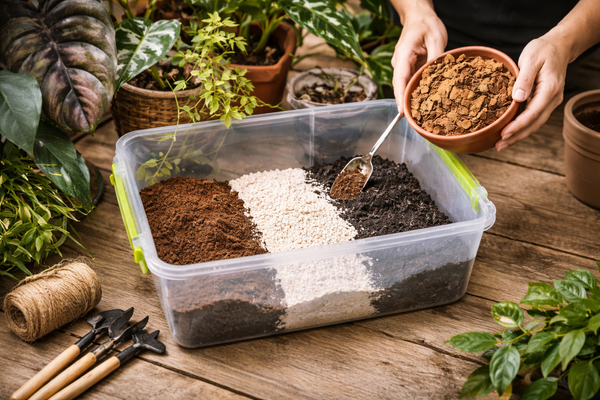
This endive prefers light, fertile soil enriched with organic matter, able to retain even moisture while allowing excess water to drain away. Loam or slightly sandy soil works well. Loosen the surface before sowing and avoid compacted or waterlogged areas, which interfere with rooting and reduce head quality. Mature compost can improve the structure before planting. A level seedbed also helps produce uniform emergence.

Fertilization

Before sowing, work mature compost into poor soil. Light, balanced feeding is generally sufficient when the ground is fertile. Avoid excessive nitrogen, which can produce overly soft, unbalanced foliage. Observe growth before adding fertilizer, and water after any application according to the directions for the selected product. Well-prepared soil supports steady growth through harvest. Normally coloured leaves generally indicate that nutrition is adequate.

Moisture

Even soil moisture without waterlogging

Seasonal care

In spring, prepare loose, fertile, well-drained soil and sow as soon as it can be worked. Keep the seedbed moist and thin early to leave 20 to 25 cm between rosettes. If plants were started indoors, harden them gradually before transplanting. During growth, weed carefully to avoid disturbing shallow roots. Water regularly, especially in dry weather, and apply a light mulch as the soil begins to warm. In summer, watch the heat: above 25°C, germination may become uneven, while drought-stressed plants are more likely to bolt. Light afternoon shade can help during the warmest conditions. Resume sowing in late summer to benefit from cooler temperatures. In autumn, harvest heads once they are compact and before the flower stalk begins to lengthen. Cut just above the crown and cool the foliage promptly. Remove diseased debris and compost only healthy material. This annual crop needs no winter protection; simply plan a fresh sowing for the following season. Protect seedlings from slugs and snails, especially while the first leaves are still tender. Continuous growth produces more even leaves that are pleasant to harvest. Avoid deep cultivation near the rosettes because their roots develop close to the surface. After heavy rain, allow the soil to drain before watering again. Protect seedlings from slugs and snails, especially while the first leaves are still tender. Continuous growth produces more even leaves that are pleasant to harvest.

Container growing

A garden,within reach.

Recommended pot size

Minimum 20 L, 25 to 30 cm deep
Choose a container with drainage holes, at least 25 to 30 cm deep and wide enough to leave 20 to 25 cm around each plant. A 20-litre pot generally holds two or three rosettes, depending on its shape. Fill it with fertile, free-draining vegetable potting mix; avoid straight garden soil, which compacts easily. Sow about 3 mm deep or transplant a hardened seedling without burying the crown. Place the container in sun during cool periods and provide light partial shade when temperatures rise. Check moisture often because potting mix dries faster than garden soil. Water until excess drains away, then empty the saucer. A small amount of balanced fertilizer can be applied if growth becomes pale, but avoid excess nitrogen. No staking is needed. Watch for slugs around young leaves. During very hot weather, move the pot to a cooler position to reduce bolting. Harvest the whole head when compact. At the end of the season, empty and clean the container; this endive is grown as an annual crop. Protect seedlings from slugs and snails, especially while the first leaves are still tender. Continuous growth produces more even leaves that are pleasant to harvest.
Illustration associée à Endive frisée Pancalieri a Costa Rosata, dans la gamme Weston. Les côtes rosées et les feuilles très découpées distinguent cette frisée compacte, à saveur légèrement amère. Le visuel permet de repérer la référence et l’aspect présenté pour cette sélection. Les dimensions et les couleurs observées au jardin dépendent du stade de croissance et des conditions de culture.

Bloom and dimensions

Its place,in your garden.

Mature height

8–10 in (20–25 cm)

Width / spread

15 to 20 cm (6–8 in)

Days to maturity

40 to 70 days — vendor benchmark

Harvest

Harvest the compact head before bolting; cut just above the crown and cool promptly
Illustration associée à Endive frisée Pancalieri a Costa Rosata, dans la gamme Weston. Les côtes rosées et les feuilles très découpées distinguent cette frisée compacte, à saveur légèrement amère. Le visuel permet de repérer la référence et l’aspect présenté pour cette sélection. Les dimensions et les couleurs observées au jardin dépendent du stade de croissance et des conditions de culture.

Garden associations

In goodcompany.

Companion plants

This endive can share a bed with radishes, carrots, onions, or non-invasive herbs, especially when their harvest schedules complement one another. The goal is to maintain good air circulation and 20 to 25 cm around each rosette. Companion planting does not replace crop rotation, regular pest checks, or appropriate watering. Avoid allowing taller neighbours to deprive the rosettes of light or space. A simple layout also makes harvesting and cleaning the foliage easier. Choose nearby crops with similar moisture needs so watering remains straightforward.

Recipe idea

From the gardento your plate.

Edible parts

Leaves
Prepare a salad that highlights the texture and colour of ‘Pancalieri a costa Rosata’. Separate the leaves, rinse them thoroughly in cold water, and dry them well to preserve their crunch. Tear larger leaves by hand and leave smaller ones whole. Add pear or apple slices, a handful of toasted nuts, and a mild or lightly salted cheese. For the dressing, combine three parts olive oil, one part cider vinegar, a small spoonful of mustard, and a touch of honey. Season with salt and pepper, then dress the salad just before serving. The fruit and acidity balance the endive’s natural bitterness, while the nuts reinforce its crisp texture. The leaves can also be quickly wilted in a pan with a little oil and served as a warm side dish. Taste a leaf before seasoning so the honey and acidity can be adjusted to its actual bitterness. Serve immediately to enjoy the contrast between fresh leaves, juicy fruit, and crisp nuts.

Frequently asked questions

Your questions,answered.

When should this endive be sown in Quebec?
Sow ‘Pancalieri a costa Rosata’ during cool periods. The first sowing can be made in spring as soon as the soil is dry enough to work. To extend the harvest, repeat sowing about every three weeks, then start another series in late summer for autumn. Seeds germinate best when soil temperatures are between 16 and 20°C. Above 25°C, they may enter thermal dormancy and emerge unevenly. During warm weather, choose a lightly shaded position, keep the seedbed cool and evenly moist, and postpone sowing if necessary until cooler nights return. This timing supports uniform rosettes and reduces premature bolting before the heads reach harvest size.
How can the bitterness of the leaves be reduced?
A gentle bitterness is part of curly endive’s character, but it becomes stronger when plants lack water, experience intense heat, or begin to bolt. Keep the soil evenly moist and favour spring or autumn production. Harvest compact heads before the flower stalk starts to lengthen. Spacing plants 20 to 25 cm apart also encourages a denser, naturally paler centre. In the kitchen, combine the leaves with a fruit-based dressing, citrus, apple, pear, or a creamy ingredient. These flavours balance the bitterness without hiding the variety’s distinctive crunch. Prompt cooling after harvest and storing the clean, dry leaves in the refrigerator also help preserve their fresh texture.
Can it be grown in a container?
Yes. Choose a container with drainage holes, at least 25 to 30 cm deep and wide enough to leave 20 to 25 cm around each rosette. A pot of about 20 litres can generally hold two or three plants, depending on its shape. Use fertile, free-draining vegetable potting mix, then sow about 3 mm deep or transplant hardened seedlings. Keep the container in sun during cool weather and provide light partial shade during hot periods. Check moisture frequently because potting mix dries quickly. Water until excess drains away, empty the saucer, and never leave the roots standing in water. No staking is required for the compact heads.
How should a crisp head be harvested?
Harvest when the rosette is well developed, compact, and still tender, before the flower stalk begins to lengthen. Use a clean knife to cut the head just above the root attachment. Remove damaged leaves, rinse the head briefly in cold water, and drain it thoroughly. Rapid cooling helps preserve crispness. If a gradual harvest is preferred, a few outer leaves can be removed, but cutting the full head provides the best presentation and simplifies storage. Do not leave mature heads in the garden too long during hot or dry weather because the leaves become firmer and more bitter. Store clean, dry leaves in the refrigerator and use them while their texture is fresh.
Why do the seeds emerge poorly in hot weather?
Endive seed may enter thermal dormancy when the soil becomes too warm, especially above 25°C. This response slows or temporarily prevents germination even though the seed remains viable. For more uniform emergence, aim for 16 to 20°C, sow shallowly, and keep the surface moist without waterlogging it. In summer, place trays in a bright but cooler location, provide light shade over the seedbed, or wait until cooler nights return. A late-summer sowing is often easier than sowing during a heat wave and can produce a better-quality autumn crop. Once seedlings emerge, continue steady watering so heat and drought do not encourage premature bolting.