Plantes d’extérieur
Tout pour fleurir, cultiver et aménager votre jardin.


Gaia
Petasites japonicus
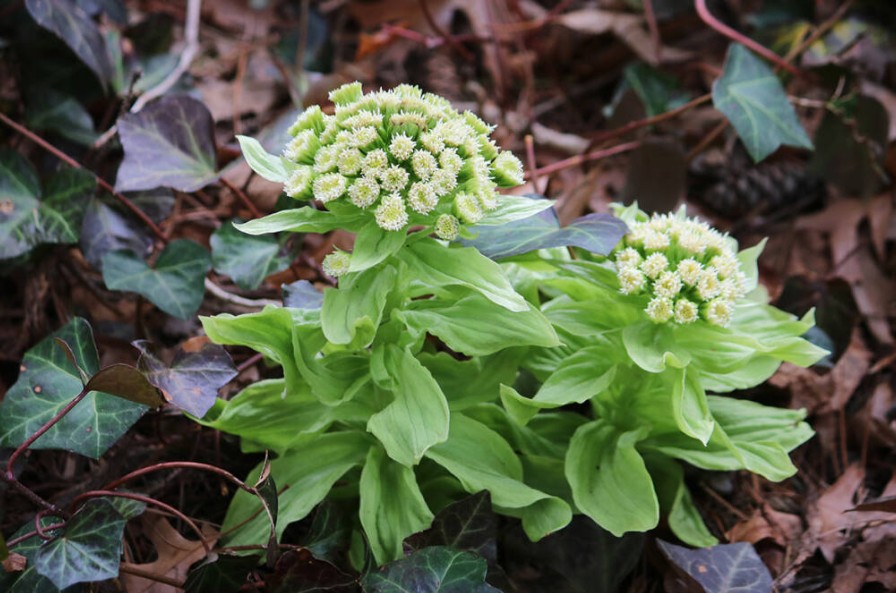
Fuki Japanese Butterbur Seeds (Petasites japonicus). This rhizomatous perennial in the Asteraceae family produces exceptionally large leaves and early shoots. Kew accepts Petasites japonicus and places its native range from China through Japan, Korea, the Kuril Islands, and Sakhalin. It is not native to Canada; VASCAN records it in British Columbia, Ontario, and Québec. The Gaia packet contains approximately 5 ecologically grown, open-pollinated heirloom seeds. Gaia also labels the plant invasive, an important consideration before choosing a planting site. Its broad foliage dies back in winter before returning from underground rhizomes. For practical seed starting, growing from seed succeeds best when the verified product depth, moisture and temperature guidance is followed.
Cold-stratify seeds for 4 weeks, then sow approximately 1/8 inch deep. Winter sowing in autumn is another option. After stratification, maintain 15 to 21°C, preferably near 18°C; emergence is listed at 14 to 21 days. Move plants to shade or partial shade in rich soil that remains moist. Allow 36 to 48 inches between plants and 48 to 60 inches between rows. Mature plants may reach 4 to 6 feet high and 3 to 5 feet wide. Gaia lists approximately 90 days and a minimum temperature of -18°C. Use the product details as a clear guide on how to start seeds while keeping the growing medium evenly moist, never saturated. For indoor seed starting, count back from local conditions and frost dates to decide when to start indoor seeds.
Japanese butterbur spreads vigorously through rhizomes and can form a colony that is difficult to remove. Grow it only in a completely contained site away from waterways, ditches, natural areas, and property boundaries. Remove flower heads before seed develops and never place living rhizomes in compost. Young petioles and shoots have traditional culinary uses in Japan, but the plant naturally contains pyrrolizidine alkaloids. Never eat it raw or use it as a homemade tea or remedy. Rigorous traditional preparation reduces these compounds but does not guarantee their complete removal. Containment is essential.
Sowing guide
Soil and care
Container growing

Bloom and dimensions
Garden associations
Frequently asked questions
Wildlife and pets
Click a product to build your selection.
Tout pour fleurir, cultiver et aménager votre jardin.
Une touche de nature, dans chaque pièce.
Tout pour fleurir, cultiver et aménager votre jardin.
Tout découvrir Potager et fines herbes
 Fleurs et vivaces
 Arbres et arbustes
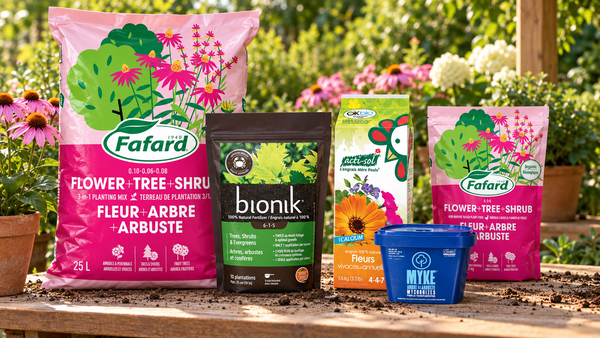 Soins et plantation
Une touche de nature, dans chaque pièce.
Tout découvrir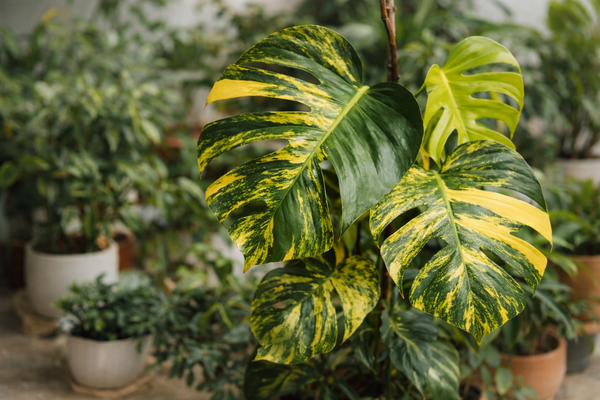 Plantes tropicales
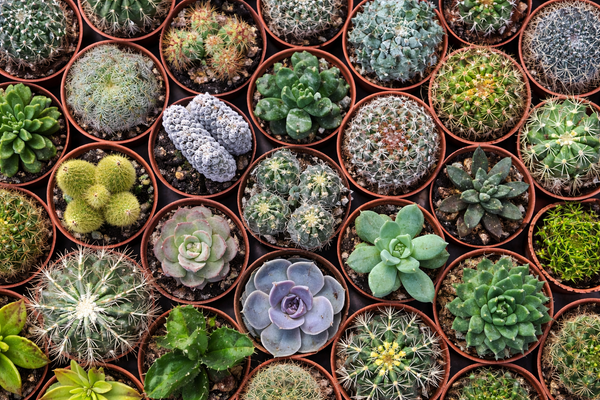 Cactus et succulentes
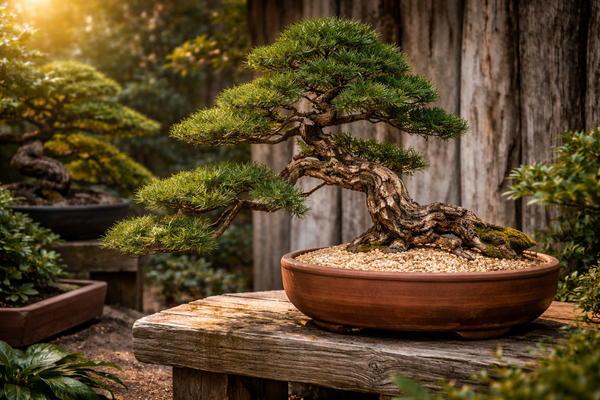 Collections spécialisées
 Soins et accessoires
Tout pour semer, planter et faire pousser.
Tout découvrir Semences
 Bulbes
 Tout pour les semis
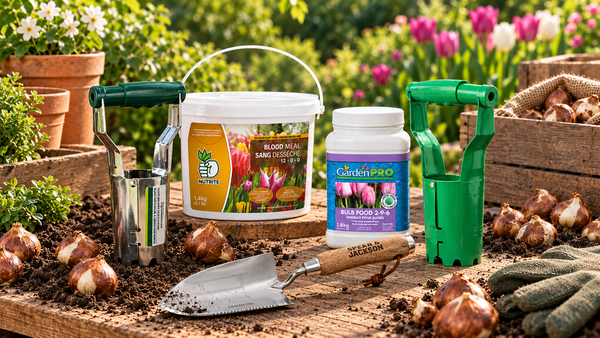 Pour planter les bulbes
Tout pour semer, nourrir et retrouver une belle pelouse.
Tout pour semer, nourrir et retrouver une belle pelouse.
Tout découvrir Semences à gazon
 Engrais pour gazon
 Tourbe et préparation
 Soins et traitements
Tout pour nourrir, protéger et entretenir vos plantes.
Tout pour nourrir, protéger et entretenir vos plantes.
Tout découvrir


Valide uniquement dans la succursale choisie lors de l’achat.
Choisir la carte en magasinTout pour semer, planter et faire pousser.
 Outils
 Compostage et écologie