

Sale
Sold out

Generic Red Habanero seed variety open-pollinated; varietal identity and stability
Solanaceae
Fruit vegetable seeds
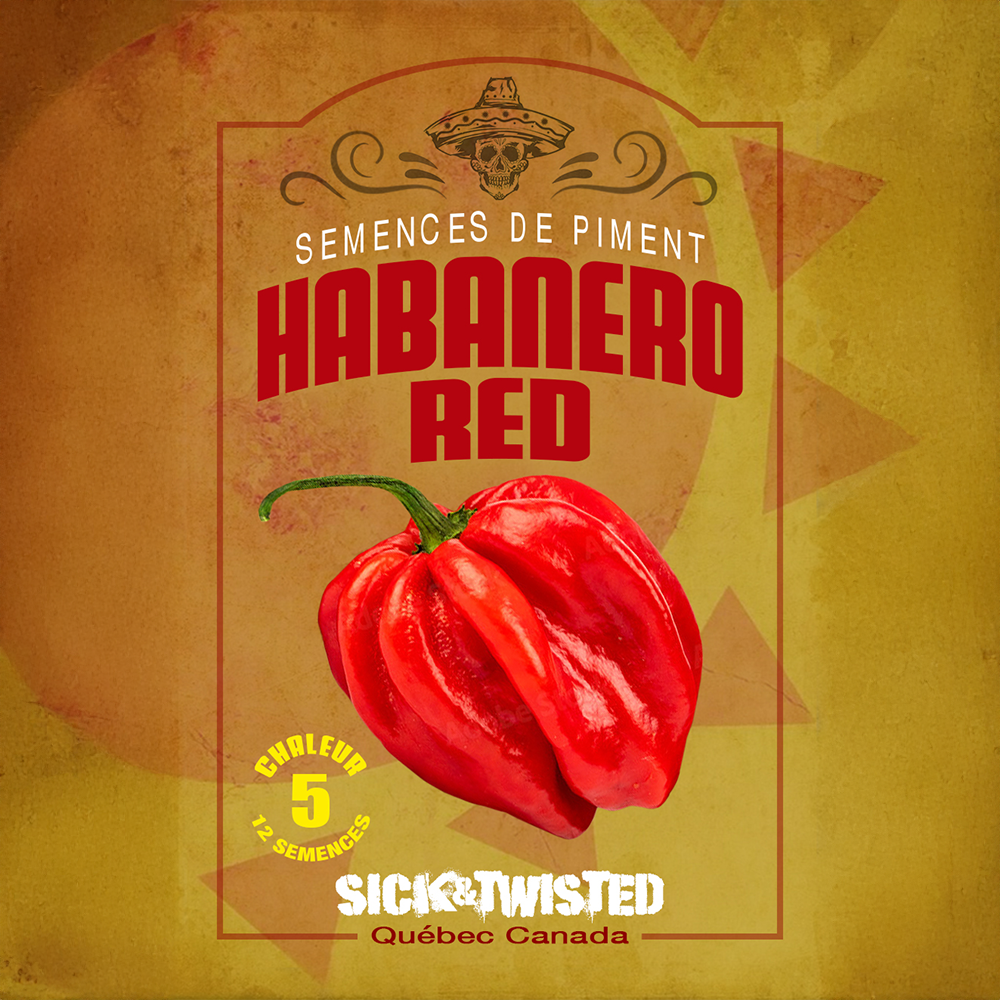
Red Habanero hot pepper ‘Habanero Rouge’
Capsicum chinense
Product code : FEGAR-0018
For Red Habanero hot pepper ‘Habanero Rouge’, ‘Red Habanero’ hot pepper (Capsicum chinense) is a distinctive edible variety for full sun and fertile, well-drained soil after a warm indoor start. Plants benefit from consistent watering, good air circulation and support once branches become heavily loaded. Harvest fruit after it develops its characteristic colour and texture, then enjoy it for hot sauces, marinades, ferments and powders in very small quantities. This variety can also grow successfully in a large, well-drained container. Regular picking encourages continued production through the season. Adjust care gradually as seasonal conditions change. Adjust watering to the weather and the plant’s visible vigour.
- Quantity
- Approximately 10 seeds
- Exposure
- Full sun
- Life cycle
- Annual in Quebec
Discover the plant
Common nameRed Habanero; Habanero Rouge
FamilySolanaceae
GenusCapsicum
Specieschinense
CultivarHabanero Rouge
TypeGeneric Red Habanero seed variety open-pollinated; varietal identity and stability
Botanical nameCapsicum chinense
Reproducible seedsYes
Red Habanero hot pepper ‘Habanero Rouge’ (Capsicum chinense) is an edible variety selected for its distinctive harvest and garden appeal. It suits gardeners looking for a productive, colourful crop that is easy to enjoy in seasonal meals. Flavour, colour and heat can change with maturity, sunlight and growing conditions. Pick fruit after it develops its characteristic ripe colour and a texture suited to the intended use. A homegrown crop makes it possible to taste the variety fresh, choose the preferred picking stage and gather manageable amounts throughout the season. It also brings seasonal interest.
Start seed indoors in a light mix, 6 mm (1/4 in) deep, and maintain 25 to 30°C (77 to 86°F) until emergence. Give seedlings bright light promptly and water without saturating the mix. After the last frost, harden plants gradually before setting them in full sun and fertile, loose, well-drained soil. Follow the recommended spacing so air can move through the foliage. Water deeply at soil level when the surface begins to dry. Light mulch helps moderate moisture changes, while a stake or cage can support heavily loaded branches. Check young plants regularly during establishment.
Pick ripe fruit regularly to keep plants productive. The harvest is well suited to hot sauces, marinades, ferments and powders in very small quantities. With hot varieties, begin with a tiny amount and wear gloves whenever intensity is high. Sound fruit stores best when harvested dry and handled without bruising. For container culture, choose a large pot with good drainage, monitor watering more frequently and feed moderately. Before an expected frost, gather remaining usable fruit. Sort the harvest and use fruit with a small mark or more delicate skin first. Refrigerate or process the harvest promptly.

Sowing guide
It all startswith a seed.
Sowing depth
6 mm (1/4 in)
Spacing / density
Space plants 50 to 70 cm (20 to 28 in) apart and support heavily laden branches.
Germination temperature
25 to 30°C (77 to 86°F)
Germination time
Approximately 10 to 25 days with stable warmth
Sowing period
Sow indoors from March to early April, eight to ten weeks before the last frost; transplant after frost danger has passed.
Propagation
Seed
Growing method
To grow Red Habanero hot pepper ‘Habanero Rouge’, start seeds indoors early enough to obtain well-developed plants before outdoor planting. Sow at 6 mm (1/4 in) in a light, clean, gently moist medium and maintain 25 to 30°C (77 to 86°F) until emergence. Germination generally takes approximately 10 to 25 days with stable warmth; keep the mix moist but never waterlogged during this period. As soon as seedlings appear, provide bright light and gentle air movement to encourage compact stems. Pot seedlings individually once the first true leaves are well formed, handling them by the leaves rather than the stem. Water at soil level when the surface begins to dry and rotate pots regularly for balanced growth. Harden plants for seven to ten days by gradually increasing exposure to sun, wind and outdoor temperatures. Transplant only after frost risk has passed, soil has warmed and nights remain mild. In the garden, use the recommended spacing: Space plants 50 to 70 cm (20 to 28 in) apart and support heavily laden branches. Install a stake or cage at planting when the plant’s habit requires support. During the first weeks, maintain even moisture, shelter young plants from strong wind and inspect leaf undersides regularly.
Soil and care
The right care,at the right time.
Soil pH
6.0 to 6.8
Minimum temperature
Approximately 12°C (54°F); protect from all frost
Care level
Moderate
Watering
Water deeply at soil level when the surface begins to dry, then let excess water drain away. Maintain even moisture during flowering and fruit development without saturating the soil. Check containers more often during hot or windy weather. Avoid unnecessarily wetting foliage in the evening so leaves do not remain damp for long periods. Red Habanero hot pepper ‘Habanero Rouge’ benefits from steady warmth, abundant light and attentive observation throughout the growing season.
Soil type
Choose loose, fertile, well-drained soil that holds even moisture without staying waterlogged. Work mature compost into the bed before planting and avoid compacting the root zone. In containers, use quality potting mix and keep drainage holes clear. A light mulch reduces soil splash and slows drying during hot weather. Red Habanero hot pepper ‘Habanero Rouge’ benefits from steady warmth, abundant light and attentive observation throughout the growing season.
Fertilization
Before planting, work in a modest amount of mature compost or a balanced amendment. After establishment, use a vegetable fertilizer according to its label at moderate, regular rates. Avoid excessive nitrogen, which can favour foliage over flowers and fruit. Water before feeding whenever the growing medium is very dry. Red Habanero hot pepper ‘Habanero Rouge’ benefits from steady warmth, abundant light and attentive observation throughout the growing season.
Moisture
Even soil moisture with good air circulation; avoid saturation and stagnant humidity around the foliage.
Seasonal care
In spring, start Red Habanero hot pepper ‘Habanero Rouge’ indoors with steady warmth, bright light and a growing medium kept moist without excess water. Pot seedlings on after true leaves develop, then rotate containers to maintain straight, compact growth. Harden plants for seven to ten days before moving them outdoors after frost risk has passed and soil has warmed. In early summer, water deeply at soil level, maintain clean mulch and secure stems without constricting them. Check leaf undersides, new growth and soil moisture so visible plant stress can be addressed promptly. During flowering and fruit development, keep watering consistent and feed moderately according to the chosen product label. Harvest as colour and firmness reach the desired stage, using clean pruners. Wear gloves with extremely hot fruit and keep the crop away from children and pets. In late summer, continue picking and protect plants temporarily whenever a cold night is forecast. After the first frost or final harvest, remove plant debris, clean supports and rotate the bed away from other Solanaceae crops. Red Habanero hot pepper ‘Habanero Rouge’ benefits from steady warmth, abundant light and attentive observation throughout the growing season. In Canada, an early indoor start helps the plant reach maturity before cool autumn weather arrives. Watch foliage, growing-medium moisture and new growth so care can be adjusted without excess.
Container growing
A garden,within reach.
Recommended pot size
One plant per freely draining container holding at least 15 to 20 litres
To grow Red Habanero hot pepper ‘Habanero Rouge’ in a pot, choose a large, stable container with several drainage holes. Use the following recommended size: One plant per freely draining container holding at least 15 to 20 litres. A container with adequate width and depth steadies the plant, leaves room for roots and reduces rapid moisture swings. Fill it with a light, airy vegetable potting mix amended with a modest amount of mature compost. Place the pot in full sun, in a warm position sheltered from winds that could break stems. Water slowly until excess drains out, then wait until the surface begins to dry before watering again. Never leave water standing in the saucer and check moisture daily during heat waves. After establishment, feed moderately with a vegetable fertilizer used according to its label, avoiding excess nitrogen. Install a cage or stake at planting so branches are supported as fruit gains weight. Rotate the container a quarter turn each week for balanced light and inspect leaf undersides regularly. When a cold night is forecast, move the pot under shelter or protect foliage temporarily. Harvest with pruners and wear gloves whenever fruit is extremely hot.
Bloom and dimensions
Its place,in your garden.
Mature height
Approximately 60 to 100 cm (24 to 39 in), an estimate depending on conditions
Width / spread
Approximately 45 to 70 cm (18 to 28 in), depending on growing conditions.
Flower color
White
Foliage color
Green
Foliage type
Deciduous; grown as an annual
Growth rate
Moderate
Growth habit
Bushy, upright and branched plant typical of habaneros
Bloom period
Flowers appear once plants are established and warmth becomes consistent. Abundant light, even watering and moderate feeding support fruit set. Excessive heat or irregular moisture can cause some blossoms to drop. Insects may visit the flowers, while gentle air movement can also help release pollen. Red Habanero hot pepper ‘Habanero Rouge’ benefits from steady warmth, abundant light and attentive observation throughout the growing season. In Canada, an early indoor start helps the plant reach maturity before cool autumn weather arrives.
Fruiting
Red Habanero hot pepper ‘Habanero Rouge’ produces fruit characteristic of the variety. Harvest with pruners when colour and firmness match the desired stage. Regular picking keeps plants tidy and makes it easier to follow ripening. Wear gloves with very hot fruit and avoid touching your face. Red Habanero hot pepper ‘Habanero Rouge’ benefits from steady warmth, abundant light and attentive observation throughout the growing season. In Canada, an early indoor start helps the plant reach maturity before cool autumn weather arrives.
Days to maturity
Approximately 90 to 110 days after transplanting, a horticultural estimate to check for this variety
Harvest
Harvest when fruit is uniformly red, firm and fully developed; wear gloves

Garden associations
In goodcompany.
Companion plants
Pair Red Habanero hot pepper ‘Habanero Rouge’ with compact plants that also prefer sun, fertile soil and consistent watering. Low herbs, onions, carrots or nectar-rich flowers can occupy nearby spaces without shading the plant. Always preserve enough spacing for air circulation and harvesting. These combinations organize the garden around compatible needs; they do not guarantee pest protection or higher yields. Red Habanero hot pepper ‘Habanero Rouge’ benefits from steady warmth, abundant light and attentive observation throughout the growing season. In Canada, an early indoor start helps the plant reach maturity before cool autumn weather arrives.
Plants to avoid
Avoid especially the immediate vicinity of fennel and dense plantings of tall crops that shade the pepper. Rotate after other Solanaceae, including tomatoes, eggplants and potatoes, to reduce the buildup of shared pests and diseases.
Recipe idea
From the gardento your plate.
Edible parts
Fruit
Prepare a small refrigerated sauce with Red Habanero hot pepper ‘Habanero Rouge’ in a well-ventilated kitchen while wearing gloves. Gather 300 g sweet pepper, 50 g onion, one garlic clove, 60 ml vinegar, 60 ml water, 2. 5 ml salt and a minute portion of ripe hot pepper. Begin with a very small piece, especially when the variety is extremely hot, and increase only after cautious tasting in diluted food. Chop vegetables with a knife reserved for hot peppers and avoid touching your face. Place all ingredients in a small covered saucepan, bring gently to a simmer and cook for about ten minutes until tender. Let steam settle before blending, then purée without placing your face over the container. This amount makes approximately four to six small seasoning portions, depending on the dose used. Transfer to a clean container, label the sauce clearly as very hot and cool it promptly.
Frequently asked questions
Your questions,answered.
How do I successfully sow ‘Red Habanero’ hot pepper (Capsicum chinense)?
For Red Habanero hot pepper ‘Habanero Rouge’, sow seeds 6 mm (1/4 in) deep in a light, clean mix kept gently moist. Maintain 25 to 30°C (77 to 86°F) until emergence, which generally takes approximately 10 to 25 days with stable warmth. Move seedlings under bright light as soon as they emerge so they remain compact and sturdy. Water carefully at soil level when the surface begins to dry, without leaving the mix waterlogged. Pot seedlings on after true leaves develop and rotate containers regularly for even growth. Gentle air movement also helps strengthen stems. Because every growing space behaves differently, watch moisture, temperature and seedling vigour rather than watering on a fixed schedule.
When should ‘Red Habanero’ hot pepper (Capsicum chinense) be transplanted outdoors?
For Red Habanero hot pepper ‘Habanero Rouge’, wait until all danger of frost has passed and nights remain consistently mild before transplanting. Harden plants for seven to ten days by gradually increasing their exposure to sun, wind and outdoor temperatures. Set them in full sun and fertile, well-drained soil, while leaving enough room for light and air circulation. Water thoroughly after planting and maintain even moisture while roots establish. A light mulch can reduce soil splash and slow moisture loss, but keep it away from the main stem. If unusually cold or windy weather is forecast, protect young plants temporarily.
Can ‘Red Habanero’ hot pepper (Capsicum chinense) be grown in a container?
For Red Habanero hot pepper ‘Habanero Rouge’, choose a large container with several drainage holes and fill it with a rich yet airy potting mix. Place it in full sun and provide a stake or cage if the plant becomes tall or heavily loaded with fruit. Containers dry faster than garden beds, so check moisture regularly and water deeply when the upper layer feels dry. Do not leave the pot standing in water. Moderate, regular feeding is preferable to one very concentrated application. Regular harvesting also encourages the plant to continue producing. Check moisture daily during very hot or windy periods, and shelter the pot from drying winds.
How hot is ‘Red Habanero’ hot pepper (Capsicum chinense)?
For Red Habanero hot pepper ‘Habanero Rouge’, heat can vary from one fruit to another with genetics, maturity and growing conditions. Published Scoville figures for a variety are therefore a general guide, not a guaranteed intensity for every harvest. Begin with a very small amount, especially with peppers known to be extremely hot, and increase seasoning gradually. Wear gloves when handling very hot fruit, avoid touching your face and clean knives, boards and work surfaces carefully. Removing inner membranes may reduce some of the perceived heat, but it will not make a hot pepper mild. Clearly label prepared foods and keep fresh fruit, powders and sauces away from children and pets.
Can seed be saved from ‘Red Habanero’ hot pepper (Capsicum chinense)?
For Red Habanero hot pepper ‘Habanero Rouge’, seed can be saved when the product is not an F1 hybrid, although the next generation may vary if flowers received pollen from another compatible variety. Choose healthy, well-shaped fruit that has reached full maturity. Remove and clean the seed as appropriate for the crop, then let it dry completely away from direct sunlight. Store it in a clearly labelled envelope in cool, dry and dark conditions. For offspring that more closely resemble the parent, isolate flowers or separate compatible varieties. If the packet identifies the variety as F1, or if hybrid status is uncertain, purchasing fresh seed is the more dependable way to obtain the expected plant and fruit characteristics next season.
Wildlife and pets
Life,around your plants.
Supporting wildlife
The small flowers of Red Habanero hot pepper ‘Habanero Rouge’ may be visited by bees and other pollinating insects in the garden. Because this plant is mainly self-fertile, these visitors are not essential for fruit set, but they support garden biodiversity. To welcome them, avoid insecticide treatments during bloom and grow a few nectar-rich flowers nearby.
For a great start to your seeds
The right extras.Right here.
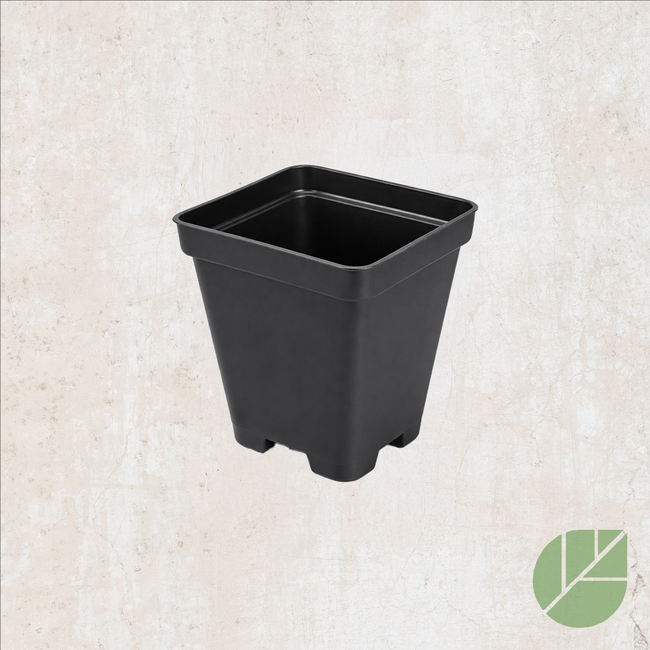
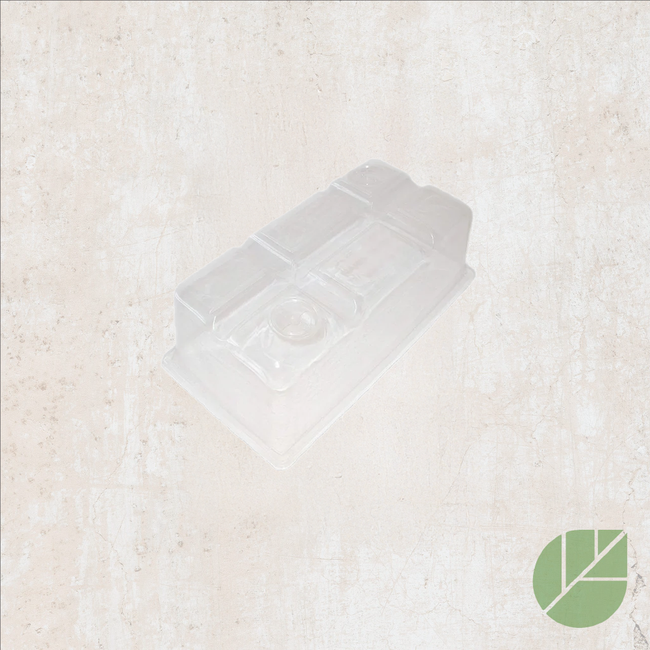
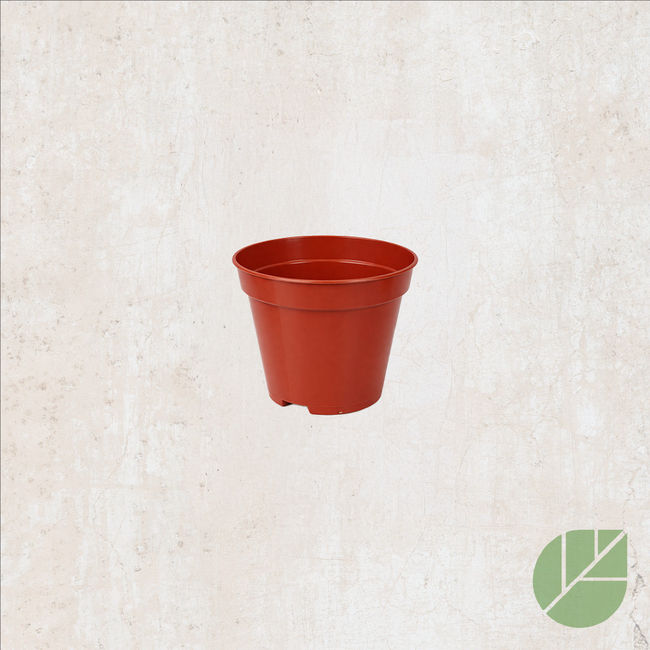
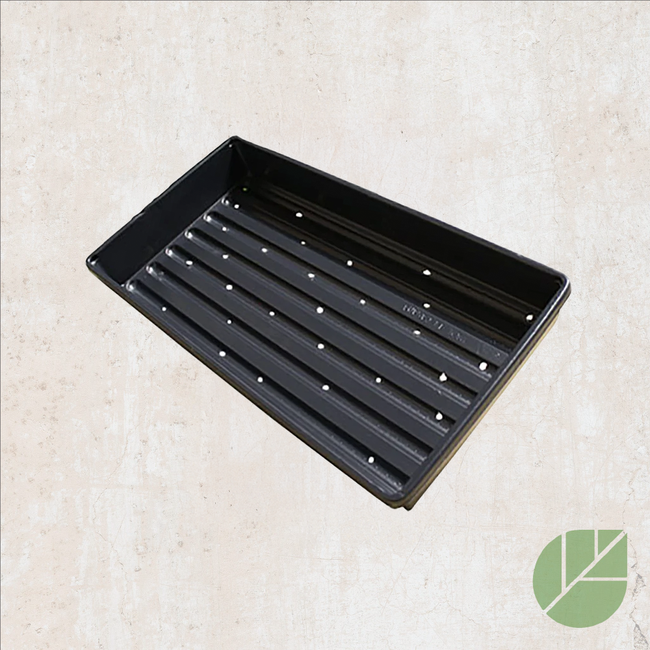
Platters, pots and domes
Shop the collection
Seed Starting Soil
Shop the collectionSeed starting supplies
Shop the collection




