Organic 'Red Yellow' bean

Gaia

Phaseolus vulgaris

Available

Pay in 4 interest-free payments withSezzle

Delivery and pickup: view conditions

Product information
Advice adapted to Canada
Secure payment
Share

From seed to harvest

Common nameYellow Kidney Bean
FamilyFabaceae
GenusPhaseolus
Speciesvulgaris
TypeOrganic seeds
Botanical namePhaseolus vulgaris

Organic 'Red Yellow' Bean The 'Yellow Kidney' bean is part of our selection of organic seeds for Quebec gardens. The 'Yellow Kidney' bean, also known as the African yellow bean, is a heritage variety known for its golden-yellow seeds and hard shell that allows it to hold its shape during cooking, making it a perfect dried bean for stews, soups, and slow-cooked dishes. Very popular in many African culinary traditions, it thrives in warm weather, is sensitive to cold, and prefers well-drained but regularly watered soil. A productive and reliable variety, valued for its exceptional texture even during prolonged cooking.

To improve germination. For a continuous harvest, sow at 3-week intervals. 1-2″ in direct sowing 21-31°C 8 to 10 days. Prepare a clean, loose, and well-drained substrate, then moisten it before placing the seeds to limit their displacement. For the Red Yellow Bean, the indicated exposure is: Full sun to partial shade. For the Red Yellow Bean, the indicated soil type is: Use loose, well-drained soil suitable for the indicated crop. For the Red Yellow Bean, the watering guideline is: Maintain consistent moisture without saturating the soil.

The packet contains 25 seeds. For the Red Yellow Bean, the indicated sowing depth is: 2.5 to 5.1 cm (1 to 2 in) in direct sowing. For the Red Yellow Bean, the indicated germination time is: 8 to 10 days. For the Red Yellow Bean, the indicated germination temperature is: 21-31°C. For the Red Yellow Bean, the indicated sowing period is: To improve germination. For the Red Yellow Bean, the indicated density or spacing is: 15.2 to 30.5 cm (6 to 12 in). For the Red Yellow Bean, the expected height is: 45.7 to 61 cm (18 to 24 in).

Light and life cycle

In the garden

Exposure
Full sun to partial shade
Life cycle
Annual
Sowing and germination

Sowing guide

Sowing & germination

Sowing depth

25 to 51 mm (1-2″) direct

Spacing / density

15 to 30 cm (6-12″)

Germination temperature

21-31°C

Germination time

8 to 10 days

Sowing period

Direct seed after last frost. To continuously harvest, plant in 3-week intervals.

Propagation

Seed propagation

Growing method

For Yellow Kidney Bean, follow these sowing and growing guidelines for the variety. Direct-sow after last frost. To continuously harvest, plant in 3-week intervals. 1-2″ direct 21-31°C 8 to 10 days Read the packet directions before starting and keep the label so the variety remains clearly identified throughout the season. Prepare a clean, loose, well-drained growing medium and moisten it before placing the seeds so they are not displaced by the first watering. Keep the seedbed evenly moist without standing water because excess moisture reduces air around developing roots. Move seedlings into bright light as soon as they emerge and rotate containers regularly to encourage balanced growth. Where several seedlings compete for the same space, thin carefully and retain the strongest plants without disturbing their roots. Before outdoor planting, gradually acclimatize young plants to wind, sunlight, and changing temperatures over several days. Follow the stated spacing so air can move between plants and each plant receives adequate light, water, and nutrients. Water at soil level when the surface begins to dry, then adjust frequency for weather, drainage, and container volume. A light mulch can reduce splashing and moisture swings after the soil has warmed and plants are established. Inspect foliage, stems, and leaf undersides regularly so stress or pests can be addressed early. This seed starting sequence supports reliable growing from seed while preserving the product-specific depth and temperature facts.
Soil and care

Soil and care

Soil & care

Care level

Moderate

Seasonal care

For Yellow Kidney Bean, adjust seasonal care to the plant’s actual growth cycle. Direct seed after last frost. To continuously harvest, plant in 3-week intervals. 1-2″ direct 21-31°C 8 to 10 days Wait until pods and enclosed seeds have reached full maturity. For dry beans, allow plenty of space for airflow so they can dry later in the season. Corn, Carrot, Cabbage, Cucumber, Pea, Radish, Potato, Squash, Nasturtium, Rosemary. The packet contains 25 seeds. Read the packet directions before starting and keep the label so the variety remains clearly identified throughout the season. Prepare a clean, loose, well-drained growing medium and moisten it before placing the seeds so they are not displaced by the first watering. Keep the seedbed evenly moist without standing water because excess moisture reduces air around developing roots. Move seedlings into bright light as soon as they emerge and rotate containers regularly to encourage balanced growth. Where several seedlings compete for the same space, thin carefully and retain the strongest plants without disturbing their roots. Before outdoor planting, gradually acclimatize young plants to wind, sunlight, and changing temperatures over several days. Follow the stated spacing so air can move between plants and each plant receives adequate light, water, and nutrients. Water at soil level when the surface begins to dry, then adjust frequency for weather, drainage, and container volume. A light mulch can reduce splashing and moisture swings after the soil has warmed and plants are established.
Growing in containers

Container growing

Container growing

Growing Yellow Kidney Bean in a container requires suitable volume, drainage, and exposure. In-ground growing recommended; use a very large container of 40 L or more only with support and regular watering. Match the container to the plant's development and provide free drainage from planting onward. Read the packet directions before starting and keep the label so the variety remains clearly identified throughout the season. Prepare a clean, loose, well-drained growing medium and moisten it before placing the seeds so they are not displaced by the first watering. Keep the seedbed evenly moist without standing water because excess moisture reduces air around developing roots. Move seedlings into bright light as soon as they emerge and rotate containers regularly to encourage balanced growth. Where several seedlings compete for the same space, thin carefully and retain the strongest plants without disturbing their roots. Before outdoor planting, gradually acclimatize young plants to wind, sunlight, and changing temperatures over several days. Follow the stated spacing so air can move between plants and each plant receives adequate light, water, and nutrients. Water at soil level when the surface begins to dry, then adjust frequency for weather, drainage, and container volume. A light mulch can reduce splashing and moisture swings after the soil has warmed and plants are established.
Growth and harvest

Size, flowering & harvest

Mature height

46 to 61 cm (18-24″)

Foliage color

Green

Foliage type

Herbaceous

Growth rate

Moderate

Growth habit

Vining or trailing
Garden companions

Garden associations

Companion plants & uses

Plants to avoid

Alliums, Beet.

Garden use

In the garden, place Yellow Kidney Bean according to its habit, vigour, and access for harvest. Wait until pods and enclosed seeds have reached full maturity. For dry beans, allow plenty of space for airflow so they can dry later in the season. Corn, Carrot, Cabbage, Cucumber, Pea, Radish, Potato, Squash, Nasturtium, Rosemary. The packet contains 25 seeds. Read the packet directions before starting and keep the label so the variety remains clearly identified throughout the season. Prepare a clean, loose, well-drained growing medium and moisten it before placing the seeds so they are not displaced by the first watering. Keep the seedbed evenly moist without standing water because excess moisture reduces air around developing roots. Move seedlings into bright light as soon as they emerge and rotate containers regularly to encourage balanced growth. Where several seedlings compete for the same space, thin carefully and retain the strongest plants without disturbing their roots. Before outdoor planting, gradually acclimatize young plants to wind, sunlight, and changing temperatures over several days. Follow the stated spacing so air can move between plants and each plant receives adequate light, water, and nutrients. Water at soil level when the surface begins to dry, then adjust frequency for weather, drainage, and container volume.

Frequently asked questions

Frequently asked questions

How many 'Yellow Kidney' Bean seeds are in the packet?
For Yellow Kidney Bean, the packet information states: Approximately 25 seeds · lot GOGOG35 · germination >85%. This wording preserves the commercial approximation when one is provided and helps plan the number of containers or the length of the row without turning an estimate into a guaranteed count. Keep the packet closed in a cool, dry, dark place until sowing time. Keep the label with the seedlings so the variety remains correctly identified throughout the season. Use clean containers and write the sowing date on a water-resistant label. Avoid exposing unused seed to moisture or large temperature swings.
How should I start 'Yellow Kidney' Bean seeds in Canada?
For Yellow Kidney Bean, the stated sowing period is Direct-sow after last frost. To continuously harvest, plant in 3-week intervals. The recommended method is propagation by seed, at a depth of 25 to 51 mm (1-2″) direct. Follow these product-specific directions and adjust timing to the average last-frost date in your area. Moisten the growing medium before placing the seed so the first watering does not displace it. Label every container and maintain even moisture without allowing standing water. Move seedlings into bright light as soon as they emerge to encourage balanced growth. Thin carefully when several seedlings compete for the same space. For seed starting, label the cultivar and use the stated sowing depth instead of a generic estimate.
How long do 'Yellow Kidney' Bean seeds take to germinate?
For Yellow Kidney Bean, the stated germination period is 8 to 10 days, with a germination temperature of 21-31°C. Keep these conditions as steady as practical while allowing excess water to drain away. The temperature of the growing medium matters more than the surrounding air during this stage. Check moisture below the surface before watering again and avoid saturating the medium. Good air circulation helps young plants remain vigorous after emergence. Wait until the normal germination window has passed before assuming a seed will not emerge. When growing from seed, keep conditions stable for the full stated germination window before disturbing the mix.
Where should I grow 'Yellow Kidney' Bean in the garden?
For Yellow Kidney Bean, the recommended exposure is full sun to partial shade. The stated spacing guideline is 15 to 30 cm (6-12″). For container growing, use a freely draining container sized for the plant’s mature root system. Allow for the mature habit so neighbouring plants do not restrict light or access for harvest. Choose a site that is easy to water and leave enough room for air to circulate around the foliage. In a container, make sure several holes allow excess water to drain freely. A light mulch can steady moisture after the soil has warmed and plants are established. Place plants where their growth can be observed and stress can be addressed early.
When and how should I harvest 'Yellow Kidney' Bean?
For Yellow Kidney Bean, the confirmed edible parts are seeds or pods harvested at the recommended stage. Harvest them at the stage stated in the product record, then sort the crop before preparation. Use only the parts correctly identified as edible for this plant. Use a clean tool and handle the harvest carefully to avoid unnecessary injury to the plant. Harvest in dry weather when practical and remove damaged portions promptly. Wash only the parts intended for the kitchen and refrigerate perishable produce promptly. Never eat a plant part whose identity or edibility is uncertain.

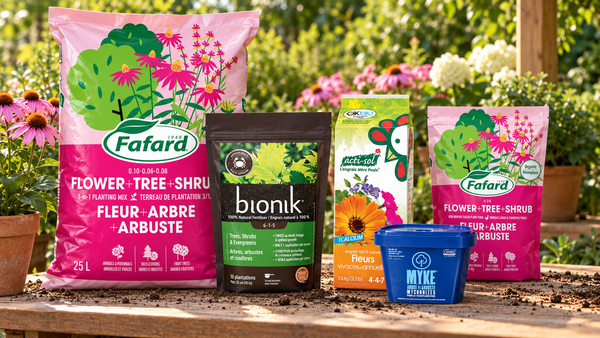
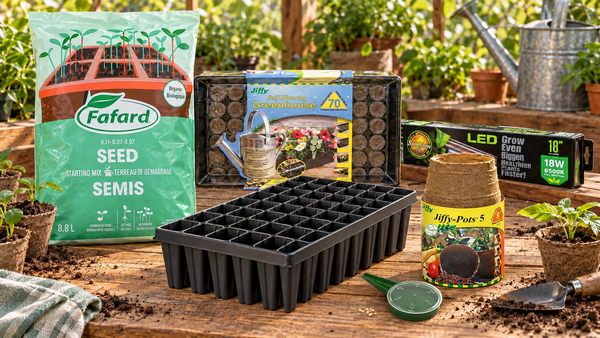
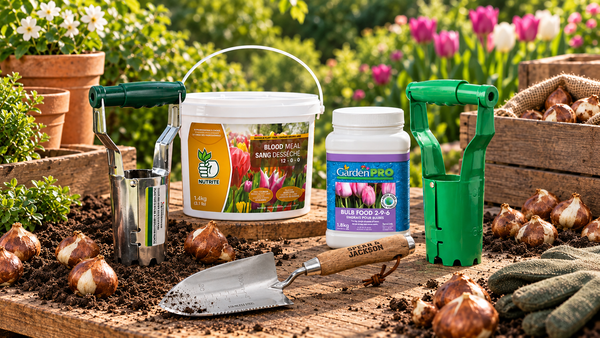
Seed-starting essentials

Click a product to build your selection.

Your selection

Total