Golden Zucchini, organic seeds

Cucurbita pepo

Golden Zucchini organic seeds is part of our organic seeds for Canada selection. This was the first commercially bicolor cultivar in the market. Mild flavour and crispy zucchinis. Atlee Burpee of Philadelphia. Read the packet directions before starting and keep the label so the variety remains clearly identified throughout the season. Prepare a clean, loose, well-drained growing medium and moisten it before placing the seeds so they are not displaced by the first watering. Keep the seedbed evenly moist without standing water because excess moisture reduces air around developing roots. Move seedlings into bright light as soon as they emerge and rotate containers regularly to encourage balanced growth.
4 99 $
Pay in 4 interest-free payments with Sezzle
Detailed plant guide
Advice adapted to Canada
Secure payment
Share

Golden Zucchini, organic seeds (Cucurbita pepo) This open-pollinated heirloom zucchini produces vivid yellow fruit with mild flavour and crisp flesh. Its bush habit fits vegetable beds, raised gardens, and very large containers. Gaia describes it as the first commercially marketed bicolour cultivar and credits the original breeding to W. Atlee Burpee of Philadelphia. The packet contains approximately 20 seeds certified organic by Ecocert Canada. Kew accepts Cucurbita pepo, an annual in the Cucurbitaceae family originating as a Mexican cultigen and introduced in Québec. The bright fruit also remains easy to see beneath broad foliage during harvest.

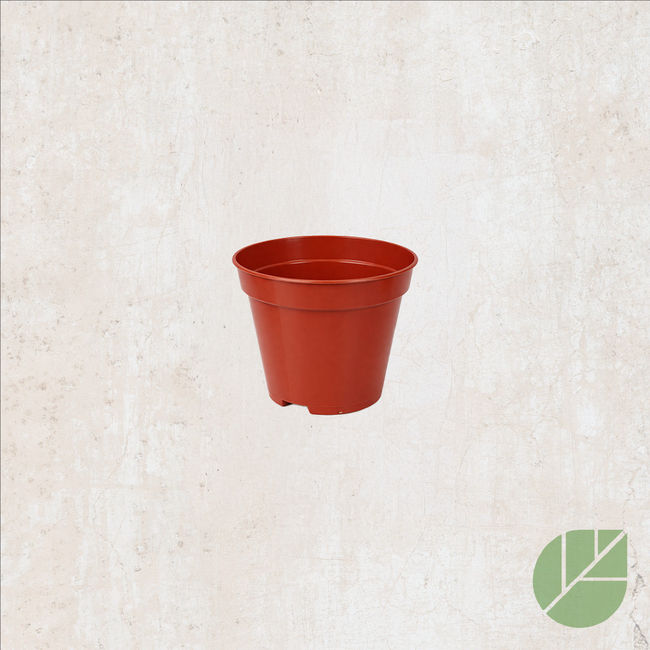
Gaia publishes no lot-specific sowing protocol or numbered maturity period. For summer squash, direct sow after the last frost when soil reaches at least 21°C, approximately 1/2 inch deep. Indoor starting is possible 3 to 4 weeks before planting in individual pots that limit root disturbance. Grow in full sun and fertile, warm, well-drained soil. Space bush plants 2 to 3 feet apart. Keep soil evenly moist and remove floating row covers when flowering begins so pollinating insects can reach the separate male and female flowers. Avoid cold soil because emergence and early establishment will be poor.

Gaia lists plants at 18 to 24 inches high and 36 to 48 inches wide. Harvest fruit while it remains young, firm, and glossy; frequent picking supports formation of new zucchini. Gaia publishes no cultivar-specific harvest length, so use tender skin and crisp flesh rather than an invented measurement. Use promptly or refrigerate for approximately 4 days. The yellow fruit creates attractive contrast in sautés, salads, skewers, gratins, and roasted dishes. Freshly opened male flowers are also edible. Discard any fruit with unusually strong bitterness. The exact days to maturity remain unpublished by Gaia and should not be inferred from another golden cultivar.

Practical guide

How to use it

Uses in the garden

Harvest yellow fruit while it remains young, firm, and glossy. Pick regularly to maintain production. The packet contains Approximately 20 seeds. Read the packet directions before starting and keep the label so the variety remains clearly identified throughout the season. Prepare a clean, loose, well-drained growing medium and moisten it before placing the seeds so they are not displaced by the first watering. Keep the seedbed evenly moist without standing water because excess moisture reduces air around developing roots. Move seedlings into bright light as soon as they emerge and rotate containers regularly to encourage balanced growth. Where several seedlings compete for the same space, thin carefully and retain the strongest plants without disturbing their roots. Before outdoor planting, gradually acclimatize young plants to wind, sunlight, and changing temperatures over several days. Follow the stated spacing so air can move between plants and each plant receives adequate light, water, and nutrients. Water at soil level when the surface begins to dry, then adjust frequency for weather, drainage, and container volume. A light mulch can reduce splashing and moisture swings after the soil has warmed and plants are established. Inspect foliage, stems, and leaf undersides regularly so stress or pests can be addressed early.

Good to know

Frequently asked questions

01 How many seeds are in the packet?
The packet contains Approximately 20 seeds. Read the packet directions before starting and keep the label so the variety remains clearly identified throughout the season. Prepare a clean, loose, well-drained growing medium and moisten it before placing the seeds so they are not displaced by the first watering. Keep the seedbed evenly moist without standing water because excess moisture reduces air around developing roots. Move seedlings into bright light as soon as they emerge and rotate containers regularly to encourage balanced growth. Where several seedlings compete for the same space, thin carefully and retain the strongest plants without disturbing their roots. Before outdoor planting, gradually acclimatize young plants to wind, sunlight, and changing temperatures over several days.
02 How should the seeds be started?
Gaia publishes no lot-specific sowing method. For summer squash, direct sow after the last frost when soil reaches at least 21°C, approximately 1/2 inch deep. Read the packet directions before starting and keep the label so the variety remains clearly identified throughout the season. Prepare a clean, loose, well-drained growing medium and moisten it before placing the seeds so they are not displaced by the first watering. Keep the seedbed evenly moist without standing water because excess moisture reduces air around developing roots. Move seedlings into bright light as soon as they emerge and rotate containers regularly to encourage balanced growth.
03 How long does germination take?
Lot-specific germination time not published by Gaia; do not sow into cold soil Read the packet directions before starting and keep the label so the variety remains clearly identified throughout the season. Prepare a clean, loose, well-drained growing medium and moisten it before placing the seeds so they are not displaced by the first watering. Keep the seedbed evenly moist without standing water because excess moisture reduces air around developing roots. Move seedlings into bright light as soon as they emerge and rotate containers regularly to encourage balanced growth. Where several seedlings compete for the same space, thin carefully and retain the strongest plants without disturbing their roots.
04 How should planting be organized?
Read the packet directions before starting and keep the label so the variety remains clearly identified throughout the season. Prepare a clean, loose, well-drained growing medium and moisten it before placing the seeds so they are not displaced by the first watering. Keep the seedbed evenly moist without standing water because excess moisture reduces air around developing roots. Move seedlings into bright light as soon as they emerge and rotate containers regularly to encourage balanced growth. Where several seedlings compete for the same space, thin carefully and retain the strongest plants without disturbing their roots. Before outdoor planting, gradually acclimatize young plants to wind, sunlight, and changing temperatures over several days.
05 When should it be harvested?
Harvest yellow fruit while it remains young, firm, and glossy. Pick regularly to maintain production. Read the packet directions before starting and keep the label so the variety remains clearly identified throughout the season. Prepare a clean, loose, well-drained growing medium and moisten it before placing the seeds so they are not displaced by the first watering. Keep the seedbed evenly moist without standing water because excess moisture reduces air around developing roots. Move seedlings into bright light as soon as they emerge and rotate containers regularly to encourage balanced growth. Where several seedlings compete for the same space, thin carefully and retain the strongest plants without disturbing their roots.