

Sale
Sold out

Untreated
Asteraceae
Grand Rapids Green Lettuce
*Lactuca sativa*
Product code : NORSE-0018
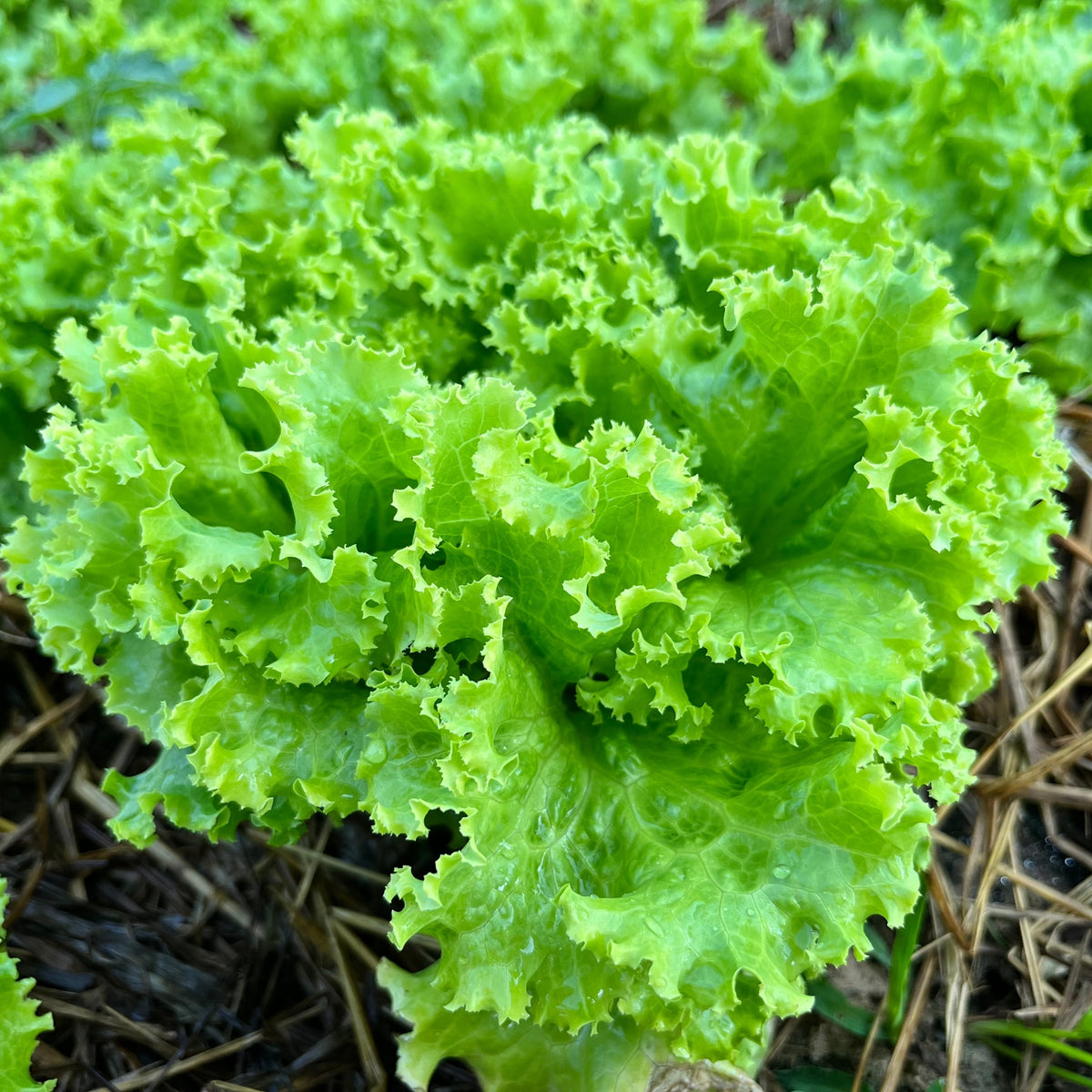
'Grand Rapids Green' lettuce is a popular variety appreciated for its exceptional taste. Its medium-green, very curly foliage is both tender and crisp, perfect for fresh and flavorful salads. This variety matures 55 days after sowing. The packet contains 600 seeds to start your planting. Leafy greens benefit from being placed near a pathway, as they are often harvested in small quantities. Arrange short rows or identified groups to select ready plants without trampling the soil. Allow space for the heart or head depending on the type grown.
- Quantity
- 600 seeds
- Exposure
- Sun
- Life cycle
- Annual crop for vegetable harvesting
Discover the plant
Common nameGreen curly lettuce
FamilyAsteraceae
GenusLettuce
Speciessativa
CultivarGrand Rapids
TypeUntreated
Botanical name*Lactuca sativa*
‘Grand Rapids’ Green Curly Lettuce (Lactuca sativa). ‘Grand Rapids Green’ lettuce is a popular variety, appreciated for its exceptional taste qualities. Its medium-green, very curly foliage is both tender and crisp, perfect for fresh and tasty salads. This variety matures 55 days after sowing. The packet contains 600 seeds to start your planting. Leafy greens benefit from being placed near a pathway, as they are often harvested in small quantities. Organize short rows or identified groups to choose ready plants without trampling the soil.
The sowing calendar for this variety is as follows: for an early harvest, sow in a hot or cold bed and transplant directly in May. Distribute leafy green seeds evenly to avoid an overly dense carpet of seedlings. Thin out or transplant according to the type of cultivation, keeping vigorous subjects. Staggered sowings allow for harvesting leaves at different stages. Identify dates to monitor growth. During hot periods, monitor the surface of the sowing: it can dry out before the roots have reached a cooler layer.
Add ‘Grand Rapids Green’ lettuce to your vegetable garden to enjoy a reliable and delicious harvest throughout the season! Start observing the harvest of this variety as it approaches 55 days after sowing; then check the desired color, firmness, and size for picking. Ideally, harvest young, tender leaves, preferably early in the morning, as they grow. This also delays the time when the plants go to seed. When planting this variety, the spacing to remember is to bury the seeds about five millimeters deep and they can be sown densely.

Sowing guide
It all startswith a seed.
Spacing / density
Bury the seeds about five millimeters deep and sow them densely. Bury the seeds about five millimeters deep and sow them densely.
Germination temperature
10 °F
Sowing period
For an early harvest, sow in a hotbed or cold frame and transplant directly in May.
Propagation
Sowing
Growing method
The sowing schedule for this variety is as follows: for an early harvest, sow in a warm or cold frame and transplant directly in May. To establish this variety, first choose a location that matches its exposure: full sun. Rich, well-drained soil is ideal for its cultivation. When planting this variety, bury the seeds about five millimeters deep and they can be sown densely. Bury the seeds about five millimeters deep and they can be sown densely. The addition of decomposed manure, compost, or a high-nitrogen fertilizer is beneficial. It needs full sun and constant moisture. Mulch to reduce weeds and maintain soil moisture. This variety prefers rich, well-drained soil kept moist by regular watering. Add 'Grand Rapids Green' lettuce to your vegetable garden for a reliable and delicious harvest throughout the season! Spread leafy vegetable seeds evenly to avoid an overly dense carpet of seedlings. Thin or transplant according to the type of crop, keeping vigorous specimens.
Soil and care
The right care,at the right time.
Watering
This variety prefers rich, well-drained soil kept moist by regular watering. To plant this variety, first choose a location that matches its sun exposure: full sun. Rich, well-drained soil is ideal for its cultivation. Adding decomposed manure, compost, or a high-nitrogen fertilizer is beneficial. Requires full sun and constant moisture.
Soil type
This variety prefers rich, well-drained soil kept moist by regular watering. To plant this variety, first choose a location that matches its sun exposure: full sun. Rich, well-drained soil is ideal for its cultivation. Harvesting this variety depends on consistent foliage and vegetable growth; incorporate mature compost before planting and adjust nutrient input to the plant's development, without concentrating fertilizer against the roots.
Fertilization
The harvest of this variety depends on consistent growth of its foliage and edible parts; incorporate mature compost before planting and adjust nutrient supply according to plant development, without concentrating fertilizer against the roots. To plant this variety, first choose a location that matches its preferred exposure: full sun. Rich, well-drained soil is ideal for its cultivation.
Seasonal care
This variety prefers rich, well-drained soil kept moist by regular watering. Adding decomposed manure, compost, or a high-nitrogen fertilizer is beneficial. It needs full sun and constant moisture. Mulch to reduce weeds and maintain soil moisture. The sowing schedule for this variety is as follows: for an early harvest, sow in a hotbed or cold frame and transplant directly in May. The harvest of this variety depends on consistent foliage and vegetable growth; incorporate mature compost before planting and adjust nutrient applications to the plant's development, without concentrating fertilizer against the roots. Begin to observe the harvest of this variety around 55 days after sowing; then check for the desired color, firmness, and size for picking. Ideally, harvest young, tender leaves, preferably early in the morning, as they grow. This also delays the time when plants bolt. When planting this variety, the spacing to remember is to sow seeds about five millimeters deep and they can be sown densely. In just 55 days, you can harvest this lettuce with tasty and crisp leaves.
Container growing
A garden,within reach.
Recommended pot size
One plant per drained container, with space for its mature size.
Place the container for this variety in the following exposure: full sun, checking the light received throughout the day. The sowing calendar for this variety is prepared as follows: for an early harvest, sow in a hot or cold frame and transplant directly in May. To plant this variety, first choose a location corresponding to its exposure: full sun. Rich, well-drained soil is ideal for its cultivation. Adding decomposed manure, compost, or a high-nitrogen fertilizer is beneficial. Requires full sun and constant moisture. Mulch to reduce weeds and maintain soil moisture. The packet contains 600 seeds to start your planting. This variety prefers rich, well-drained soil kept moist by regular watering. A leafy vegetable planter allows for a harvest close to the kitchen. Use all available surface area without pressing the plants against the edge. Headed varieties require more space than leaves harvested very young. Check moisture regularly and water under the foliage as much as possible. Harvest with clean scissors and remove damaged leaves to keep the heart accessible and aerated.

Bloom and dimensions
Its place,in your garden.
Fruiting
In just 55 days, you'll be able to harvest this lettuce with its flavorful, crisp leaves. Add 'Grand Rapids Green' lettuce to your garden for a reliable and delicious harvest all season long! Begin checking for harvest readiness around 55 days after sowing; at that point, look for the desired color, firmness, and size for picking.
Days to maturity
55 days after sowing
Harvest
Harvest the vegetable parts at the variety-appropriate stage, when they are well-developed and still tender. Use a clean knife or scissors and avoid crushing the remaining foliage.
Garden associations
In goodcompany.
Companion plants
When planting this variety, the recommended spacing is to bury the seeds about five millimeters deep, and they can be sown densely. To plant this variety, first choose a location that matches its exposure: full sun. Rich, well-drained soil is ideal for its cultivation. Add 'Grand Rapids Green' lettuce to your vegetable garden for a reliable and delicious harvest throughout the season!
Recipe idea
From the gardento your plate.
Edible parts
Leaves
Recipe idea with your ‘Grand Rapids’ green curled lettuce harvest. Prepare a large salad with freshly picked leaves. Rinse them thoroughly in several changes of water if soil is lodged in the folds, then spin them dry carefully. Tear large leaves into bite-sized pieces and leave smaller ones whole. Mix one spoonful of cider vinegar with three spoonfuls of oil, a little mustard, and a pinch of salt. Pour just enough to coat the foliage. Add apple wedges, diced cheese, and a few shelled sunflower seeds. Toss with your hands or two large spoons to maintain volume and serve immediately. Well-dried foliage retains dressing better and prevents a watery plate. Thick ribs can be cut finer than the tender parts for balanced bites. If combining multiple harvests, use the sturdier leaves as a base and add the more delicate ones last.
Frequently asked questions
Your questions,answered.
When to start Green Curled 'Grand Rapids' Lettuce seeds?
The sowing calendar for this variety is prepared as follows: for an early harvest, sow in a hot or cold frame and transplant directly in May. Distribute the leafy vegetable seeds evenly to avoid an overly dense carpet of seedlings. Thin out or prick out according to the type of cultivation, keeping the vigorous specimens. Spreading sowings over time allows for harvesting leaves at different stages. Identify the dates to monitor growth. During hot periods, monitor the surface of the sowing: it can dry out before the roots have reached a cooler layer. For leaf-by-leaf harvests, start with the outer leaves and preserve the center of the plant.
When to harvest 'Grand Rapids' Green Curled Lettuce?
Begin observing this variety's harvest around 55 days after sowing; at that point, check for the desired color, firmness, and size for picking. Ideally, harvest young, tender leaves, preferably early in the morning, as they grow. This also delays the plants from bolting. This variety matures at 55 days after sowing. The addition of decomposed manure, compost, or a high-nitrogen fertilizer is beneficial. Requires full sun and constant moisture. Mulch to reduce weeds and maintain soil moisture.
What location is suitable for 'Grand Rapids' green curled lettuce?
To plant this variety, first choose a location that matches its exposure: full sun. Rich, well-drained soil is ideal for its cultivation. When planting this variety, seeds should be buried approximately five millimeters deep and can be sown densely. Seeds should be buried approximately five millimeters deep and can be sown densely. Place the container of this variety in this exposure: full sun, checking the light received throughout the day. Leafy greens benefit from being placed near a pathway, as they are often harvested in small quantities.
How to water Green Curled Lettuce ‘Grand Rapids’ during its growth?
Adding decomposed manure, compost, or a high-nitrogen fertilizer is beneficial. Needs full sun and constant moisture. Mulch to reduce weeds and maintain soil moisture. To plant this variety, first choose a location that matches its sun exposure: full sun. Rich, well-drained soil is ideal for its cultivation. For leaf-by-leaf harvesting, start with the outer leaves and preserve the center of the plant. Head-forming types can also be harvested whole when the heart is well-formed. A young leaf is generally more tender than a leaf left on for too long.
What care should be given to 'Grand Rapids' Green Curled Lettuce throughout the season?
Adding decomposed manure, compost, or a high-nitrogen fertilizer is beneficial. Needs full sun and constant moisture. Mulch to reduce weeds and retain soil moisture. The sowing schedule for this variety is as follows: for an early harvest, sow in a hotbed or cold frame and transplant directly in May. Begin checking this variety for harvest around 55 days after sowing; at that point, check for the desired color, firmness, and size for picking. Ideally, harvest young, tender leaves, preferably in the early morning, as they grow.
For a great start to your seeds
The right extras.Right here.
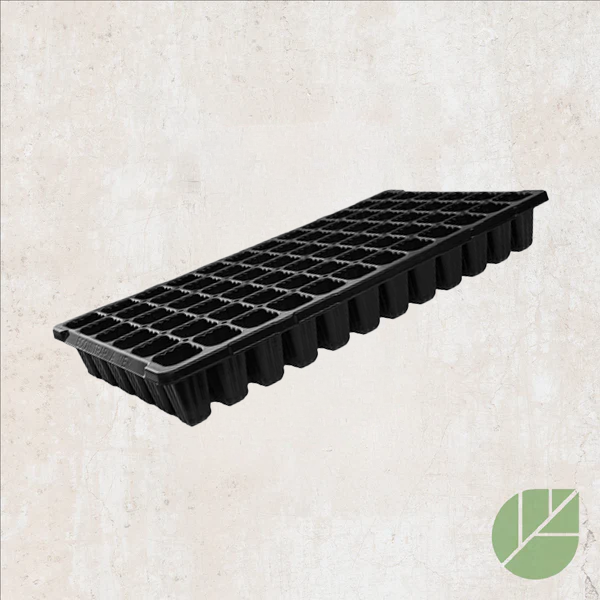
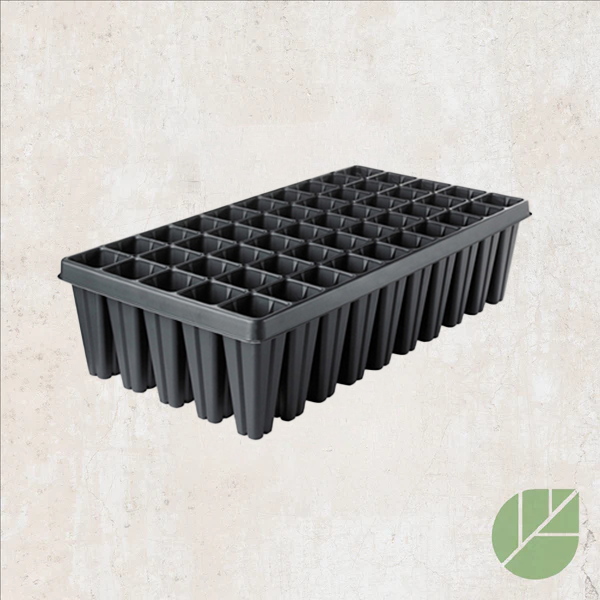
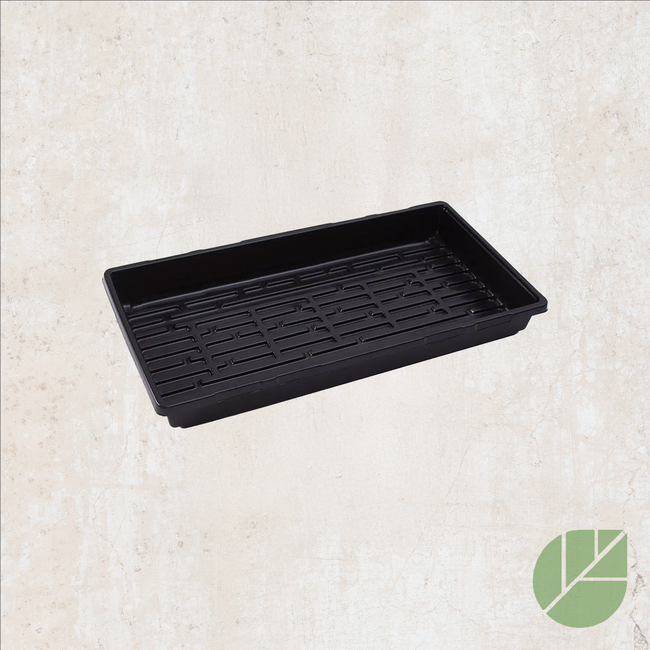
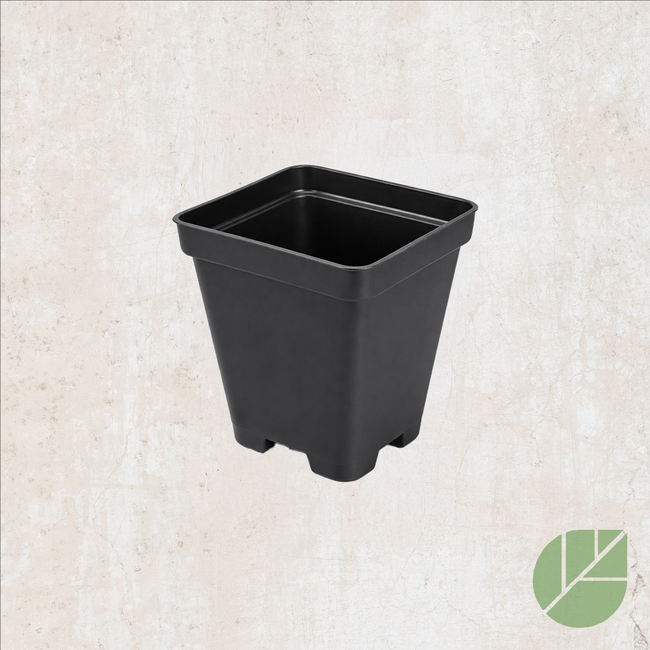
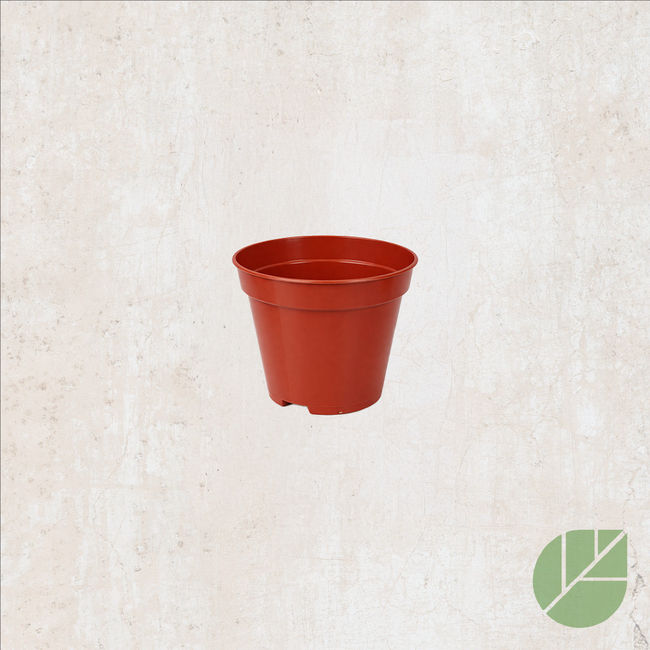
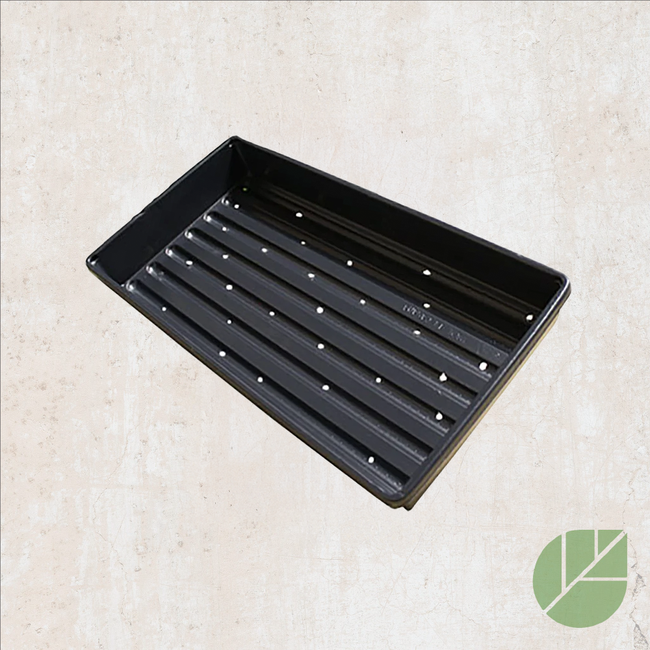
Platters, pots and domes
Shop the collection
Seed Starting Soil
Shop the collectionSeed starting supplies
Shop the collection




