

Sale
Sold out

Vegetable
Fabaceae
Les jardins de l'écoumène
Phaseolus vulgaris ‘Provider’
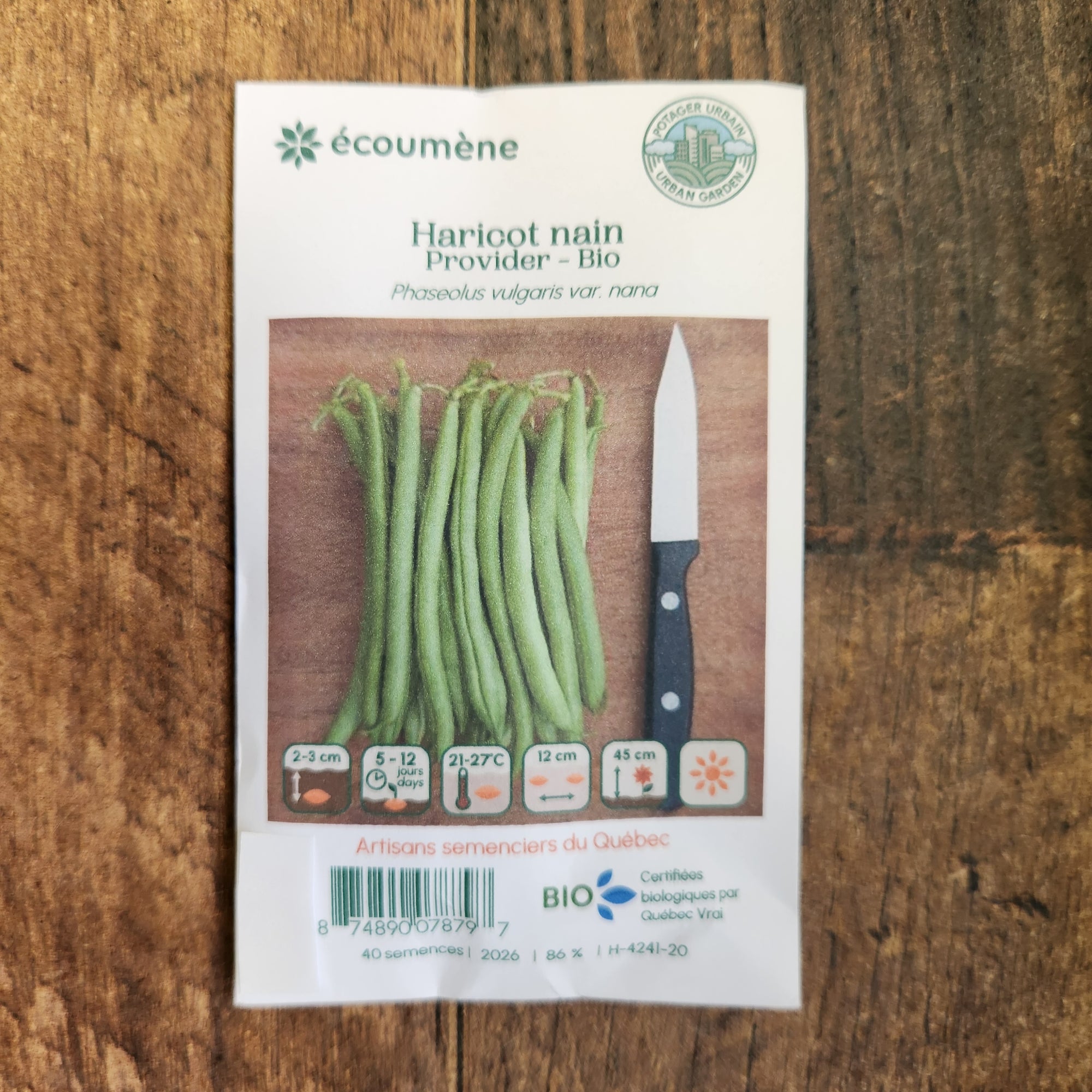
The organic bush bean ‘Provider’ is a dependable variety that launches the season with vigour and generosity, even when spring is still slow to warm. Known for its early harvest and dependable performance, Provider forms compact, sturdy plants that soon bear straight green pods with a texture that is both tender and crisp. Its relative tolerance of cooler soil makes it useful for gardeners who want an early sowing and a prompt harvest while maintaining the quality of the pods. Easy to succeed, it is as suitable for beginners as well as well-rounded vegetable gardens, where its consistency quickly becomes precious.
Sold as
Discover the plant
Common nameProvider Bush Bean
FamilyFabaceae
GenusBean
Speciescommon
CultivarProvider
TypeVegetable
Botanical namePhaseolus vulgaris
Reproducible seedsYes
Heirloom varietyYes
Phaseolus vulgaris ‘Provider’ — Provider Bush Bean. The organic bush bean ‘Provider’ is a dependable variety that launches the season with vigour and generosity, even when spring is still slow to warm. Known for its early harvest and dependable performance, Provider forms compact, sturdy plants that soon bear straight green pods with a texture that is both tender and crisp. Its relative tolerance of cooler soil makes it useful for gardeners who want an early sowing and a prompt harvest while maintaining the quality of the pods. Easy to succeed, it is as suitable for beginners as well as well-rounded vegetable gardens, where its consistency quickly becomes precious.
Recommended planting period: after the last frost. The depth to be respected is 2 to 3 cm (3/4 to 1 1/8 in.). Germination usually takes 5 to 12 days. For germination, keep the soil at 21 to 27°C (70 to 81°F). Sowing peas, broad beans and common beans directly in the garden avoids disturbing their developing root systems. Prepare the locations and supports of climbing varieties before emergence. Do not let the bush bean seeds stay in soil that is saturated with water. Identify each row to distinguish the types harvested in pods from those intended for seeds.
Picking the pods while young and returning often for another harvest helps maintain steady production, providing flavourful beans for meals and for putting aside as part of the preserved harvest. Arrange the legume crops according to the way each variety grows. Bush varieties are easy to harvest in rows that you can reach from both sides; climbing varieties need a firmly anchored support in place before their foliage becomes heavy. Position the supports to limit the shade they cast on shorter vegetables. Keep a path close to the pods for harvesting, and avoid moving the supports once the roots have become established in the soil.
In the garden
- Exposure
- Full sun
- Life cycle
- Annual
Sowing guide
Sowing & germination
Sowing depth
2-3 cm (3/4 to 1 1/8 in.)
Germination temperature
21 to 27°C (70 to 81°F)
Germination time
5 to 12 days
Sowing period
After the last frost
Propagation
From seed
Growing method
Recommended planting period: after the last frost. The depth to be respected is 2 to 3 cm (3/4 to 1 1/8 in.). Germination usually takes 5 to 12 days. For germination, keep the soil at 21 to 27°C (70 to 81°F). Sowing peas, broad beans and common beans directly in the garden avoids disturbing their developing root systems. Prepare the locations and supports of climbing varieties before emergence. Do not leave the seeds sitting in soil that is saturated with water. Identify each row to distinguish the types harvested in pods from those intended for seeds. Thin only when the emerged seedlings are actually competing for space. Pick the pods while supporting the stem with one hand, taking care not to pull off any of the plant’s branches. Harvesting young pods means checking the plants frequently, while beans intended for drying must remain on the plant for a longer period. Avoid handling the foliage while the leaves are still wet. On climbing forms, guide the first shoots and check that the stems do not roll around nearby crops. Eating beans are harvested before the seeds swell in the pods. A delicate harvest preserves the stems and allows the following harvests to continue.
Soil and care
Soil & care
Watering
Water the row after sowing if the soil lacks moisture, then avoid keeping the seeds in soil that is saturated with water. Once the plants have been established, maintain regular moisture, especially during flowering and pod formation. Direct the water to the base of the plant rather than to the foliage. Adjust frequency to rain and drainage. In the bin, control the soil more often, as a limited volume dries quickly in the sun.
Soil type
Prepare loose, moderately fertile soil that allows excess water to drain away freely after watering. Sowing peas, broad beans and common beans directly in the garden avoids disturbing their developing root systems. Prepare the locations and supports of climbing varieties before emergence. Do not leave the seeds sitting in soil that is saturated with water. Identify each row to distinguish the types harvested in pods from those intended for seeds.
Fertilization
Fertilization supports growth and should take into account the nutrients already present in the soil or potting mix. Use mature compost or a fertilizer suitable for the crop, following the recommended application rate. Avoid combining too many products, especially in a container where the roots have a limited volume of growing medium. Water as needed after applying nutrients, and observe foliage growth before deciding whether another fertilizer application is necessary.
Moisture
Keep the growing mix moist during germination, without standing water; then adjust to the crop
Seasonal care
Known for its early harvest and dependable performance, Provider forms compact, sturdy plants that soon bear straight green pods with a texture that is both tender and crisp. Sowing peas, broad beans and common beans directly in the garden avoids disturbing their developing root systems. Prepare the locations and supports of climbing varieties before emergence. Do not leave the seeds sitting in soil that is saturated with water. Identify each row to distinguish the types harvested in pods from those intended for seeds. Thin only when the emerged seedlings are actually competing for space. Pick the pods while supporting the stem with one hand, taking care not to pull off any of the plant’s branches. Harvesting young pods means checking the plants frequently, while beans intended for drying must remain on the plant for a longer period. Avoid handling the foliage while the leaves are still wet. On climbing forms, guide the first shoots and check that the stems do not roll around nearby crops. Eating beans are harvested before the seeds swell in the pods. A delicate harvest preserves the stems and allows the following harvests to continue. Too old pods lose the tenderness sought in the crops of edible beans. Rinse the harvest just before use or dry it thoroughly before a short stay in the refrigerator. Its relative tolerance of cooler soil makes it useful for gardeners who want an early sowing and a prompt harvest while maintaining the quality of the pods. Recommended planting period: after the last frost.
Container growing
Container growing
Suitable for containers
Yes
Recommended pot size
A stable container with drainage holes, enough width for the plant’s spread and sufficient depth for its roots
Choose a location in full sun. Reserve this spread around the plant: 30 to 40 cm (12 to 16 in.). A crop of potted peas or beans is planned according to the variety's habit. The dwarf forms require a well distributed surface, while the climbers must have a firmly fixed support. Roots need a drained soil that maintains regular moisture during flowering. Pick the pods by holding the stems so as not to unbalance the plant in the container. The organic bush bean ‘Provider’ is a dependable variety that launches the season with vigour and generosity, even when spring is still slow to warm. Known for its early harvest and dependable performance, Provider forms compact, sturdy plants that soon bear straight green pods with a texture that is both tender and crisp. Its relative tolerance of cooler soil makes it useful for gardeners who want an early sowing and a prompt harvest while maintaining the quality of the pods. Easy to succeed, it is as suitable for beginners as well as well-rounded vegetable gardens, where its consistency quickly becomes precious. Its small flowers discreetly attract pollinators, adding a touch of life to the food garden in the middle of summer.
Bloom and dimensions
Size, flowering & harvest
Mature height
40 to 50 cm (16 to 20 in)
Width / spread
30 to 40 cm (12 to 16 in)
Foliage type
Seasonal foliage
Growth habit
Upright, compact
Bloom period
Flowering usually occurs in this period: June to September. Its small flowers discreetly attract pollinators, adding a touch of life to the food garden in the middle of summer. Leave the flowers and developing young fruit on the plants when your aim is to bring the crop through to harvest. The actual flowering date varies with the time of sowing, the warmth available and how well the plants have become established. Maintain a steady humidity at the base of the plant without soaking the ground, then observe the formation of the pods before intervening.
Fruiting
Known for its early harvest and dependable performance, Provider forms compact, sturdy plants that soon bear straight green pods with a texture that is both tender and crisp. Its relative tolerance of cooler soil makes it useful for gardeners who want an early sowing and a prompt harvest while maintaining the quality of the pods. Picking the pods while young and returning often for another harvest helps maintain steady production, providing flavourful beans for meals and for putting aside as part of the preserved harvest.
Harvest
50 days after sowing

Garden associations
Companion plants & uses
Companion plants
In a mixed planting, you can reserve sections close to these plants: carrot, corn, cucumber, radishes. The association is used here to organize space and crops. Allow for the height, light requirements and water needs of each plant, leaving enough room between the foliage. Keep a path clear for watering and harvesting, then remove finished crops to make room for the next planting. This arrangement makes maintenance easier without promising protection against garden pests. Arrange the legume crops according to the way each variety grows. Bush varieties are easy to harvest in rows that you can reach from both sides; climbing varieties need a firmly anchored support in place before their foliage becomes heavy.
Garden use
Known for its early harvest and dependable performance, Provider forms compact, sturdy plants that soon bear straight green pods with a texture that is both tender and crisp. Its relative tolerance of cooler soil makes it useful for gardeners who want an early sowing and a prompt harvest while maintaining the quality of the pods. Picking the pods while young and returning often for another harvest helps maintain steady production, providing flavourful beans for meals and for putting aside as part of the preserved harvest.
Recipe idea
From garden to table
Edible parts
Foams or seeds depending on the stage of harvest
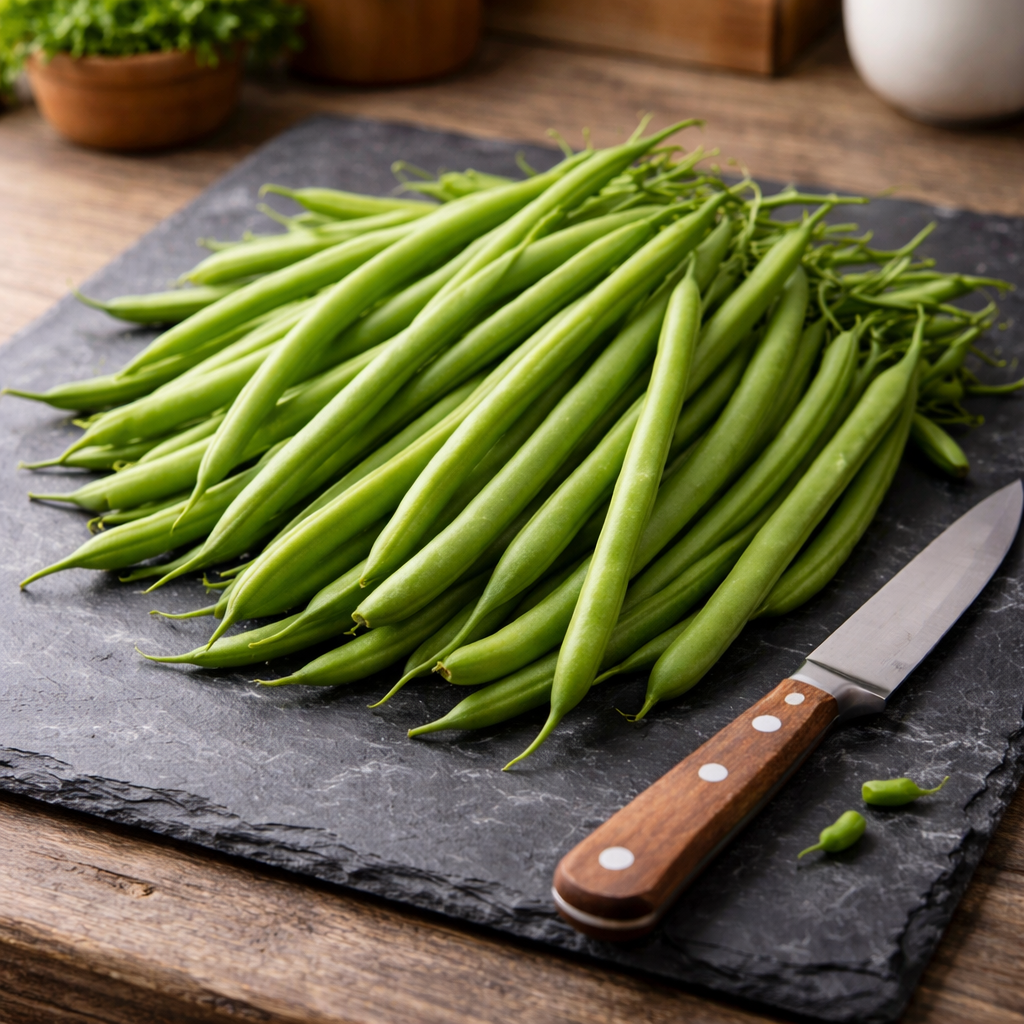
Recipe idea using Provider Bush Bean: sautéed bean pods for four servings. Heat in a frying pan with 15 ml of oil, a chopped clove of garlic and a few drops of lemon. Salt to taste and serve hot. Choose pods while they are still tender, before they become fibrous. Prepare all the ingredients with clean utensils, adjusting the size of the pieces you cut to suit the size of the produce you harvested. This recipe uses the freshly harvested parts of the plant, so remove any damaged pieces before you begin preparing the ingredients. If you double the ingredient quantities, choose a dish with enough room to stir the mixture or cook the ingredients evenly. Quickly place leftovers in the refrigerator in a closed container and consume them within two days. To prepare a smaller meal for two people, use half of every ingredient quantity given in this recipe.
Frequently asked questions
Frequently asked questions
How do I grow Provider Bush Bean from seed?
Recommended planting period: after the last frost. The depth to be respected is 2 to 3 cm (3/4 to 1 1/8 in.). Germination usually takes 5 to 12 days. For germination, keep the soil at 21 to 27°C (70 to 81°F). Sowing peas, broad beans and common beans directly in the garden avoids disturbing their developing root systems. Prepare the locations and supports of climbing varieties before emergence. Do not leave the seeds sitting in soil that is saturated with water. Identify each row to distinguish the types harvested in pods from those intended for seeds. Thin only when the emerged seedlings are actually competing for space.
Can I grow Provider Bush Bean in a container?
Choose a location in full sun. Reserve this spread around the plant: 30 to 40 cm (12 to 16 in.). A crop of potted peas or beans is planned according to the variety's habit. The dwarf forms require a well distributed surface, while the climbers must have a firmly fixed support. Roots need a drained soil that maintains regular moisture during flowering. Pick the pods by holding the stems so as not to unbalance the plant in the container. The organic bush bean ‘Provider’ is a dependable variety that launches the season with vigour and generosity, even when spring is still slow to warm.
When can I harvest Provider Bush Bean?
Known for its early harvest and dependable performance, Provider forms compact, sturdy plants that soon bear straight green pods with a texture that is both tender and crisp. Its relative tolerance of cooler soil makes it useful for gardeners who want an early sowing and a prompt harvest while maintaining the quality of the pods. Picking the pods while young and returning often for another harvest helps maintain steady production, providing flavourful beans for meals and for putting aside as part of the preserved harvest. Eating beans are harvested before the seeds swell in the pods. A delicate harvest preserves the stems and allows the following harvests to continue.
What makes Provider Bush Bean distinctive in the garden?
The organic bush bean ‘Provider’ is a dependable variety that launches the season with vigour and generosity, even when spring is still slow to warm. Known for its early harvest and dependable performance, Provider forms compact, sturdy plants that soon bear straight green pods with a texture that is both tender and crisp. Its relative tolerance of cooler soil makes it useful for gardeners who want an early sowing and a prompt harvest while maintaining the quality of the pods. Easy to succeed, it is as suitable for beginners as well as well-rounded vegetable gardens, where its consistency quickly becomes precious.
How do I arrange a planting of Provider Bush Bean?
Arrange the legume crops according to the way each variety grows. Bush varieties are easy to harvest in rows that you can reach from both sides; climbing varieties need a firmly anchored support in place before their foliage becomes heavy. Position the supports to limit the shade they cast on shorter vegetables. Keep a path close to the pods for harvesting, and avoid moving the supports once the roots have become established in the soil. Pick the pods while supporting the stem with one hand, taking care not to pull off any of the plant’s branches. Harvesting young pods means checking the plants frequently, while beans intended for drying must remain on the plant for a longer period. Avoid handling the foliage while the leaves are still wet.