Plantes d’extérieur
Tout pour fleurir, cultiver et aménager votre jardin.


Gaia
Phaseolus vulgaris
Organic 'Dark Red Jacob's Cattle' bean Seeds (Phaseolus vulgaris). This heirloom dry bean produces striking seeds patterned in deep burgundy and white. Gaia highlights their excellent flavour and texture, particularly for soups, stews, and chili. Reliable bush plants reach approximately 24 to 36 inches high and add visual interest to the vegetable garden as their pods mature. Each packet contains approximately 25 seeds certified organic by Ecocert Canada. The variety is annual and open-pollinated. Kew recognizes Phaseolus vulgaris as an accepted species in the Fabaceae family. The distinctive bean pattern also makes harvest and seed sorting especially memorable. For practical seed starting, growing from seed succeeds best when the verified product depth, moisture and temperature guidance is followed.
Direct sow after the last frost, once soil has warmed. Place seeds 1 to 2 inches deep and 3 to 4 inches apart, with approximately 24 inches between rows. A temperature of 21 to 30°C, preferably around 26°C, supports germination in 8 to 10 days. Grow in full sun and loose fertile well-drained soil. Water regularly without saturating the ground, especially during flowering and pod development. Avoid excess nitrogen, which encourages foliage at the expense of beans. A tall trellis is not normally required for these bush plants, although light support may help if stems lean under a heavy pod load. Use the product details as a clear guide on how to start seeds while keeping the growing medium evenly moist, never saturated. For indoor seed starting, count back from local conditions and frost dates to decide when to start indoor seeds.
Full maturity is listed at approximately 70 to 90 days. Wait until pods and beans are fully mature and dry, then harvest before an extended rainy period. Finish drying under cover with good airflow and shell pods once they are crisp. Store thoroughly dried beans in an airtight container in a cool, dark, dry place. Before eating, soak the beans, discard the soaking water, and cook completely in fresh water until tender. Never consume raw or undercooked beans. Fully cooked Jacob’s Cattle beans retain an appealing texture in baked dishes, soups, stews, and chili while their burgundy-and-white markings make the dry harvest distinctive.
Good to know
Tout pour fleurir, cultiver et aménager votre jardin.
Une touche de nature, dans chaque pièce.
Tout pour fleurir, cultiver et aménager votre jardin.
Tout découvrir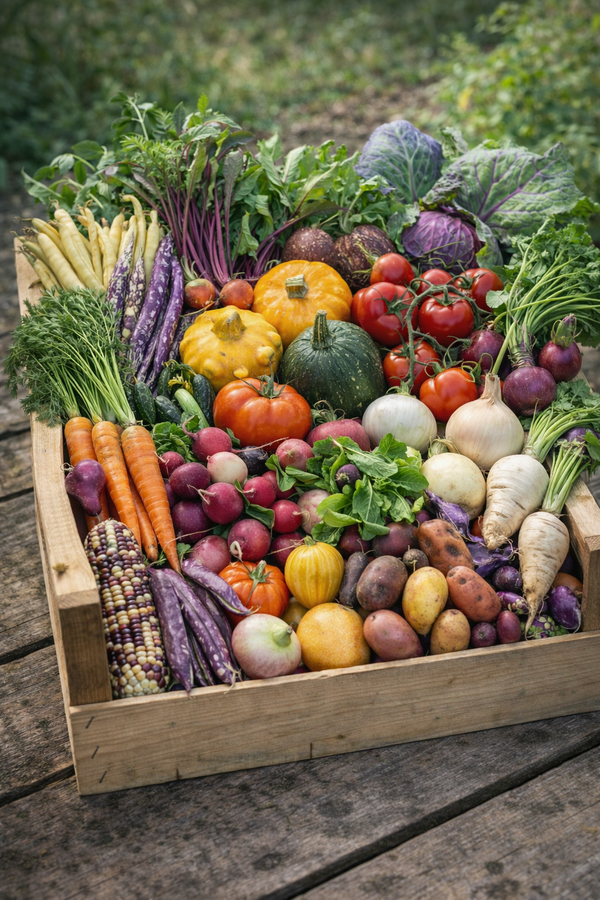 Potager et fines herbes
 Fleurs et vivaces
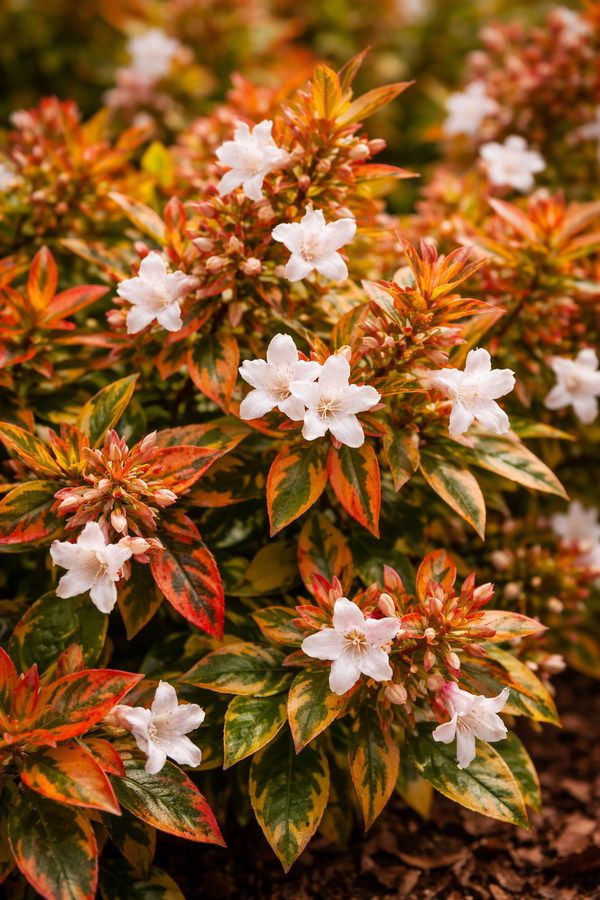 Arbres et arbustes
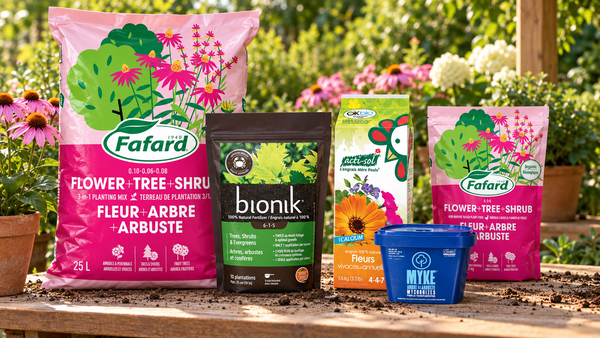 Soins et plantation
Une touche de nature, dans chaque pièce.
Tout découvrir Plantes tropicales
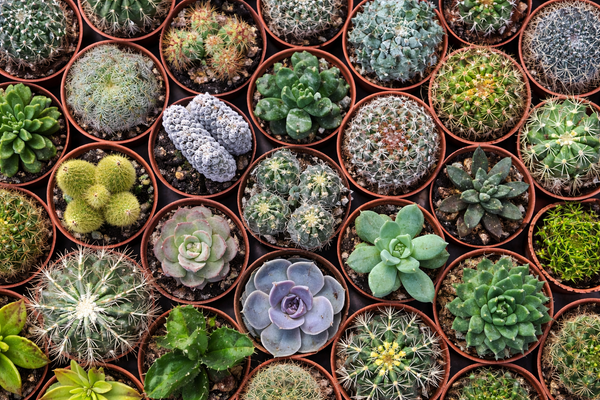 Cactus et succulentes
 Collections spécialisées
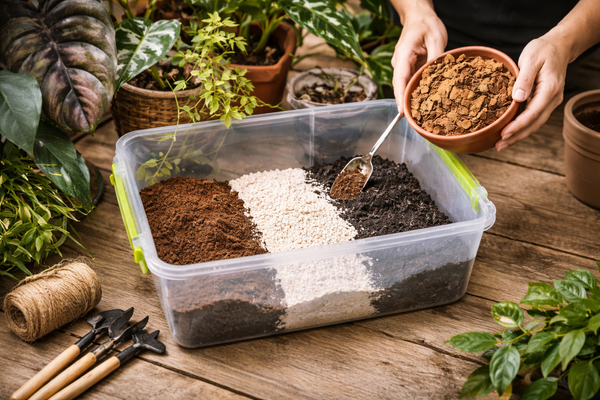 Soins et accessoires
Tout pour semer, planter et faire pousser.
Tout découvrir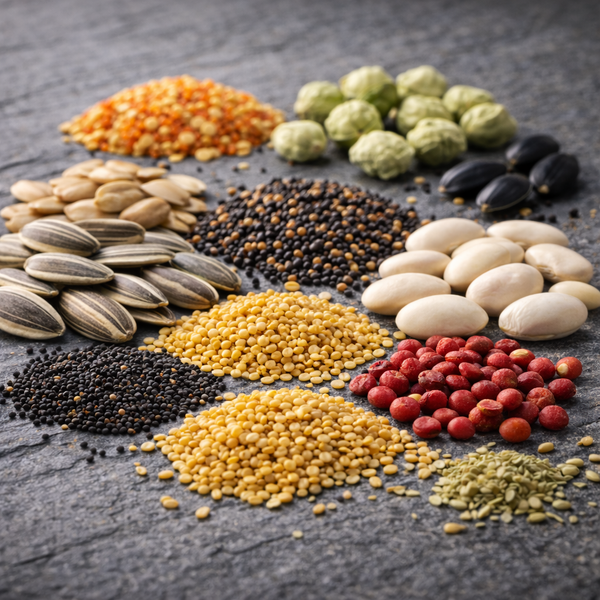 Semences
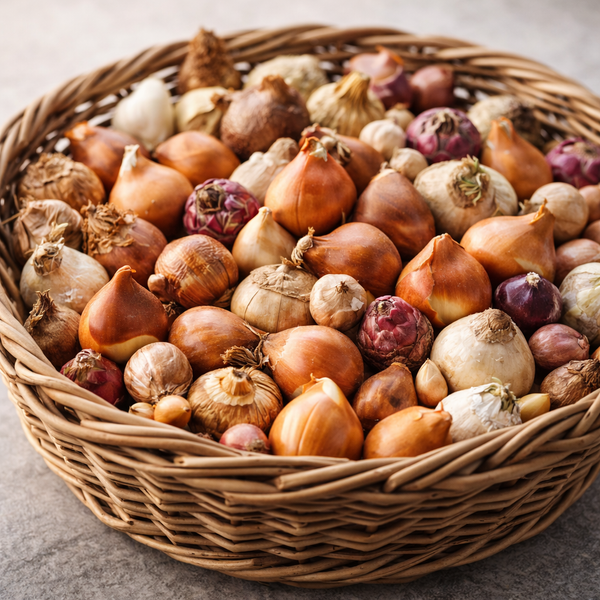 Bulbes
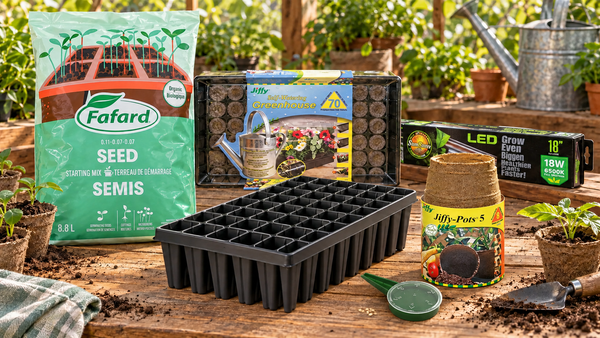 Tout pour les semis
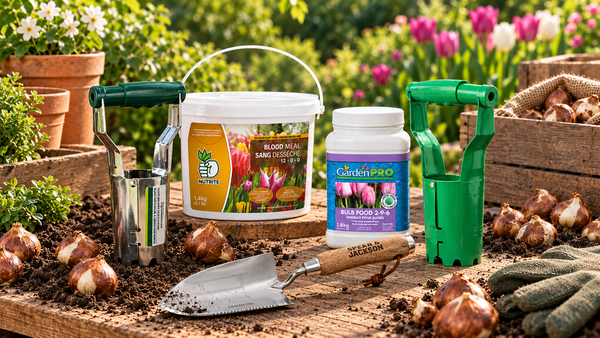 Pour planter les bulbes
Tout pour semer, nourrir et retrouver une belle pelouse.
Tout pour semer, nourrir et retrouver une belle pelouse.
Tout découvrir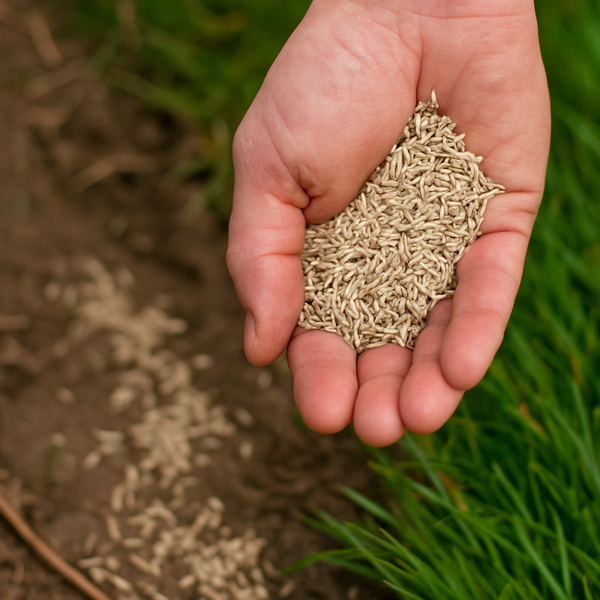 Semences à gazon
 Engrais pour gazon
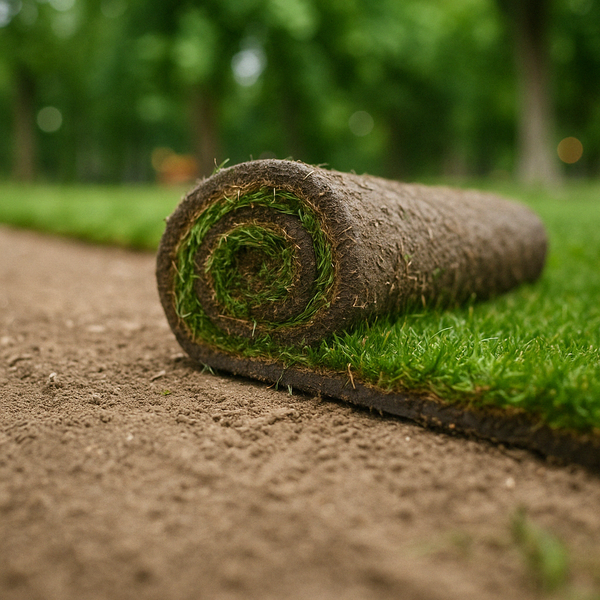 Tourbe et préparation
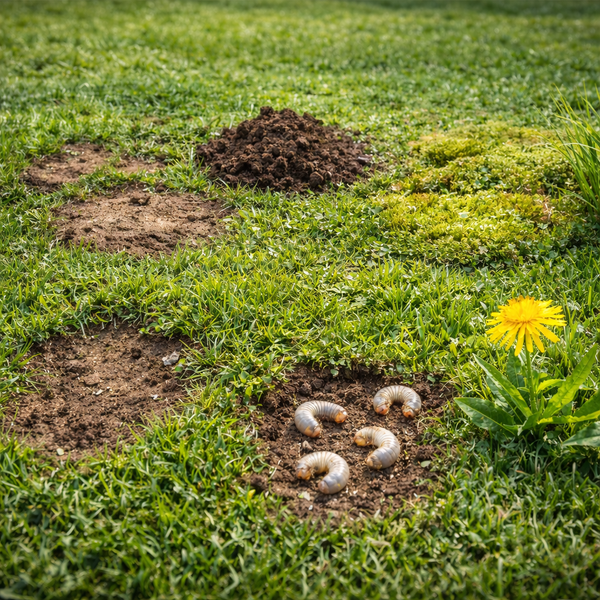 Soins et traitements
Tout pour nourrir, protéger et entretenir vos plantes.
Tout pour nourrir, protéger et entretenir vos plantes.
Tout découvrir



Valide uniquement dans la succursale choisie lors de l’achat.
Choisir la carte en magasinTout pour semer, planter et faire pousser.
 Outils
 Compostage et écologie