

Sale
Sold out

Pole green bean with stringless pods
Fabaceae
Organic pole-bean seeds
Organic ‘Seychelles’ pole bean
Phaseolus vulgaris
‘Seychelles’ is an early vigorous highly productive pole bean and 2017 All-America Selections winner. Its 2–3 m vines carry clusters of straight smooth stringless dark-green 13–15 cm white-seeded pods. Slow seed development extends tenderness and harvest generally starts around 55–60 days. The variety has intermediate resistance to anthracnose and one or more bean common mosaic virus races. Install a strong support before sowing and guide the first vines gently. Pick from bottom to top every two or three days to support new bloom. Cook pods before eating and chill them promptly after harvest. Vertical growth suits small sunny gardens and large containers when anchoring and moisture remain reliable.
- Exposure
- Full sun
- Life cycle
- Warm-season annual
Discover the plant
Common nameGreen pole bean, climbing snap bean
FamilyFabaceae
GenusPhaseolus
Speciesvulgaris
CultivarSeychelles
TypePole green bean with stringless pods
Botanical namePhaseolus vulgaris
Reproducible seedsYes
Organic ‘Seychelles’ pole bean (Phaseolus vulgaris) is a very early productive climbing variety and a 2017 All-America Selections winner. Vigorous dark-green vines generally climb 2–3 m and carry easy-to-see clusters of straight smooth stringless dark-green approximately 13–15 cm pods. White seed develops slowly, extending the period in which pods remain slender and tender. They may be steamed, sautéed, roasted, chilled in salad, or frozen after blanching. Vertical growth makes productive use of a small sunny footprint, provided the support is installed before roots and vines make later construction difficult.
Install a strong trellis, net, or poles at least 2–2.5 m tall before sowing. Direct-sow after all frost risk once soil exceeds 16°C, approximately 2.5–3 cm deep and 8–15 cm apart. Place in full sun in loose moderately fertile well-drained soil. Guide young vines to the support without tight ties, then let them twine. Keep soil evenly moist during bloom and pod formation. Excess nitrogen creates long leafy vines at the expense of blossoms. Mulch only after soil warms, keep ties loose, and preserve a clear path for watering and harvest on both sides of the trellis.
Harvest generally starts in approximately 55–60 days and may require up to 65 days in cooler conditions. Pick every two or three days when pods are smooth and snappy before seed swells; vertical growth requires inspection from bottom to top. The variety has documented intermediate resistance to anthracnose and one or more races of bean common mosaic virus. Do not turn this protection into immunity: space plants, avoid handling wet foliage, and rotate for three years. ‘Seychelles’ is protected by plant-variety rights in some jurisdictions. Cool harvested pods promptly, remove badly diseased foliage, and clean tools before moving to healthy rows.

Sowing guide
It all startswith a seed.
Sowing depth
Approximately 2.5 to 3 cm (1 to 1 1/4 in)
Spacing / density
Approximately 8 to 15 cm (3 to 6 in) between plants at a trellis and 90 to 120 cm (36 to 48 in) between rows
Germination temperature
Approximately 18 to 29°C
Germination time
Approximately 6 to 12 days
Sowing period
After all frost risk once soil is warm, from late May into mid-July depending on first-frost date
Propagation
Direct sowing only after soil warms
Growing method
Install a 2–2.5 m trellis before sowing. One to two weeks after final frost, direct-sow 2.5–3 cm deep in soil above 16°C at 8–15 cm spacing. Keep moist until emergence, then guide young vines without tight ties. Mulch after soil warms, water at the base during bloom, and avoid excess nitrogen. From 55–60 days, pick bottom to top every two or three days to maintain flowering. After emergence, retain the strongest plants and cut extras rather than pulling their roots. Guide first vines with wide loose ties, then let them twine. Weed shallowly, mulch after soil warms, and water at the base during flowering. Inspect the trellis from bottom to top and pick every two or three days from approximately 55–60 days, before seeds swell. Avoid wet foliage, remove severely diseased leaves, and keep paths clear. Check anchors after strong wind. After final harvest, clean the support, record the location, and rotate for three years away from other legumes. Chill pods promptly, cook before serving, and clean tools before moving from affected vines to healthy plants. Keep tendrils away from doors, gutters, cables, and every fragile structure. Refrigerate harvested pods without delay.
Soil and care
The right care,at the right time.
Soil pH
Approximately 6.0 to 7.0
Care level
Moderate
Watering
Keep the furrow evenly moist until emergence without waterlogging large seed that rots in cold soil. Afterwards, irrigate deeply when the top 3–5 cm begins drying. Flowering and pod filling are the most sensitive periods. Water at the base in the morning, then mulch after soil warms. Avoid standing water, constantly wet foliage, and extreme cycles of saturation and drought.
Soil type
Prepare loose light-to-loamy very well-drained soil. Loosen the bed without incorporating fresh manure. Moderate mature compost improves structure, but excessive nitrogen favours foliage over pods. Aim for approximate pH 6.0 to 7.0. In heavy clay, use a raised bed; in sand, add organic matter and mulch after soil warms. Rotate after serious disease. Keep the bed free of standing water after heavy rain.
Fertilization
Work a moderate amount of mature compost into the bed before sowing. In balanced soil, pole beans require little nitrogen because roots may form nodules with compatible bacteria. When testing identifies deficiency, apply low-rate balanced fertilizer according to label directions. Avoid nitrogen-rich products, fresh manure, and concentrated fertilizer placed against seed or crowns. Feed containers lightly only when foliage pales.
Moisture
Steady moisture during flowering and pod formation without saturation
Seasonal care
In spring, wait for warm soil, direct-sow, and temporarily protect seedlings from birds or slugs. Weed shallowly before roots fill the space. During summer, mulch, water at the base, and inspect leaf undersides for aphids and beetle eggs. Pick every day or two without handling wet foliage to limit disease spread. After final harvest, remove diseased plants; healthy plants may be composted. Rotate the site with non-legume crops. During growth, guide only vines that leave the trellis and keep every tie loose. Check anchors after storms, cut any string constricting a stem, and maintain access on both sides. Once harvest begins, inspect from soil level to the top every two or three days. During very hot weather, monitor moisture more often and keep mulch away from stems. Remove overmature pods and severely spotted leaves. At season end, cut vines instead of violently pulling roots, clean the support, discard diseased tissue, and record sowing and harvest dates. Refrigerate pods promptly, cook before serving, and avoid leaving baskets in direct sun. When disease appears, remove affected tissue without shaking it above healthy plants and avoid reusing contaminated mulch. Clean scissors between vines. During prolonged rain, postpone harvest until foliage dries and inspect support stability before entering beneath an arch. Keep row labels readable, store harvested pods promptly, and wash reusable netting before dry storage.
Container growing
A garden,within reach.
Recommended pot size
At least 45 to 60 L and 35 to 40 cm (14 to 16 in) deep with a 2 m trellis
Use a very stable container of at least 45–60 L and 35–40 cm deep for three plants with a firmly secured trellis 2 m or taller. A light tub tips under vine wind load. Fill with loose compost-amended potting mix, sow 10–15 cm apart, and place in full sun. Water to drainage whenever the surface dries, often daily during fruiting. Guide young vines, harvest to the top, and regularly inspect support fastenings. Install before sowing a trellis attached to the container or an independent structure strong enough for 2–3 m vines. Place the pot in full sun without blocking an exit or exposing tendrils to electrical wires. Sow near the support edge and guide first vines with soft ties. Check moisture daily during flowering, water until drainage appears, and empty the saucer. Apply light mulch after the mix warms. Rotate only a pot whose trellis is not attached to a building. Pick regularly at every height, keep holes clear, and inspect anchors after each strong wind. Chill harvested pods promptly and clean the container at season end. Label the sowing, keep harvest access clear, and remove vines carefully at season end without damaging the container or support.

Bloom and dimensions
Its place,in your garden.
Mature height
Approximately 2 to 3 m (7 to 9 ft)
Width / spread
Approximately 30 to 60 cm (12 to 24 in) at the base, then vertical on support
Flower color
White
Foliage color
Green
Foliage type
Trifoliate leaves on bushy branches
Growth rate
Fast
Growth habit
Vigorous climbing habit with twining vines
Fragrance
Mild crisp juicy tender pods
Bloom period
Small white to pale blossoms appear before pods form. Common bean is largely self-pollinating, although bees may visit flowers. Water stress or extreme heat during this stage may cause blossom drop. Maintain consistent moisture, avoid excess nitrogen, and do not spray insecticide on visited flowers. New bloom continues longer when mature pods are picked frequently. Frequent picking helps plants continue producing new blossoms.
Fruiting
Pollinated flowers become straight dark-green pods approximately 13–15 cm long containing white seeds. Pick while smooth and tender before beans swell. Frequent harvest supports continued flowering. For private non-commercial seed saving where permitted, let several pods mature and dry completely on healthy plants, then store beans dry after checking germination. Label the cultivar and harvest year, and keep seed separate from food pods.
Days to maturity
Approximately 55 to 60 days
Harvest
Begin in approximately 55–60 days. Inspect the trellis from bottom to top every two or three days and pick when pods measure 13–15 cm, are smooth, dark green, and snappy before seed creates bumps. Support clusters to avoid removing nearby blossoms. One pod left to mature signals vines to reduce flowering. Refrigerate unwashed in a perforated bag for seven to ten days. For freezing, blanch then chill promptly. Use a stable step stool when supports exceed reach; never pull vines downward.

Garden associations
In goodcompany.
Companion plants
Summer savory, carrot, cabbage, cucumber, radish, and nasturtium may share the garden when every crop retains enough space, light, and water. Place tall plants to the north so they do not shade beans. These associations do not guarantee freedom from pests. Most importantly, avoid short rotation with beans and peas. Preserve a path for picking without touching wet foliage, remove diseased leaves, and clean tools between rows. Check each crop’s moisture separately and keep cucumber vines from resting directly on bean foliage.
Plants to avoid
Mainly avoid short rotation with beans and peas; absolute incompatibility with Alliums is not sufficiently confirmed
Recipe idea
From the gardento your plate.
Edible parts
Immature pods cooked; mature dry beans only after thorough cooking
Lemony green beans — Wash and trim 500 g sound young pods. Steam for 5 to 7 minutes until tender-crisp. Toss immediately with 15 ml butter or oil, 10 ml lemon juice, chopped summer savory, salt, and pepper. Serve hot or chill promptly for salad. Refrigerate leftovers within two hours. Raw beans contain lectins, so cook before eating and discard every mouldy, slimy, or abnormal-smelling pod. This quantity makes approximately four servings. Serve with fish, eggs, potatoes, or legumes. To freeze an abundant harvest, blanch clean pods, cool them in ice water, drain thoroughly, and package in dated portions. Use them later in cooked dishes and never refreeze thawed food. Wash the board and utensils after contact with garden soil, and refrigerate prepared leftovers promptly. Serve immediately for the freshest colour and texture. When preparing several harvests, keep raw and cooked utensils separate, date frozen portions clearly, and use the oldest packages first. Follow tested instructions for every canned or pickled preserve.
Frequently asked questions
Your questions,answered.
Is ‘Seychelles’ truly a pole bean?
Yes. ‘Seychelles’ is a true pole bean. Vigorous vines reach approximately 2–3 m and require a strong trellis, net, fence, or poles installed before sowing. growing without support would create ground tangles, dirty pods, and more disease. Climbing habit also explains the longer staggered harvest. Install the support before sowing so later construction does not damage roots. Anchor it against wind, leave access on both sides, and keep tendrils away from cables, gutters, and doors. Check ties after every storm, and never let string constrict a thickening stem. Use a structure at least 2–2.5 m tall and strong enough for wet loaded vines. Clean it after final harvest.
Why does ‘Seychelles’ produce so early despite climbing?
The variety was selected for vigorous early growth and early pod set. First pods generally arrive in approximately 55–60 days, close to some bush beans, then vines continue climbing and blooming. Soil warmth, sun, moisture, and sowing date may shift this marker; cooler conditions may nevertheless delay harvest to approximately 65 days. Use pod appearance rather than calendar alone: they should be smooth, snappy, and barely bumpy. Pick in the morning after dew dries, support vines with one hand, and keep the basket shaded. Inspect every height because one hidden overmature pod may slow new bloom. Chill pods promptly, cook before eating, and discard every slimy or mouldy portion.
Which diseases does ‘Seychelles’ resist?
‘Seychelles’ has intermediate resistance to anthracnose and one or more races of bean common mosaic virus. Intermediate resistance may reduce symptoms or losses under some pressure without making plants immune. It does not cover white mould, rust, or every bacterial disease. Maintain at least a three-year rotation, space plants, water at the base, and avoid handling wet foliage. Clean tools before moving from a diseased vine to a healthy one, keep the trellis airy, and avoid handling foliage after rain. Continue observing every plant because pathogens outside the listed resistance package may appear. Remove badly affected residue instead of composting it.
Can the top of ‘Seychelles’ be pruned?
Yes when vines exceed the top of a strong trellis. Pinch only the tender tip above the structure with a clean tool to encourage branching and lower pod set. Do not severely prune a young plant or remove large amounts of healthy foliage that feeds pods. Wear gloves and use a stable step stool rather than pulling vines. Pruning remains optional when the support safely allows continued growth. After pinching, guide new shoots toward open trellis space with broad loose ties. Continue inspecting every height and remove mature pods every two or three days to support flowering. Check trellis anchors after strong winds.
Can ‘Seychelles’ seed be saved?
Biologically, pods may brown and dry to produce seed. ‘Seychelles’ is nevertheless sold as a plant-variety-protected cultivar. In Canada, the CFIA states that private, non-commercial use of a protected variety is an exception to these rights. Propagation intended for exchange, sale, or commercial activity may still require authorization from the rights holder, so check applicable rules before such use. For private saving, select several healthy plants, let pods dry completely, shell them, and retain only firm seed in a dated envelope stored cool and dry. Do not save seed from virus-infected or severely diseased plants, and run a small germination test before the next sowing.
Wildlife and pets
Life,around your plants.
Supporting wildlife
Small bean blossoms may be visited by bees and other insects even though common bean is largely self-pollinating. Let plants flower without insecticide, provide shallow water nearby, and maintain diverse blossoms elsewhere in the garden. Pods remain intended for harvest and do not directly feed pollinators.
For a great start to your seeds
The right extras.Right here.
Platters, pots and domes
Shop the collection
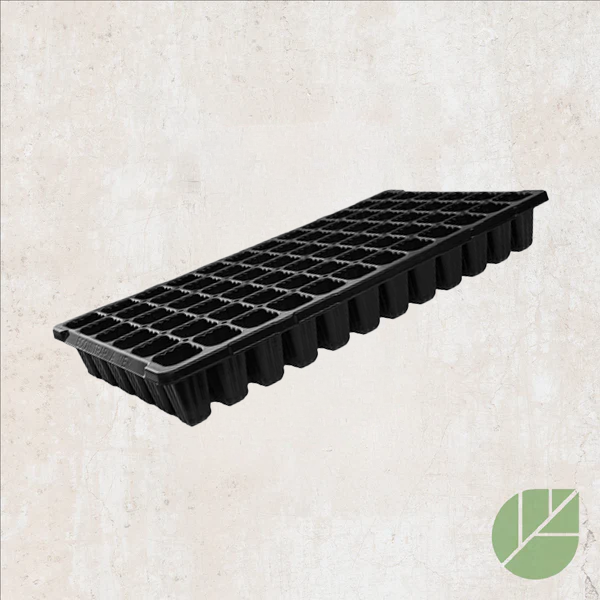
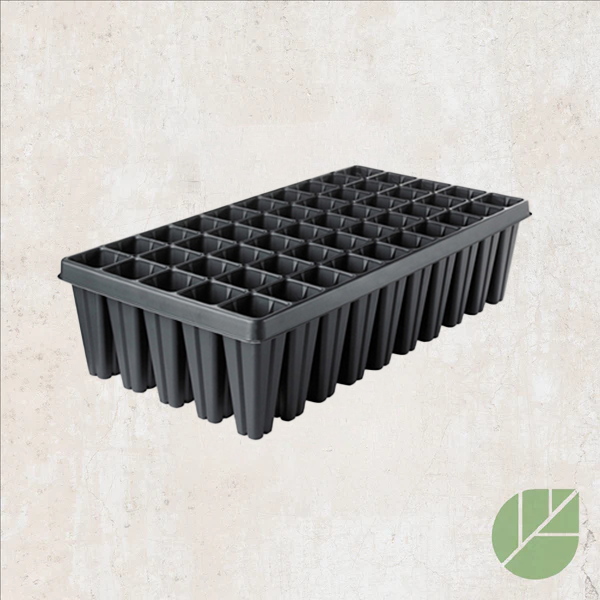
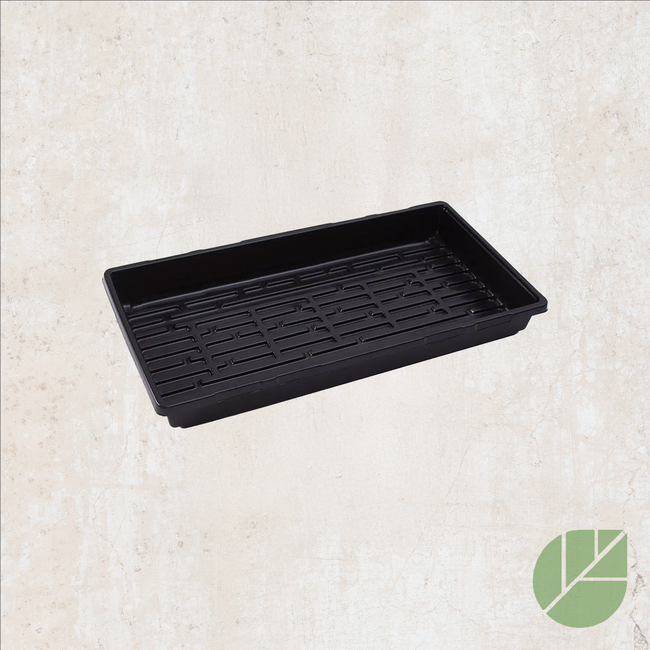
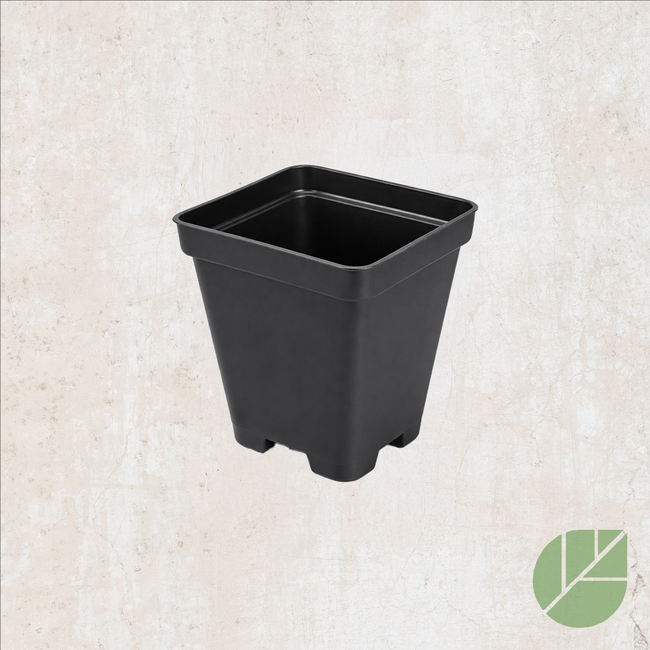
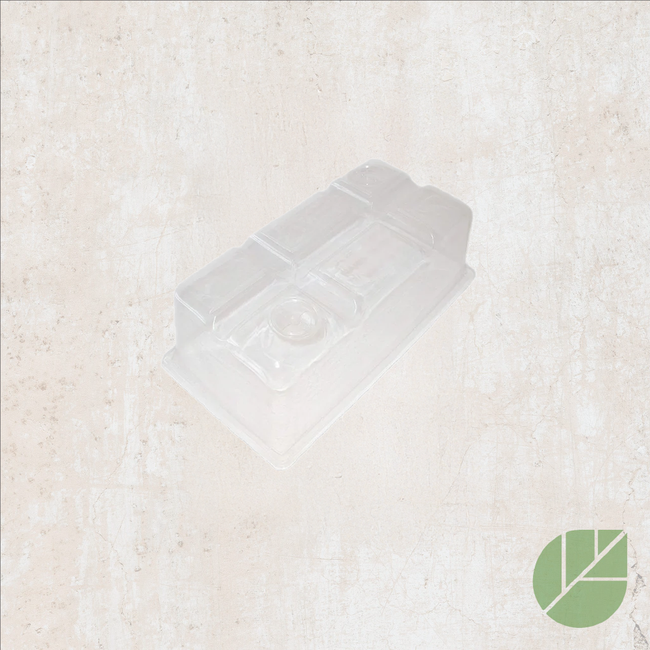
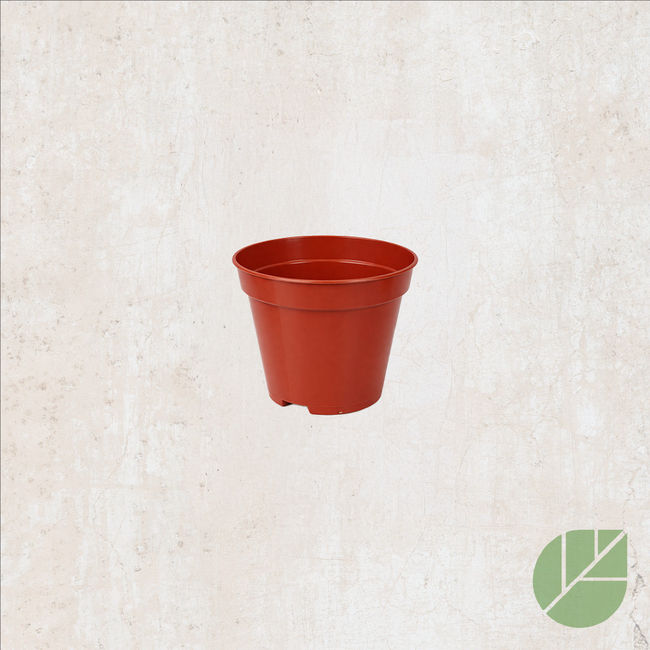
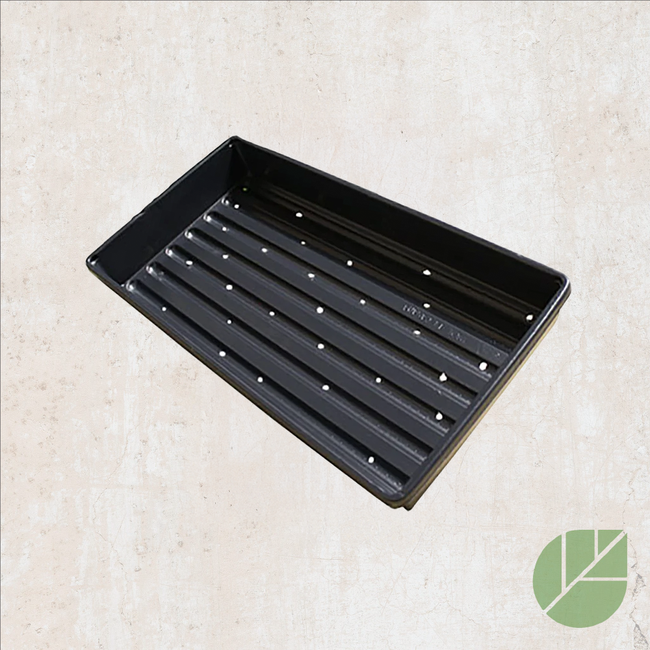
Seed Starting Soil
Shop the collectionSeed starting supplies
Shop the collection




