Sale
Sold out

Herbaceous perennial
Saxifragaceae
Partial-shade perennials
CITY™ Tokyo coral bells
Heuchera hybrid
CITY™ Tokyo coral bells is a compact perennial with lime-green to medium-green foliage covered by a light silvery veil. Its mound measures about 25 cm (10 in) high and 53 cm (21 in) wide. From July through October, dark scapes reaching 38 cm (15 in) carry numerous clear red flowers visited by hummingbirds and other pollinators. This vigorous cultivar prefers partial or full shade, organic and moderately well-drained soil, and a crown that remains uncovered. Hardy in Zone 4 to 9, it suits borders, designed woodland gardens and containers. Its bright foliage provides lasting colour in areas protected from scorching afternoon sun.
- Exposure
- Partial shade
- Life cycle
- Hardy perennial
- Hardiness
- Zone 4 to 9
Discover the plant
Common nameCITY™ Tokyo coral bells
FamilySaxifragaceae
GenusHeuchera
CultivarTokyo
TypeHerbaceous perennial
Botanical nameHeuchera hybrid
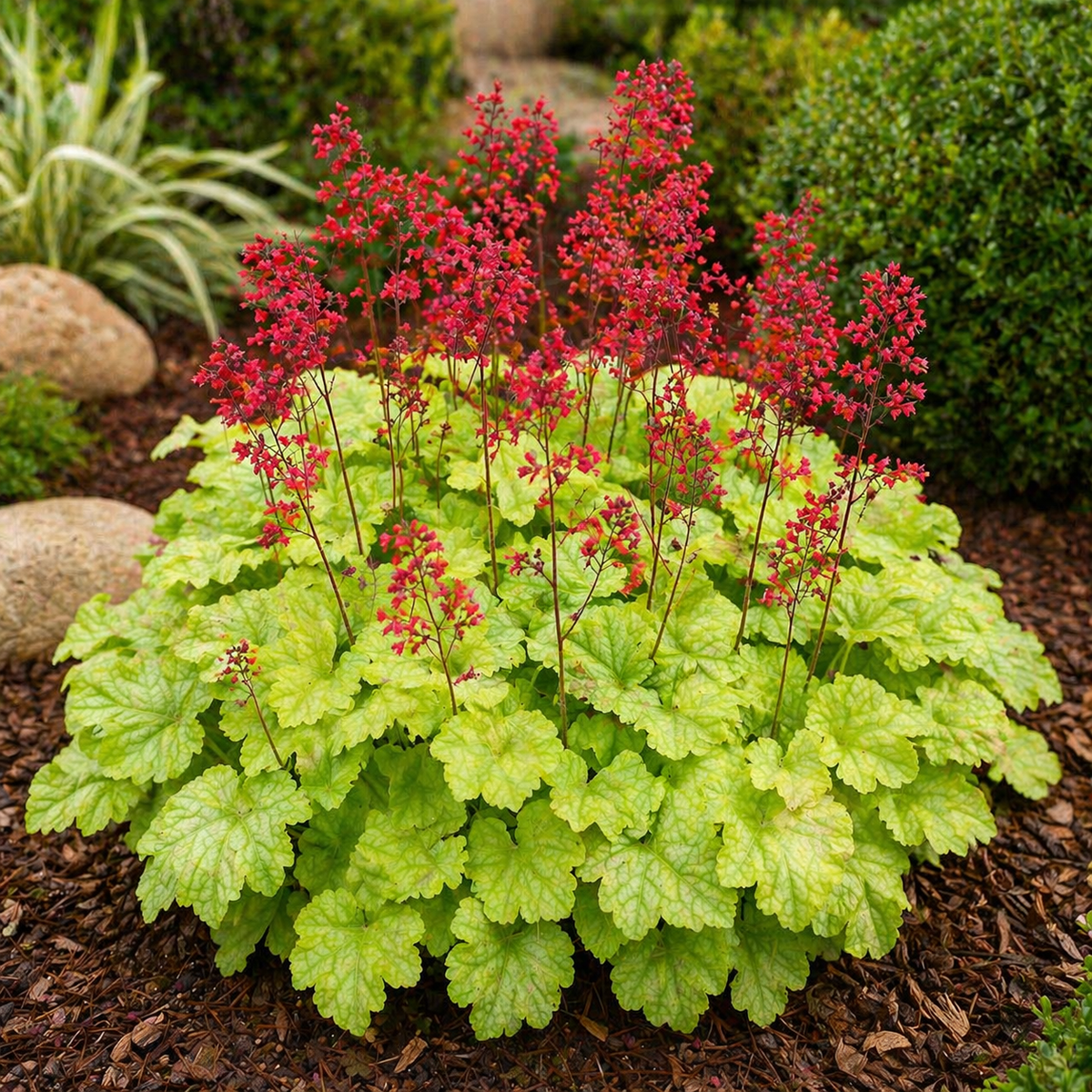
CITY™ Tokyo Coral Bells (Heuchera ‘Tokyo’) forms a broad, compact mound of lobed lime-green to medium-green leaves finished with a silvery white veil. From July through October, short dark scapes carry abundant clear red bells that contrast vividly with the bright foliage. The leafy mound reaches about 25 cm (10 in) high and 53 cm (21 in) wide, while flowers rise to approximately 38 cm (15 in). Vigorous and notably resistant to heat and several diseases, this patented PP27363 cultivar retains ornamental presence long after flowering. Its low, wide shape provides dependable colour without crowding taller shade companions.
This coral bells prefers partial shade or full shade, especially protection from scorching afternoon sun that can mark its pale leaves. Organic, loose and moderately well-drained soil is ideal; keep the crown level with the surrounding soil and never bury it. Water consistently while the plant establishes, then allow the soil to dry moderately between waterings because standing moisture is more harmful than a brief dry interval. Hardy in Zone 4 to 9, CITY™ Tokyo is best planted in spring or fall. A thin layer of compost or a balanced slow-release fertilizer is generally sufficient in early spring.
With its low, spreading habit, CITY™ Tokyo brightens shaded borders, designed woodland gardens, cool rock gardens and containers. Its red flowers attract hummingbirds and other pollinators, while the foliage is generally less appealing to deer. Combine it with blue-green hostas, ferns, astilbes, hellebores or Japanese forest grass for layered contrasts. Remove finished flower scapes to encourage reblooming, but retain healthy foliage through winter so it can help protect the crown. In spring, simply remove damaged leaves before fresh growth begins. This easy routine keeps the mound neat while preserving the year-round texture valued in milder regions.

Planting guide
From planting to establishment.
Spacing / density
50 to 55 cm (20 to 22 in)
Best planting time
Spring or fall
Propagation
Division of an established clump
Growing method
For best results, plant CITY™ Tokyo in spring or fall in partial or full shade. Gentle morning light is suitable, but lime-green leaves benefit from protection against scorching afternoon sun. Loosen soil across an area wider than the root ball and incorporate a modest amount of mature compost if the site is poor. Set the crown exactly level with the surrounding soil: burying it encourages rot, while leaving it too high can expose roots to freeze-thaw cycles. Space plants about 50 to 55 cm (20 to 22 in) apart, then water slowly to settle soil around the roots. Keep the soil evenly fresh during establishment without saturating it. Once rooted, allow the surface to dry moderately between waterings. A thin mulch helps stabilize moisture but should remain clear of the crown. In spring, a light compost layer or balanced slow-release fertilizer supports new growth. Remove finished flower scapes to encourage reblooming and retain healthy leaves until the following spring. Division every three or four years can renew a clump that has begun to thin at the centre and provides healthy sections for replanting at the same depth in prepared garden soil.
Soil and care
The right care,at the right time.
Soil pH
5.5 to 6.5
Care level
Easy
Drought tolerance
Yes
Watering
Water regularly after planting so the root ball and surrounding soil remain evenly fresh without becoming soggy. Once the clump is well rooted, allow the surface to dry moderately between waterings; this cultivar handles slight dryness better than persistent excess moisture. Monitor containers and hot periods more closely. Direct water toward the soil and keep wet mulch away from the crown to reduce the risk of rot.
Soil type
CITY™ Tokyo prefers loose, organic and moderately well-drained soil. The root zone can remain fresh during active growth, but water must never collect around the crown, especially in winter. Heavy soil benefits from structural improvement or a slightly raised planting position. A mulch of decomposed leaves is useful when kept away from the centre of the plant, allowing air to reach the crown.
Fertilization
In early spring, apply a thin layer of mature compost or a balanced slow-release granular fertilizer around the clump. Keep the product away from the crown and follow the labelled rate. Excess feeding can produce softer foliage without improving bloom. In containers, a diluted water-soluble fertilizer can supplement watering during active growth, but stop or reduce feeding as the plant prepares for winter dormancy.
Moisture
Average
Seasonal care
In spring, wait until severe frosts have passed before removing leaves dried or scorched by winter. Cut them cleanly near the base without injuring the crown or emerging shoots. Check whether freeze-thaw cycles have lifted the plant and, if necessary, gently reset the roots at soil level. Add a thin layer of compost or a balanced slow-release fertilizer, always leaving the centre of the rosette uncovered. During summer, monitor moisture in hot periods, especially in containers, while still allowing moderate drying between waterings. Remove fading flower scapes to keep the mound neat and encourage reblooming. Good air circulation helps limit rust and leaf spots. In fall, avoid routinely cutting back healthy foliage because it continues feeding the plant and naturally protects the crown. In cold or lightly snow-covered sites, a light mulch applied after the ground freezes can moderate temperature swings without covering the centre. Containers should be sheltered from drying winds while retaining free drainage during thaws. Every three or four years, divide a clump in spring if its centre begins to thin, then reset vigorous sections at the original depth. This seasonal rhythm protects the crown, preserves useful foliage and supports the long flowering performance associated with CITY™ Tokyo. Inspect plants after heavy rain, remove damaged debris promptly and keep nearby vigorous companions from shading the mound completely during active growth.
Container growing
A garden,within reach.
Recommended pot size
At least 35 to 40 cm (14 to 16 in) in diameter
CITY™ Tokyo adapts well to containers because of its low, broad habit. Choose a pot at least 35 to 40 cm (14 to 16 in) in diameter for one plant, with several drainage holes and enough soil volume to protect roots from rapid fluctuations. Fill it with an airy perennial potting mix and set the crown level with the surface without covering it. Position the container in partial shade or gentle morning light, protected from scorching afternoon sun. Water thoroughly after planting and allow all excess moisture to drain. Afterwards, check the mix regularly: it should remain fresh but dry slightly at the surface before the next watering. A moderate application of balanced slow-release fertilizer in spring is generally sufficient; avoid heavy rates that soften foliage. Remove spent flower scapes while retaining healthy leaves. For Canadian winter, move the pot beside a sheltered wall, group it with other containers or insulate its sides. Drainage must remain open during thaws. A decorative pot without holes should be used only as a cachepot when the inner growing container can drain completely. In spring, inspect the crown and refresh the upper layer of mix before growth resumes.

Bloom and dimensions
Its place,in your garden.
Mature height
25 cm (10 in); 38 cm (15 in) in bloom
Width / spread
53 cm (21 in)
Flower color
Clear red
Foliage color
Lime green to medium green with a silver veil
Foliage type
Evergreen to semi-evergreen depending on climate
Growth rate
Fast
Growth habit
Low, compact and spreading
Fragrance
Not fragrant
Bloom period
From July through October, short burgundy scapes rise above the foliage with numerous small clear red bell-shaped flowers. They create a crisp contrast against silvered lime-green leaves and attract hummingbirds along with other pollinators. Removing finished scapes maintains a consistently tidy garden appearance and may encourage reblooming through the season, although timing can vary naturally with climate, light and establishment.
Garden associations
In goodcompany.
Companion plants
Combine CITY™ Tokyo with blue-green hostas, ferns, astilbes, hellebores, bleeding hearts and Japanese forest grass. These plants appreciate filtered light and organic, well-drained soil while offering complementary forms. Broad leaves, fine fronds and feathery plumes emphasize its lime-green mound and red bells. The pairings are suggested for compatible growing needs and visual value; they do not guarantee automatic protection against diseases or pests. Leave enough room for the mature spread and keep vigorous neighbouring garden plants from covering the crown.
Plants to avoid
Around ‘Tokyo’ Coral Bells, especially avoid neighbors that would cover its leaves or strongly compete with its root ball. Compatibility of light, water, and spread takes precedence over a list of so-called enemy plants.
Frequently asked questions
Your questions,answered.
What light is best for CITY™ Tokyo coral bells?
CITY™ Tokyo prefers partial or full shade. Gentle morning light can intensify colour and support flowering, but scorching afternoon sun may dry or mark the lime-green leaves. In a cool Canadian garden, a few hours of direct sun can work when the soil remains fresh without becoming waterlogged. Watch the foliage: brown, crisp edges often indicate excessive sun or insufficient moisture. Stretched growth and reduced bloom may signal very dense shade. The ideal location therefore combines filtered light, useful air circulation and organic soil that drains quickly after rainfall. Container plants can be moved if seasonal sun begins reaching them more directly than expected.
How should CITY™ Tokyo be watered without rotting the crown?
Water deeply after planting to moisten the entire root ball, then wait until the soil surface dries slightly before watering again. The soil should remain fresh during establishment, but water must never stand around the crown. Direct moisture toward the soil rather than into the centre of the rosette and keep mulch several centimetres away from the base. Once rooted, CITY™ Tokyo tolerates a short dry interval better than persistent excess water. In a container, always empty the saucer and check moisture more often during hot weather. Free drainage remains essential in summer and during winter thaws, when cold wet soil can damage the crown.
Can CITY™ Tokyo grow in a container?
Yes. Choose a pot at least 35 to 40 cm (14 to 16 in) in diameter with several drainage holes and fill it with an airy perennial potting mix. Set the crown level with the surface and position the container in partial shade, protected from intense afternoon sun. Water when the surface begins to dry, then let all excess moisture drain completely. Light feeding in spring is generally sufficient. Remove finished flower scapes but keep healthy foliage. For winter, place the pot out of drying wind, insulate its sides or group it with other containers while keeping drainage holes open. A larger soil volume provides more stable moisture and temperature around the roots.
When and how should CITY™ Tokyo be trimmed?
Keep healthy foliage through fall and winter because it continues feeding the plant and helps protect the crown. In spring, after severe frosts have passed, remove only leaves that are dry, spotted or winter-burned using clean shears. Avoid cutting into fresh shoots emerging from the centre. During summer, remove flower scapes when they become faded; this keeps the mound neat and may encourage reblooming. If the clump begins thinning at the centre after three or four years, divide it in spring and reset vigorous sections level with the soil without burying their crowns. Discard diseased foliage rather than leaving it around the plant.
Is CITY™ Tokyo coral bells safe around pets?
Coral bells are listed by the ASPCA as non-toxic to dogs, cats and horses, so CITY™ Tokyo can be classified as suitable for gardens visited by pets. Non-toxic does not mean edible, however, and chewing a large amount of any plant material may still cause digestive discomfort. This perennial should therefore be treated as ornamental rather than as food. If an animal eats a substantial portion of the clump or develops unusual symptoms, contact a veterinarian. Also keep fertilizers, granules and treatments that are not pet safe away from the area even though the plant itself is considered non-toxic. Normal garden supervision remains appropriate for curious young animals.
Wildlife and pets
Life,around your plants.
Attracts birds
Yes
Supporting wildlife
The red bells of CITY™ Tokyo attract hummingbirds along with a range of pollinating insects. Its extended flowering season provides repeated visiting opportunities through summer and early fall. A visible planting kept free of insecticide applications on open flowers supports this activity while the bright foliage remains the main ornamental feature before and after bloom.
For your perennials and grasses
The right extras.Right here.
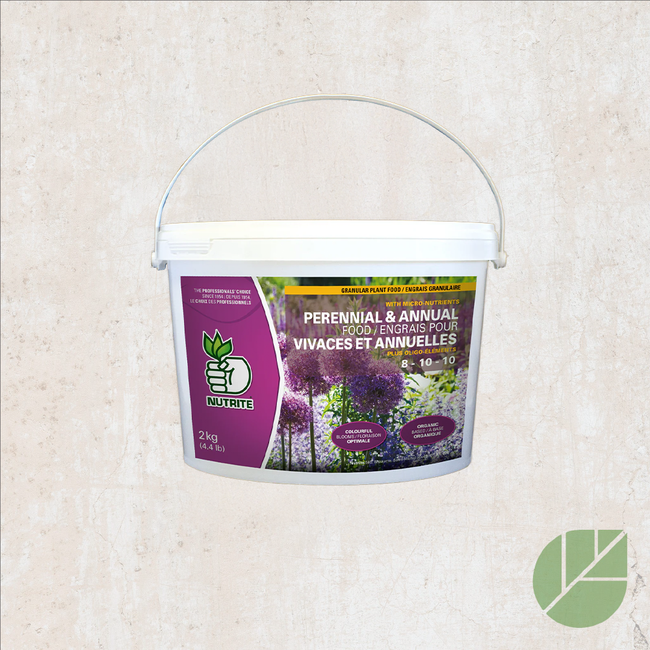
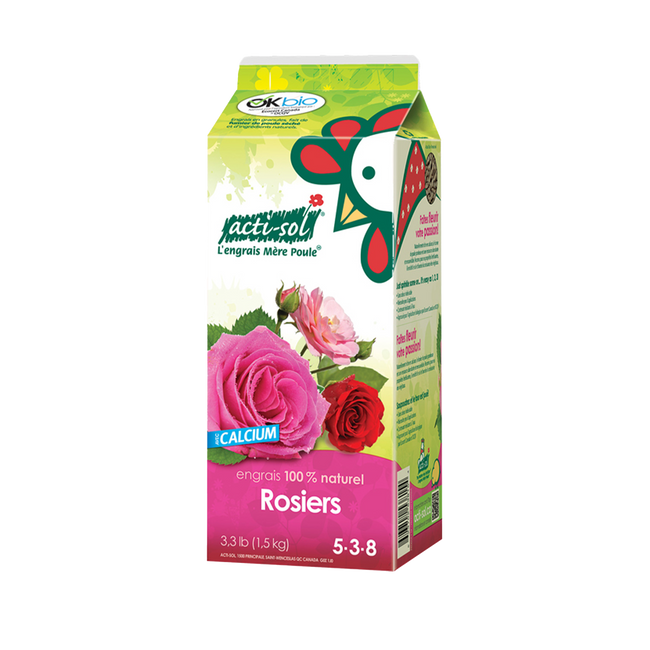
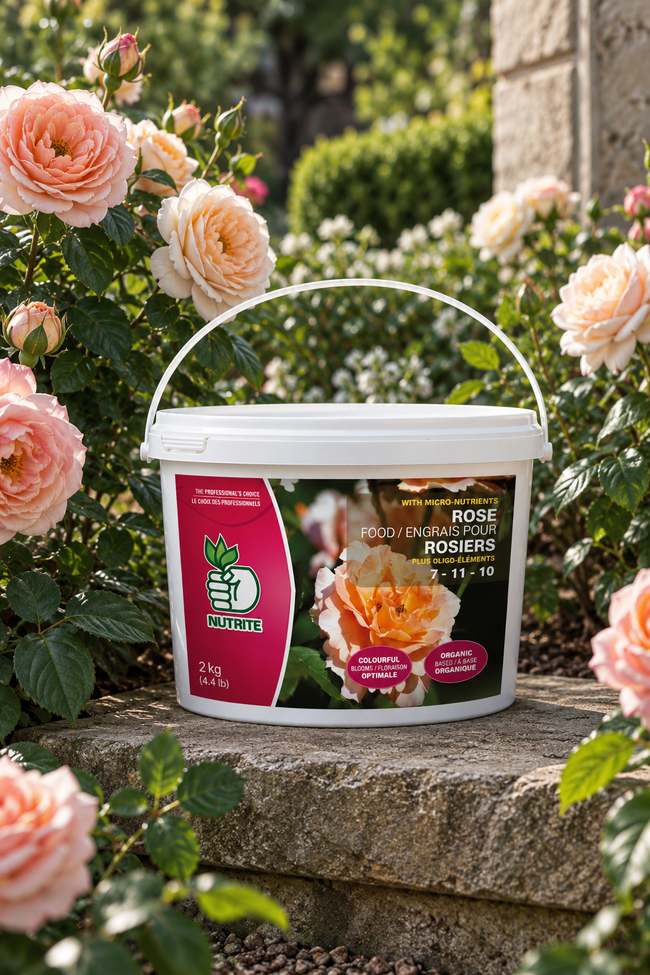
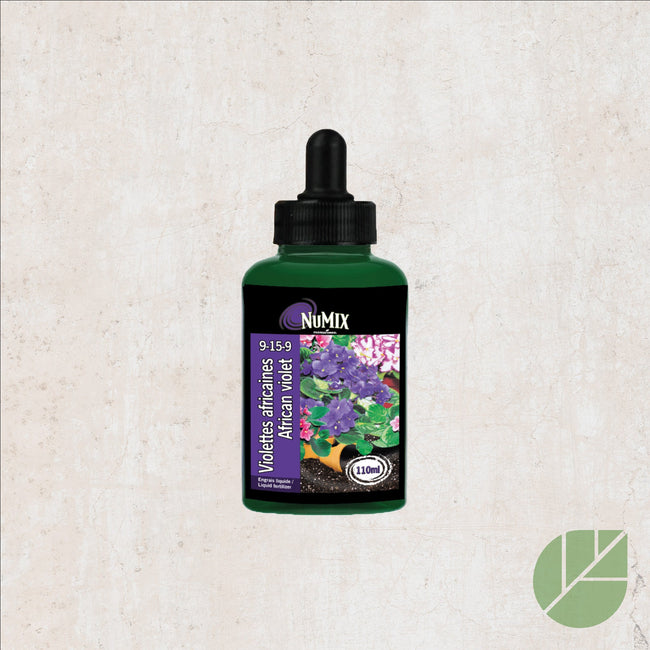
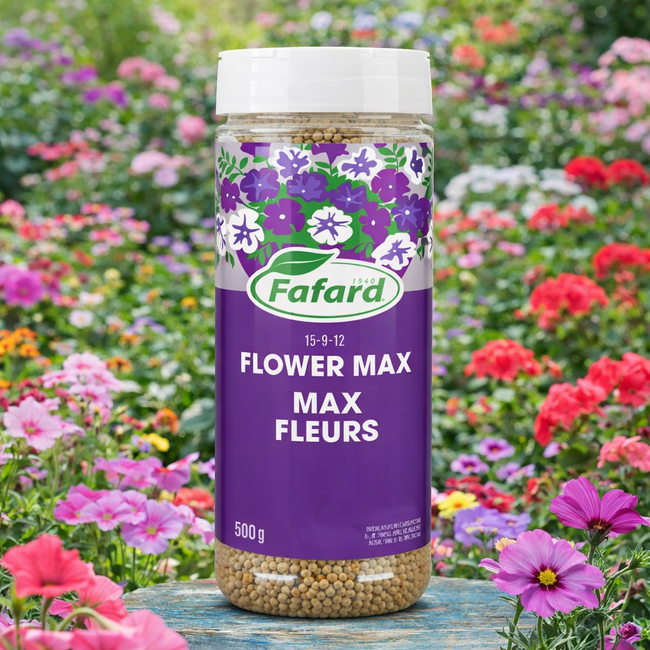
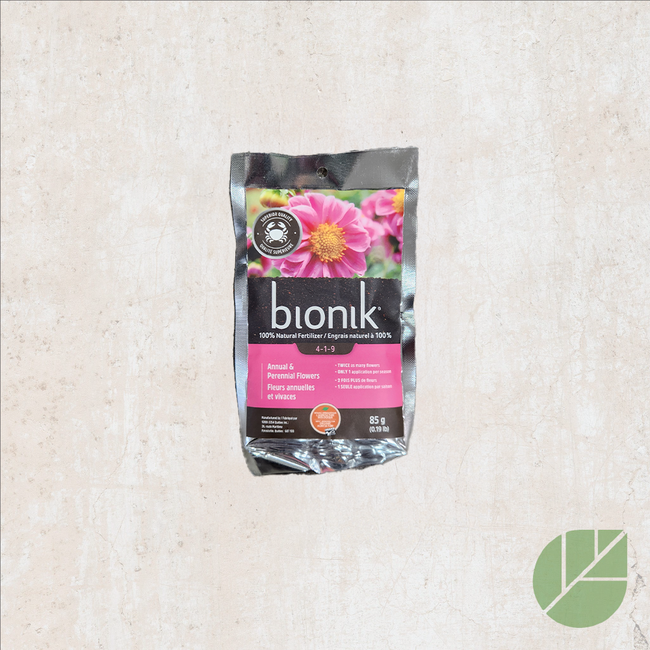
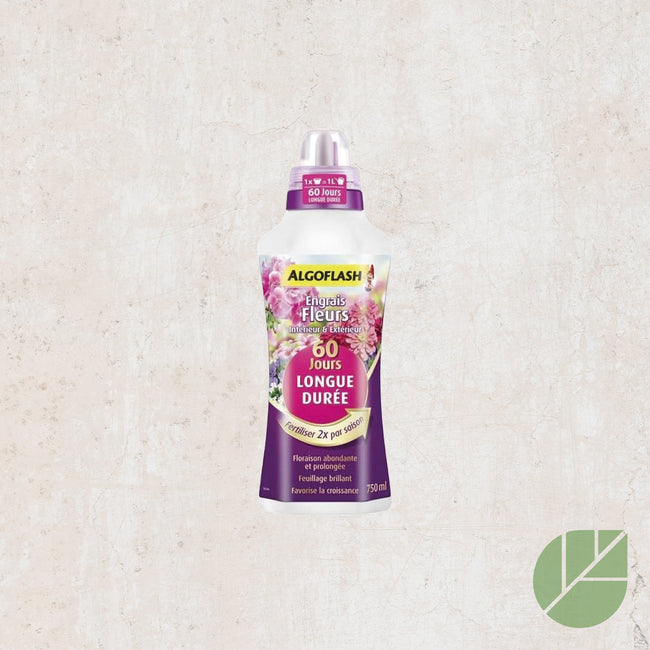
Flower and Bloom Fertilizer
Shop the collection
Hand Tools
Shop the collection