Reblooming hydrangea for borders and containers

BloomStruck hydrangea

Hydrangea macrophylla 'BloomStruck'

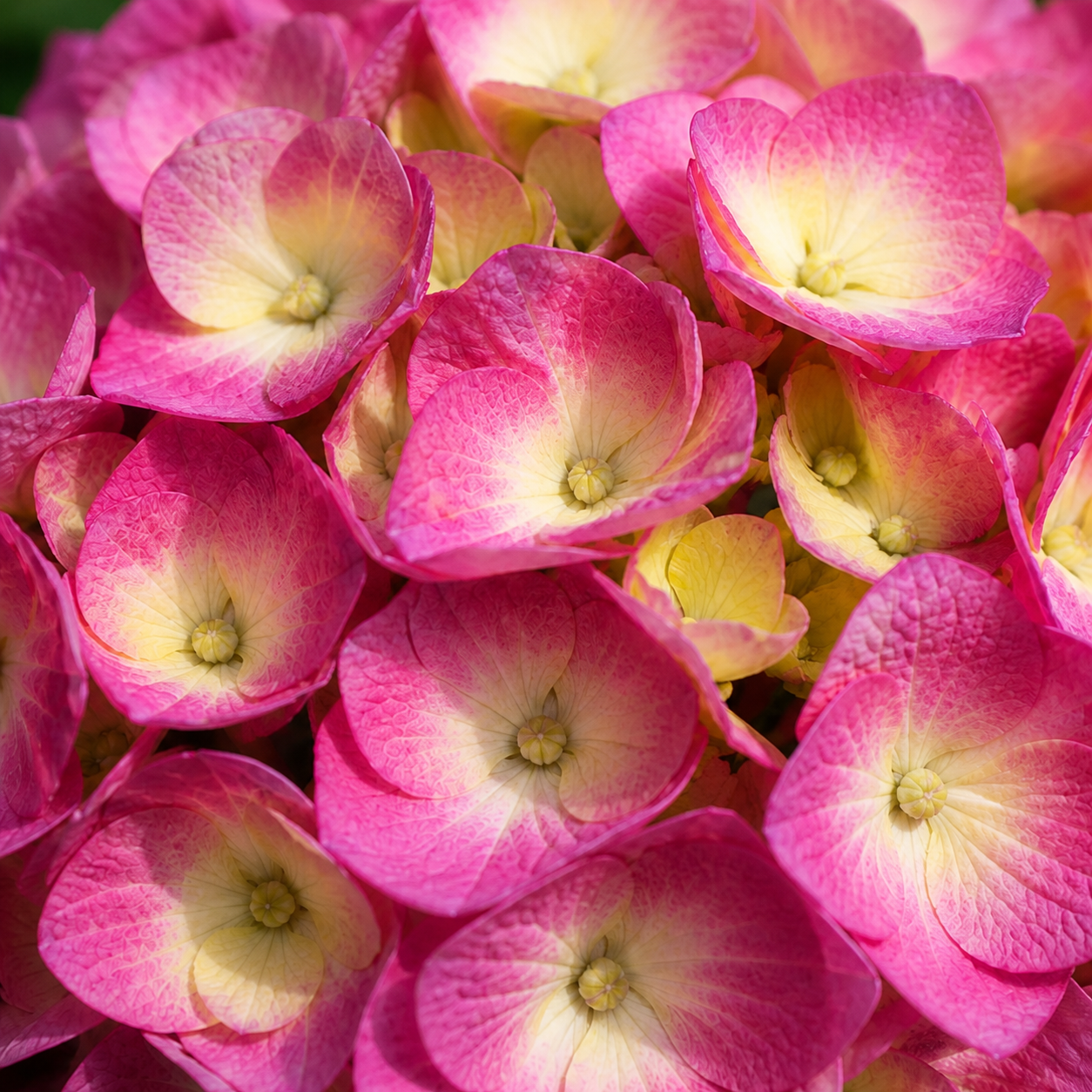
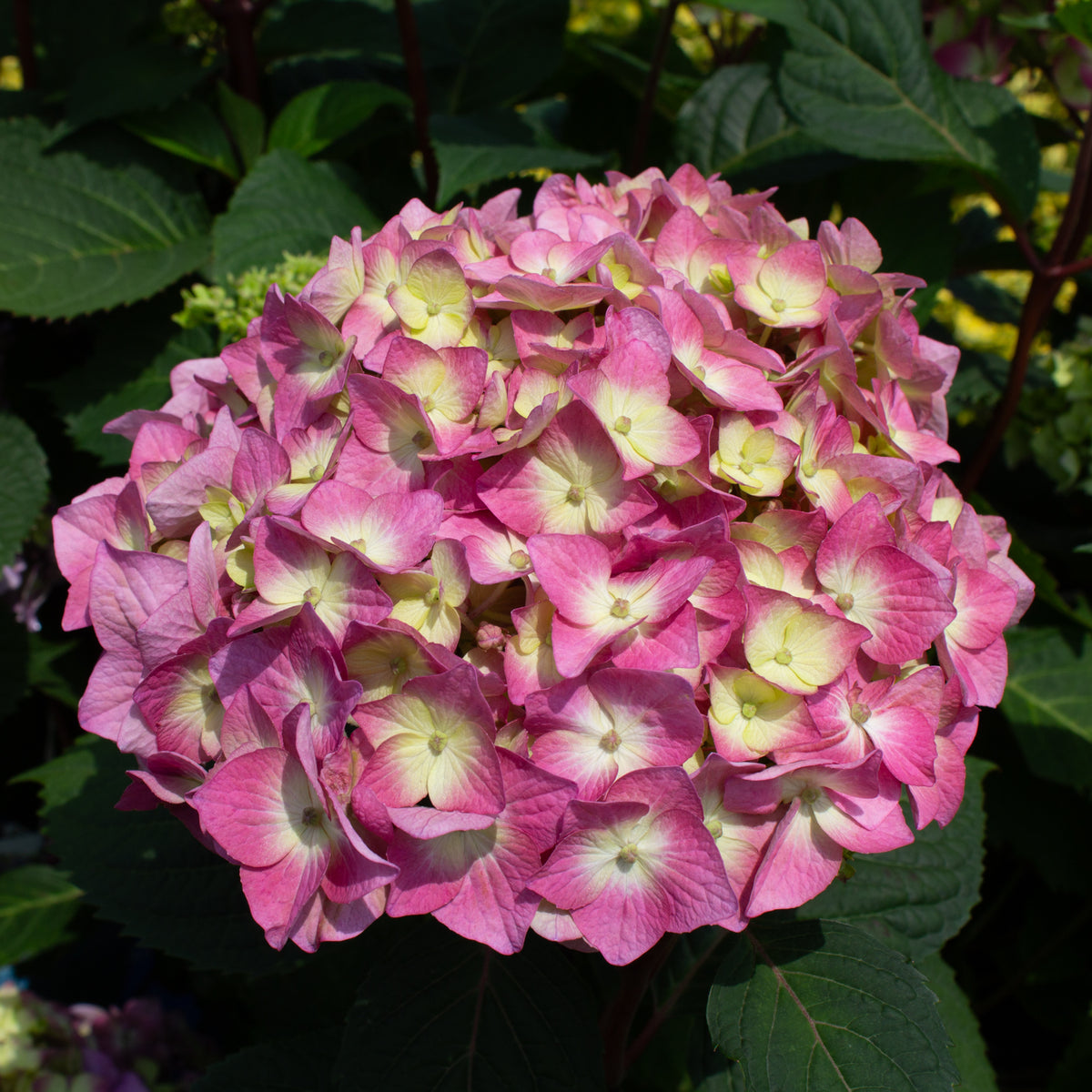
BloomStruck hydrangea is a reblooming Hydrangea macrophylla from the Endless Summer collection. Its large flower clusters range from vivid rose-pink to blue-purple according to soil chemistry. Reaching approximately 90 to 120 cm (3 to 4 ft) in both height and width, it blooms on old wood as well as new seasonal growth, supporting an extended flowering period.

Title

Share
Exposure Full sun to partial shade
Hardiness Zones 4 to 9
Difficulty level Easy

Discover the plant

Family Hydrangeaceae
Genus Hydrangea
Species macrophylla
Cultivar BloomStruck
Type Deciduous ornamental reblooming shrub

BloomStruck hydrangea (Hydrangea macrophylla 'BloomStruck') is a reblooming deciduous shrub from the Endless Summer collection, valued for its sturdy stems and large rounded flower clusters. Blooms range from vivid rose-pink to blue-purple depending on soil chemistry, while deep green foliage creates a dense backdrop throughout the growing season. It develops a rounded, well-branched habit and reaches approximately 90 to 120 cm (3 to 4 ft) in both height and width. Because it flowers on both old wood and new seasonal growth, the display can continue for an extended period. Hardy in Zones 4 to 9, this bigleaf hydrangea is well suited to many cold-climate gardens across Canada.

Full sun to partial shade suits BloomStruck, with morning light and some protection from intense afternoon sun especially useful in warmer locations. It prefers organically rich, evenly moist, well-drained soil and benefits from consistent watering during active growth and flowering. Organic mulch helps conserve moisture while moderating temperatures around the root zone. Moderate fertilization in early spring can support new growth, with a second light application in summer when needed. Pruning should remain minimal to preserve flower buds carried on old wood, although dead or damaged stems can be removed after growth resumes. Its Zone 4 hardiness makes it suitable for many parts of Quebec when provided with adequate moisture and reasonable protection from harsh winter exposure.

With mature dimensions of approximately 90 to 120 cm (3 to 4 ft), this reblooming hydrangea fits mixed borders, broad edging, foundation plantings, and large containers. It can stand alone as a flowering accent or be repeated to create a substantial mass of colour from early summer through later in the season. Hostas, ferns, heucheras, and astilbes are useful companions in evenly moist sites with partial shade. Flower clusters may receive visits from various insects, although their pollinator value depends on the proportion of fertile florets present. The blooms are also useful for fresh and dried arrangements. Hydrangea macrophylla contains toxic compounds if ingested, so BloomStruck should be treated strictly as an ornamental shrub rather than an edible plant.

Hydrangea macrophylla 'Bloomstruck'

Planting guide

From plantingto establishment.

Best planting time Plant preferably in spring or early fall when soil is workable and moderate temperatures favour root establishment.
Spacing / density Allow approximately 90 to 120 cm (3 to 4 ft) between plants according to the desired effect and available mature space.
Propagation Horticultural cultivar propagated vegetatively to preserve its flowering, habit, and colour characteristics true to type.

Soil and care

The rightconditions.

Exposure Full sun to partial shade
Soil Organically rich, evenly moist, well-drained soil; avoid persistently waterlogged conditions and prolonged drought.
Soil pH Acidic to slightly alkaline; acidic conditions generally favour blue-purple flowers, while higher pH promotes pink tones.
Watering Water regularly and deeply to keep the soil evenly moist, especially during establishment, hot weather, and flowering.
Fertilization Moderate feeding in early spring; a second light application around midsummer can support reblooming when plant growth indicates a need.
Care level Easy
Seasonal care
In spring, allow the shrub to show signs of active growth before assessing winter injury. Remove only dead or broken stems so flower buds carried on old wood are preserved. Apply compost or moderate fertilizer when needed and renew an organic mulch layer over the root zone. During summer, keep soil evenly moist with deep watering whenever rainfall is insufficient. A second light fertilizer application around midsummer can support reblooming, but excessive feeding should be avoided. Spent flower heads may be removed for appearance. In fall, avoid severe pruning and continue watering if conditions remain dry. In colder areas of Quebec, insulating the base with leaves, mulch, or another protective material can help preserve a greater amount of old wood and its flower buds through winter.

Container growing

A controlledenvironment.

Recommended pot sizeLarge container at least 50 cm (20 in) wide and deep, with effective drainage and enough soil volume to maintain consistent moisture.
BloomStruck performs well in containers when the pot provides enough room for its mature growth. Choose a container at least 50 cm (20 in) wide and deep with numerous drainage holes. Use a rich, structured growing medium that retains consistent moisture without remaining waterlogged. Position the container in full sun to partial shade and monitor watering carefully through summer because containerized roots dry relatively quickly. Fertilize moderately in spring and, when needed, provide a second light feeding in summer. In Quebec climates, roots held above ground are more exposed to winter cold, so insulate the container or move it to a suitably protected seasonal location. Avoid severe pruning before winter because preserving old wood also preserves potential flower buds for the following season.
Hydrangea macrophylla 'Bloomstruck'

Bloom and dimensions

The completeprofile.

Bloom periodReblooming large rounded flower clusters produced on both old wood and new seasonal growth.
Flower colorVivid rose-pink to blue-purple depending on soil pH and aluminium availability.
Foliage colorDeep green
Foliage typeDeciduous with large opposite leaves
FruitingSmall, inconspicuous dry capsules may form after flowering.
Maximum height3–4 ft (1–1.2 m)
Maximum width1.5 m (5 feet)
Growth rateModerate
Hardiness zoneZones 4 to 9
Minimum temperatureApproximately -34 °C based on the lower limit of Zone 4
Hydrangea macrophylla 'Bloomstruck'

Garden associations

What to plantwith it.

Good companionsHostas, ferns, heucheras, and astilbes, particularly in evenly moist soils and sites providing similar light conditions.
Avoid planting withAvoid highly competitive or drought-adapted plants and species with dominant root systems that would rapidly dry the hydrangea's root zone.
Mixed borders, broad edging, foundation plantings, shrub groupings, large containers, and fresh or dried cut flowers.

Frequently asked questions

Everything toknow.

BloomStruck hydrangea generally reaches approximately 90 to 120 cm (3 to 4 ft) in height with a similar mature spread. Its habit is rounded, dense, and well branched. These dimensions should be considered at planting time so the shrub has enough room to develop naturally. In a border, appropriate spacing reduces competition between plants and avoids the need for repeated pruning simply to contain its expected mature width.
BloomStruck flowers on both types of wood. Buds carried on old stems can provide an earlier flush of flowers, while new shoots produced during the current season can develop additional blooms. This reblooming ability is one of the defining characteristics of the Endless Summer collection. To take full advantage of it, avoid severe pruning and preserve as much living old wood as possible after winter, removing only clearly dead stems once spring growth makes their condition easy to assess.
Flower colour depends primarily on soil pH and the availability of aluminium to the roots. In acidic soil where aluminium is accessible, blooms tend toward blue or blue-purple. When pH rises and aluminium becomes less available, flowers generally develop pinker tones. Testing the soil before making adjustments is preferable, and any changes should be gradual because excessive amendments can damage roots or disrupt nutrient balance within the soil surrounding the shrub.
Pruning should remain light. Because BloomStruck flowers on both old and new wood, severe pruning can remove some of the buds that would otherwise produce the first flowers of the season. In spring, wait until buds begin developing so living stems can be distinguished easily from dead portions. Remove only dry, broken, or damaged wood at that time. Spent flower heads may also be removed for appearance, but substantial annual pruning is neither necessary nor desirable for normal reblooming performance.
Although BloomStruck is hardy to Zone 4, protecting old wood can preserve more flower buds for the first flush of blooms. In fall, maintain adequate soil moisture until freeze-up, then apply insulating material around the base once the ground has cooled. Dry leaves, mulch, or straw can help reduce temperature fluctuations. In spring, remove winter protection gradually after the main risk of severe frost has passed so overwintering buds are not exposed prematurely to damaging temperature changes.

Its strengths, naturally.

Not recommended for pets

Pets

Pollinators
Attracts or supports pollinating insects

Pollinators

Butterflies
Plants that attract butterflies

Butterflies