

Sale
Sold out

Vegetable
Asteraceae
Mixed lettuce (Lactuca sativa)
Lettuce
Product code : JAREC-0116
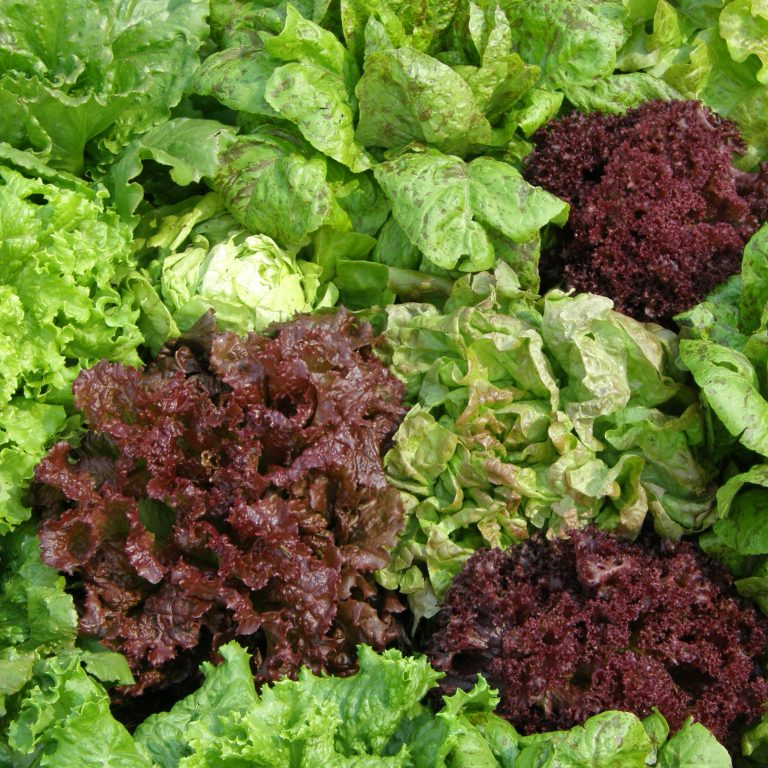
Organic mixed lettuce combines in a single sowing all the freshness, diversity, and elegance of the Lactuca sativa genus, offering the kitchen garden a vibrant mosaic of colors, textures, and flavors. Over the weeks, the rows adorn themselves with deep greens, velvety reds, tender yellows, and sometimes almost white shades, transforming each harvest into a gourmet composition. Ideal for gardeners who enjoy daily picking, this mix allows for extended harvests and a succession of tender young leaves and more developed lettuces, depending on the varieties present. Its great versatility makes it perfect for raised garden beds, close-row cultivation, and kitchen gardens where abundance, beauty, and simplicity are sought.
- Quantity
- About 800 seeds
- Exposure
- Sun to partial shade
- Life cycle
- Annual
Discover the plant
Common nameMixed lettuce
FamilyAsteraceae
GenusLettuce
Speciessativa
TypeVegetable
Botanical nameLettuce
Reproducible seedsYes
Mixed Lettuce (Lactuca sativa). Organic mixed lettuce combines the freshness, diversity, and elegance of the Lactuca sativa genus in a single sowing, offering a vibrant mosaic of colors, textures, and flavors to the garden. Week after week, the rows are adorned with deep greens, velvety reds, tender yellows, and sometimes almost white shades, transforming each harvest into a gourmet composition. Ideal for gardeners who enjoy daily picking, this mix allows for extended harvests and a succession of tender young leaves and more developed lettuces, depending on the varieties present.
Recommended sowing period: in spring, as soon as the soil is dry and workable; adjust subsequent sowings to the season and type of harvest. The recommended depth is 0.2 to 0.5 cm (0.1 to 0.2 in). Germination usually takes 7 to 14 days. For germination, maintain the potting soil at 10 to 18 °C (50 to 64 °F). Sow a small number of seeds at a time and renew sowings rather than preparing the entire harvest in one day. Very hot periods can make lettuce germination difficult.
This visual richness is accompanied by a beautiful variety of shapes, from fine, cut leaves to more fleshy, blistered, or crisp textures, which add character to both the garden and the plate. Organize small successive plantings to have leaves at different stages. Lettuces can precede a warm-season crop or follow an early harvest. Combine several colors in well-identified rows, which facilitates selective picking. A close path allows you to cut the leaves with a clean tool without walking in the bed. Its great flexibility of use makes it perfect for raised garden beds, close-row crops, and food gardens where abundance, beauty, and simplicity are desired.

Sowing guide
It all startswith a seed.
Sowing depth
0.2 to 0.5 cm (0.1 to 0.2 in)
Germination temperature
10 to 18 °C (50 to 64 °F)
Germination time
7 to 14 days
Sowing period
April to August
Propagation
Sowing
Growing method
Recommended sowing period: in spring, as soon as the soil is drained and workable; adjust subsequent sowings to the season and type of harvest. The depth to observe is 0.2 to 0.5 cm (0.1 to 0.2 in). Germination usually takes 7 to 14 days. For germination, maintain the potting soil at 10 to 18 °C (50 to 64 °F). Sow few seeds at a time and renew sowings rather than preparing the entire harvest in one day. Very hot periods can make lettuce emergence difficult. Keep the potting soil cool, in the light, and transplant young plants without burying the heart. A seedling already tight in its cell should be installed quickly to resume its growth. Harvest the outer leaves or the entire head depending on the type of lettuce. Avoid damaging the heart if you are waiting for new leaves. A central stem that lengthens indicates bolting and often a more pronounced bitterness. Enjoy the leaves before this stage, then replace the plant with a new sowing if the season allows. Leafy vegetables require harvesting adjusted to the type of plant.
Soil and care
The right care,at the right time.
Care level
Regular during establishment, then adapted to growing conditions
Watering
Regular
Soil type
Prepare a soft, fertile, and well-drained soil. Sow only a few seeds at a time and renew the sowings rather than preparing the entire crop in one day. Very hot periods can make lettuce germination difficult. Keep the potting mix cool and in the light, and transplant young seedlings without burying the heart. A seedling that is already cramped in its cell should be planted quickly to resume its growth.
Fertilization
Fertilization supports growth and takes into account the nutrients already present in the soil or potting mix. Use mature compost or a fertilizer suitable for the crop, following the dosage instructions. Avoid using multiple products, especially in a container where the roots occupy a limited volume. Water as needed after application and observe foliage development before re-fertilizing.
Moisture
Moist compost during germination, without standing water; adjust thereafter to the crop
Seasonal care
Over the weeks, the rows adorn themselves with deep greens, velvety reds, tender yellows, and sometimes almost white hues, transforming each harvest into a gourmet composition. Sow few seeds at a time and renew sowings rather than preparing the entire crop in a single day. Very hot periods can make lettuce germination difficult. Keep the potting soil fresh, in the light, and transplant young plants without burying the heart. A seedling already crowded in its cell should be planted quickly to resume its growth. Harvest the outer leaves or the entire head depending on the type of lettuce. Avoid damaging the heart if you are waiting for new leaves. A central stem that elongates indicates bolting and often a more pronounced bitterness. Enjoy the leaves before this stage, then replace the plant with a new seedling if the season allows. Leafy vegetables require harvesting adjusted to the type of plant. Outer picking preserves the heart when you want to continue production. Very old leaves do not offer the same tenderness as young shoots. Rinse the harvest just before use or dry it carefully before a short stay in the refrigerator. Organic mixed lettuce brings together in a single sowing all the freshness, diversity, and elegance of the *Lactuca sativa* genus, offering the vegetable garden a living mosaic of colors, textures, and flavors. Recommended sowing period: in spring, as soon as the soil is dry enough and workable; adjust subsequent sowings to the season and type of harvest.
Container growing
A garden,within reach.
Suitable for containers
Yes
Recommended pot size
A pot that is pierced and stable, with sufficient width for the plant to spread out and enough depth for the roots.
Choose this exposure: sun to partial shade. Reserve this spacing around the plant: 20 to 30 cm (8 to 12 in). Lettuces appreciate an easy-to-water container accessible from the kitchen. The roots should not remain in a saucer filled with water. During hot weather, a location that receives less afternoon sun can help keep the soil cool. Do not crowd adult plants: their leaves should be able to spread out without forming a damp mass. Organic lettuce mix brings together in one sowing all the freshness, diversity, and elegance of the *Lactuca sativa* genus, offering the vegetable garden a living mosaic of colors, textures, and flavors. Over the weeks, the rows are adorned with deep greens, velvety reds, tender yellows, and sometimes almost white shades, transforming each harvest into a gourmet composition. Ideal for gardeners who like to pick daily, this mix allows for extended harvests and a succession of tender young leaves and more developed lettuces, depending on the varieties present. Its great versatility makes it perfect for raised garden beds, close-row cultivation, and food gardens where abundance, beauty, and simplicity are sought.

Bloom and dimensions
Its place,in your garden.
Mature height
15 to 30 cm (6 to 12 in)
Width / spread
20 to 30 cm (8 to 12 in)
Foliage type
Seasonal foliage
Bloom period
June to August
Fruiting
Organic mixed lettuce combines in a single sowing all the freshness, diversity, and elegance of the *Lactuca sativa* genus, offering the kitchen garden a vibrant mosaic of colors, textures, and flavors. Week after week, the rows are adorned with deep greens, velvety reds, tender yellows, and sometimes almost white hues, transforming each harvest into a gourmet composition.
Harvest
50 to 90 days after sowing
Garden associations
In goodcompany.
Companion plants
In a diversified plantation, you can reserve neighboring sections for these plants: carrots, radishes, cucumbers. Here, the combination serves to organize space and harvests. Respect the height, light, and water needs of each plant, without crowding the foliage. Maintain a path for watering and harvesting, then remove finished crops to free up space. This organization facilitates maintenance without promising protection against pests. Arrange small, successive plantings to have leaves at different stages.
Recipe idea
From the gardento your plate.
Edible parts
Leaves
Lettuce Mix Kitchen Idea: Garden salad for four servings. Wash and spin dry 200g of tender leaves, then tear the larger ones. Add one grated carrot and four thinly sliced radishes. Mix 20ml of olive oil, 10ml of cider vinegar, and 5ml of mustard. Pour over the vegetables at the last moment and stir gently. For heartier leaves, mix a small handful with a base of mild lettuce. Serve immediately to maintain their texture. Prepare ingredients with clean utensils and adjust cutting to the size of your harvest. This recipe highlights freshly picked parts: remove damaged pieces before preparation. If doubling quantities, ensure enough space in the dish for even mixing or cooking. Quickly place leftovers in the refrigerator in a sealed container and consume within two days. For a two-person meal, simply divide all quantities by two.
Frequently asked questions
Your questions,answered.
How to successfully sow mixed lettuce seeds?
Recommended sowing period: in spring, as soon as the soil is dry enough to work; adjust subsequent sowings to the season and type of harvest. The recommended sowing depth is 0.2 to 0.5 cm (0.1 to 0.2 in). Germination usually takes 7 to 14 days. For germination, maintain the soil temperature at 10 to 18 °C (50 to 64 °F). Sow few seeds at a time and renew sowings rather than preparing the entire harvest in one day. Very hot periods can complicate lettuce germination. Keep the soil cool and in the light, and transplant young plants without burying the heart.
Can you grow mixed lettuce in a pot?
Choose this exposure: full sun to partial shade. Reserve this spacing around the plant: 20 to 30 cm (8 to 12 in). Lettuces appreciate an easy-to-water container accessible from the kitchen. The roots should not remain in a saucer filled with water. During hot weather, a location that receives less afternoon sun can help keep the potting mix cool. Do not crowd adult plants: their leaves should be able to spread out without forming a damp mass. Organic mixed lettuce brings together all the freshness, diversity, and elegance of the *Lactuca sativa* genus in a single sowing, offering the garden a living mosaic of colors, textures, and flavors.
When to harvest mixed lettuce?
Organic mixed lettuce combines in a single sowing all the freshness, diversity, and elegance of the *Lactuca sativa* genus, offering the vegetable garden a vibrant mosaic of colors, textures, and flavors. Over the weeks, the rows adorn themselves with deep greens, velvety reds, tender yellows, and sometimes almost white shades, transforming each harvest into a gourmet composition. Ideal for gardeners who enjoy daily picking, this mix allows for extended harvests and a succession of tender young leaves and more developed lettuces, depending on the varieties present. Each cut renews the pleasure of discovery, with flavors ranging from mild to slightly sweet, always fresh and pleasant.
What makes Laitue en mélange au jardin stand out?
Organic mixed lettuce combines in a single sowing all the freshness, diversity, and elegance of the *Lactuca sativa* genus, offering the vegetable garden a living mosaic of colors, textures, and flavors. Over the weeks, the rows adorn themselves with deep greens, velvety reds, tender yellows, and sometimes almost white shades, transforming each harvest into a gourmet composition. Ideal for gardeners who enjoy daily picking, this mix allows for staggered harvests and a succession of tender young leaves and more developed lettuces, depending on the varieties present. Its great versatility makes it perfect for raised garden beds, close-row cultivation, and food gardens where abundance, beauty, and simplicity are desired.
How to organize a mixed lettuce planting?
Arrange for small, successive plantings to have leaves at different stages. Lettuce can precede a warm-season crop or follow an early harvest. Combine several colors in clearly identified rows, which facilitates selective harvesting. A nearby path allows you to cut the leaves with a clean tool without stepping into the bed. Harvest outer leaves or the entire head depending on the type of lettuce. Avoid damaging the heart if you are waiting for new leaves. A central stem that lengthens indicates bolting and often more pronounced bitterness. Enjoy the leaves before this stage, then replace the plant with a new seedling if the season allows.
For a great start to your seeds
The right extras.Right here.
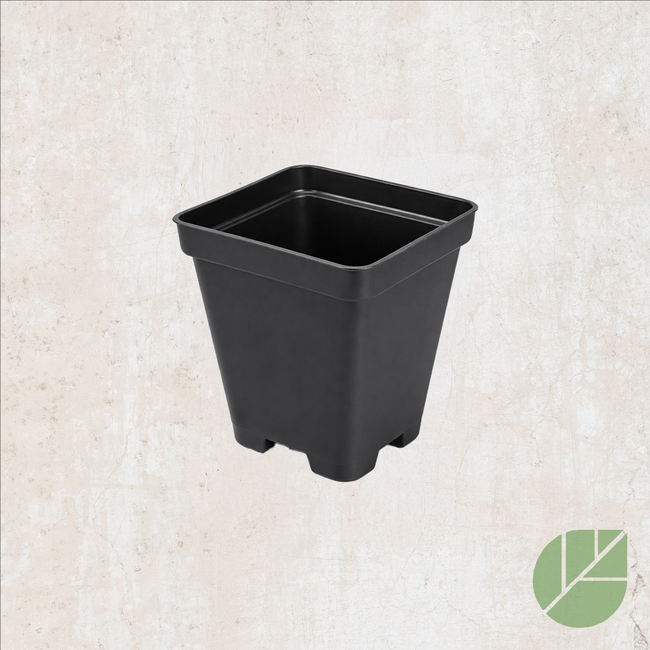
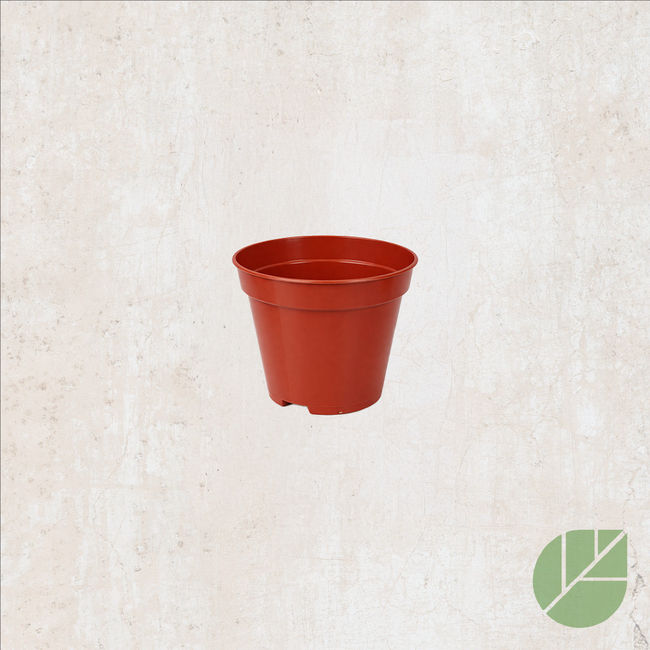
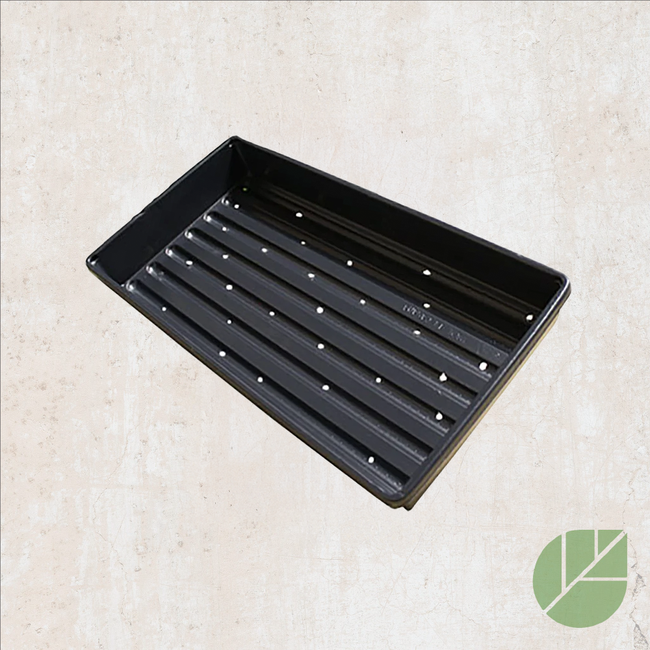
Platters, pots and domes
Shop the collection
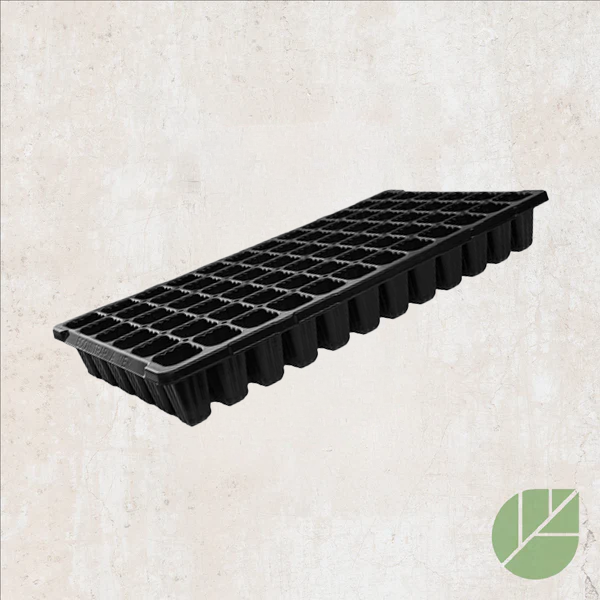
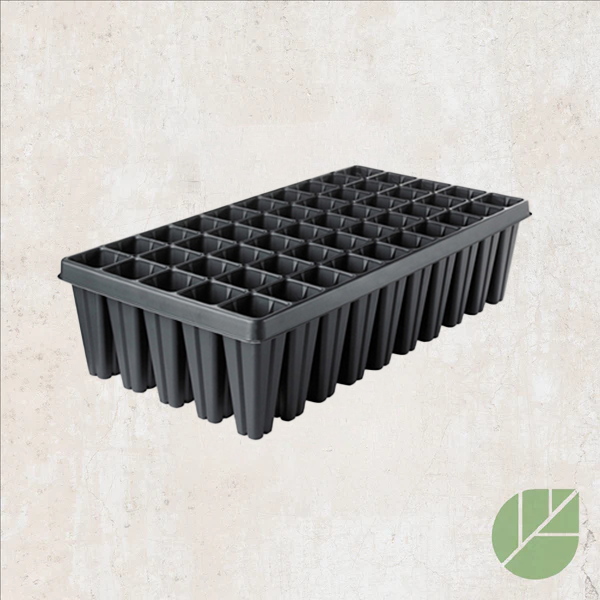
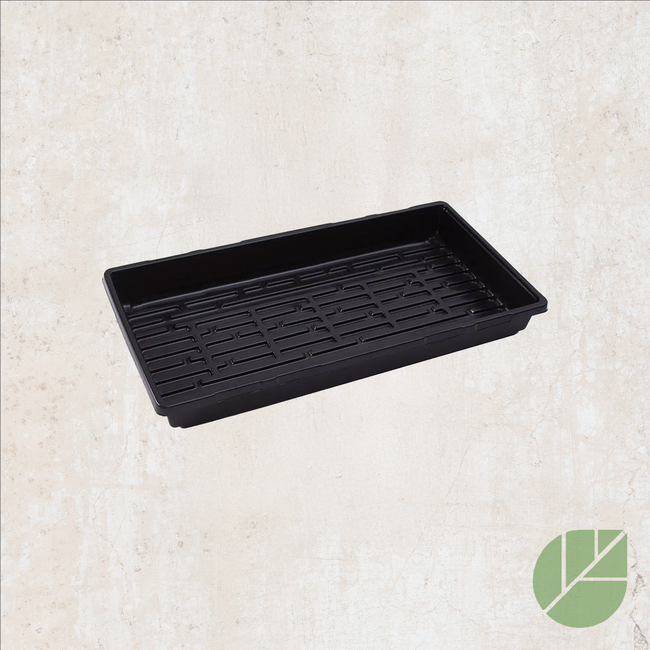

Seed Starting Soil
Shop the collectionSeed starting supplies
Shop the collection




