Sale
Sold out

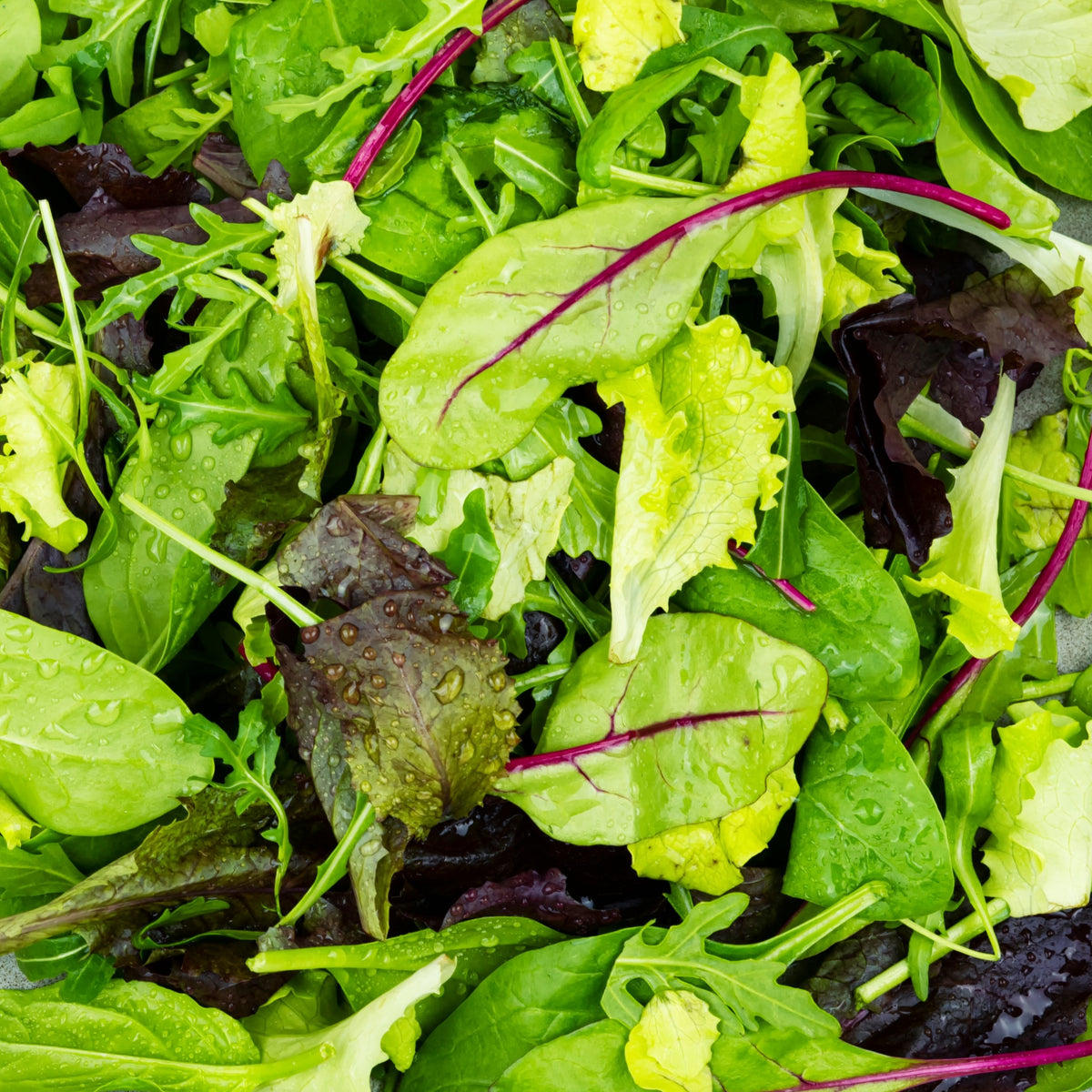
Organic blend of lettuces and baby greens
Organic baby-leaf and mesclun seeds
Organic mesclun lettuce mix
Product code : BIOVO-0050
This organic mesclun mix combines several lettuces and young greens for harvest varied in colour, texture, and flavour. The selection contains 725 seeds per selection, height of 15–20 cm, and spread of 15–25 cm. It is intended for young successive salad cuttings. Exact composition, precise maturity timing, botanical names of components, and proportions are not published, so these details remain unspecified. The selection contains 725 seeds. Sow small successive strips to renew harvest and preserve diversity. Steady moisture and light afternoon shade during heat keep greens tender. Harvest early in the morning, wash carefully, and chill promptly. No specific resistance is assigned because the exact composition is not published.
- Quantity
- 725 seeds
- Exposure
- Full sun to partial shade
Discover the plant
Common nameLettuce and baby-greens mesclun
TypeOrganic blend of lettuces and baby greens
Organic mesclun lettuce mix is a blend intended for baby-leaf harvest. This selection contains several lettuce varieties and young greens combined to provide different colours, textures, and flavours in one cutting. The result suits fresh salads, sandwiches, wraps, and garnishes. Since the exact component list and proportions are not published, no cultivar, single botanical name, or resistance profile is assigned to the mix. The selection contains 725 seeds, making it practical to renew this colourful palette often and vary each cutting according to upcoming meals and household needs in Canada.
Direct-sow into a fine loose pre-moistened bed, distributing seed evenly to avoid clumps. Cover very lightly, keep the surface moist until emergence, then water at soil level as soon as it begins to dry. Fertile well-drained soil enriched with mature compost encourages tender foliage. Grow in sun during cool weather and provide light afternoon shade in warm periods. Small successive strips provide a steadier harvest than one large sowing. A dated label makes batches easier to compare and helps gardeners adjust the sown area to actual household use without wasting seed or overwhelming the harvest.
The selection contains 725 seeds per selection, height of 15–20 cm and spread of 15–25 cm, with radishes, carrots, and spinach suggested as companion plants. Harvest once leaves reach the desired size and tenderness: cut one strip several centimetres above soil while leaving centres intact, then water gently to encourage regrowth. Chill cut foliage promptly and begin another sowing when stems elongate or heat makes the harvest more bitter. A clean, selective cut protects neighbouring small seedlings and keeps more of the blend's visible diversity available for the following harvest whenever growing conditions remain favourable.

Sowing guide
It all startswith a seed.
Spacing / density
Sow evenly in strips for baby leaves; thin only very dense clumps
Germination time
5 to 10 days
Sowing period
Early spring as soon as soil can be worked; late summer for an autumn harvest
Propagation
Direct sowing or indoor sowing three to four weeks before transplanting
Growing method
Growing lettuce from seed. Loosen and level the surface, moisten it, then sow very shallowly without deep burial. For baby leaves, distribute seed evenly without clumps; for larger plants, thin progressively according to their vigour and the available space. Keep the bed moist until emergence. Sow another small strip at regular intervals according to household use, hand weed to avoid uprooting seedlings, and provide light shade when soil becomes very warm. After emergence, thin clumps while retaining different colours and shapes where practical. Apply light mulch once plants are established to limit splashing and drying. For baby-leaf harvest, cut several centimetres above the soil without injuring every centre; for developed rosettes, pick outer leaves or harvest the whole plant. During summer, sow early in the morning, shade the bed until emergence, and choose the coolest available location. Avoid beds recently occupied by diseased baby greens, improve drainage, and rotate with a different crop group. Wash harvest, dry it, and refrigerate promptly. Label every strip with its sowing date so the oldest section is cut first. Remove bolting plants promptly. Inspect young plants for slugs, keep covers ventilated after rain, avoid handling soaked foliage, and preserve a clear path for gentle watering near the soil. Renew small areas whenever needed.
Soil and care
The right care,at the right time.
Soil pH
Approximately 6.0 to 6.8
Care level
Easy
Watering
Mesclun lettuce mix should be watered according to the moisture within its active root zone, not on a fixed calendar. Apply water slowly at soil level, allow it to penetrate, and wait until the surface begins to dry before watering again. The group of low to upright rosettes varying with the lettuces in the blend and variable blend of baby leaves in diverse shapes, colours, and textures both benefit from avoiding abrupt drought-to-soaking cycles. Morning irrigation limits prolonged leaf wetness. When grown in a container, check moisture daily during hot or windy conditions and keep every drainage opening clear.
Soil type
Lettuce and baby-greens mesclun grows best in loose, fertile, aerated soil enriched with finished compost. Mulch only after conditions suit the crop, keeping the crown uncovered. In the Lettuce and baby-greens mesclun planting, the shallow root zone must stay evenly moist without becoming saturated while the variable blend of baby leaves in diverse shapes, colours, and textures develops. Break surface crusts, improve heavy drainage, and avoid fresh manure or beds carrying recent disease in related greens. Containers for Lettuce and baby-greens mesclun need fine moisture-retentive mix from which surplus water can escape freely. Test the soil before making corrective mineral additions.
Fertilization
Prepare Lettuce and baby-greens mesclun with finished compost and moderate fertility before sowing. When tending Lettuce and baby-greens mesclun, in an already fertile bed, one light balanced application is more useful than repeated feeding while the variable blend of baby leaves in diverse shapes, colours, and textures develops. Correct light, drainage, and irrigation problems before assuming mesclun lettuce mix lacks fertilizer. Heavy or late nitrogen can produce soft leaves that are harder to cool after harvest. When tending mesclun lettuce mix, apply only the labelled rate to moist soil and water granular product into the root zone. Stop or reduce feeding when Lettuce and baby-greens mesclun already shows balanced growth.
Moisture
Evenly moist soil without saturation
Seasonal care
Seasonal care for lettuce. In spring, sow small amounts every two or three weeks and protect seedlings from slugs through regular inspection and a clean garden. Thin early for airflow. In summer, use light shade cloth during very hot afternoons, maintain uninterrupted watering, and harvest before bolting. In fall, resume sowing as nights cool and protect from first frost with row cover. Promptly remove severely diseased plants and rotate with a different crop group. Also monitor aphids beneath leaves and slugs in damp areas; remove them by hand where practical and avoid sheltering debris. Cut yellow or damaged leaves without injuring centres. During a heat wave, water early, maintain light shade, and harvest batches beginning to bolt. Wash leaves, dry them, and refrigerate promptly. Record sowing, cutting, and bolting dates to adjust later strips. Clean containers after disease and replace contaminated mix. Check drainage after heavy rain, vent covers, and avoid handling soaked foliage. Keep the harvest basket clean and shaded. Remove badly diseased plants rather than allowing them to remain beside younger sowings, and inspect irrigation lines regularly for leaks. After heavy rain, replace displaced mulch and inspect crowns for rot. Never leave cut leaves in direct sun during maintenance. Thin crowded clumps promptly, wash hands before handling ready-to-eat foliage, keep diseased residue safely away from young strips, and record which sowing produced the most balanced colours and textures.
Container growing
A garden,within reach.
Recommended pot size
Wide container at least 15 to 20 cm (6 to 8 in) deep
Growing lettuce in containers. Choose a wide container at least 20–25 cm deep with numerous drainage holes. For baby leaves, sow in one even strip and thin crowded areas; for larger plants, thin progressively so every green retains enough light and airflow. Use light potting mix enriched with mature compost, place in sun during cool weather, then light partial shade in summer. Check moisture daily and cut only one section of the container at a time to stagger regrowth. Raise the container slightly, empty the saucer, and rotate the box weekly so every strip receives comparable light. Very fine mulch reduces evaporation without touching crowns. During a heat wave, move the box to a bright location receiving afternoon shade; rapid growth never replaces cool steady moisture. Sow a second strip once the first strip is well established to replace the first after several cuttings. Harvest in the morning, chill immediately, and remove every yellow, slimy, or badly diseased leaf. Use clean mix after disease and inspect drainage following heavy rain. Label each sowing date and preserve airflow across the whole surface. After each cutting, remove damaged leaves, keep the surface evenly moist, and replace sparse strips with a fresh two-week succession promptly.

Bloom and dimensions
Its place,in your garden.
Mature height
Approximately 15 to 20 cm (6 to 8 in)
Width / spread
Approximately 15 to 25 cm (6 to 10 in)
Foliage color
Variable palette of greens, reds, and intermediate shades
Foliage type
Mix of lettuces and baby greens with varied shapes and textures
Growth rate
Fast
Growth habit
Group of low to upright rosettes varying with the lettuces in the blend
Fragrance
Fresh, mild, or lightly pungent flavours depending on the greens
Bloom period
Flowering is not sought when harvesting baby greens. Its timing, colour, and form may vary because the exact ingredient list is not published. Cut leaves before stems elongate noticeably to preserve tenderness. Remove bolting plants when increased bitterness or volunteer seedlings are unwanted in the bed. No pollinator is required for the edible leaf harvest. Check every batch regularly in warm weather.
Fruiting
Seed production is not the purpose of this leaf-harvest blend. Fruiting structures and schedules can differ among components whose exact identities are not published. Remove stems before dispersal to limit volunteer seedlings. Seed saved from the bed would not necessarily reproduce the original selection's proportions, appearance, or performance, so keep any experimental seed lots clearly separated and labelled. Observe each component carefully before saving anything.
Harvest
Begin harvest once baby leaves reach the desired size, colour, and tenderness; no precise number of days is provided. Gather one small bunch and cut 3–5 cm above soil without pulling roots or injuring every centre. Work in sections so the rest of the container continues growing. Water gently after cutting, sort damaged foliage, chill immediately, and wash only before use. Replace one strip once regrowth becomes weak or bitter.
Garden associations
In goodcompany.
Companion plants
Radish, carrot, and spinach are suggested companions. Grow them in neighbouring rows instead of mixing them densely into the mesclun so thinning, watering, and harvesting remain simple. Account for their mature size and growth rate to avoid excessive shade. This arrangement can organize a productive vegetable bed, but it does not guarantee protection from pests or diseases. Keep a clear path between crops for clean harvesting and easy soil-moisture checks. Rotate planting areas from one season to the next, remove damaged plant tissue promptly, and give every row enough airflow. Adjust spacing when neighbouring crops begin to shade the mesclun more than expected.
Plants to avoid
Celery parsley
Recipe idea
From the gardento your plate.
Edible parts
Leaves and tender centre, thoroughly washed; avoid very bitter bolted plants
Lettuce in the kitchen. Crisp mesclun mix salad — Thoroughly wash 250 g sound leaves in potable water, dry, and tear the largest. Add one small sliced cucumber, four radishes, and 30 ml toasted sunflower seeds. Whisk 30 ml oil, 15 ml apple cider vinegar, 5 ml mustard, and a pinch of salt. Toss immediately before serving. Keep leaves cold and discard every slimy, mouldy, or abnormal-smelling leaf. For a more substantial version, add cooked chickpeas, a cooked egg, or cheese immediately before serving. Taste the dressing before salting because toppings may already be seasoned. Use a clean cutting board, wash hands, and prevent cross-contamination with raw animal foods. Do not leave the salad at room temperature for an extended period; promptly return unused portions to the refrigerator in a clean container. Dress only the amount being served so remaining leaves retain their varied textures. Chill every prepared portion promptly after service. Serve each portion promptly after dressing.
Frequently asked questions
Your questions,answered.
What exactly is included in this mesclun mix?
The selection contains several lettuce varieties and young greens but provides neither names, proportions, nor one botanical name. Therefore, the composition of another similarly named mesclun should not be assigned to it. The expected result is a variable set of colours, textures, and flavours intended for baby-leaf cutting. Some variation between sowings is normal for this kind of blend. This missing information prevents assigning one species, family, or proportion that may not match the selection. To preserve diversity, retain several forms and colours while thinning, then harvest a representative selection at every cutting. Label the date and photograph the strip when comparing sowings. Natural variation is expected and desirable.
When should mesclun be cut?
Cut once leaves reach the size and tenderness you prefer, before central stems elongate. No precise timing is provided for this blend. Cutting 3–5 cm above soil preserves more centres than cutting flush and may allow regrowth. Harvest early in the morning, chill immediately, and begin another strip if regrowth becomes sparse or bitter. The quantity allows the selection to be divided into several small sowings rather than one simultaneous harvest. Reseal the selection, keep it dry, and follow any storage directions printed on the packaging. Label each strip to measure actual seed use before sowing the next one. This supports better planning.
Why do all seedlings not grow at the same rate?
Mesclun combines several components with different vigour, form, and growth rate. Distribute seed well, avoid overfeeding, and maintain even moisture to limit differences. Cut the tallest foliage before it shades the rest, then thin only overly dense clumps. This diversity is normal and part of the blend's culinary appeal; it does not necessarily indicate a germination problem. Harvest several different forms at every cutting instead of taking only the tallest greens. If one colour becomes scarce, avoid removing every seedling of that colour during one pass. Even moisture and moderate feeding reduce growth differences without claiming control over a composition the selection does not guarantee.
How can poor summer germination be avoided?
Mesclun is a blend, so summer emergence may be uneven even when all seed was sown together. Use a wide container or strip bed, pre-moisten it, and sow during the coolest part of the day. Keep seed near the surface rather than burying it heavily, then provide raised shade and fine watering until the first leaves appear. Avoid one dense clump: distribute seed evenly and thin only the most crowded patches so slower components are not smothered by faster lettuce. A movable container 15–20 cm deep can be shifted to a cooler bright position for germination, then returned gradually to stronger light. Maintain airflow after emergence and prevent abrupt cycles of drought and saturation. If the mix remains sparse during a heat wave, wait for cooler nights and make a fresh sowing instead of repeatedly fertilizing; temperature and surface moisture, not nutrient shortage, usually explain the failed start.
Can this mesclun be grown in a container?
Yes. Choose a wide container at least 15–20 cm deep rather than one narrow pot. Fine fertile well-drained mix makes even sowing easier and holds moisture more steadily. Divide the surface into sections sown on different dates, water with a gentle stream, and cut only one section at a time. During strong heat, move the box into light partial shade to slow drying and bolting. Use the documented container guidance—Wide container at least 15 to 20 cm (6 to 8 in) deep—as the starting point, then keep every drainage opening clear and check moisture below the surface before watering. Leave enough access to inspect Variable blend of baby leaves in diverse shapes, colours, and textures, and secure any trellis or support independently so moving the vessel does not twist loaded stems.
Wildlife and pets
Life,around your plants.
Supporting wildlife
This blend is grown mainly for its young leaves and requires no pollination for harvest. If some greens are allowed to flower, insects may visit them, but their identity and behaviour vary with the selection's actual composition. Remove flowering plants before seed dispersal when volunteer seedlings are unwanted.
For a great start to your seeds
The right extras.Right here.
Seed Starting Soil
Shop the collectionSeed starting supplies
Shop the collection